

How Much Does Crawl Space Encapsulation & Vapor Barrier Cost in Georgetown?
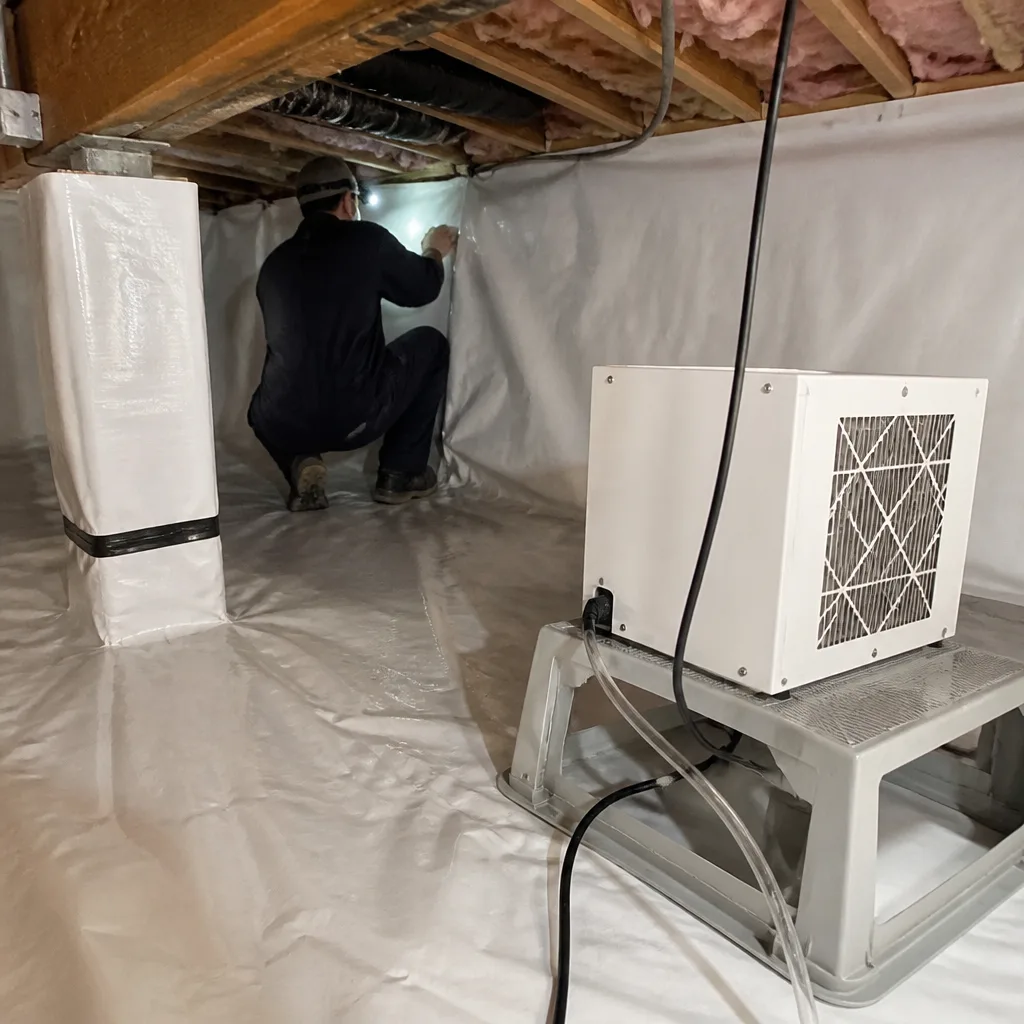
Crawl space encapsulation in Georgetown, TX typically runs between $2,800 and $8,500 for most single-family homes, with a full encapsulation (liner, drainage matting, sealing, and conditioned air supply) on a 1,200-1,800 sq ft crawl space landing around $4,500-$6,500. A basic Crawl Space Vapor Barrier installation alone - a 6-mil to 20-mil poly liner, taped at the seams and fastened to the foundation walls - generally costs $1,200-$2,800 in the Georgetown market.
Those ranges assume a reasonably accessible crawl space with no standing water, no existing mold remediation needed, and standard Williamson County soil conditions. If your home sits on a pier-and-beam foundation in one of Georgetown’s older subdivisions, or if the crawl is vented and you’re converting it to a sealed, conditioned space, the number moves up. We’ll show you exactly where your project falls before any work starts - written price, written scope, no exceptions.
Crawl Space Encapsulation & Vapor Barrier Cost Breakdown (2026)
Encapsulation is not one product. It’s a system, and each layer of that system has a separate cost. Here’s how the line items break out for Georgetown homes in 2026.
| Scope of Work | Typical Cost Range (Georgetown, TX) | Notes |
|---|---|---|
| Basic vapor barrier only (6-12 mil poly, ground cover) | $1,200 - $2,800 | Overlapping seams, no wall coverage; minimum acceptable protection |
| Upgraded vapor barrier (12-20 mil reinforced liner, taped seams, wall coverage to grade) | $2,400 - $4,200 | Dramatically outperforms the basic liner; what we recommend for Central Texas humidity |
| Full encapsulation - liner + rim joist sealing + vent sealing | $3,500 - $6,200 | Converts vented crawl to semi-conditioned space; eliminates most moisture infiltration |
| Full encapsulation + drainage matting | $4,200 - $7,500 | Recommended for Georgetown homes near the San Gabriel River or with a history of pooling |
| Full encapsulation + drainage matting + dehumidifier | $5,500 - $9,500 | Closed-loop humidity control; necessary if the crawl space is fully sealed without conditioned air supply |
| Mold remediation (if present) - add-on | $800 - $3,500 | Priced per scope after inspection; encapsulation cannot go over active mold |
| Old liner removal and disposal | $300 - $900 | Required if prior vapor barrier has failed, torn, or trapped moisture underneath |
| Crawl space access door / hatch upgrade | $150 - $450 | Often overlooked; a properly sealed access hatch matters in a conditioned crawl |
The most common project we see in Georgetown is a full Crawl Space Encapsulation & Vapor Barrier services with a heavy-duty liner, rim joist foam sealing, and vent blocking - no dehumidifier, because the crawl is tied into conditioned house air via a supply register. That scope on a 1,400 sq ft crawl typically lands in the $4,500-$6,000 range before any remediation work.
Material grade drives a meaningful cost difference. A 6-mil poly sheet from a hardware store runs pennies per square foot; a reinforced 20-mil liner with antimicrobial treatment runs roughly $0.50-$0.90 per square foot just in materials. We use heavy-duty liners rated for permanent installation, not the thin sheeting that installers sometimes use to hit a low bid number. You’ll see exactly which product is going in on your written scope before we touch anything.
Labor in Williamson County is running $1.00-$2.50 per square foot for installation, depending on crawl height and access difficulty. Crawl spaces under 24 inches of clearance take longer and cost more. Georgetown’s limestone substrate also means foundation walls are irregular, which adds time to wall liner attachment.
What Affects Crawl Space Encapsulation & Vapor Barrier Pricing in Georgetown
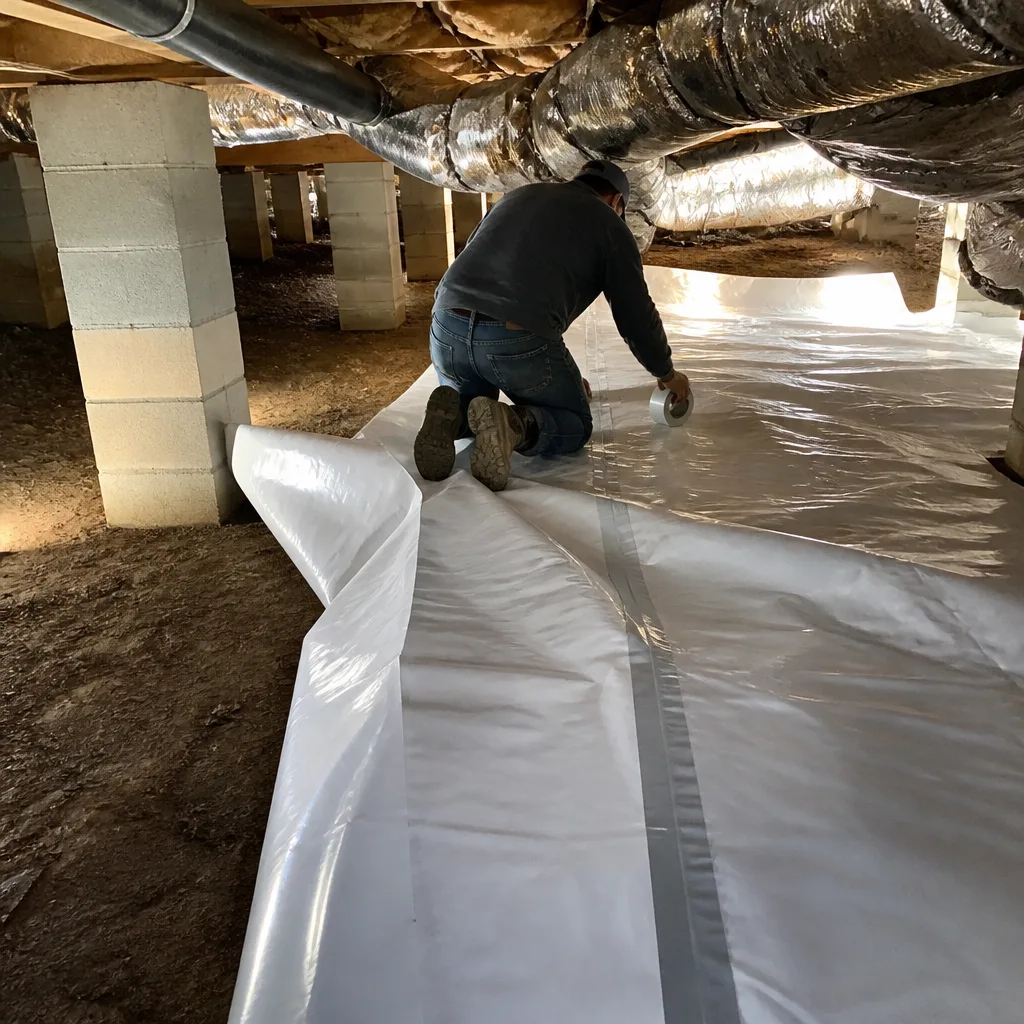
- Crawl space square footage and height. Most quotes are priced per square foot of ground area. A 900 sq ft footprint and an 1,800 sq ft footprint are not the same job. And a 36-inch clearance crawl is dramatically faster to work in than an 18-inch one – lower clearances add labor hours directly.
- Vented versus sealed foundation design. Georgetown’s older pier-and-beam homes in the Georgetown Historic District and in subdivisions built before the mid-1990s often have vented crawl spaces with multiple foundation vents. Blocking and sealing those vents (required when converting to a conditioned crawl) adds material and labor cost, typically $50-$150 per vent depending on vent size.
- Central Texas clay and limestone soil conditions. Williamson County sits on expansive clay soils that hold moisture differently than sandy Central Texas ground. After heavy rain events – Georgetown averages around 35 inches of rainfall per year – clay soils retain ground moisture longer, which means vapor pressure under a crawl floor stays elevated. That makes liner quality and seam integrity more important here than in drier parts of Texas, and it often means drainage matting earns its cost.
- Existing moisture damage or mold. If a crawl space has had a failing liner or no liner for years, wood framing near the ground sometimes shows early fungal staining. Encapsulation cannot go on top of active mold – remediation comes first, and that work is priced separately after we document what’s there. We photograph every square foot before we recommend anything.
- Rim joist condition and insulation. The rim joist – the perimeter framing that sits on top of your foundation wall – is one of the largest air and moisture entry points in a crawl space. Sealing it with two-part closed-cell spray foam (typically 2 inches thick, R-13) is a prerequisite for a properly conditioned crawl, not an optional extra. Rim joist foam alone on a standard Georgetown home runs $600-$1,800 depending on perimeter length and accessibility.
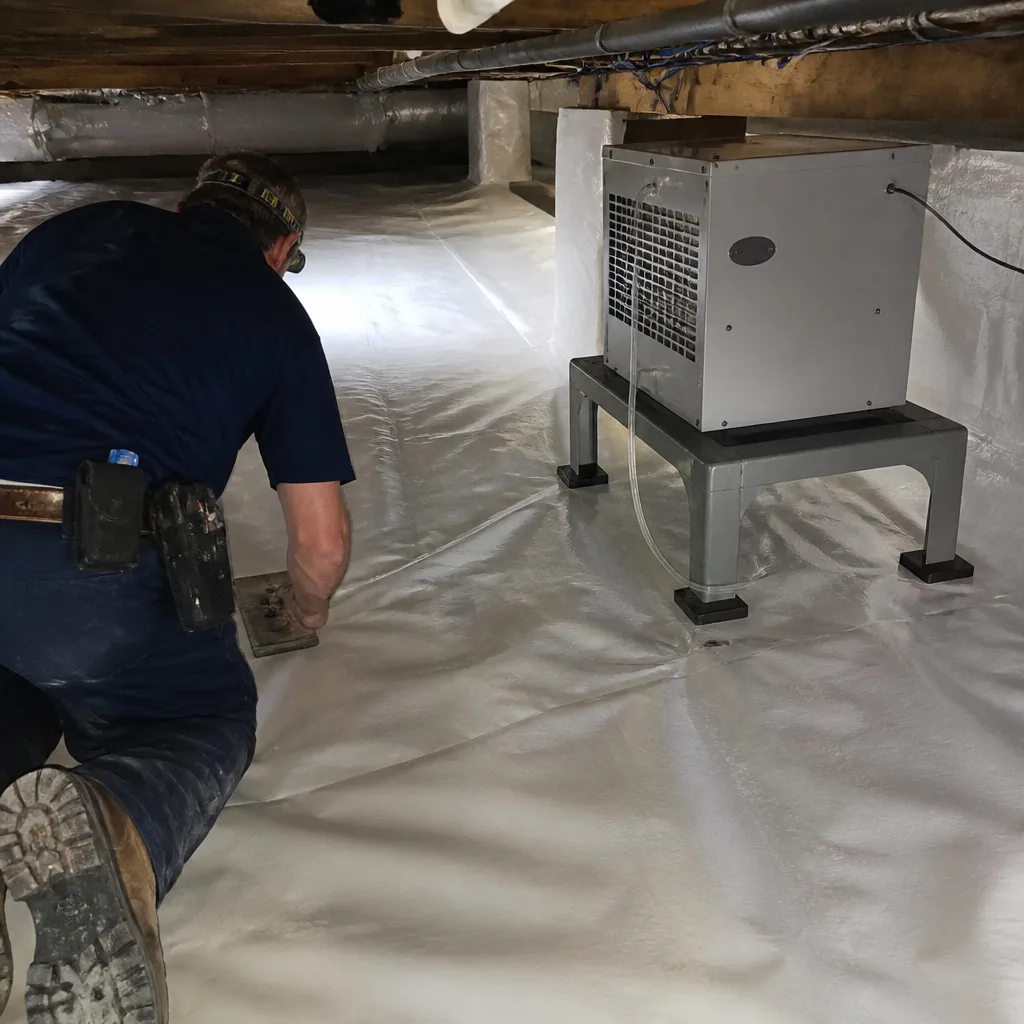
- Dehumidifier requirement. A fully sealed, unconditioned crawl space needs active dehumidification – sealing the space without removing moisture just concentrates it. If your HVAC system doesn’t supply conditioned air to the crawl, a crawl space dehumidifier (typically 70-90 pint capacity with a gravity drain) adds $1,200-$2,500 to the project, plus a condensate drain line.
One Georgetown-specific factor worth naming directly: the Sun City Texas and Teravista communities, both built on and around the limestone ridge north and northeast of the downtown square, have foundation wall profiles that are harder to attach liner to cleanly than poured concrete. We account for that in the quote rather than discover it on install day.
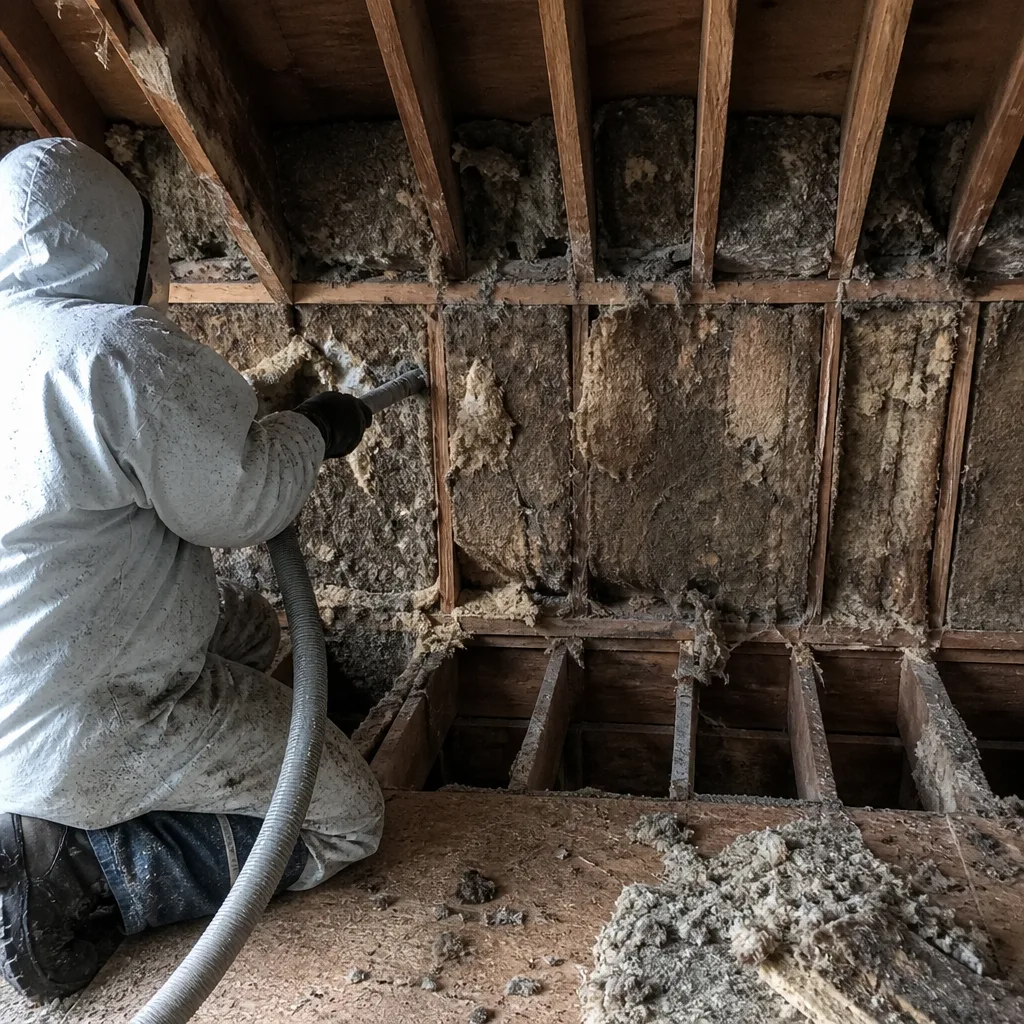 Before
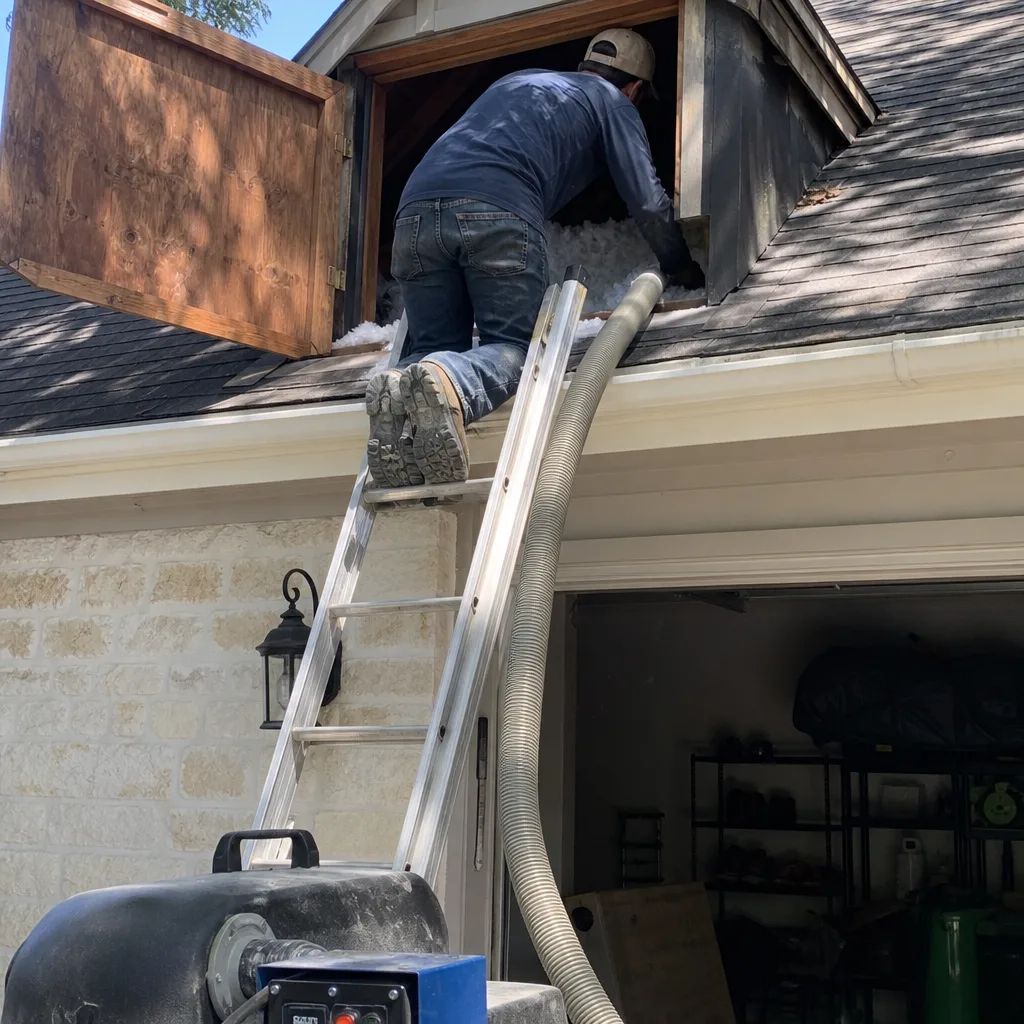 After
AfterVapor Barrier vs. Full Encapsulation: What’s the Actual Difference?
These two terms get used interchangeably online and by some contractors, but they describe different scopes of work at different price points.
A vapor barrier is a poly liner laid on the ground of the crawl space to reduce moisture evaporation from the soil into the crawl air. It’s the minimum intervention. Done right – taped seams, wall coverage up to the sill plate, properly fastened – it provides real protection. Done wrong, or done with thin material on rough substrate, it tears within a year and does almost nothing.
Full encapsulation treats the entire crawl space as a semi-conditioned building envelope: ground liner, wall liner, rim joist sealing, vent blocking, and a humidity management strategy (conditioned air supply or dehumidifier). The goal is to bring the crawl space’s temperature and humidity inside the building envelope so the space performs more like a basement than a dirt-floor void.
In Georgetown’s climate – humid subtropical, with muggy summers that push relative humidity above 80% for stretches between June and September – a basic vapor barrier alone frequently isn’t enough to keep wood-framed floor systems in healthy shape. We see a lot of homes in the 78628 and 78633 zip codes where an older vapor barrier either failed or was never sealed at the walls, and the floor joists above it have been absorbing ambient moisture for years.
For a Georgetown home staying long-term, full encapsulation typically earns back its premium cost in HVAC efficiency and avoided wood repair. For a home being prepared for sale where the inspection flag is just a missing or deteriorated liner, a properly installed upgraded vapor barrier may be the right call. We’ll tell you which one applies to your situation after we see the space – not before.
For more detail on the full scope of what a properly executed project includes, see our Crawl Space Encapsulation & Vapor Barrier in Georgetown service page, or visit our home to see the full building envelope service line.
How to Save on Crawl Space Encapsulation & Vapor Barrier in Georgetown
Crawl space work is one area where cost-cutting strategies genuinely exist, and some of them don’t sacrifice quality. Here’s what actually moves the number.
Get a written scope before you compare quotes
Three quotes that all say “full encapsulation” can differ by $3,000 and be describing completely different scopes of work. One includes drainage matting, one doesn’t. One specifies a 20-mil liner, one uses 6-mil. One seals the rim joist, one leaves it open. You can only compare prices accurately when the scope is identical on paper. Under Haven Standard Clause 1, every estimate from us is a written price with a written scope – you can line it up against any competitor quote and see exactly what’s different. We offer a free second opinion on any written estimate; bring us what you have and we’ll read it with you.
Address the moisture source, not just the symptom
If your crawl space gets water intrusion after heavy rain, encapsulating over the problem doesn’t fix the problem. Grading corrections, downspout extensions, and French drain work done before encapsulation can reduce the scope of the encapsulation itself. We’ll flag this in the inspection if we see it – it’s in no one’s interest to install a $6,000 liner that a drainage problem is going to compromise in two years.
Combine crawl space work with rim joist or floor insulation
If you’re already having the crawl space encapsulated and the crew is down there, adding rim joist sealing or floor joist insulation in the same mobilization cuts the per-job overhead. Crawl Space Insulation between joists (batts or blown-in) in an unconditioned crawl space runs $1.50-$3.00 per sq ft in Georgetown; done simultaneously with encapsulation, you save a second trip charge and often some labor overlap.
Check for utility rebates
Georgetown Utility Systems (GUS) and some programs through Oncor run rebate offers periodically for weatherization improvements. Crawl space encapsulation may qualify depending on the current program year. Check georgetowntexas.gov and Oncor’s energy efficiency page before you schedule – this isn’t something we manage on your behalf, but it’s worth the 15 minutes to verify before the work starts.
Don’t defer until there’s visible damage
This one saves money over time rather than on the invoice. Wood rot in a floor system from chronic moisture exposure costs $3,000-$15,000 to repair structurally, and that’s before you’ve paid for the encapsulation that should have gone in first. Georgetown homes built on pier-and-beam foundations in the historic core are especially susceptible. Early encapsulation is the cheaper option by a wide margin.
To get an exact number for your home, call us at (254) 970-2136 – a live person will answer, and we can schedule a free estimate at a time that actually works for you. No voicemail, no callback window.
What the Installation Process Looks Like
Knowing what you’re agreeing to before work starts is part of how we operate under the Haven Standard, so here’s a plain-language walkthrough of a typical Georgetown encapsulation job.
Step 1: Inspection and documentation
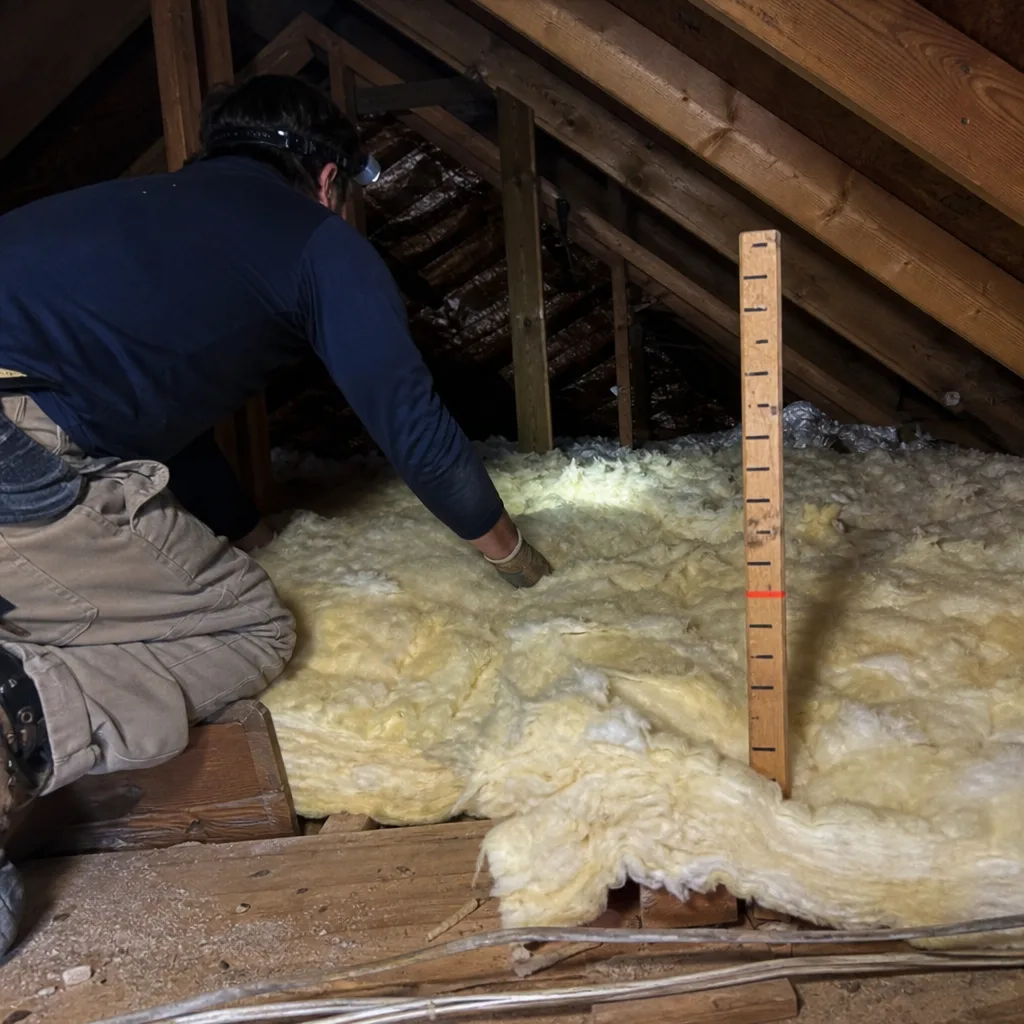
Before any pricing conversation, we go into the crawl space and photograph everything. Existing liner condition, wood framing, vent count and location, rim joist exposure, any standing water or moisture staining. You get a documented photo record of what we found. This isn’t a formality – it’s the basis for an accurate written price. Guessing scope from a crawl space hatch produces bad quotes.
Step 2: Written price and scope delivered
Based on what we found, we provide a flat written price covering the full scope of work. No line-item surprises added on install day. If remediation or structural repair is needed, that’s a separate written scope – we don’t bundle it in and spring it on you.
Step 3: Prep work – old liner removal, mold treatment if needed
If a prior liner exists, we pull and dispose of it. If there’s fungal staining on wood framing, we treat it before the liner goes in. This is non-negotiable – you cannot seal moisture and biological growth inside a new vapor barrier and expect good results.
Step 4: Liner installation
We lay the ground liner, overlap seams by at least 12 inches and tape them with poly-compatible tape rated for crawl space use. Wall coverage goes up to and overlaps the sill plate. Vents are sealed from the interior with rigid foam and spray foam at the edges. Rim joist foam is applied in two passes to reach target thickness.
Step 5: Dehumidifier or conditioned air supply connection (if applicable)
If the crawl is being conditioned via supply register, we verify airflow and seal around the register boot. If a dehumidifier is specified in the scope, it’s installed with a gravity drain routed to daylight or a condensate pump.
Step 6: Final documentation
Every job closes with a documented photo record of the completed work – liner in place, seams taped, rim joist sealed, vents blocked. You can see, from the photos, that the scope you paid for is what went in. This is included on every job, not available on request.
FAQs – Crawl Space Encapsulation & Vapor Barrier Cost in Georgetown
How much does crawl space encapsulation cost in Georgetown, TX in 2026?
Most Georgetown homeowners pay between $2,800 and $8,500 for crawl space encapsulation, with the typical full encapsulation project (liner, rim joist sealing, vent sealing) on a standard-size Georgetown home running $4,500-$6,500. The final number depends on square footage, crawl height, whether drainage matting is needed, and whether any mold remediation or old liner removal is required. A basic vapor barrier only – without wall coverage or vent sealing – runs $1,200-$2,800. Call (254) 970-2136 for a free estimate with a written price specific to your home.
Is crawl space encapsulation worth the cost in Georgetown’s climate?
Yes, and the Georgetown climate makes the case better than most markets. Williamson County sees sustained humidity above 75% relative humidity through most of summer, and clay soil retains ground moisture well after rain. Unsealed or poorly sealed crawl spaces routinely produce floor systems with elevated moisture content in wood framing, which leads to structural softening over years. Full encapsulation typically reduces floor-level temperature variation, lowers HVAC runtime by keeping conditioned air from being diluted by crawl air, and eliminates the musty odor that migrates up through subfloor gaps. For a home you’re planning to stay in, the math usually works in favor of encapsulation over deferred maintenance and eventual wood repair.
How long does crawl space encapsulation last?
A properly installed heavy-duty liner (20-mil reinforced poly) with taped seams and wall coverage should last 20-25 years under normal crawl space conditions. Thin 6-mil liners used by lower-bid contractors often show tears and seam failures within 3-7 years, especially in crawl spaces with irregular limestone or rock substrate like many Georgetown foundations have. The liner grade we specify is listed in your written scope before work starts, so you know exactly what’s going in – not what seemed reasonable in the moment.
Do I need a dehumidifier with crawl space encapsulation?
Not always, but sometimes. If your HVAC system has a supply register that feeds conditioned air into the crawl space, the crawl humidity is managed as part of your home’s conditioned envelope – no separate dehumidifier is needed in most cases. If the crawl is fully sealed but receives no conditioned air, a dehumidifier is required; sealing without humidity management just concentrates the moisture that enters through the liner seams and wall edges. We specify this in the written scope and explain which approach is correct for your home’s HVAC configuration. A crawl space dehumidifier adds $1,200-$2,500 to a Georgetown project if needed.
What’s the difference between a vapor barrier and full encapsulation – and does the price difference matter?
A vapor barrier is a ground liner only – poly sheeting on the dirt floor to slow moisture evaporation from the soil. Full encapsulation adds wall liner coverage, rim joist sealing, foundation vent sealing, and a humidity management plan. The price difference is typically $1,500-$4,000 depending on crawl size. In Georgetown’s climate, that price difference matters: a ground-only vapor barrier leaves the rim joist and wall surfaces exposed to crawl air humidity, which means the framing above the liner continues to absorb moisture seasonally. For homes in the 78628 and 78633 zip codes that see sustained summer humidity, the liner-only approach often falls short of what’s needed to protect floor framing long-term. Call (254) 970-2136 and we’ll tell you, after seeing your crawl space, which scope your home actually needs.
Key Takeaways
- Crawl space encapsulation in Georgetown, TX runs $2,800-$8,500; most standard homes land in the $4,500-$6,500 range for full encapsulation.
- A vapor barrier alone costs $1,200-$2,800 but is not a substitute for full encapsulation in most Georgetown homes with vented crawl spaces.
- Georgetown’s clay soil, limestone foundation walls, and humid summers make liner quality and seam integrity more important here than in drier Texas markets.
- Dehumidifiers add $1,200-$2,500 and are required when the crawl space is fully sealed but not connected to conditioned house air.
- Under the Haven Standard, you get a written price before any work starts and a documented photo record when we leave – no exceptions.
- Mold remediation must happen before encapsulation, not after. If we find it, we document it and price it as a separate written scope.
- Combining rim joist sealing and floor insulation with crawl space encapsulation in one mobilization saves on overhead versus scheduling them separately.
Schedule a Free Estimate with a Written Price
Envelope Insulation Co. – operating as Topside Attic Insulation Georgetown under The Haven Standard since 2016 – has completed work on more than 9,000 homes across the region, every one with a written price before the first tool came off the truck and a documented photo record when the crew left. Wes Okafor leads our team and has reviewed the crawl space conditions common to Georgetown’s pier-and-beam and slab-adjacent homes across subdivisions from Sun City to Georgetown’s historic neighborhoods.
If you have a written estimate from another contractor, bring it. We’ll read it with you, line by line, at no charge – that’s our Free Second Opinion offer, and it stands on any written estimate you’ve received.
Call (254) 970-2136 to schedule a free estimate. A live person answers – no voicemail, no callback windows. We’ll come out, photograph the crawl space, and hand you a written price with a full scope before we leave. That’s what a Haven Standard estimate looks like.
Written by Wes Okafor, Owner at Topside Attic Insulation Georgetown, serving Georgetown, TX and Williamson County since 2016. Pricing reflects the Georgetown market as of 2026. Topside Attic Insulation Georgetown offers free estimates – call (254) 970-2136.
What Our Customers Say
"Fixed price, clean work, and they hauled the old material away as agreed."
- Todd M."They air-sealed the attic floor before insulating and showed me the blower-door number before and after. The upstairs is finally the same temperature as downstairs."
- Marisol D."They photographed rodent damage in the old insulation that we had no idea about, and priced the exclusion work separately so we could decide."
- Harriet N.