
Last updated September 24, 2026
Insulation Cost Breakdown: The Georgetown Homeowner’s Reference for 2026
We’ve audited insulation quotes across Georgetown, from the historic homes near Southwestern University to the newer builds in Sun City and Teravista, and the pattern is consistent: two quotes for the same attic, same R-value target, same square footage, can differ by $1,800 or more with no visible difference in scope. The lower number almost never includes air sealing. The higher number rarely explains what you’re paying for. Most homeowners in Georgetown choose the smaller figure, then call us two years later when their energy bills haven’t moved and their attic has become a moisture trap. This guide breaks down what a Georgetown insulation job actually costs, component by component, so you can read any quote like a technician would. For Insulation Warning Signs: A Georgetown Homeowner’s Reference Guide, see our companion resource.
Quick Answer
A complete attic insulation job for a typical 1,800 square foot Georgetown home in 2026 runs $3,200-$5,800 when air sealing, testing, and documentation are included in scope. The same attic insulated without air sealing typically quotes at $2,100-$3,400 but produces little measurable energy savings and can void manufacturer warranties on blown-in fiberglass. The difference between a quote you can audit and one you can’t is usually $800-$1,400 in labor and materials that never appear on the page.
Table of Contents
- How a Georgetown Insulation Quote Is Actually Built
- The Air Sealing Cost Difference: What You’re Really Comparing
- Three Variables That Move Georgetown Prices
- The 2026 Rebate Landscape: Georgetown-Area Utilities
- What Post-Job Documentation Is Worth in Hard Dollars
- Material Costs in 2026: What We Pay and What You Should See
- Common Mistakes to Avoid
- When to Call a Professional
- Frequently Asked Questions
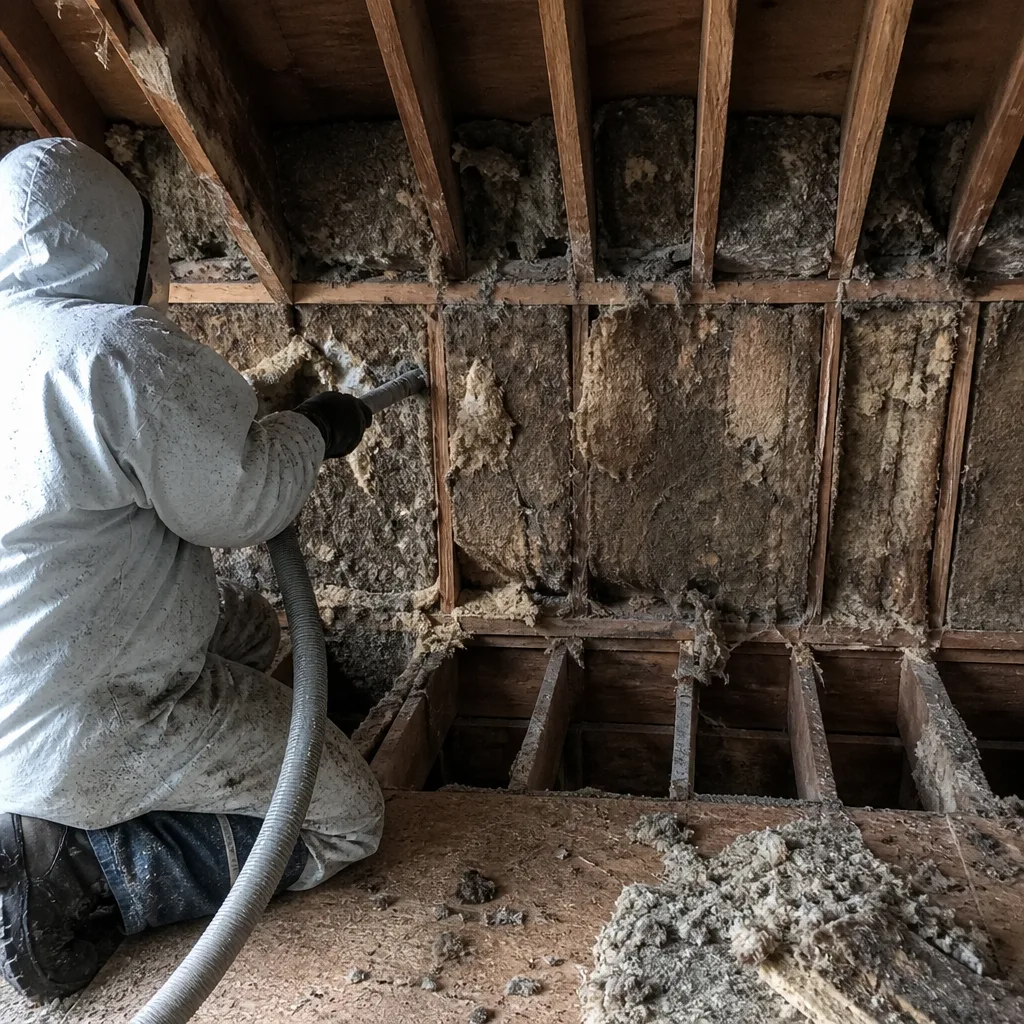 Before
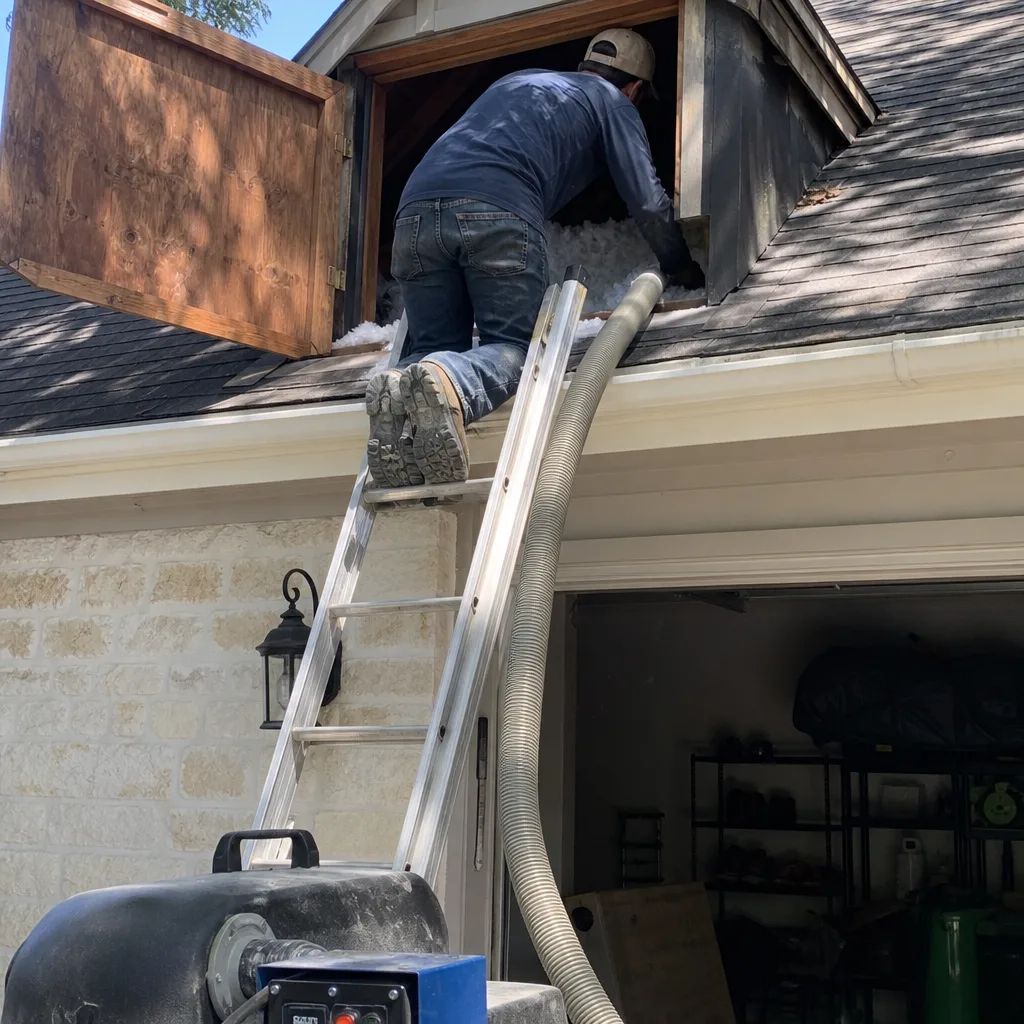 After
AfterHow a Georgetown Insulation Quote Is Actually Built
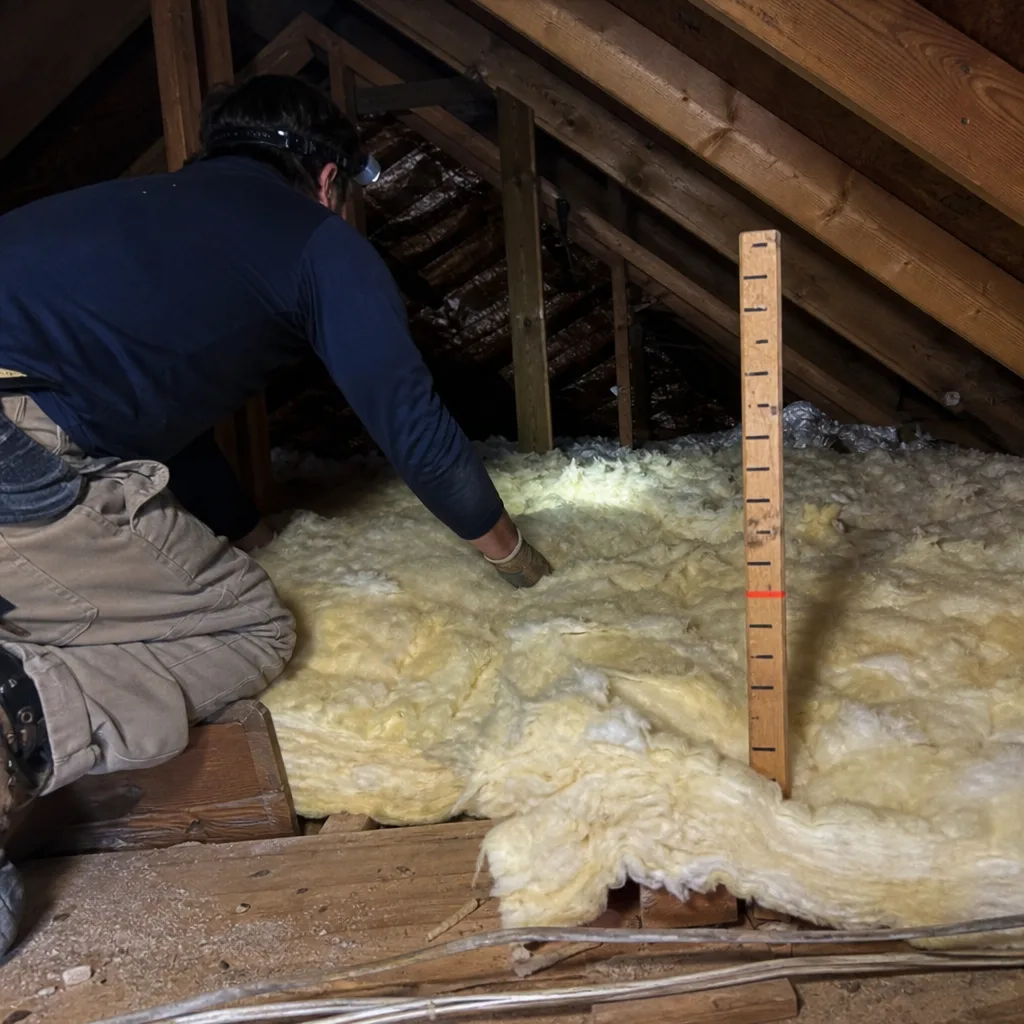
Every insulation quote is a sum of discrete costs. When a Georgetown contractor hands you a single number, those costs still exist; they’re just hidden. Here’s what we itemize on every written scope under Haven Standard Clause 1, and what you should demand to see on any quote you consider.
The Component Breakdown: 1,800 Sq Ft Georgetown Attic
These figures reflect our actual material costs and labor rates for Georgetown jobs in early 2026. Prices move with fuel surcharges and resin markets, but the ratios stay consistent.
| Component | Quantity / Hours | Unit Cost | Line Total |
|---|---|---|---|
| Blown-in fiberglass (Owens Corning AttiCat or equivalent) | 45 bags for R-38 | $32-$38/bag | $1,440-$1,710 |
| Air sealing: one-part foam, fire-rated caulk, mastic | 18-24 linear ft of top plates, 8-12 can lights, miscellaneous penetrations | $180-$260 in materials | $180-$260 |
| Labor: insulation install | 4-5 hours | $75-$95/hour | $300-$475 |
| Labor: air sealing (pre-insulation) | 3-4 hours | $85-$105/hour | $255-$420 |
| Equipment: blower machine, hoses, PPE | 1 day rental or amortized ownership | $120-$180 | $120-$180 |
| Blower-door test (before and after) | 2 readings, 45 min setup each | $150-$220 | $150-$220 |
| Documented Photo Record | 30-50 images, geotagged | Included in labor | $0 (labor absorbed) |
| Total with air sealing and testing | $2,445-$3,265 base | ||
| With markup, overhead, warranty reserve | $3,200-$5,800 typical |
The $3,200-$5,800 range accounts for accessibility variations we’ll cover in the next section. A quote below $2,800 for this scope in Georgetown is either subsidized by a utility rebate (which should be stated), omitting air sealing, or using lower-density material at reduced coverage.
What we see in Georgetown specifically: homes built between 1995 and 2010, common in the neighborhoods north of I-35 and west of Austin Avenue, often have blown-in fiberglass installed to R-19 or R-22 at original construction. That material has settled to 60-70 percent of labeled thickness. We don’t quote over it without removal or at minimum a density assessment. A contractor who adds new insulation on top without checking what’s there is quoting you for a job that will perform at half its rated value.
The Attic Insulation in Georgetown page details our full process, including how we handle existing material assessment.
The Air Sealing Cost Difference: What You’re Really Comparing
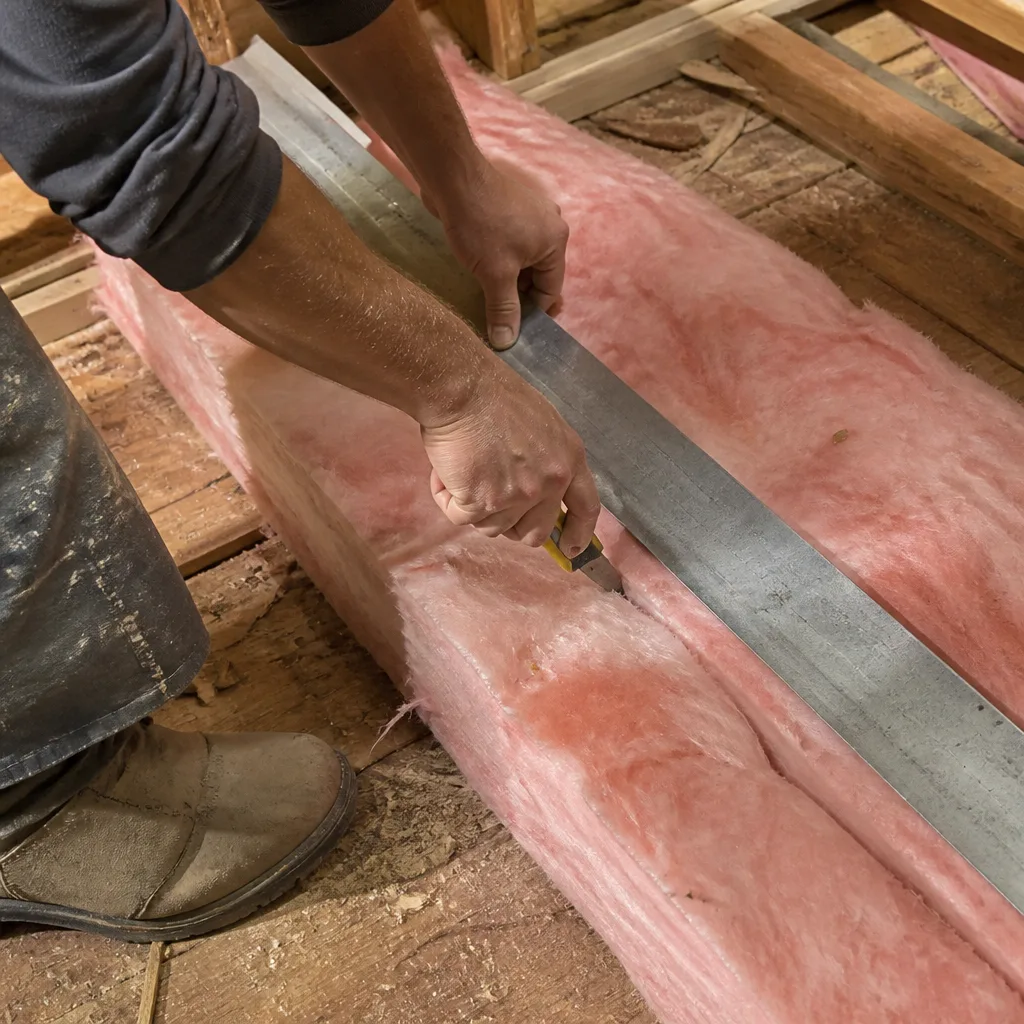
Air sealing is the work that happens before insulation touches your attic floor. It addresses the building envelope leaks that allow conditioned air to escape and unconditioned attic air to enter. Without it, insulation is a filter that air passes through, not a barrier that stops it.
What Air Sealing Actually Includes in Georgetown
- Top plate sealing: The horizontal framing member where exterior walls meet the ceiling drywall - typically the largest leak path in a Georgetown home of 1990s-2000s construction, with gaps of 1/8 to 1/2 inch along entire wall perimeters.
- Can light enclosures or sealing: IC-rated fixtures get sealed with fire-rated caulk; non-IC fixtures require protective enclosures or replacement before insulation contact.
- Penetration sealing: Plumbing vents, electrical chases, chimney saddles, exhaust fan housings - each a documented leak path in our blower-door report.
- Duct boot sealing: Where flex duct enters the ceiling, a gap often hidden by the finish ring.
The cost of this work, priced separately, runs $600-$1,100 on a typical Georgetown attic. When bundled into a full-scope quote, it’s often partially absorbed into labor rates. When omitted, the insulation-only quote drops by that amount, and the homeowner saves nothing.
The Utility Math: When Air Sealing Pays Back
Georgetown homes fall under TXU Energy, Oncor, or Pedernales Electric Cooperative territory depending on precise address; see Insulation Permits, Codes & Inspections in TX: What You Need to Know for regulatory details. All three track cooling degree days heavily. An unsealed attic in Georgetown’s climate, with 95+ degree days from May through September and humidity that peaks in August, loses 25-40 percent of conditioned air through envelope leaks before it ever reaches the living space.
Our measured results: a 2,100 CFM50 reduction on a typical Georgetown home (from 4,200 to 2,100, a common outcome) reduces HVAC runtime by 18-25 percent in summer months. At Georgetown’s average residential electric rate of $0.14-$0.17/kWh in 2026, that’s $340-$580 annual savings on a home with $1,800-$2,200 annual cooling costs. The air sealing premium pays back in 18-30 months. The insulation-only job, by contrast, typically produces 5-8 percent runtime reduction because the leaks remain.
We publish before-and-after blower-door numbers on every applicable job so homeowners can verify this themselves. A 2024 job in the Georgetown Village area: 4,680 CFM50 pre-sealing, 2,340 post-sealing, with a corresponding summer bill reduction of $127/month July-September.
Three Variables That Move Georgetown Prices
Three structural factors explain most of the $3,200-$5,800 spread on identical square footage. A quote should specify which apply to your home.
1. Attic Accessibility: Low-Slope vs. Steep-Pitch
Georgetown’s building stock includes 4/12 pitch ranches common in pre-2000 construction and 8/12+ pitches in newer developments like Rancho Sienna and Paloma Lake. Steep pitches require roof jacks, harnessed work positioning, and slower material handling. Labor hours increase 30-50 percent. On an 1,800 sq ft attic, that’s $200-$400 additional labor. Low-slope attics carry their own cost: limited headroom means crawling work, slower progress, and higher heat stress in summer months, which we schedule around.
2. Existing Insulation Removal
Insulation removal adds $1.20-$1.80 per square foot in Georgetown, or $2,160-$3,240 for 1,800 sq ft. We recommend removal when existing material is below 50 percent of original thickness, contaminated by rodent activity, or wet from prior roof leaks. In the older neighborhoods near downtown Georgetown, we’ve removed original cellulose from the 1970s that had compacted to R-8 equivalent. A contractor who blows over this material without disclosure is quoting a job that will not perform to labeled R-value.
The Topside Attic Insulation Georgetown home page includes our assessment criteria for removal vs. overlay decisions.
3. HVAC Equipment Obstruction
Georgetown’s slab-on-grade construction with attic-mounted air handlers, common from the 1980s forward, places equipment in the middle of the attic floor. Working around a Trane or Carrier air handler, with associated plenums and refrigerant lines, adds 1-2 labor hours and often requires temporary platform construction to protect equipment during work. This adds $150-$300. More significantly, it limits access to the attic floor beneath and around the unit, which may be the most critical air sealing zone. A quote that doesn’t note equipment obstruction is likely assuming clear access that doesn’t exist.
The 2026 Rebate Landscape: Georgetown-Area Utilities
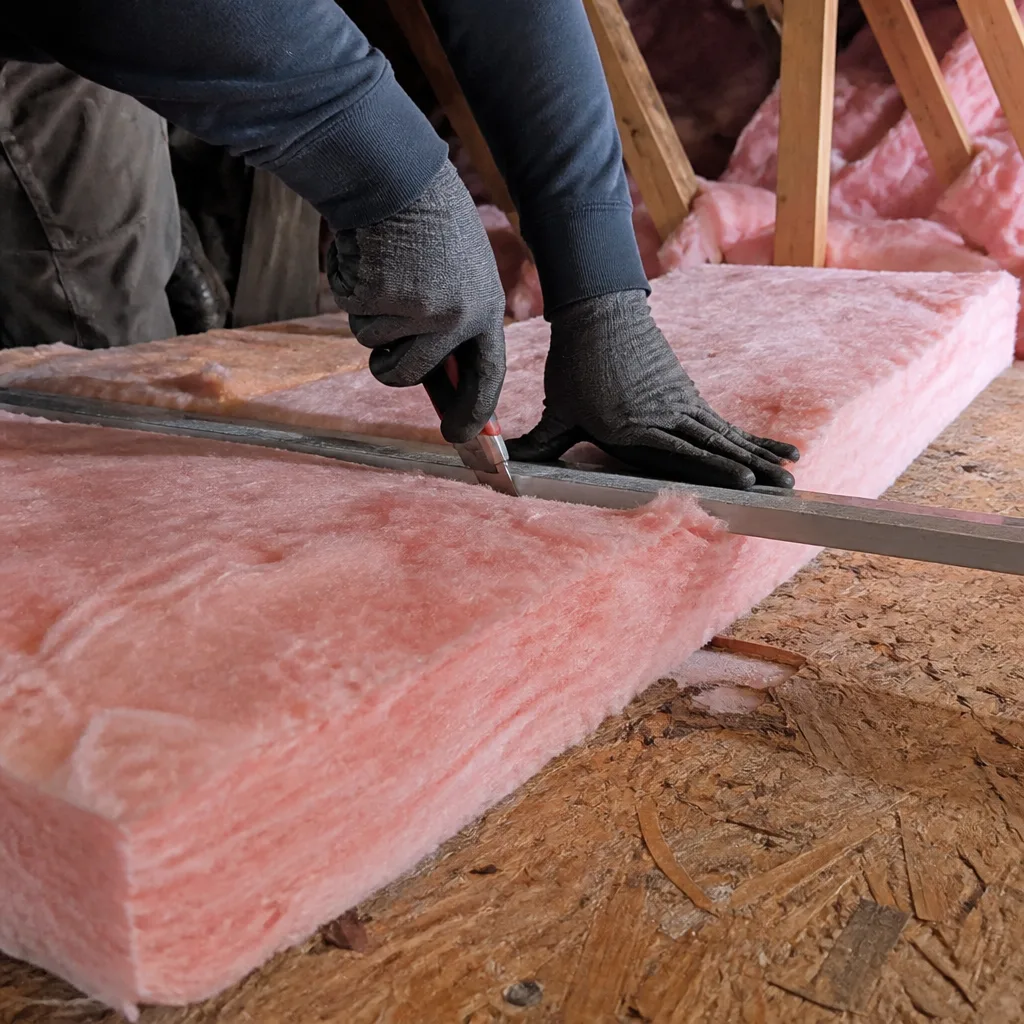
Utility rebates for insulation work in Georgetown have tightened documentation requirements in 2026. The money is still available, but the contractor’s paperwork determines whether you collect it.
Current Programs and Requirements
| Utility / Program | Rebate Amount | Documentation Required | Net Cost Impact (Typical Job) |
|---|---|---|---|
| Oncor Energy Efficiency Program | $0.15-$0.25/sq ft for attic insulation + air sealing | Pre- and post-installation photos; contractor invoice itemizing R-value and air sealing scope; W-9 from contractor | $270-$450 reduction on 1,800 sq ft |
| Pedernales Electric Cooperative (PEC) Home Efficiency Program | Up to $500 for comprehensive envelope improvements | Energy audit report (blower-door required); itemized invoice; proof of payment | $500 reduction if fully qualified |
| TXU Energy Marketplace (third-party rebates) | Variable; typically $200-$400 for insulation | Product data sheets; installation photos; contractor license verification | $200-$400 reduction |
| Federal Energy Efficient Home Improvement Credit (25C) | 30% of cost, up to $1,200 annual cap | IRS Form 5695; manufacturer certification statement; itemized invoice | $960-$1,200 reduction at typical job cost |
The critical detail: rebates require documentation that many contractors do not produce. A photo of the completed attic is not sufficient. Oncor’s 2026 requirements include pre-installation images showing existing conditions, post-installation images showing coverage depth and density, and product data sheets specifying thermal performance. We provide this as standard on every job. A contractor who does not mention rebate documentation in their scope is either unaware of current requirements or assuming you will not claim them.
The 25C federal credit, renewed and modified under the Inflation Reduction Act continuation, applies to insulation materials and air sealing but not to labor in most interpretations. We itemize materials separately on invoice to support your tax preparer’s work. The credit is claimed on your return, not at point of sale, so any contractor advertising “instant rebate” or “we handle the tax credit” is misrepresenting the mechanism.
What Post-Job Documentation Is Worth in Hard Dollars
Documentation is not a marketing extra. In Georgetown’s market, it has specific, quantifiable value at two points: rebate claim and resale.
Rebate Eligibility Value
As noted above, $470-$1,700 in available rebates depend on documentation that must be produced by the contractor. If your contractor delivers only a final invoice with a single line item, you forfeit this value. Our Documented Photo Record, included on every job, contains 30-50 geotagged images, product data sheets, and the written scope you signed before work began. This is the package that rebate processors accept.
Resale Value in Georgetown’s Market
Georgetown’s home sale volume has increased 12 percent year-over-year in 2025-2026, with significant buyer migration from Austin seeking relative value. In this market, documented energy improvements differentiate listings. A 2023 study by the National Association of Realtors found that homes with documented energy efficiency improvements sold for 2.7 percent more than comparable homes without. On Georgetown’s median home price of $385,000, that’s $10,395. The specific documents that produce this premium are: blower-door test results showing CFM50 before and after; insulation product data sheets with installed R-value; and contractor invoice with scope and warranty.
We deliver all three. The cost to produce them, absorbed in our standard pricing, is approximately $180-$240 in labor and software per job. A competitor who omits documentation is not saving you money; they’re transferring $10,000 in potential resale premium to their own margin.
The Crawl Space Encapsulation & Vapor Barrier in Georgetown page covers similar documentation requirements for below-grade work.
Material Costs in 2026: What We Pay and What You Should See
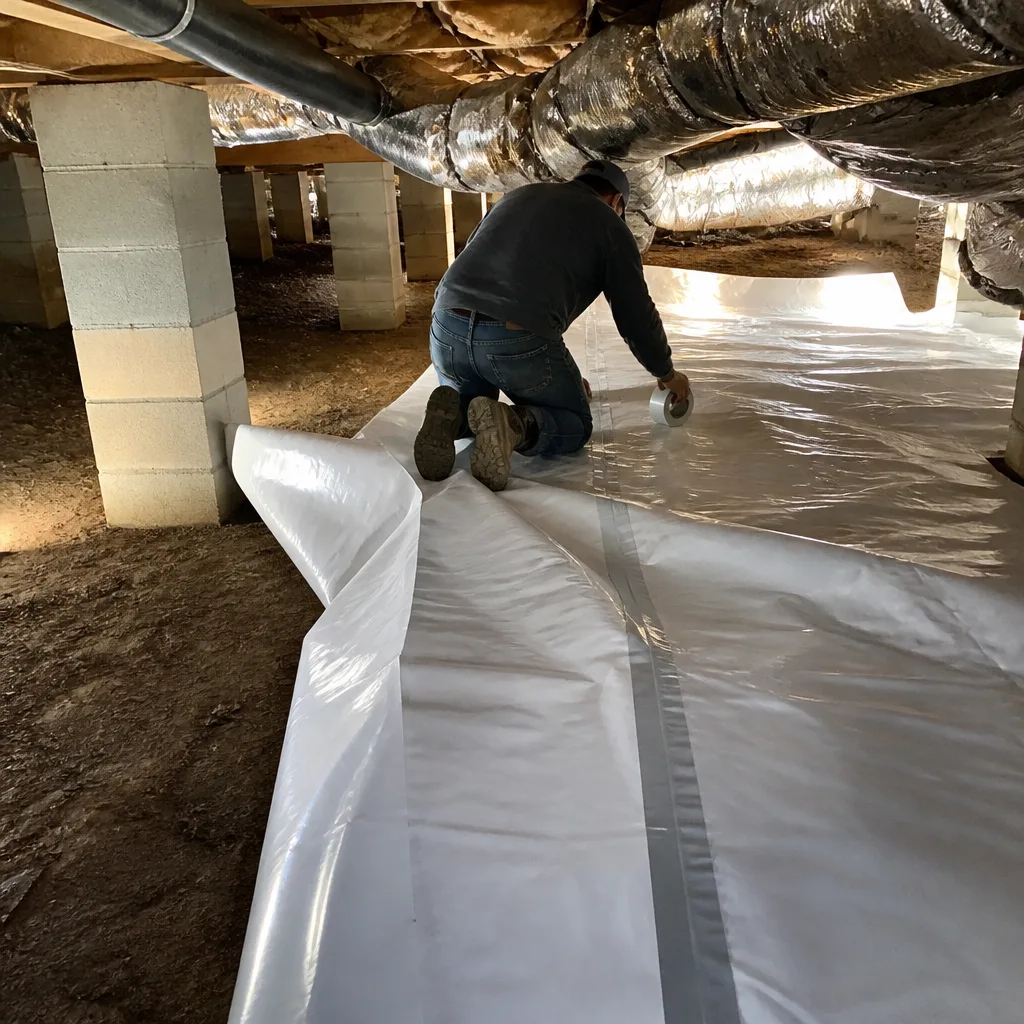
Insulation material costs moved significantly in 2024-2025 due to resin supply constraints and fuel surcharges on freight. Georgetown’s distance from major distribution hubs (Dallas-Fort Worth, Houston) adds a freight premium not present in Austin or San Antonio markets. Here’s what we pay and what you should expect to see reflected in quotes.
Blown-In Fiberglass
Owens Corning AttiCat pink fiberglass, our most common specification for Georgetown attics, runs $32-$38 per bag in 2026, up from $26-$30 in 2022. A 1,800 sq ft attic to R-38 requires 42-48 bags depending on joist spacing and obstructions. Material-only cost: $1,344-$1,824. We also specify Johns Manville Climate Pro in some applications, priced comparably. GreenFiber cellulose, a recycled-content alternative, runs $28-$34 per bag but requires 15-20 percent more bags for equivalent R-value due to settling characteristics.
Spray Foam
Closed-cell spray foam, specified for rim joists, cathedral ceilings, and some attic applications in Georgetown’s humid climate, is priced by board foot (12″ x 12″ x 1″). 2026 pricing for Icynene or Demilec open-cell: $0.55-$0.75/board foot installed. Closed-cell, higher density and moisture-resistant: $1.10-$1.45/board foot. A typical Georgetown rim joist treatment (1,200 board feet) runs $660-$870 in open-cell, $1,320-$1,740 in closed-cell. The Spray Foam Insulation in Georgetown page details application-specific pricing.
Air Sealing Materials
One-component polyurethane foam (Gun Foam, Touch ‘n Seal): $8-$12 per 24 oz can, 4-6 cans typical per job. Fire-rated intumescent caulk (3M, Hilti): $18-$28 per 10.1 oz tube, 3-4 tubes typical. Duct mastic (water-based, fiber-reinforced): $35-$50 per gallon, 1 gallon typical. Total air sealing materials: $180-$260 as shown in the component table above.
Why Material Brand Matters for Documentation
Rebate programs and warranty claims require manufacturer certification statements. We source from Owens Corning, Johns Manville, Knauf, Rockwool, CertainTeed, Icynene, Demilec, and GreenFiber specifically because their documentation packages meet program requirements. A contractor using proprietary or unbranded material may deliver equivalent performance but cannot produce the certification statements that unlock rebates.
Common Mistakes to Avoid
- Accepting a single-line quote. A quote that shows only “Attic Insulation – $3,500” conceals whether air sealing is included, what R-value is targeted, and what material is specified. Demand itemization.
- Assuming R-value is R-value. R-38 blown fiberglass at proper density performs differently than R-38 at installer-compressed density. The quote should specify coverage bags per square foot, not just final R-value.
- Ignoring the existing insulation condition. In Georgetown’s older neighborhoods, we’ve found vermiculite (possible asbestos content) and rodent-compacted cellulose that must be removed. A contractor who doesn’t inspect what’s there is not quoting the real job.
- Scheduling during peak summer without contingency. Georgetown attic temperatures exceed 140°F in July and August. Work slows, crews dehydrate, and quality drops. A contractor who doesn’t discuss scheduling tradeoffs is prioritizing their backlog over your result.
- Overlooking the HVAC impact. Adding insulation without addressing duct leakage in the attic can increase static pressure and reduce system efficiency. A complete scope includes duct boot sealing and often recommends a separate duct blaster test.
- Paying for “premium” without specification. Terms like “premium insulation” or “maximum efficiency package” have no technical meaning. The quote should state material brand, product line, and installed density or thickness.
When to Call a Professional
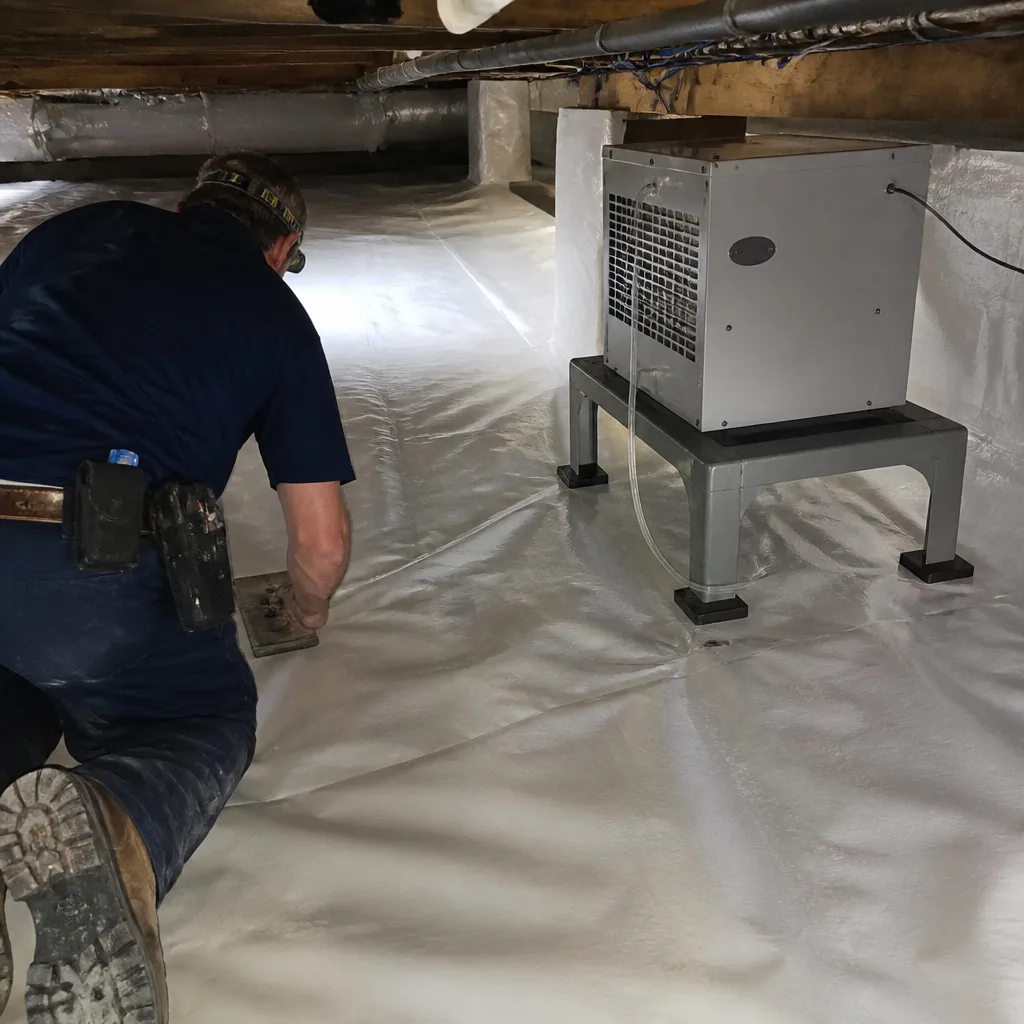
Call for assessment before you see energy bills spike, not after. Specific triggers: rooms that won’t hold temperature despite HVAC running continuously; visible insulation settlement below joist tops; moisture stains on ceiling drywall; or any rodent activity in the attic. In Georgetown’s climate, these conditions worsen faster than in drier regions because humidity accelerates compression and microbial growth.
Topside Attic Insulation Georgetown offers free estimates in Georgetown - call (254) 970-2136. Every estimate includes a written scope and written price before any work starts, per Haven Standard Clause 1. We also provide a Free Second Opinion on any written estimate from another contractor; bring us their scope and we’ll read it with you, line by line.
Frequently Asked Questions
A complete attic insulation job for a typical 1,800 square foot Georgetown home runs $3,200-$5,800 including air sealing, blower-door testing, and documentation. Insulation-only quotes without air sealing typically range $2,100-$3,400 but produce minimal measurable energy savings. Call (254) 970-2136 for a written estimate on your specific home - estimates are free.
Overlaying existing insulation is cheaper upfront, typically $800-$1,200 less than removal and replacement, but only appropriate when existing material is dry, uncompressed, and uncontaminated. In Georgetown’s older homes, we find that 60 percent of existing insulation has settled below 70 percent of original thickness or shows rodent activity, making removal the cost-effective long-term choice. We assess this during our free estimate and document the condition with photos you can review.
A standard 1,800 square foot attic with air sealing takes one full day: 3-4 hours for air sealing, 4-5 hours for insulation installation, plus blower-door testing before and after. Removal adds a second day. Weather delays are rare for attic work but we avoid scheduling during Georgetown’s peak heat (July-August) when attic temperatures exceed safe working thresholds; our Seasonal Insulation Care for Georgetown: Year-Round Homeowner’s Guide explains timing strategies in detail.
Yes. Oncor offers $0.15-$0.25 per square foot for attic insulation plus air sealing; Pedernales Electric Cooperative offers up to $500 for comprehensive envelope improvements; and the federal 25C credit provides 30 percent of material costs up to $1,200 annually. All require specific documentation that we provide as standard. A contractor who does not mention rebate paperwork in their scope is likely not producing it.
Spray foam costs 2-3 times more per R-value than blown-in fiberglass or cellulose for attic floor applications, which is why we typically specify blown-in for flat attics and reserve spray foam for rim joists, cathedral ceilings, and specialized applications. A full spray foam attic in Georgetown runs $6,500-$12,000 depending on thickness and accessibility. The Spray Foam Insulation in Georgetown page breaks down application-specific pricing.
You should receive: a final invoice itemizing materials, labor, and testing; product data sheets for all insulation installed; before-and-after photos of the work area; and, on jobs where air sealing was performed, blower-door test results showing CFM50 before and after. We provide all of these on every job. This documentation is required for rebate claims and adds measurable resale value - documented energy improvements correlate with 2.7 percent higher sale prices in comparable markets.
The Bottom Line
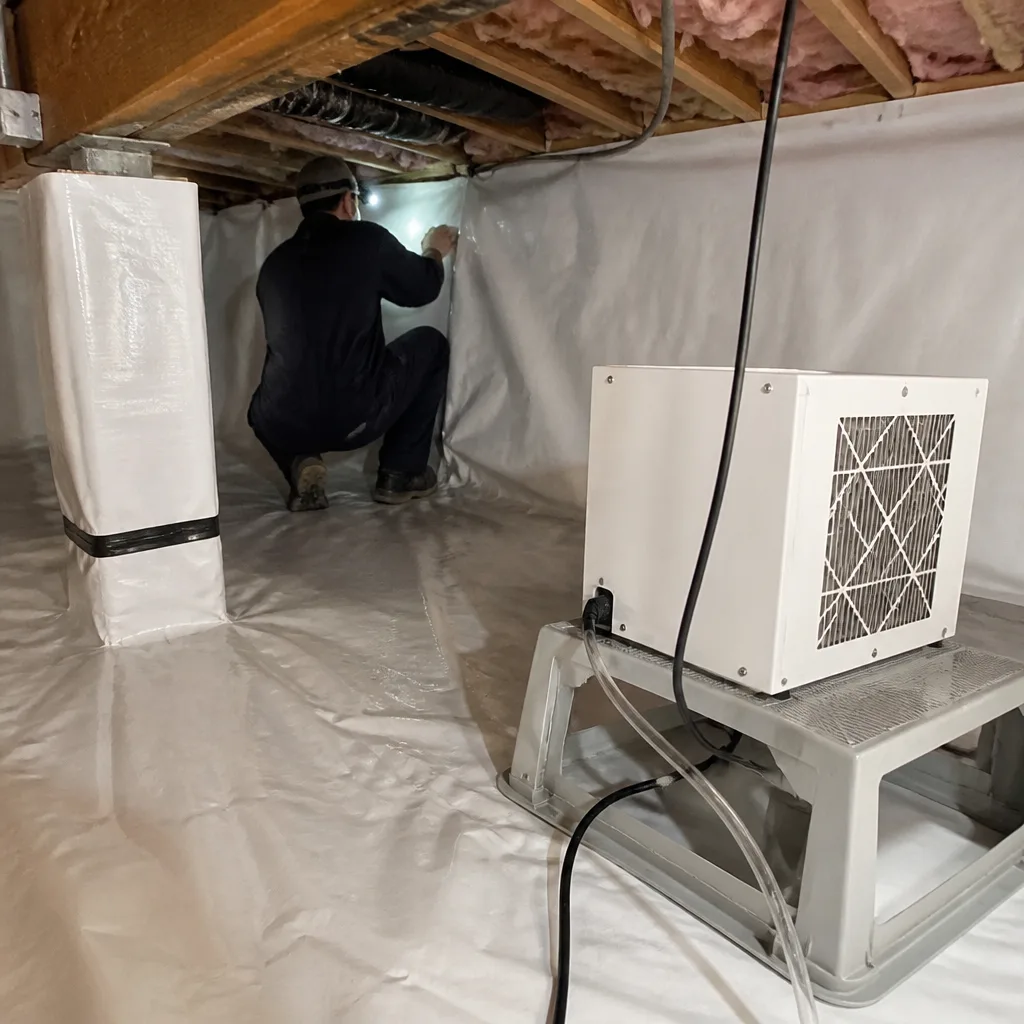
Georgetown insulation quotes vary because they measure different things. A quote you can audit - one that itemizes materials, labor, air sealing, testing, and documentation - lets you compare real scope against real scope. The $1,000-$1,800 premium for proper air sealing and testing pays back in 18-30 months through reduced HVAC runtime in Georgetown’s climate, protects your rebate eligibility, and builds resale value you can document. The alternative is a lower number that buys you a bag count and a hope.
We’ve sealed and insulated over 9,000 homes since 2016, every one with a written price before work started and a documented record when the crew left. Under our 365-Day Done Right Promise, if it’s not done right, we make it right. That promise is backed by a written scope and written warranty delivered before anyone lifts a tool.
Call (254) 970-2136 for a free estimate in Georgetown. We’ll provide a written scope you can compare against any other quote, and a Free Second Opinion if you’ve already received one. Explore more guides & resources to prepare for your estimate.
Written by Wes Okafor, Owner at Topside Attic Insulation Georgetown, serving Georgetown since 2016.