

Fast, Reliable Spray Foam Insulation Across Georgetown
Most spray foam insulation jobs in Georgetown run between $2,800 and $7,500 depending on whether you’re treating a roof deck, rim joist, or full attic envelope, and our crews typically complete the work in one to two days. We dispatch from our Austin office and keep dedicated material stock for Williamson County jobs, so we’re not waiting on foam delivery while your attic sits open. If you’re in Sun City Texas off Del Webb Boulevard, in a Wolf Ranch build near Ronald Reagan Boulevard, or in one of the older ranch homes along Williams Drive, we’ve likely already worked on a house with your exact floor plan and insulation condition. Call (254) 970-2136 for a written price before any work starts - that’s Haven Standard Clause 1, no exceptions.
Why Topside Attic Insulation Georgetown Is Georgetown’s Preferred Spray Foam Insulation Company
We’ve sealed and insulated over 9,000 homes since 2016, and a significant cluster of that work is right here in Georgetown - particularly in Sun City Texas, where the HOA restrictions and aging 1995-2010s housing stock create a specialized retrofit market you won’t find at this scale in Round Rock or Cedar Park. Our reviews from Georgetown homeowners consistently cite the before-and-after blower-door numbers we publish on every job - a pressurization reading that shows, in one figure, how much conditioned air the home was losing before and after the work. We answer calls with a live person 24/7, and our response time to Georgetown neighborhoods is typically same-day or next-day for estimates, with most spray foam jobs scheduled within a week of written approval. We know the local building department’s expectations for insulation permits in Williamson County, and we understand which rim-joist and roof-deck approaches keep Sun City Texas homeowners compliant with their HOA guidelines.
Our Spray Foam Insulation Services in Georgetown
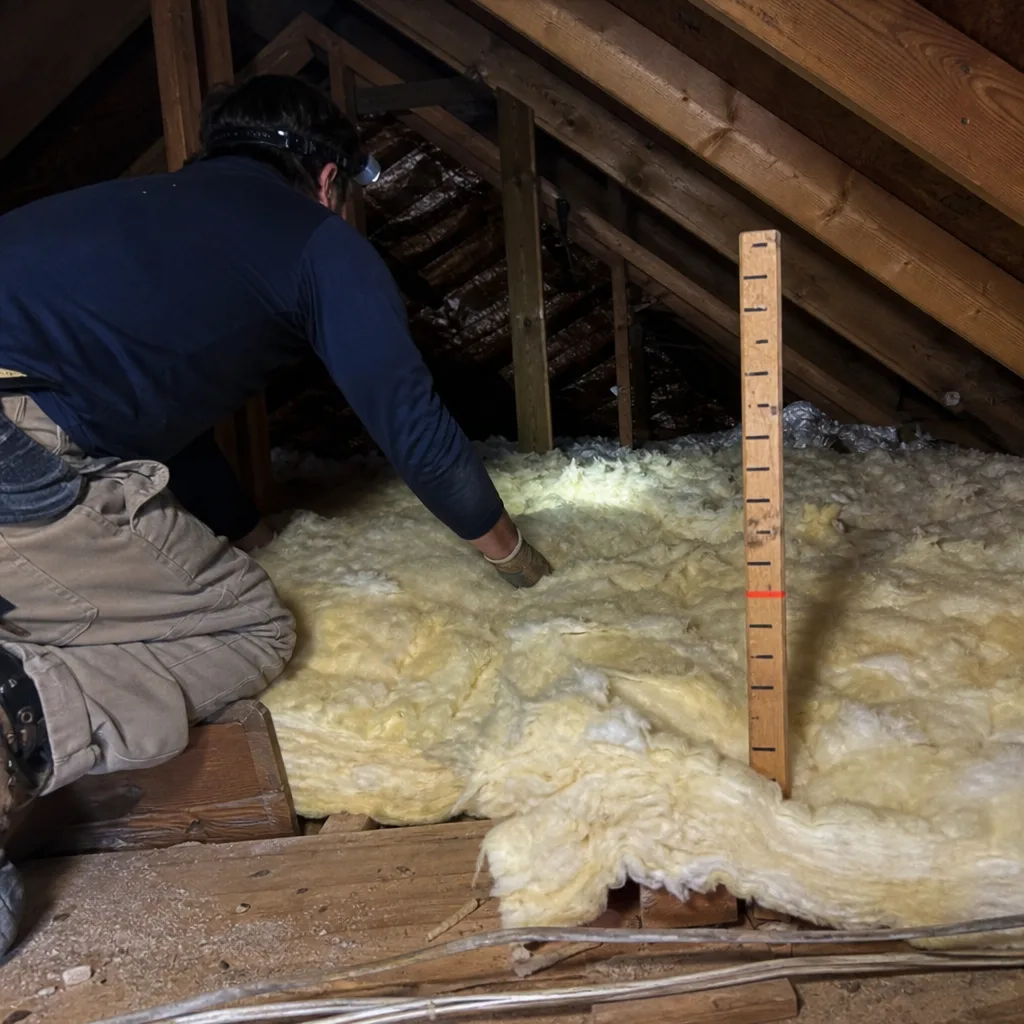
Closed-Cell Spray Foam
Closed-cell spray foam is our primary recommendation for Georgetown’s slab-on-grade homes, where the Edwards Limestone substrate eliminates crawl spaces and pushes thermal performance concerns upward to the attic and outward to the rim joist. At roughly R-6.5 per inch, closed-cell provides both insulation and vapor retarder in a single application - critical in Georgetown’s humid-subtropical climate swings, where open-cell foam alone can wick moisture at the slab edge. We source closed-cell products from Demilec and Icynene, and we won’t spray any foam until the air sealing of top plates, can lights, and penetrations is complete. In Sun City Texas ranches, we often see closed-cell specified for roof-deck applications where the HOA prohibits exterior modifications and the homeowner needs maximum R-value in minimum thickness.
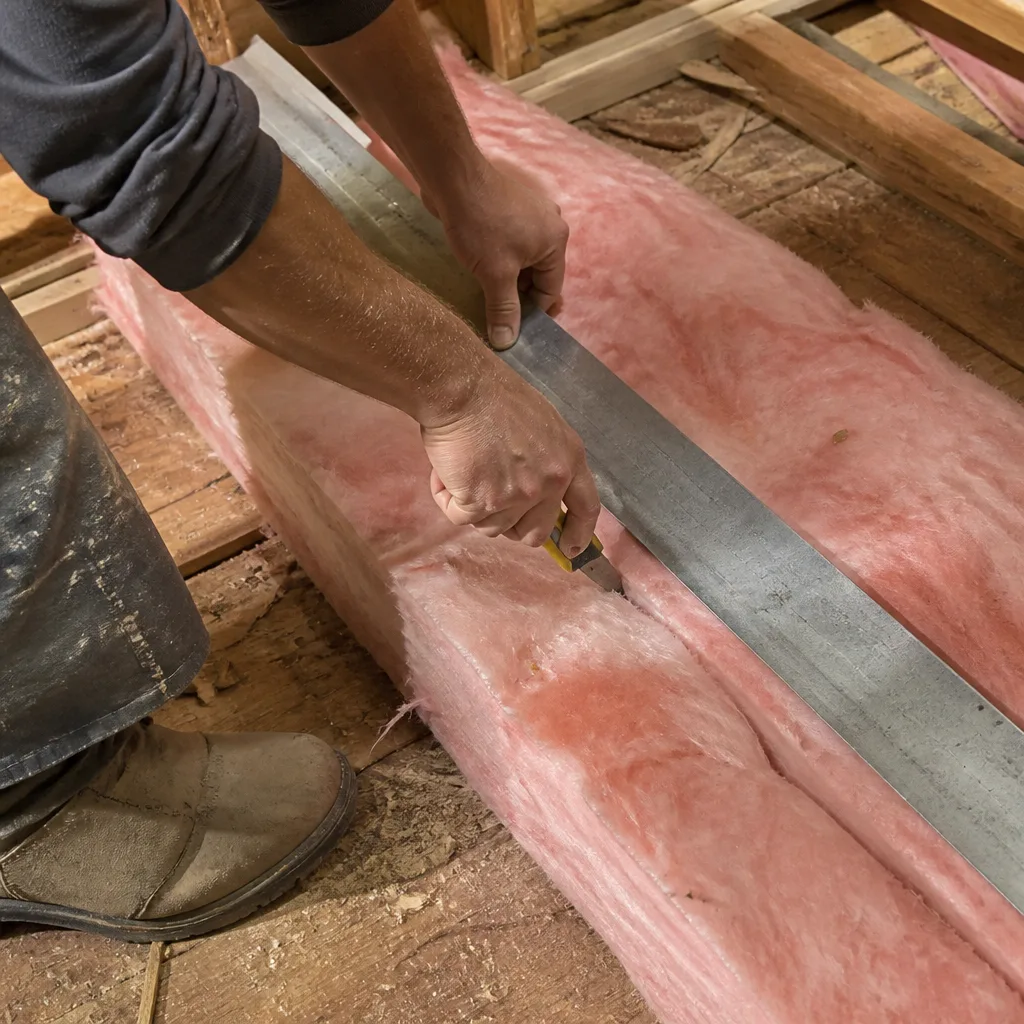
Open-Cell Spray Foam
Open-cell spray foam runs lighter and more permeable at roughly R-3.6 per inch, and we use it selectively in Georgetown - typically in 2010s-2020s Wolf Ranch and Morningstar tract builds where the original builder-grade insulation was never properly air-sealed and the homeowner wants to improve comfort without a full closed-cell investment. Open-cell excels at filling irregular cavities and dampening sound transfer between rooms. But we’re direct with Georgetown homeowners: in slab-on-grade construction with no crawl space, open-cell at the rim joist without a vapor-retarder strategy can absorb ground moisture during our humid spring and fall swings. When we recommend open-cell, we explain exactly where it belongs and where it doesn’t.
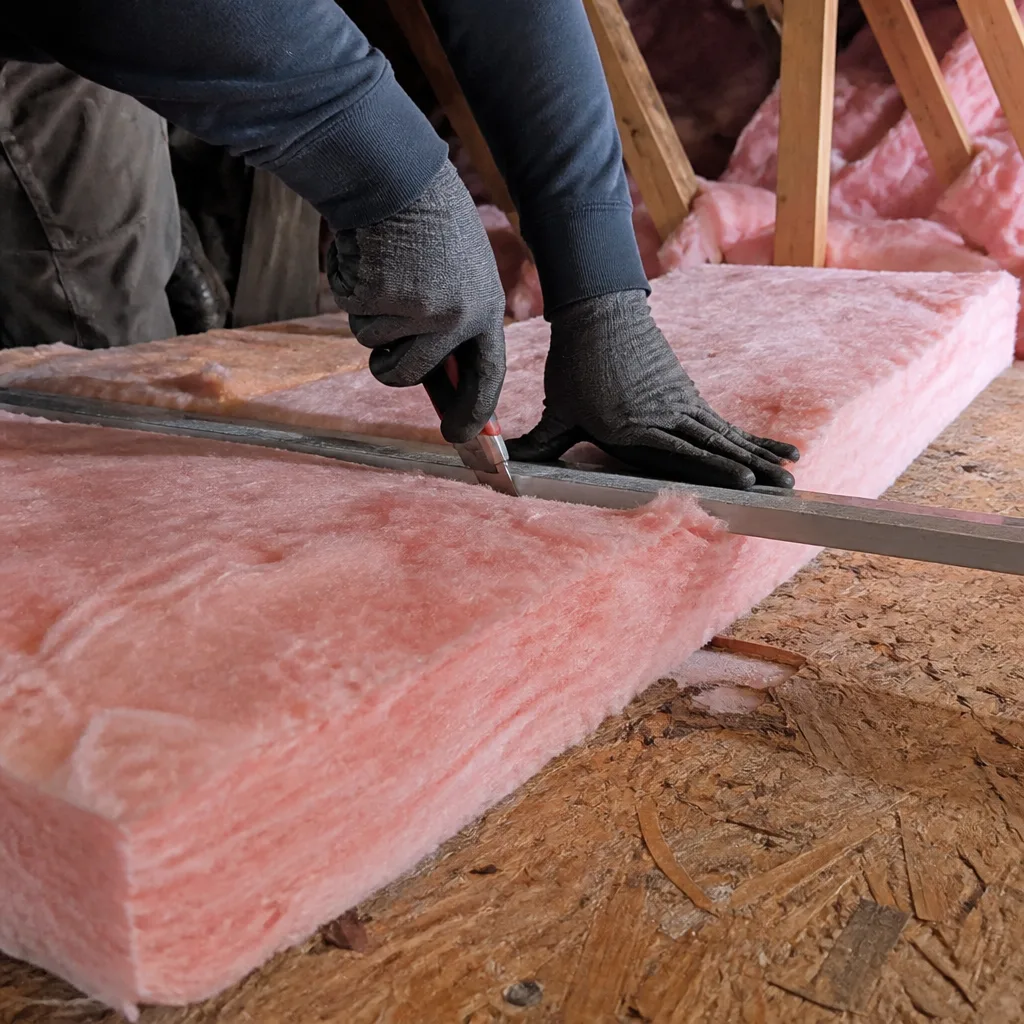
Rim Joist Spray Foam
The rim joist is the junction where your home’s framing sits on the concrete slab, and in Georgetown’s nearly universal slab-on-grade construction over Edwards Limestone, it’s the single most overlooked thermal bridge in the building envelope. Winter Storm Uri exposed this brutally - homes with unsealed rim joists lost heat fast when temperatures dropped below 10°F for days. We spray closed-cell foam at the rim joist to create both an air barrier and a moisture barrier, typically 2-3 inches to achieve R-13+ and vapor retardation. In Sun City Texas homes built in the 2000s, the original builder often stuffed fiberglass batts in the rim joist cavity, which sag, darken, and eventually fall out. We remove that degraded material, seal the seam with caulk or foam, then spray. The blower-door test after rim-joist sealing typically shows a 15-25% reduction in air leakage alone.
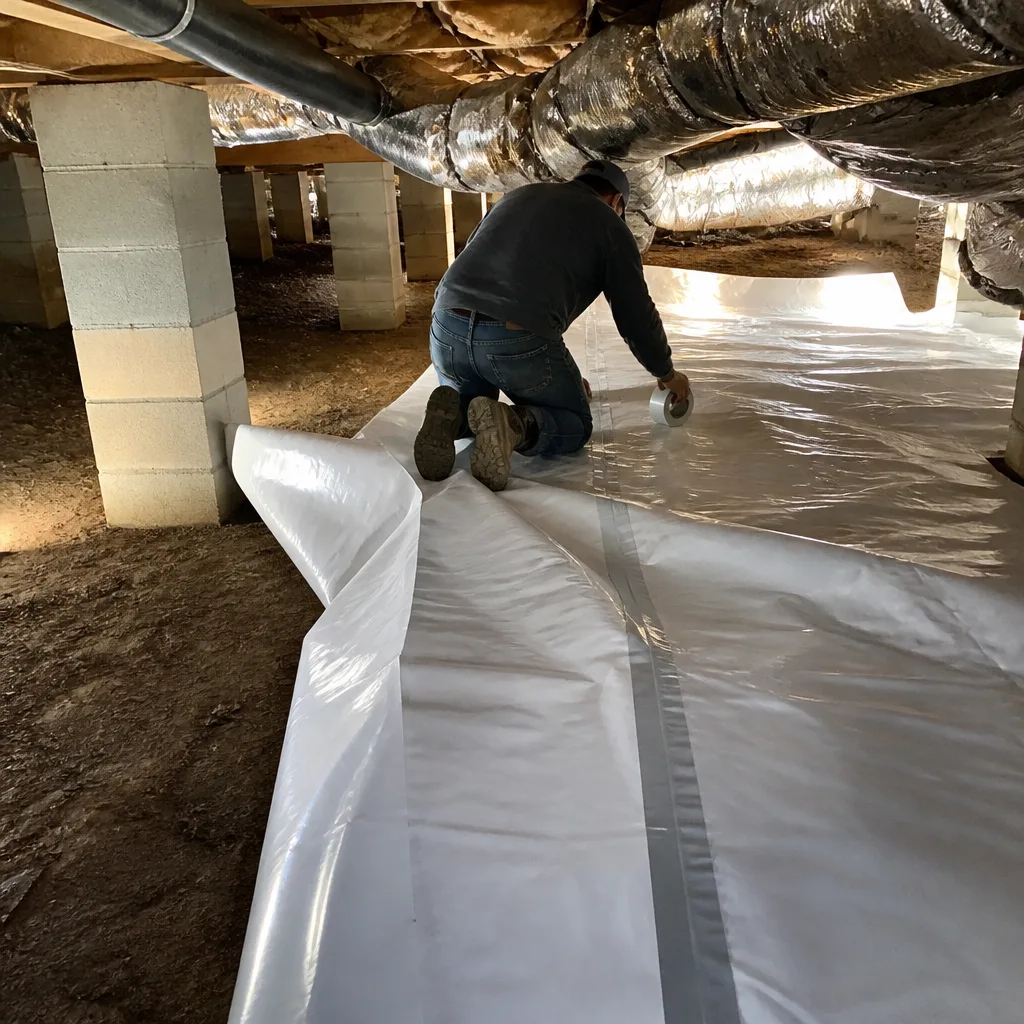
Garage Ceiling Spray Foam
Georgetown’s newer tract homes in Wolf Ranch and Morningstar often include bonus rooms or bedrooms over the garage, and the garage ceiling is rarely treated as a thermal boundary in the original build. We spray open-cell or closed-cell foam on the garage ceiling underside to separate that unconditioned space from the living area above, stopping the temperature swings that make bonus rooms unusable in July and January. In Sun City Texas, where many homes have golf-cart garages or extended two-car bays with living space adjacent, garage ceiling foam also helps control dust and exhaust infiltration. We air-seal all penetrations - dryer vents, electrical, plumbing chases - before spraying, because foam over a leaky ceiling plane is just a expensive blanket with holes in it.
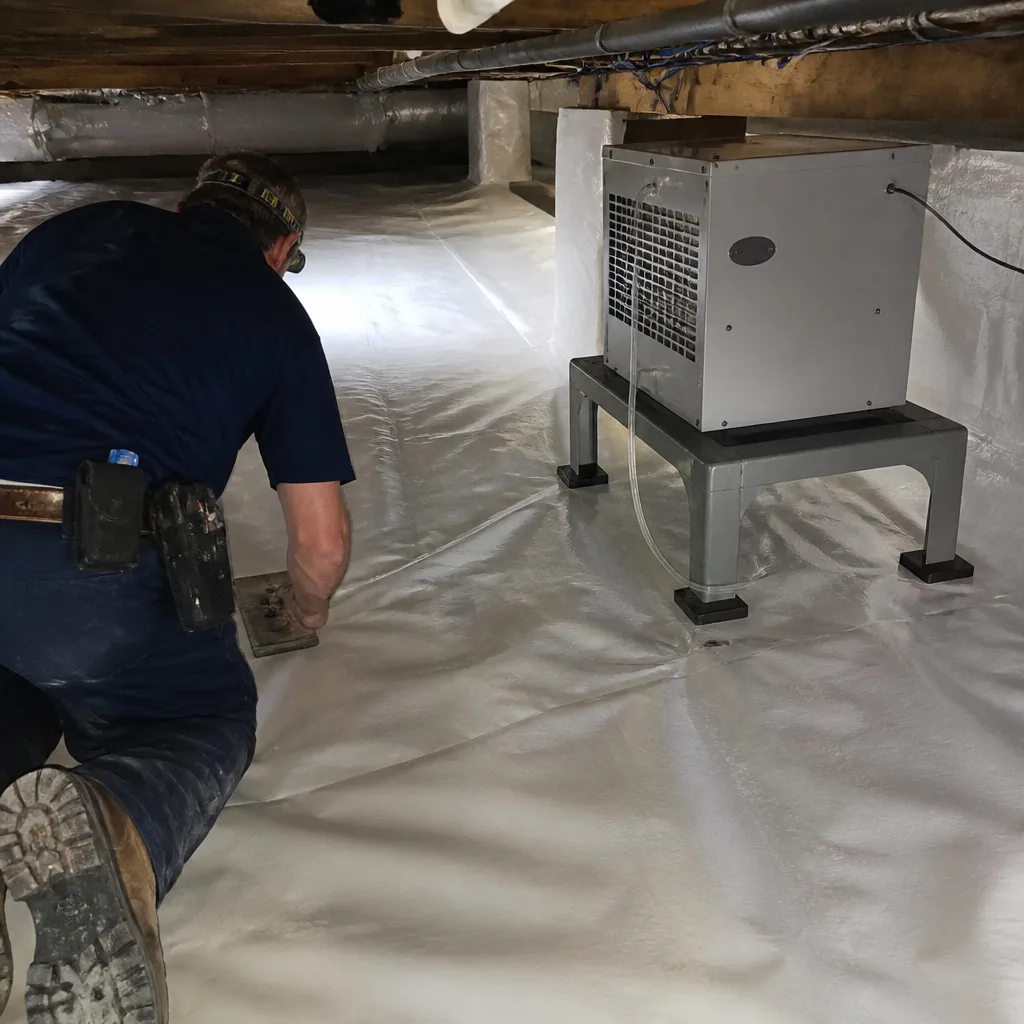
Spray Foam Roof Deck
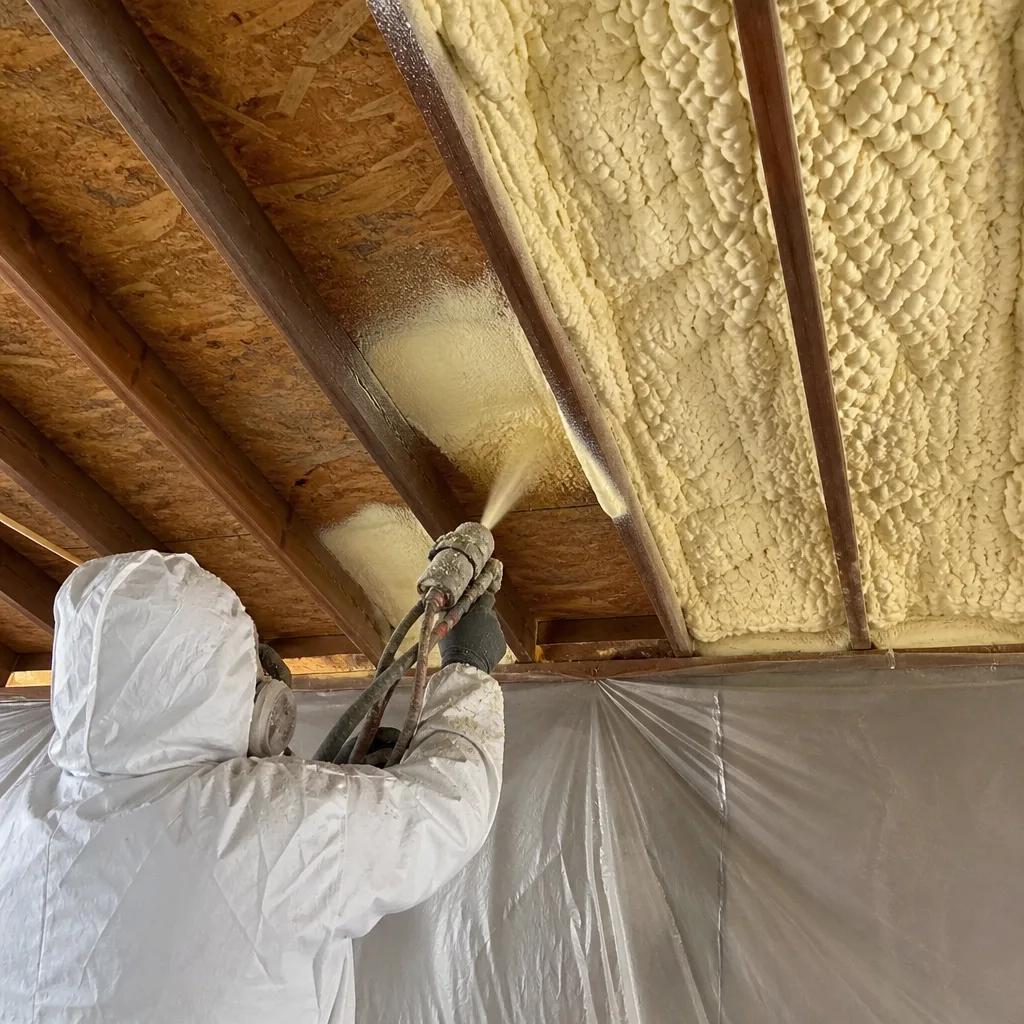
Spray foam applied directly to the underside of the roof deck transforms your attic from a ventilated, unconditioned space into a semi-conditioned buffer zone - and in Georgetown, where summer attic temperatures exceed 150°F, that transformation is measurable in both comfort and HVAC runtime. This approach is particularly valuable for Sun City Texas homeowners whose HOA restricts exterior modifications like radiant barrier retrofit or roof color changes; interior roof-deck foam is invisible from the street and fully compliant. We typically specify closed-cell foam at 3-5 inches on the roof deck, achieving R-20 to R-32 while creating a complete air barrier. The HVAC ducts, which in most Georgetown homes run through that 150°F attic, suddenly operate in a 90°F environment instead. We document the before-and-after with blower-door tests and infrared imaging so you can see exactly what changed.
What happens when you call
- 1
A real person answersNo phone trees - you reach a local pro.
- 2
You get an upfront price rangeHonest numbers before anyone is dispatched.
- 3
A background-checked tech heads outLicensed & insured, dispatched right away.
- 4
You approve before work beginsNothing starts until you say go.
 Before
 After
AfterTrusted Brands We Service in Georgetown
We stock and install spray foam systems from Icynene, Demilec, and Owens Corning - no proprietary lock-in that limits your options or inflates your price. Our Georgetown crews carry local inventory of these formulations in both open-cell and closed-cell densities, so we’re not scheduling your job around a freight delivery from Dallas or Houston. Each brand we use publishes independent third-party testing for R-value retention, VOC off-gassing, and long-term dimensional stability, and we select the specific product for your job based on the application, not a distributor rebate. You’ll see the product data sheet in your written scope before anyone starts spraying.
Common Spray Foam Insulation Problems We See in Georgetown Homes
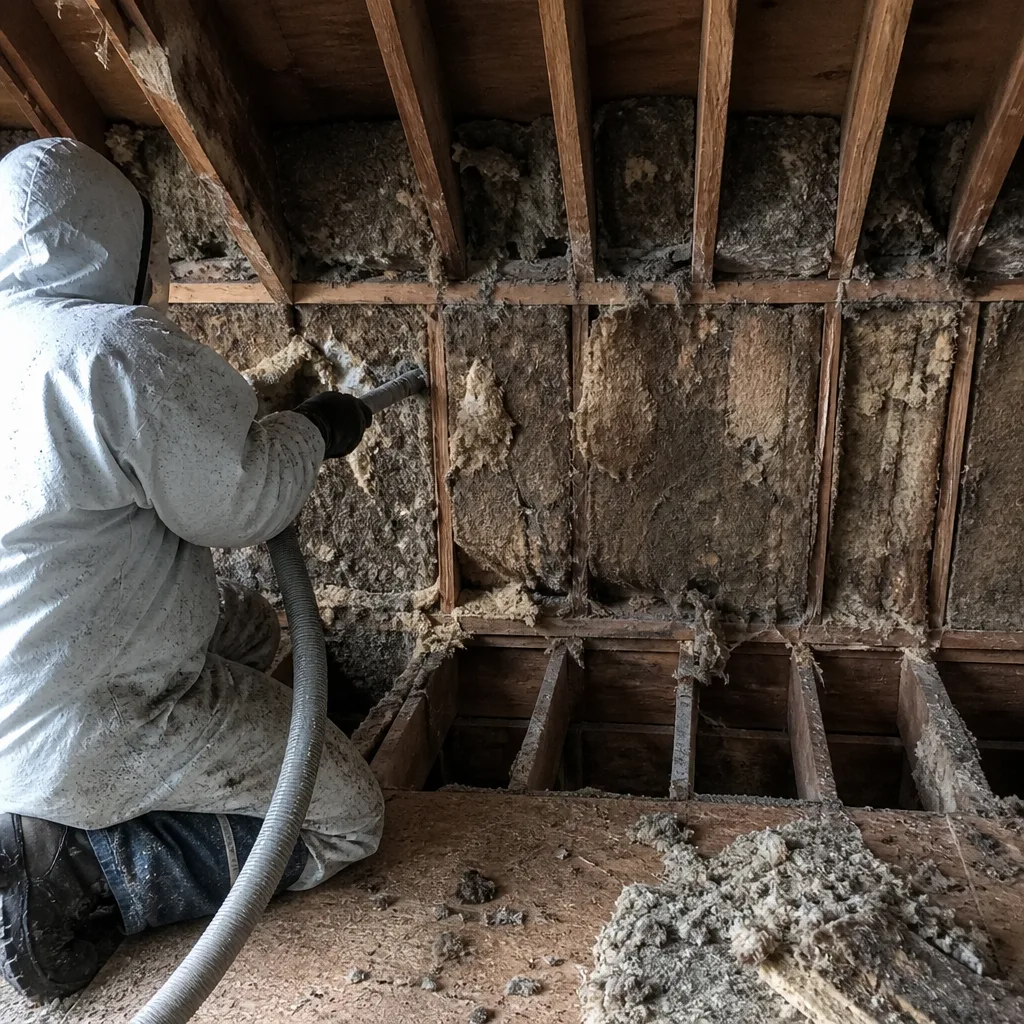
- Settled blown-in insulation in Sun City Texas ranches. The original R-30-ish fiberglass or cellulose installed in 1995-2010s Sun City homes has compressed to roughly four inches in many attics we open, far below its labeled R-value. Homeowners call us about hot rooms and high electric bills, and the first thing we check is actual insulation depth versus the original specification.
- Slab-edge moisture wicking at poorly specified rim joists. Georgetown’s humid-subtropical climate and shallow limestone substrate create ground moisture pressure that open-cell foam alone can’t resist. We’ve found damp, discolored open-cell at rim joists where a vapor-retarder strategy was skipped, and we correct it with closed-cell replacement or a proper vapor-barrier assembly.
- Post-Uri weatherization with unsealed ceiling planes. After February 2021, many Williamson County contractors rushed foam applications without proper air sealing of top plates, recessed cans, and duct chases. The foam looks complete, but the blower-door test still reads 3,500+ CFM50 because the ceiling plane leaks right through the new insulation. We remove and re-do these jobs several times per year.
- Garage bonus rooms that were never thermally separated. In Wolf Ranch and Morningstar builds from the 2010s-2020s, the garage ceiling is often just drywall with R-13 batts, if that. The room above runs 10-15°F different from the rest of the house. Spray foam on the garage ceiling fixes this permanently, but only after we seal the penetrations.
Pricing for Spray Foam Insulation in Georgetown, TX
| Application | Typical Range in Georgetown | What Drives the Price |
|---|---|---|
| Rim joist (closed-cell, typical 1,800 sq ft home) | $2,800 - $4,200 | Linear footage of slab edge, accessibility, existing material removal |
| Garage ceiling (open-cell or closed-cell) | $3,200 - $5,500 | Ceiling square footage, bonus room above, penetration count |
| Roof deck, partial (Sun City Texas ranch) | $4,500 - $7,500 | Deck square footage, foam thickness, existing ventilation removal |
| Roof deck, full (Wolf Ranch/Morningstar 2,500+ sq ft) | $6,500 - $11,000 | Home size, HVAC duct relocation needs, ridge-vent sealing detail |
These ranges reflect Georgetown’s current material and labor market as of 2025. Every job gets a flat, written price before work starts - Haven Standard Clause 1 - with no escalation clauses or “allowances” that shift later. We also offer a Free Second Opinion on any written estimate from another contractor; bring us their scope and we’ll review it line by line. Call (254) 970-2136 to schedule.
We Also Serve Cities Near Georgetown
Our crews work throughout Williamson County and north Travis County, including Georgetown, Round Rock, Hutto, Leander, and Cedar Park. Dispatch and scheduling are coordinated from our Austin office, but the trucks that roll to your job carry local stock and local knowledge of each city’s building department and housing stock. If you’re in Round Rock’s older neighborhoods off Gattis School Road or Leander’s Crystal Falls developments, the same Spray Foam Insulation team and the same written-price guarantee apply.
Serving Georgetown, TX - Our Local Coverage Area
We’re based in the Georgetown area and know this community well. Use the map below to see our service coverage - if you’re nearby, we can almost certainly help.
FAQs - Spray Foam Insulation in Georgetown
Yes - spray foam applied to the interior roof deck or rim joist is fully compliant with Sun City Texas HOA guidelines, which restrict exterior modifications but do not regulate interior building-envelope work. We complete this application regularly in Sun City ranches, and we provide documentation of the interior-only scope for any HOA inquiry. Call (254) 970-2136 for a written estimate with the compliance detail included.
The original blown-in fiberglass in your 1995-2010s Sun City ranch has likely settled from its labeled R-30 depth to roughly four inches of compressed, sunbaked material that performs closer to R-10. The “insulation” is still there - it’s just not insulating anymore. We measure actual depth and density on every estimate, and we show you the infrared image of where your ceiling plane is bleeding conditioned air into a 150°F attic. Call (254) 970-2136 for a free assessment - estimates are free, and we bring the camera.
For roof-deck applications in Georgetown, we typically specify closed-cell foam because it provides both higher R-value per inch (R-6.5 vs. R-3.6) and built-in vapor retardation in our humid-subtropical climate. Open-cell is appropriate for garage ceilings and some interior wall cavities where moisture management is less critical. We explain the specific recommendation for your home in the written scope before you decide - no generic upsell, just the building science for your assembly.
Absolutely - and often more so than in homes with crawl spaces, because your thermal envelope is concentrated in the attic and rim joist with no below-grade buffer. In Georgetown’s slab-on-grade construction over Edwards Limestone, the rim joist is typically the largest uncontrolled air leak in the house, and the attic is the largest heat gain surface. Spray foam at both locations, with proper air sealing first, typically reduces HVAC runtime by 20-35% in the homes we document. The blower-door numbers prove it.
February 2021 exposed widespread deficiencies: unsealed rim joists that froze pipes, attic bypasses that allowed ice damming on roof penetrations, and ductwork in unconditioned attics that couldn’t maintain setpoint when outdoor temperatures held below 15°F for days. The post-Uri retrofit wave in Williamson County continues, but we’ve also found that some “fast” weatherization left unsealed ceiling planes under new foam - a cosmetic fix that fails under stress. We diagnose these conditions with blower-door testing and infrared imaging, then specify spray foam only where the air sealing is already complete or included in our scope.
Written by Wes Okafor, Owner at Envelope Insulation Co., serving Georgetown since 2016 under The Haven Standard.