
Last updated September 24, 2026
Insulation Warning Signs: A Georgetown Homeowner’s Reference Guide
A 15 percent drop in blown-in insulation depth - from 13 inches to 11 inches - cuts effective R-value from R-38 to roughly R-32. You won’t feel that on a mild April day in Georgetown. You’ll feel it in August, in a bill, weeks after the problem became cost-effective to fix. Most Georgetown homeowners wait for a $400 electric bill to suspect their insulation is failing, but the physical signs of insulation breakdown appear months earlier in specific, observable places. Each sign points to a different failure mode with a different repair. This reference guide, along with our complete guide to insulation in Georgetown, teaches you to read the house, not the utility bill.
Quick Answer
Insulation failure in Georgetown homes shows up first at five physical locations: the attic hatch perimeter, knee walls, exterior can light trim rings, HVAC boot collars, and top-plate seams. Warning signs include visible settling or thinning of blown-in material, cold drafts at electrical outlets, moisture staining on ceiling drywall, and rooms that won’t hold temperature despite the HVAC running continuously. These symptoms separate into three distinct categories - air sealing failure, insulation material failure, and installation deficiency - each requiring a different scope of repair.
Table of Contents
- The Five Locations Where Insulation Failure Appears First
- Three Failure Modes: Air Sealing, Material, and Installation
- Reading Indoor Symptoms by Room and Season
- What Thermal Imaging Actually Shows (And When It’s Worth Paying For)
- Spot Repair Versus Full Removal: The Blower-Door Threshold
- How Georgetown’s Climate and Building Stock Accelerate Specific Failures
- Common Mistakes to Avoid
- When to Call a Professional
- Frequently Asked Questions
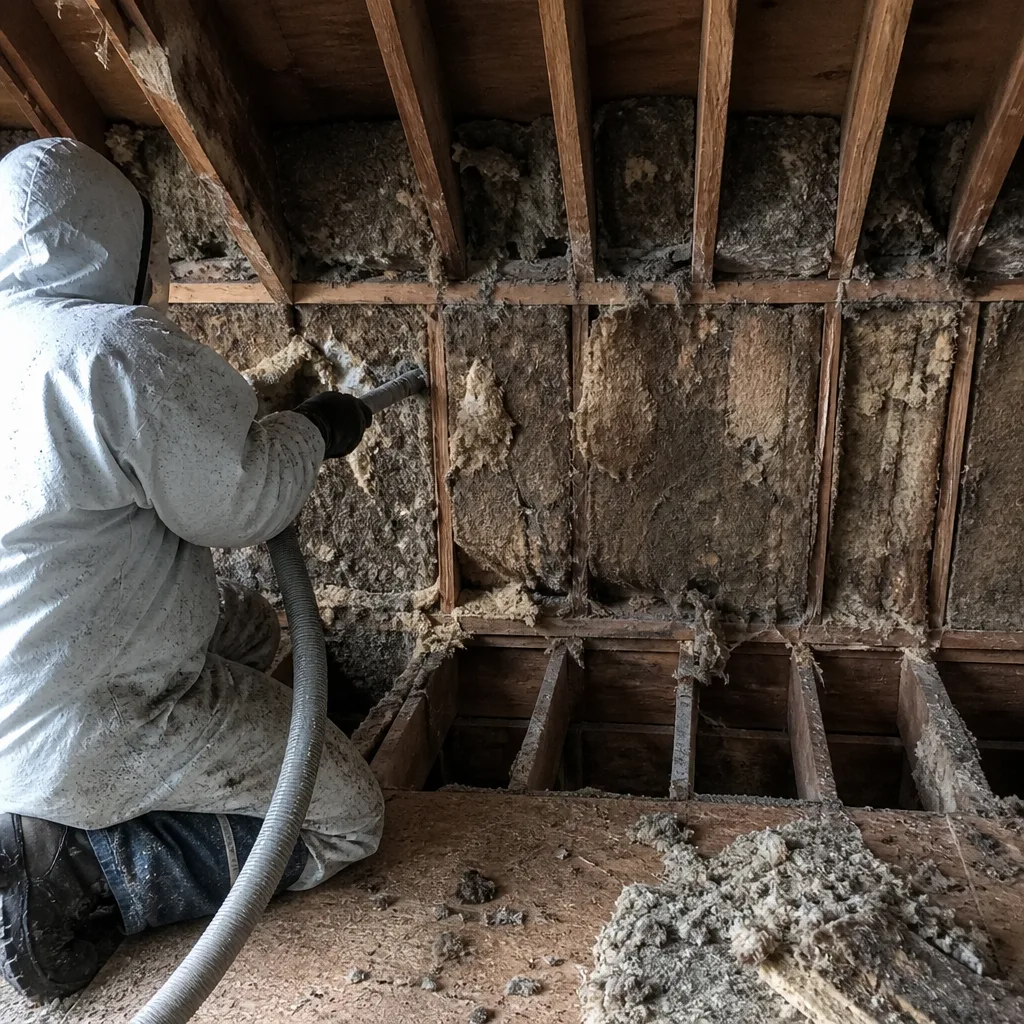 Before
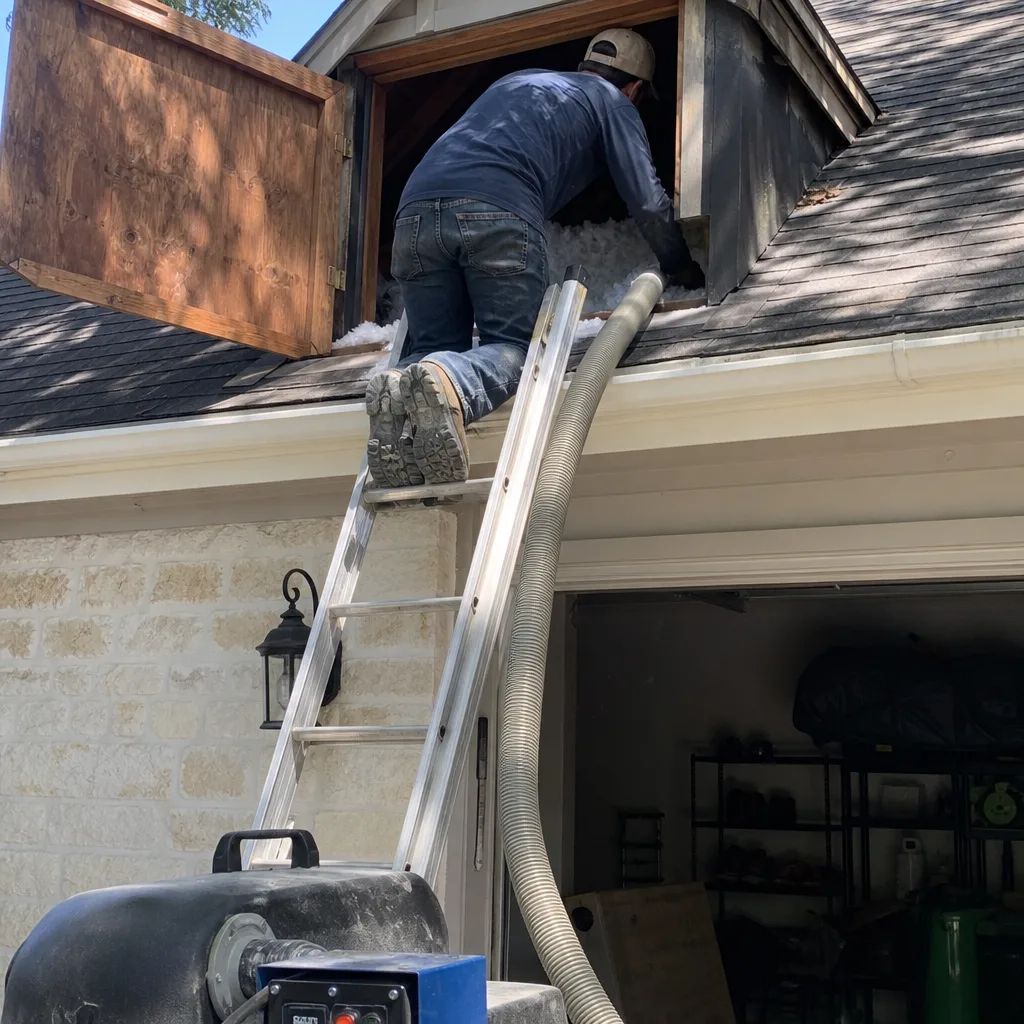 After
AfterThe Five Locations Where Insulation Failure Appears First
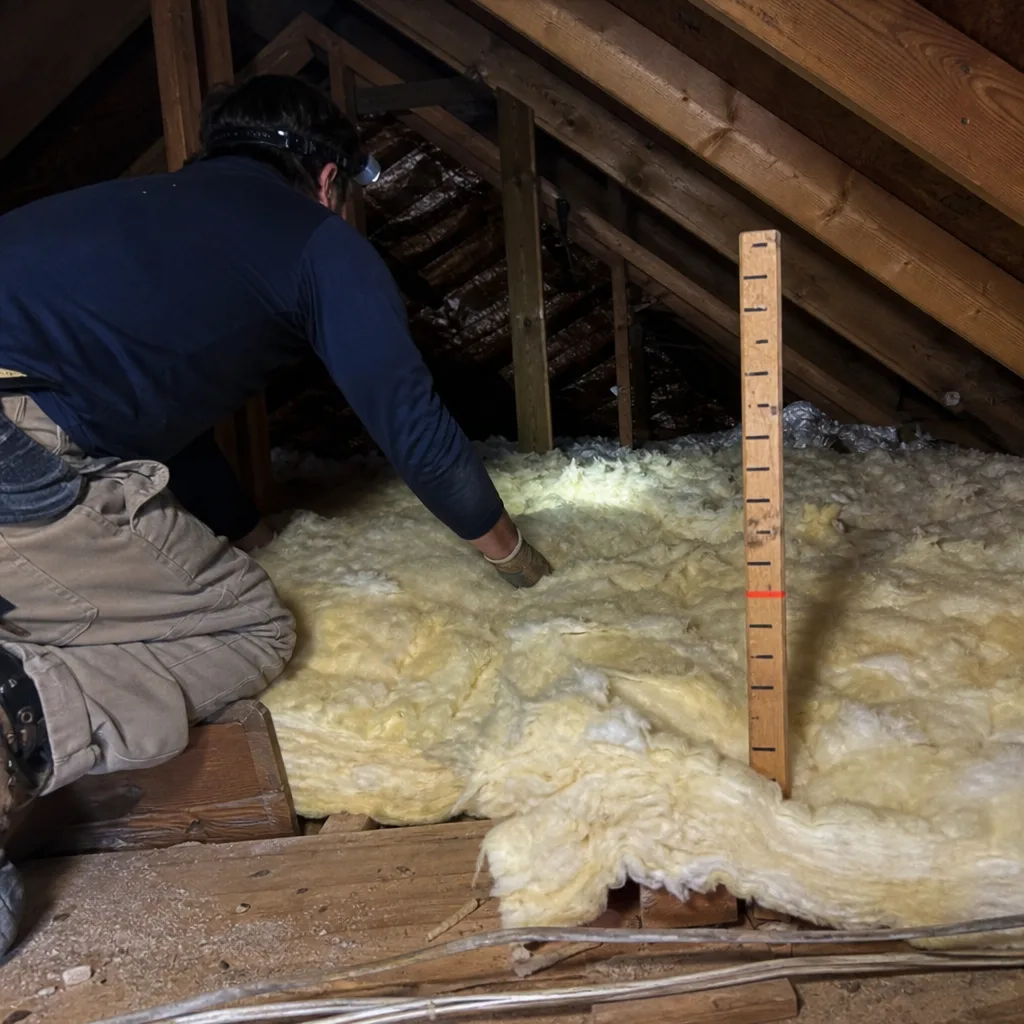
Insulation does not fail uniformly. In the Georgetown homes we’ve assessed since 2016, certain junctions and penetrations fail first because they combine thermal, pressure, and moisture stress in one small area. Learning to inspect these five locations gives you a diagnostic routine that takes 20 minutes and requires no tools beyond a flashlight and a yardstick; for a structured approach, see our Attic Insulation Maintenance Checklist for Georgetown Homeowners.
1. Attic Hatch Perimeter
The attic hatch is the most overlooked thermal breach in a Georgetown home. It’s also the easiest to check. Open the hatch and look at the insulation immediately surrounding the rough opening. In a properly detailed assembly, the hatch itself is insulated to the same R-value as the surrounding attic floor, and the perimeter is sealed with weatherstripping or a gasketed frame.
What failure looks like: compressed or displaced blown-in insulation around the hatch rim; a hatch cover with no insulation attached to its upper surface; visible gaps between the drywall opening and the hatch frame; black staining on the drywall edges indicating air leakage (warm, moist interior air escaping in winter, or hot attic air entering in summer). In summer, the hatch perimeter often reads 10 to 15 degrees warmer than the surrounding ceiling on a thermal camera.
Why it matters in Georgetown: Our cooling-dominant climate means attic air at 140°F pushes downward through every unsealed gap for five months. The hatch is a direct path into the central hallway, where the thermostat often sits.
2. Knee Walls
Knee walls are the short vertical walls found in upstairs rooms with slanted ceilings - common in Georgetown’s 1990s and 2000s two-story subdivisions like Berry Creek and Rancho Sienna. These walls separate conditioned space from vented attic, but builders often insulated them as if they were exterior walls, without proper air barriers on the attic side.
What failure looks like: the bedroom side of the knee wall feels warm to the touch in August; stored items in the attic-side knee wall space show moisture damage; insulation batts have fallen away from the wall studs or are compressed by storage boxes; daylight visible through gaps at the wall base or top plate. In severe cases, the carpet or flooring at the knee wall base feels damp seasonally.
3. Exterior Can Light Trim Rings
Recessed can lights installed before 2012 in Georgetown were rarely IC-rated (insulation contact rated) and almost never sealed airtight. Even IC-rated cans often have gaps at the trim ring where they meet the drywall.
What failure looks like: a ring of dust or dark staining on the ceiling around the can light; the trim ring itself is hot to the touch in summer or cold in winter; visible gaps between the trim and ceiling; in two-story homes, the can lights on the first floor ceiling show similar symptoms where they penetrate the floor/ceiling assembly. These are not cosmetic issues. Each unsealed can light leaks the equivalent of a 4-inch hole in your ceiling.
4. HVAC Boot Collars
The boot collar is the sheet metal transition between your duct trunk and the ceiling or floor register. In Georgetown, these are often installed with a friction fit into the drywall or subfloor, with no mastic seal and no insulation overlap at the penetration.
What failure looks like: dust accumulation on the ceiling around the register grille; the register blows noticeably cooler air in winter (duct leakage into the attic) or warmer air in summer; visible gaps between the metal boot and the surrounding drywall; in attic installations, the insulation around the boot is disturbed or missing. We’ve found boots in Georgetown’s Sun City and Teravista developments with quarter-inch gaps blowing conditioned air directly into the attic for years.
5. Top-Plate Seams
Top plates are the horizontal framing members where wall studs meet the ceiling drywall or floor joists above. In platform-framed homes, there are two top plates, and the seam between them runs the perimeter of every exterior wall. This seam is rarely sealed in production-built Georgetown homes from the 1980s through the 2010s.
What failure looks like: with the attic lights off and a flashlight held at a low angle, you can see daylight or feel air movement along the wall top plate lines; blown-in insulation shows thin spots or troughs directly above exterior walls; exterior wall outlets and switches feel drafty; cobwebs concentrate at ceiling corners (spiders follow air currents). The top plate is the single largest cumulative air leak in most Georgetown attics - a continuous slot 3.5 inches wide running hundreds of linear feet.
Three Failure Modes: Air Sealing, Material, and Installation
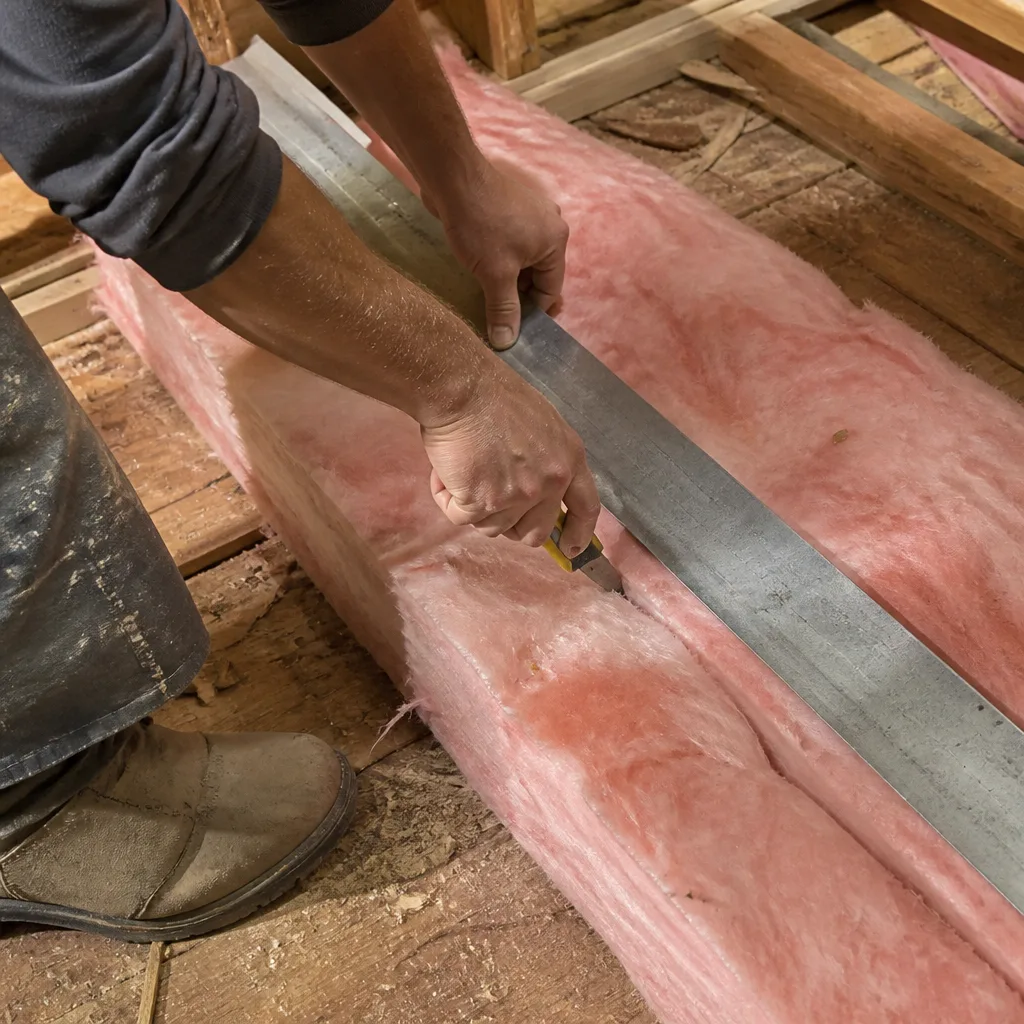
Not every warning sign means the same thing. Misreading the symptom leads to the wrong repair, and the wrong repair wastes money without fixing the problem. We separate insulation failures into three categories, each with distinct warning signs and distinct solutions.
Air Sealing Failure
Air sealing failure means the insulation is still in place, but air is moving through or around it. Insulation does not stop air flow; it only slows heat transfer. When air moves through fiberglass or cellulose, the effective R-value drops by 40 to 60 percent.
Warning signs:
- Cold drafts at electrical outlets and switch plates on exterior walls, especially in winter
- High interior humidity in summer that the HVAC struggles to control
- Rooms that cool unevenly - one corner of a bedroom stays warm while the rest chills
- Dust streaks on carpet along exterior wall bases (air infiltration carrying attic dust)
- Ice dam formation at roof edges in rare Georgetown freeze events
The fix is not more insulation. The fix is sealing the leaks first - top plates, penetrations, and junctions - then verifying with a blower-door test. At Topside Attic Insulation Georgetown home, we publish before-and-after blower-door numbers on every job so you can see the actual air leakage reduction.
Insulation Material Failure
Material failure means the insulation itself has degraded, displaced, or been compromised.
Warning signs:
- Visible settling - blown-in cellulose or fiberglass that no longer covers the full joist depth, with tops of ceiling joists visible
- Pest tunneling - uniform pathways through blown-in material where rodents have traveled, often with droppings or nesting material visible
- Moisture discoloration - gray or brown staining on insulation batts, particularly near roof valleys or where bathroom vents terminate in the attic
- Compression - batts squeezed to less than half their labeled thickness, often from storage or maintenance traffic
- Disintegration - cellulose that crumbles to dust when touched, indicating age or prior moisture damage
Material failure requires removal of the damaged insulation, remediation of the cause (pest entry, moisture source), and replacement with new material. In Georgetown’s climate, moisture-damaged cellulose is a particular concern because our spring and fall humidity spikes can re-wet attic insulation if ventilation is inadequate, which is why we recommend our Seasonal Insulation Care for Georgetown: Year-Round Homeowner’s Guide for prevention.
Installation Deficiency
Installation deficiency means the insulation was never properly installed in the first place. This is common in Georgetown’s rapid-growth subdivisions built between 2005 and 2015, when speed often overrode detail.
Warning signs:
- Uneven depth - areas of thick insulation adjacent to bare joists or thin spots
- Uncovered joist bays - ceiling joists visible between insulation runs, creating thermal bridging
- Gaps around obstructions - chimneys, flues, or structural members with no insulation contact
- Missing insulation in vaulted ceiling assemblies where access was difficult
- Vapor barriers installed on the wrong side of the assembly (a cold-climate detail mistakenly applied in our hot-humid climate)
Installation deficiency is the most expensive category to correct because it often requires full removal and reinstallation to achieve uniform coverage and proper depth.
Reading Indoor Symptoms by Room and Season
The room that misbehaves tells you where to look in the attic. This section maps common Georgetown homeowner complaints to their most likely attic source.
Second-Floor Rooms Harder to Cool Than First Floor
This is the most common call we get in July. The cause is almost always attic air leakage at ceiling penetrations combined with inadequate or uneven insulation depth. Hot attic air enters through can lights, top plate gaps, and HVAC boots, then radiates downward through the ceiling assembly. The HVAC runs longer, the upstairs never reaches setpoint, and the downstairs over-cools because the thermostat is typically on the first floor.
Diagnostic sequence:
- Check the attic hatch - is it sealed and insulated?
- Measure insulation depth at multiple points, especially over the second-floor rooms that are hardest to cool
- Inspect can lights for IC rating and seal condition
- Verify bathroom exhaust fans duct to the exterior, not into the attic
Master Bath Humidity in Summer
When a master bath stays humid despite the exhaust fan running, the problem is often in the attic. The fan duct may be disconnected from the roof or soffit termination, dumping moist air directly into the attic space. Or the duct may be intact but uninsulated, with condensation forming on the cold duct surface in the hot attic and dripping back through the ceiling.
In Georgetown’s summer, an uninsulated flex duct in a 130°F attic can reach dew point within minutes of the fan activating. The resulting moisture saturates nearby insulation, destroys its R-value, and can breed mold. We’ve replaced ceiling drywall in Georgetown homes where this went unaddressed for two seasons.
Kitchen Cold in Winter, Hot in Summer
Kitchens have more ceiling penetrations per square foot than any other room: recessed lights, range hood duct, pendant light junction boxes, sometimes a chase for a vent pipe. Each penetration is a potential air leak. In Georgetown’s brief but sharp winter cold fronts, these leaks make the kitchen noticeably uncomfortable. In summer, they reverse direction, pouring attic heat into a room that already has significant internal heat gain from cooking.
Bedroom Over Garage Stays Wrong Temperature
The bonus room or bedroom over a garage is a notorious failure point in Georgetown’s suburban stock. The floor assembly is often insulated with batts that fall out or compress, and the garage ceiling is rarely air-sealed. Car exhaust, temperature extremes, and unconditioned air move through this assembly. The symptom is a room that swings 10 to 15 degrees from the rest of the house.
What Thermal Imaging Actually Shows (And When It’s Worth Paying For)
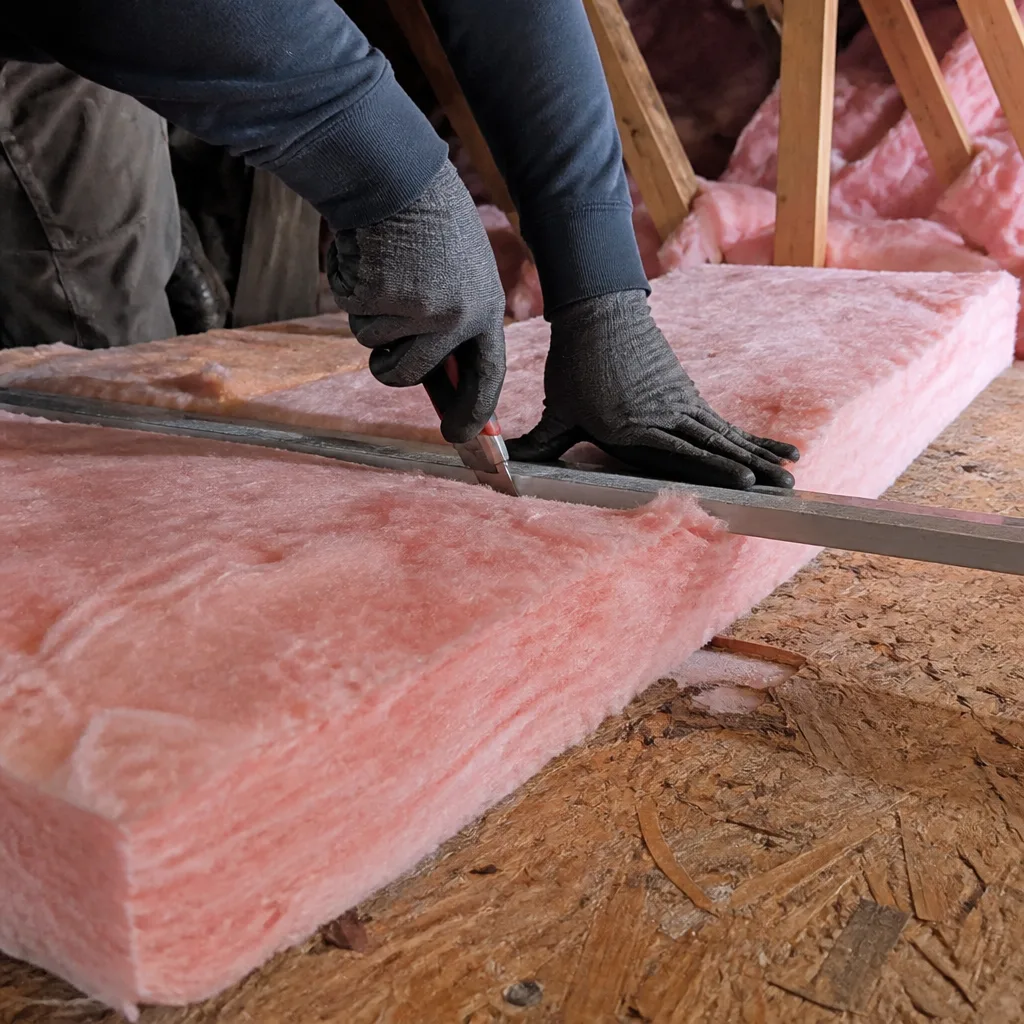
Thermal imaging, or infrared thermography, measures surface temperature differences. It does not see through walls. It sees the thermal patterns on surfaces that reveal what is happening inside the assembly. Used correctly, it is a powerful diagnostic tool. Used incorrectly, it produces pretty pictures that confuse more than clarify.
What a Thermal Camera Actually Shows
A thermal camera displays temperature as color. In a typical Georgetown home inspection, we’re looking for:
- Cold spots on ceilings in summer: indicate missing or thin insulation, or air leakage paths where attic air is contacting the drywall
- Warm spots on exterior walls in winter: indicate insulation voids or thermal bridging through studs
- Uniform temperature at ceiling corners versus the field: reveals whether top plates are sealed; unsealed top plates show as warmer stripes in summer
- Patterns around can lights and HVAC boots: bulls-eye patterns indicate air leakage; gradual gradients indicate insulation displacement
The camera must be used under proper conditions: minimum 18°F temperature difference between interior and exterior, no direct sun on the surfaces being scanned, and HVAC off for 30 minutes to eliminate forced-air artifacts. A scan done on a mild day or with the AC running is unreliable.
When to Hire a Thermal Scan
A professional thermal scan is worth the cost when:
- You have persistent comfort complaints that visual inspection hasn’t explained
- You’re considering a major insulation investment and want to target the spending
- You suspect moisture intrusion but cannot locate the source
- You’re buying a home in Georgetown’s older neighborhoods like Georgetown Village or Northlake and want documented evidence of envelope condition
Expect to pay $250 to $450 for a whole-house thermal survey in the Georgetown market. The deliverable should include dated images with temperature readings, not just color pictures. At Topside Attic Insulation Georgetown, we include thermal imaging in our home energy audits when conditions permit, with images added to your Documented Photo Record.
What the Images Mean in Plain Terms
A 5°F temperature difference across a ceiling is significant. A 15°F difference is severe. A linear warm stripe running the length of an exterior wall ceiling junction almost certainly indicates an unsealed top plate. A round cold spot the diameter of a can light indicates either a missing insulation cap or an unsealed IC fixture. These patterns tell us where to focus air sealing before adding insulation.
Spot Repair Versus Full Removal: The Blower-Door Threshold
This is the decision that saves or wastes thousands of dollars. Some insulation failures can be repaired in place. Others require complete removal and reinstallation. The dividing line is not subjective; it is measurable.
When Spot Repair Is Appropriate
Spot repair works when:
- The existing insulation is dry, uncontaminated, and reasonably level
- The failure is localized - one area of settling, a few unsealed penetrations, a disconnected duct
- The overall attic air leakage rate, measured by blower-door test, is below 3,000 CFM50 for a home under 3,000 square feet
- The insulation depth is within 20 percent of target everywhere except the repair zone
A typical spot repair in Georgetown runs $800 to $2,400 depending on access and scope. It includes air sealing of identified leaks, localized insulation addition or redistribution, and verification of exhaust fan ducting.
When Full Removal and Replacement Is Required
Full removal is necessary when:
- Insulation is contaminated by pest activity, mold, or significant moisture
- The blower-door reading exceeds 4,500 CFM50, indicating systemic air sealing failure that cannot be addressed from above without disturbing the insulation
- Insulation depth varies by more than 50 percent across the attic, indicating installation deficiency that spot repair cannot correct
- The homeowner wants to convert from blown-in to spray foam or to add radiant barrier, which requires clean substrate
Full removal adds $1.50 to $3.00 per square foot for extraction and disposal before new insulation costs. In Georgetown’s market, a complete attic redo for a 2,500-square-foot home typically runs $4,500 to $8,500 depending on material choice and air sealing scope.
The Blower-Door Number That Decides
We use the blower-door test - a pressurization reading that shows, in one number, how much air your building envelope is losing - as our objective threshold. For Georgetown’s climate and housing stock:
- Under 2,500 CFM50: air seal penetrations only, add insulation as needed
- 2,500 to 4,000 CFM50: comprehensive air sealing of top plates and penetrations, then insulation top-up
- Over 4,000 CFM50: consider full removal to access all leakage paths, followed by complete reinstallation with integrated air sealing
These thresholds assume a single-story home of 2,000 to 2,500 square feet. Larger homes scale proportionally. We publish our before-and-after blower-door numbers on every applicable job so you can see where your home started and where it finished, and we share more guides & resources to help you maintain those results.
How Georgetown’s Climate and Building Stock Accelerate Specific Failures
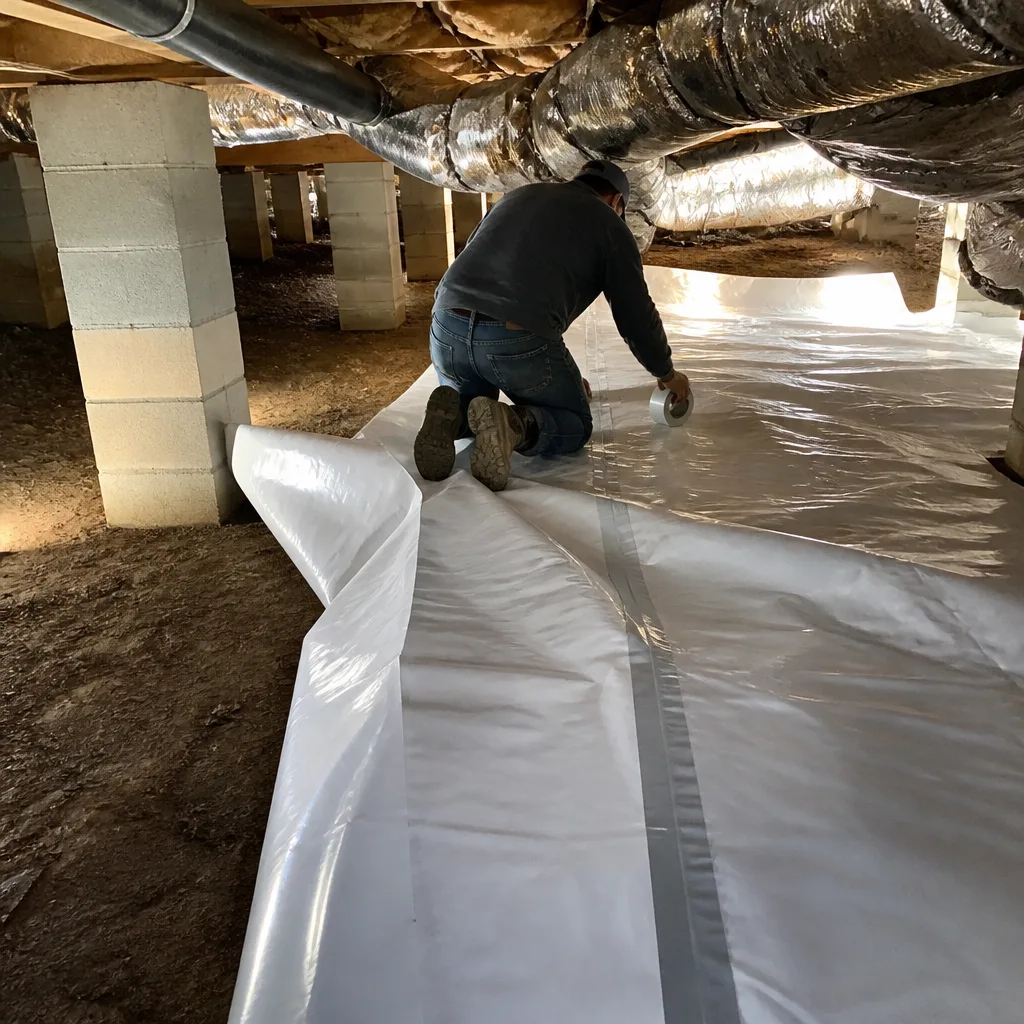
Georgetown sits at the edge of the Texas Hill Country with a humid subtropical climate that creates specific insulation stress patterns. Understanding these local factors helps explain why your home fails the way it does.
Cooling-Dominant Load Profile
Georgetown homes run cooling equipment 2,200 to 2,800 hours per year versus 400 to 600 heating hours. This means attic insulation failures show up as summer comfort problems first, winter problems second. A home with inadequate attic insulation in Georgetown will have a $350 August electric bill before it has a $200 January bill. The diagnostic priority is always summer heat gain, not winter heat loss.
Spring and Fall Humidity Spikes
March through May and September through November bring sustained humidity above 70 percent with temperatures in the 70s and 80s. This is the danger window for attic moisture. When outdoor dew point exceeds indoor temperature, vented attics can pull humid air through ceiling leaks and condense on cool ductwork or night-cooled roof decking. Insulation that absorbs this moisture loses R-value and can support mold growth. We’ve found more moisture-damaged insulation in Georgetown attics from October events than from summer storms.
Building Stock Characteristics
Georgetown’s housing breaks into three eras with distinct failure patterns:
- Pre-1990: Minimal original insulation (often R-11 or less), knob-and-tube wiring in some neighborhoods, balloon framing that complicates air sealing. Homes in the Old Town area often need complete removal and rebuild of the thermal boundary.
- 1990-2010: Adequate insulation depth at installation but poor air sealing detail, IC-rated cans rare before 2005, flex duct universally used with frequent attic disconnections. Berry Creek, Serenada, and similar developments fit this profile.
- 2010-present: Better code compliance but speed-built during rapid growth; insulation installers often worked ahead of electricians and HVAC crews, leaving penetrations unsealed after the fact. Rancho Sienna and Wolf Ranch have many homes with good depth and terrible continuity at junctions.
Local Code Context
Georgetown follows the 2021 International Energy Conservation Code with local amendments. Current code requires R-38 to R-49 in attics depending on construction type, but many homes built before 2012 were constructed under R-30 or lower requirements. Code also now mandates blower-door testing for new construction, but this was not required for existing homes until recent adoption. If your home has never had a blower-door test, it has never had its air leakage quantified.
Common Mistakes to Avoid
- Adding insulation over unsealed air leaks. This is the most expensive mistake we correct in Georgetown. Blown-in fiberglass over a leaky attic floor acts as a filter, not a barrier. Air moves through it, carrying dust and moisture, while the homeowner pays for R-value they never receive.
- Assuming more insulation always helps. In a home with significant air leakage, adding insulation without sealing first can trap moisture and accelerate framing decay. The correct sequence is seal, test, then insulate.
- Ignoring the garage ceiling. In Georgetown’s attached-garage homes, the garage ceiling is often the most compromised assembly. Cars, storage, and temperature extremes destroy insulation that was barely adequate to begin with.
- Trusting utility bill comparisons. Your neighbor’s bill is irrelevant. Their home size, thermostat setting, equipment efficiency, and occupancy patterns differ. The only valid comparison is your own home’s year-over-year usage, adjusted for degree days.
- DIY spray foam in the attic. Two-component kits sold at hardware stores are formulated for small jobs, not full attic coverage. Improper application traps moisture, creates off-gassing hazards, and voids roof shingle warranties when applied to roof decking. We’ve removed failed DIY foam in three Georgetown homes this year.
- Neglecting to verify exhaust fan ducting. A bathroom fan that blows into the attic instead of outside destroys insulation and creates mold liability. Always verify termination before adding insulation that would bury the duct.
- Accepting a quote without a written scope. Under Haven Standard Clause 1, every job begins with a written price, written scope, and written warranty before any work starts. Verbal estimates leave ambiguity about what gets sealed, what depth is targeted, and what materials are used.
When to Call a Professional
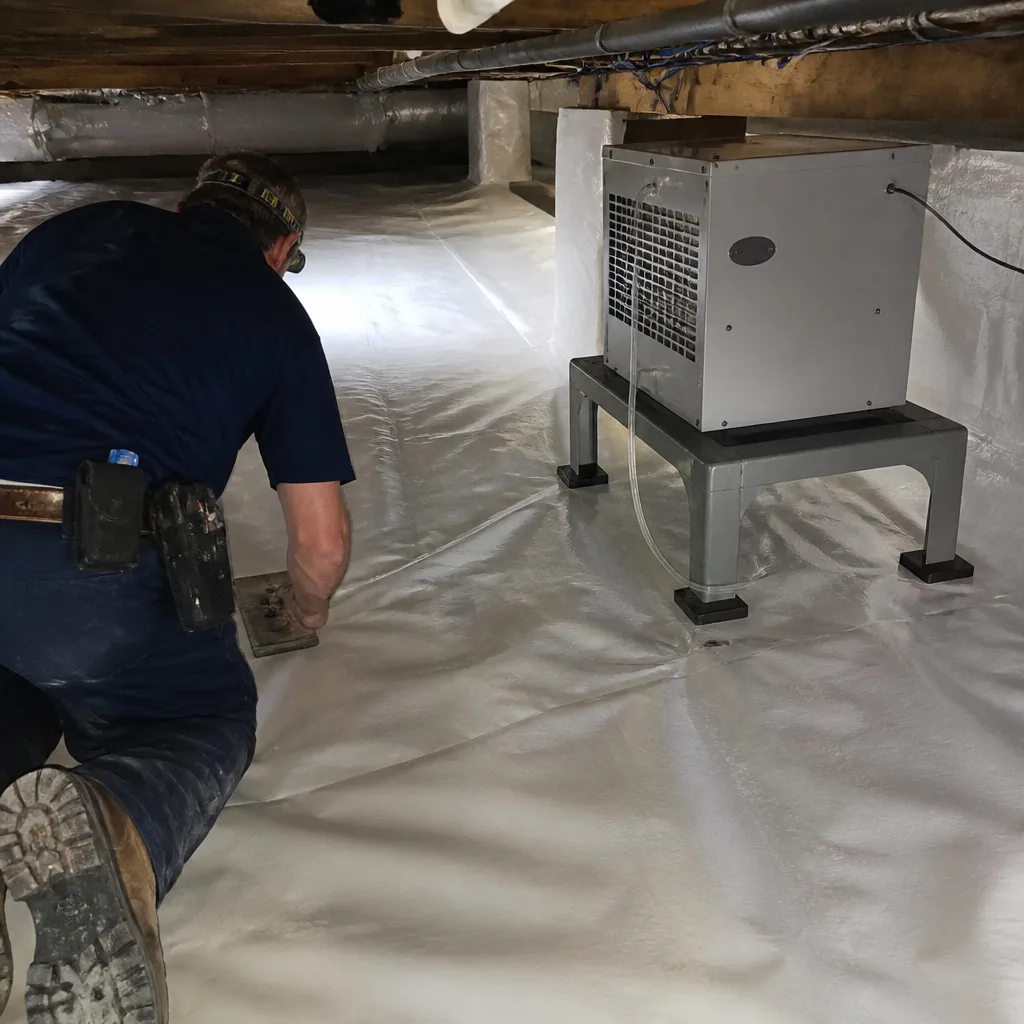
Call for an assessment when you’ve identified multiple warning signs from this guide, when comfort problems persist despite HVAC service, or when you’re considering any insulation investment over $1,000. A professional evaluation should include attic access, visual inspection of the five failure locations, and ideally a blower-door test to quantify air leakage. Attic Insulation in Georgetown from Topside Attic Insulation Georgetown includes a Documented Photo Record of every visit, and on applicable jobs, before-and-after blower-door numbers so you can verify the result. We offer free estimates in Georgetown - call (254) 970-2136.
Frequently Asked Questions
Most attic insulation jobs in a Georgetown home of 2,000 to 2,500 square feet run between $2,800 and $6,500 for air sealing plus blown-in insulation to R-38, or $5,500 to $9,500 for full removal and replacement with spray foam at the roofline. Spot repairs for isolated issues typically fall between $800 and $2,400. Call (254) 970-2136 for an exact quote - estimates are free, and we provide a Written Price Before Any Work Starts under Haven Standard Clause 1.
You can add over existing insulation only if the old material is dry, uncontaminated, and reasonably level. In Georgetown’s climate, we find that 30 to 40 percent of attics have moisture staining, pest activity, or uneven settling that makes overlay a poor choice. We inspect first, document with photos, and recommend removal when conditions warrant. The 365-Day Done Right Promise applies either way.
This is attic air leakage at ceiling penetrations combined with inadequate insulation depth over the second floor. Hot attic air enters through can lights, top plate gaps, and HVAC boots, then radiates downward. The first-floor thermostat senses cooling and shuts off the system before the upstairs reaches setpoint. The fix is sealing leaks first, then adding insulation - not replacing your HVAC with a larger unit.
Look for uniform pathways or tunnels through blown-in material, often with droppings or compressed nesting areas. In Georgetown, roof rats and squirrels are the most common attic pests. Damaged insulation must be removed; pest entry points must be sealed before new material goes in. We include rodent proofing as part of our Crawl Space Encapsulation & Vapor Barrier in Georgetown and attic cleaning services.
A blower-door test is a pressurization measurement that shows, in a single figure, how much conditioned air your home is losing through leaks in the building envelope. For Georgetown homes, we consider readings above 4,000 CFM50 to indicate significant leakage that warrants comprehensive air sealing before insulation work. We provide before-and-after blower-door numbers on every applicable job so you can see the actual improvement.
Spray Foam Insulation in Georgetown is worth considering for homes with complex attic geometry, conditioned attic conversions, or severe air leakage that cannot be addressed with conventional sealing. Open-cell spray foam at the roofline creates an unvented attic that eliminates most leakage paths at their source. The payback period in Georgetown’s cooling-dominant climate is typically 7 to 12 years versus blown-in fiberglass, shorter if ductwork is relocated into the conditioned space. We install Icynene and Demilec open-cell products, among others, with no proprietary lock-in.
The Bottom Line
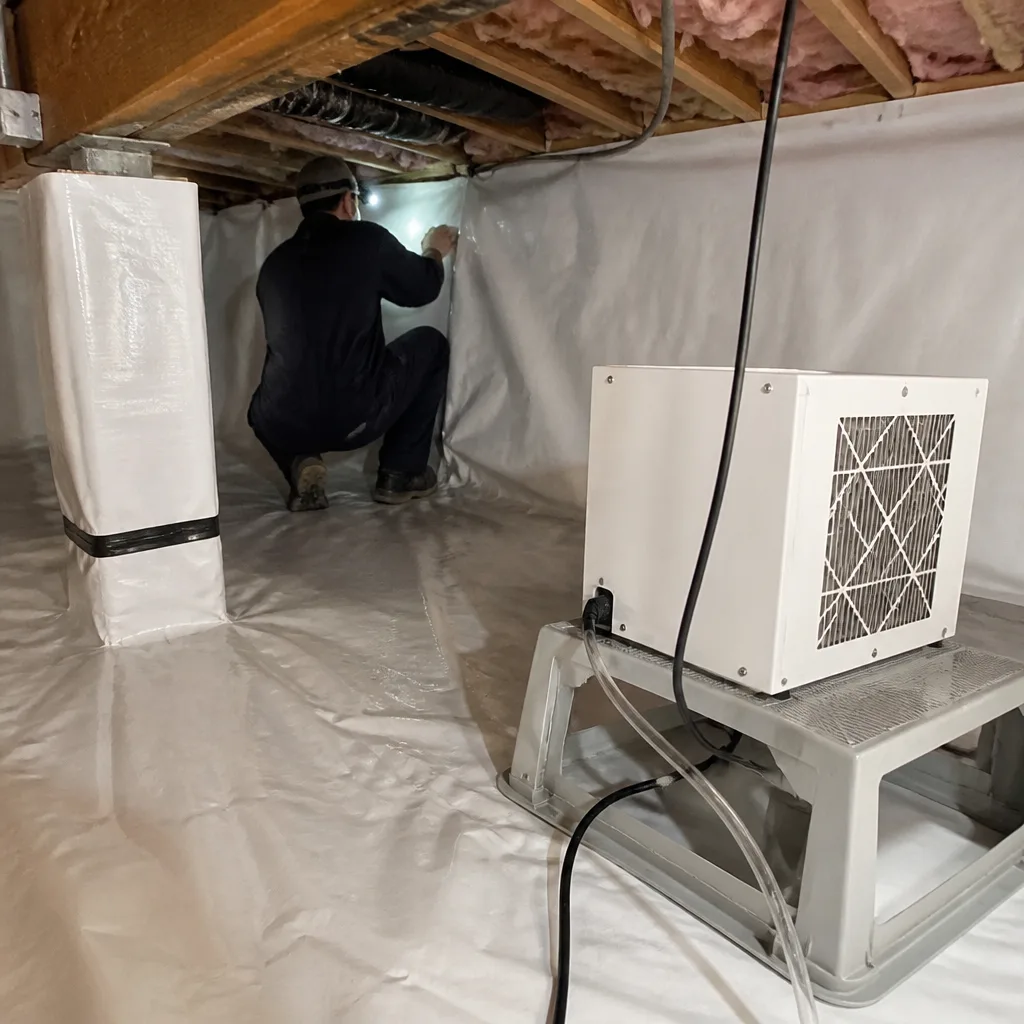
Insulation failure in Georgetown homes announces itself months before the electric bill spikes, if you know where to look. The five critical locations - attic hatch, knee walls, can lights, HVAC boots, and top plates - each tell a specific story about air sealing, material condition, or installation quality. Reading these signs correctly separates spot repairs from full replacements, and air sealing work from insulation work. The blower-door test provides the objective threshold: under 2,500 CFM50, seal and supplement; over 4,000 CFM50, consider complete removal and rebuild. Document everything - photos, readings, written scope - before any work begins. That’s the Haven Standard.
Written by Wes Okafor, Owner at Topside Attic Insulation Georgetown, serving Georgetown since 2016.