
Last updated September 24, 2026
Insulation Permits, Codes & Inspections in TX: What You Need to Know
Georgetown adopted the 2021 IECC with local amendments in 2023. If your insulation contractor pulled no permit on a full attic replacement after that date, either the scope didn’t trigger the threshold - or they skipped a required step. Knowing which one matters when you sell. We’ve walked attics in Georgetown’s historic districts and new builds in Sun City alike, and the permit story changes based on square footage, R-value jump, and whether you’re touching the air barrier. This guide maps the actual rules, not the rumor, and complements our Insulation Warning Signs: A Georgetown Homeowner’s Reference Guide so you can verify your contractor’s paperwork before the inspector - or the buyer’s agent - does.
Quick Answer
Most attic insulation replacements in Georgetown require a building permit if they exceed 500 square feet or involve changing the insulation type or R-value. The 2021 IECC with local amendments mandates minimum R-38 in ceilings for Climate Zone 2A, and inspections verify depth, air barrier continuity, and vapor retarder placement. Unpermitted work can void utility rebates and create disclosure obligations under Texas Property Code when you sell; see our Seasonal Insulation Care for Georgetown: Year-Round Homeowner’s Guide for timing considerations.
Table of Contents
- When Is a Permit Required for Insulation Work in Georgetown?
- IECC 2021 and Climate Zone 2A: What Georgetown Actually Requires
- What a Code Inspection for Insulation Actually Checks
- Resale Disclosure: What Texas Law Requires You to Report
- Utility Rebates and the Permit Trap
- Why Air Sealing Complicates the Permit Picture
- Common Mistakes to Avoid
- When to Call a Professional
- Frequently Asked Questions
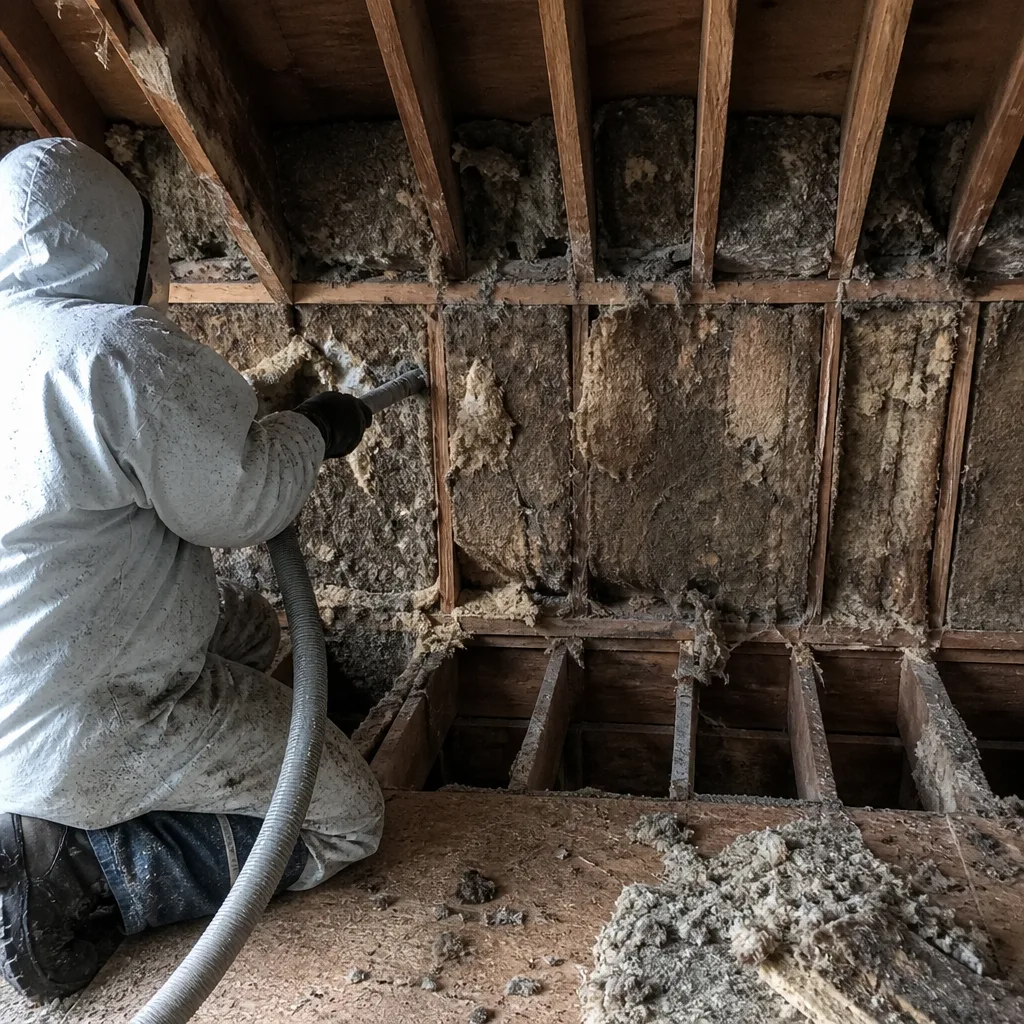 Before
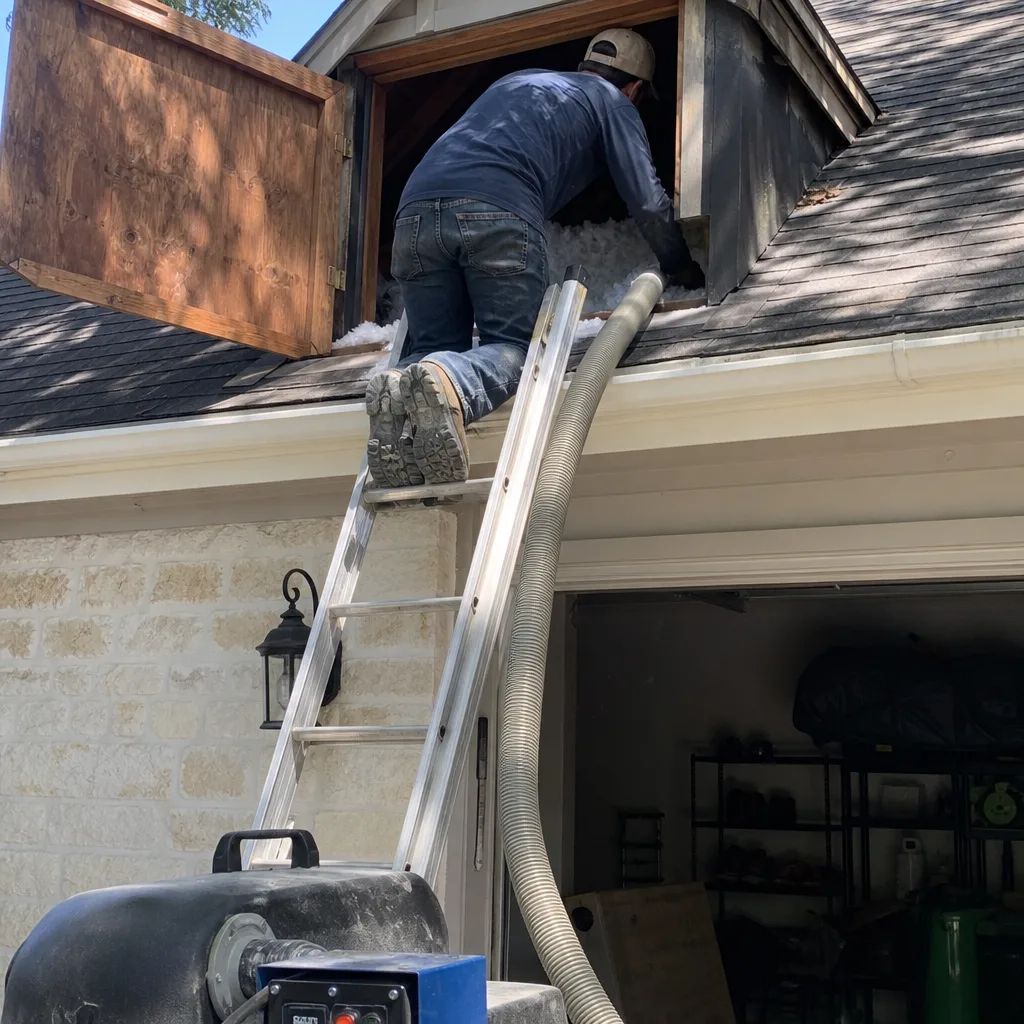 After
AfterWhen Is a Permit Required for Insulation Work in Georgetown?
Georgetown’s Building Inspections Division operates under the 2021 International Building Code and 2021 International Residential Code, with the 2021 IECC adopted by reference. The local amendments, effective 2023, added specificity that many contractors still misread.
Here’s the threshold that matters: a building permit is required for insulation work that meets any of these conditions:
- The work area exceeds 500 square feet of ceiling, wall, or floor assembly
- The insulation type changes (for example, from fiberglass batts to spray foam, or from blown-in cellulose to mineral wool)
- The R-value increases by more than 3 full points (going from R-19 to R-38 triggers this; going from R-30 to R-38 does not)
- The work involves removing and replacing insulation as part of a larger renovation with a valuation over $5,000
- The project includes modifications to the thermal envelope’s air barrier (sealing top plates, adding rigid foam to kneewalls, etc.)
The “like-for-like repair” exemption covers smaller jobs: topping off existing insulation in the same material type without exceeding the 500-square-foot threshold, or spot repairs in water-damaged areas under 100 square feet. We’ve done these repairs in Georgetown’s Northlake and Berry Creek neighborhoods where a section of batts needed replacement after a roof leak - no permit, no inspection, just documented photos for the homeowner’s file.
But here’s where contractors get sloppy. A full attic blow-over of GreenFiber cellulose on top of existing fiberglass? That’s a type change. It needs a permit. Stripping an old attic down to the drywall and installing new Topside Attic Insulation Georgetown home systems with air sealing? Definitely permitted work. The permit application in Georgetown runs $85-$175 depending on square footage and whether mechanical or electrical trades are also involved.
One more Georgetown-specific wrinkle: homes in the Historic Overlay District face additional review. If your property is designated historic or contributing, insulation work visible from the exterior - such as rigid foam on a kneewall or changes to vented soffit details - may require Historic and Architectural Review Commission approval before the building permit can issue. We’ve navigated this for homeowners near Southwestern University; the HARC process adds 2-3 weeks but is not optional.
IECC 2021 and Climate Zone 2A: What Georgetown Actually Requires
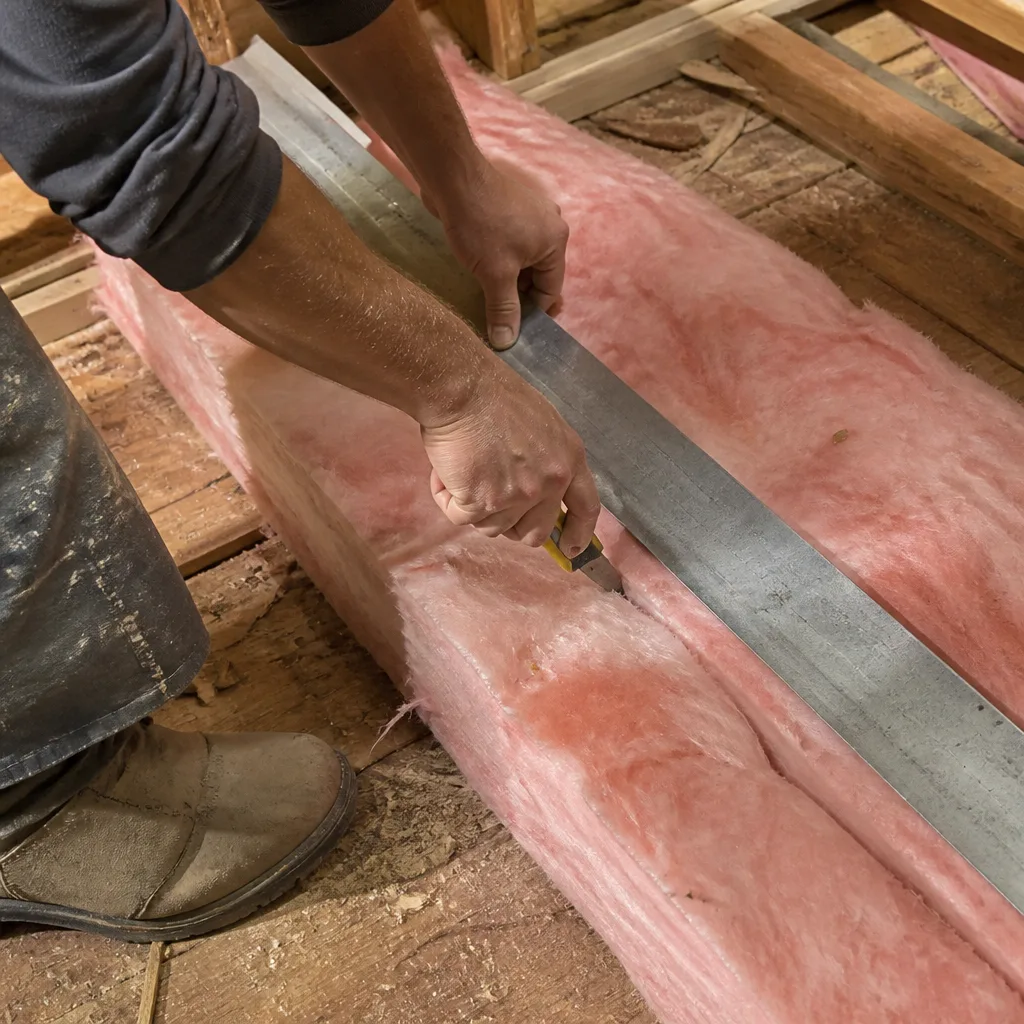
Georgetown sits in IECC Climate Zone 2A - hot-humid. This classification drives every prescriptive requirement in the code, and it’s why the R-value tables you find online for Denver or Minneapolis don’t apply here.
The 2021 IECC Section R402, as amended by Georgetown’s local ordinance, specifies these minimums for residential construction:
| Assembly | Minimum R-Value (Prescriptive Path) | Georgetown Amendment Notes |
|---|---|---|
| Ceiling/Attic | R-38 | R-30 acceptable at vaulted or cathedral ceilings where full depth is structurally impractical; must be noted on plans |
| Wood Frame Wall | R-13 cavity + R-5 continuous, or R-20 cavity | No local amendment; standard 2×4 construction with R-13 batts no longer complies for new construction without exterior rigid foam |
| Floor over unconditioned space | R-19 | Crawl space floors in Georgetown’s clay-heavy soils often settle; inspection includes verification against subfloor, not just nominal depth |
| Basement wall | R-15 continuous or R-19 cavity | Limited applicability in Georgetown; most homes are slab-on-grade or pier-and-beam |
| Slab edge (heated slab) | R-10, 2 feet vertical or horizontal | Rare in Georgetown; most slab homes are unheated slab |
The air leakage target is where Georgetown’s 2023 amendments get interesting. The base 2021 IECC requires 3 or 5 ACH50 depending on construction type. Georgetown added a local note: for existing homes undergoing insulation replacement with permit, the contractor must “verify or establish” air barrier continuity at the attic floor, even if the project doesn’t trigger full blower-door testing. This is not a formal ACH50 requirement for retrofits, but the inspector will look for sealed top plates, blocked soffit vents at insulation baffles, and sealed penetrations.
We’ve been performing blower-door tests - pressurization readings that show, in one number, how much air your building envelope is losing - on every applicable job since 2016. In Georgetown’s hot-humid climate, air leakage matters as much as R-value. A leaky R-38 attic performs worse than a tight R-30. The code is starting to catch up to what building science has known for decades.
The performance path (Section R405) offers an alternative to prescriptive R-values. A home can comply with lower insulation levels if the overall building performance meets or exceeds the reference design. This requires approved software modeling - we use REM/Rate - and is rarely cost-effective for simple attic jobs. For whole-house retrofits in Georgetown’s larger homes, particularly in Cimarron Hills or Rancho Sienna, the performance path can optimize spending across the envelope.
What a Code Inspection for Insulation Actually Checks
A passing inspection is not a performance guarantee. Understanding what the inspector actually verifies helps you ask better questions of your contractor.
Georgetown Building Inspections conducts two relevant inspections for permitted insulation work: the rough inspection (before insulation is covered or enclosed) and the final inspection (after completion, with access provided for verification). Here’s what each covers:
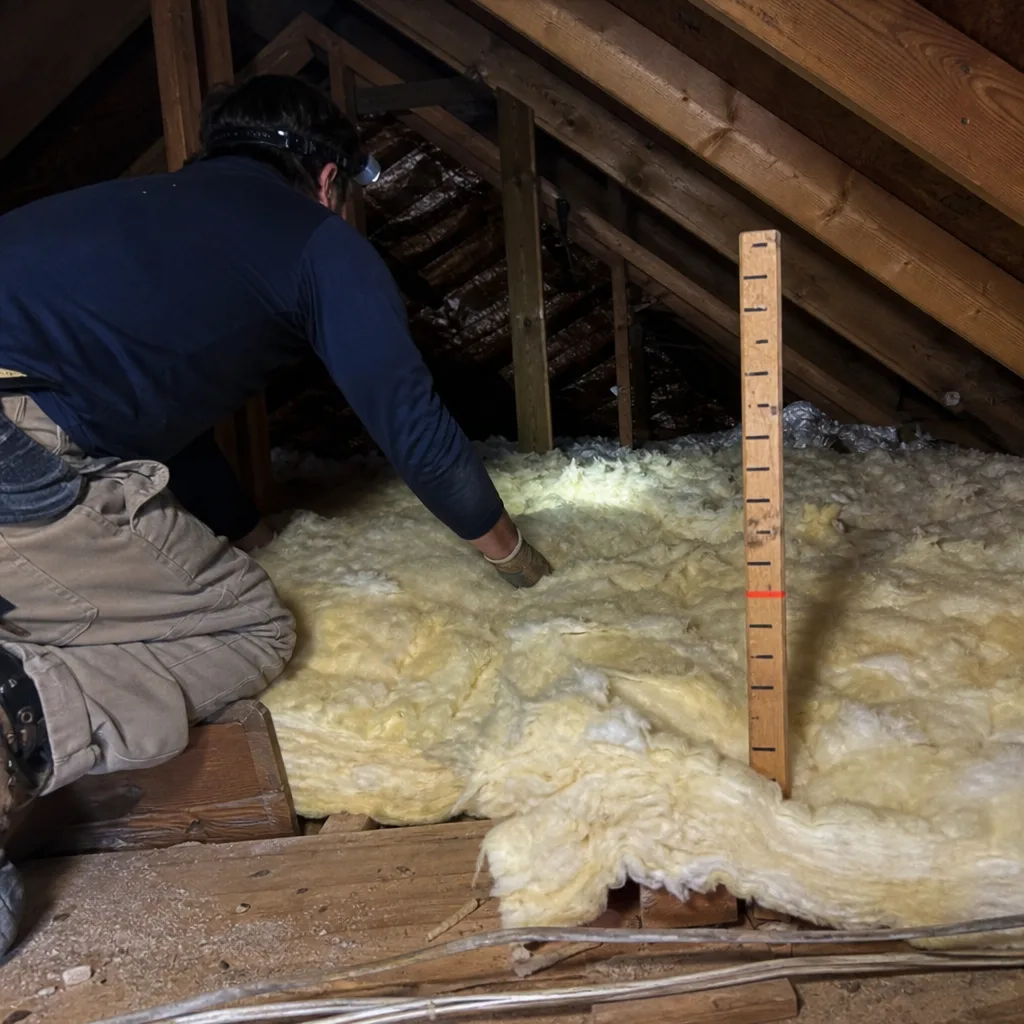
- Depth gauge readings. The inspector carries a ruler or probe and checks insulation depth at multiple points. For blown-in materials, they measure against the marked R-value depth chart required on attic rafters or joists. For batts, they verify nominal thickness matches the labeled R-value. In Georgetown’s Climate Zone 2A, R-38 fiberglass batts are nominally 12 inches; blown cellulose needs approximately 10-12 inches depending on settled density. The inspector does not test settled density - they measure what’s there.
- Air barrier continuity. At the rough inspection, the inspector verifies that required air sealing is complete before insulation covers it. This means sealed top plates - the horizontal framing member where wall studs meet the ceiling joists - are visible and appear sealed with caulk, foam, or gasket. Recessed can lights in contact with insulation must be IC-rated (insulation contact) or sealed with a preformed cover. Bathroom exhaust fans must vent to exterior, not terminate in attic space. We’ve found unsealed top plates in nearly every pre-2010 Georgetown home we’ve worked on; it’s the most common air leakage path after the attic access hatch itself.
- Vapor retarder placement. In Climate Zone 2A, the 2021 IECC requires a Class I or II vapor retarder on the interior side of frame walls in most cases. For attics, the vapor retarder question is more nuanced. Vented attics in hot-humid climates generally do not require a vapor retarder on the attic floor; the priority is air sealing, not vapor blocking. However, if spray foam is applied to the roof deck (creating an unvented conditioned attic), the foam itself must be specified as open-cell or closed-cell with appropriate permeance. Georgetown inspectors verify the foam manufacturer’s documentation is on-site and matches the approved plans.
- Clearance and safety items. Insulation must maintain required clearances from heat-producing fixtures - 3 inches from non-IC-rated recessed lights, proper baffles maintaining 1-inch clearance at soffit vents, no insulation blocking combustion air intakes for gas appliances. These are life-safety items, and inspectors flag them consistently.
- Documentation review. The inspector checks that insulation bags or delivery tickets are on-site showing the installed product matches the approved R-value. For spray foam, the applicator must provide a certificate showing thickness, density, and R-value achieved. We provide this documentation as part of our standard Attic Insulation in Georgetown project closeout.
What the inspector does NOT check: actual thermal performance, post-installation air leakage rate, or whether the insulation was installed to manufacturer’s density specifications for blown materials. A visual pass does not mean your attic performs at R-38. That’s why we publish before-and-after blower-door numbers on every applicable job - the inspector’s ruler can’t measure what a pressurization test reveals. For a full maintenance schedule, see our Attic Insulation Maintenance Checklist for Georgetown Homeowners.
Resale Disclosure: What Texas Law Requires You to Report
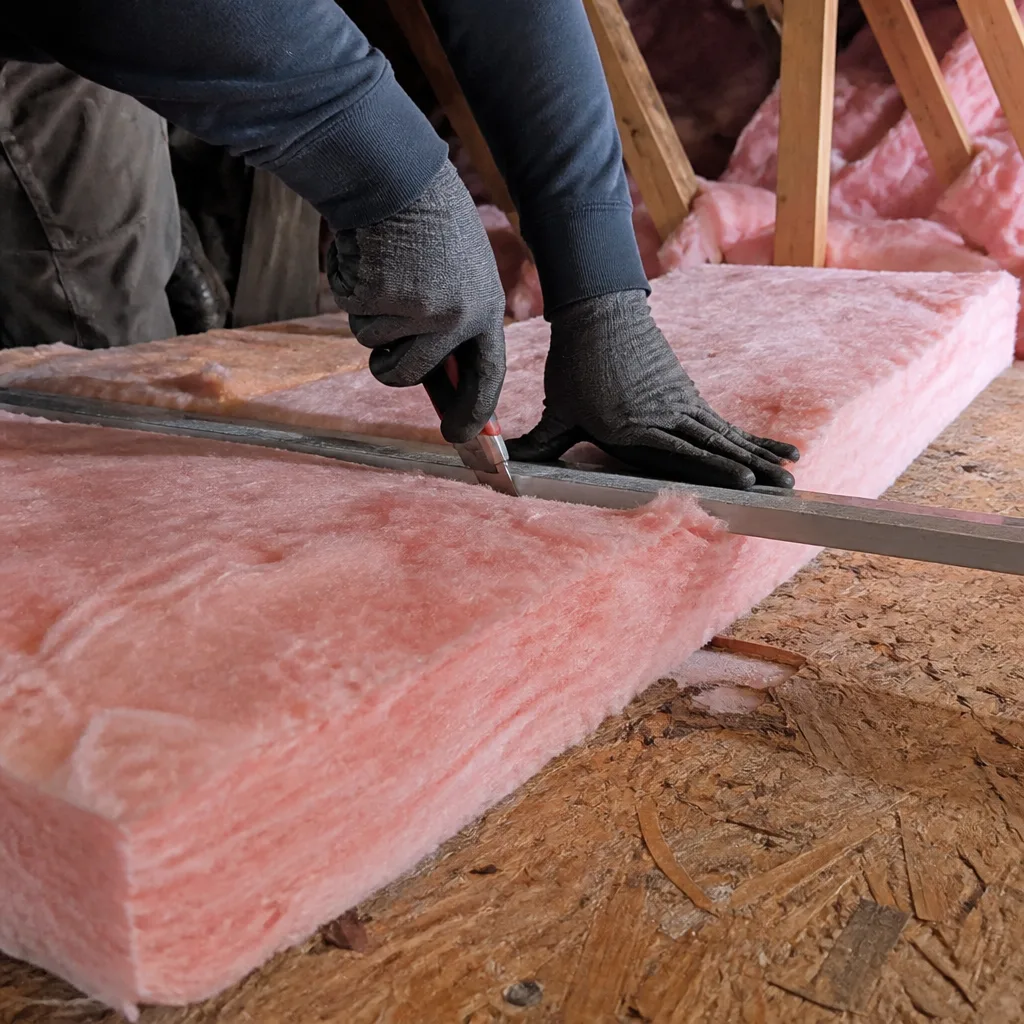
Texas Property Code Section 5.008 requires sellers to disclose known defects and material facts affecting property value. The standard Seller’s Disclosure Notice, promulgated by the Texas Real Estate Commission, includes a specific question about improvements, repairs, and additions made during ownership - and whether proper permits were obtained.
Question 7 on the TREC form asks: “Have you ever made any improvements, repairs, or additions to the property for which the required permits were not obtained?” This is a yes/no question with no statute of limitations. Work done in 2023 must be disclosed in 2033.
Here’s the Georgetown-specific risk: unpermitted insulation work that should have been permitted creates a latent disclosure obligation. If you replaced insulation in a 2,400-square-foot attic in 2024 and no permit was pulled, you must answer “yes” to Question 7 when you sell. This triggers follow-up questions from buyers, potential re-inspection requirements, and in some cases, demands for retroactive permitting or price concessions.
We’ve consulted with Georgetown homeowners who discovered this at listing time. One homeowner in Serenada faced a $3,500 concession because their 2022 attic insulation replacement lacked a permit; the buyer’s lender required documentation for an energy-efficient mortgage add-on. The work was code-compliant - R-38 batts, properly installed - but the paper trail didn’t exist.
A permit and inspection record satisfies the disclosure requirement cleanly. The permit card, inspection sign-offs, and final approval are public record in Georgetown’s permit database. When we complete a permitted job, the homeowner receives copies of all documentation for their files, and we note the permit number on our written scope. Under Haven Standard: Have it in writing.
There’s a second disclosure layer: Texas Property Code 5.008 also requires disclosure of “any condition that would affect the health or safety of the occupants.” Improperly installed insulation - particularly in contact with non-IC-rated recessed lights, or blocking combustion air - could trigger this if the seller knows of the condition. A permitted, inspected installation provides third-party verification that these hazards were addressed.
Utility Rebates and the Permit Trap
CPS Energy and Oncor operate the primary residential insulation rebate programs available to Georgetown homeowners. Both programs require documented code compliance, and both can claw back rebates if documentation fails audit.
The CPS Energy Home Energy Efficiency Program offers rebates for attic insulation upgrades, typically $0.15-$0.30 per square foot depending on the starting R-value and achieved R-value. Application requires:
- Pre-installation inspection by a program-approved contractor
- Post-installation inspection verifying R-value and installation quality
- Copy of applicable permits for the work performed
- Invoice showing material type, square footage, and R-value achieved
Oncor’s Texas Energy Efficiency Program, available to Georgetown customers in Oncor’s service territory, has similar requirements with an additional wrinkle: the program conducts random post-payment audits. If your rebate application included a permit number, Oncor may verify that permit against municipal records. A mismatch - permit denied, permit not found, or permit issued for different scope - can trigger rebate recapture plus administrative penalties.
We’ve seen this happen. A Georgetown homeowner in Wolf Ranch used a contractor who pulled a permit for “repair” but performed a full replacement. The permit scope didn’t match the invoice. Oncor’s audit flagged the discrepancy, and the homeowner received a demand letter for $1,847 in repaid rebates plus a 12-month program suspension.
The permit trap works both ways. Some contractors avoid permits to save the $85-$175 fee and the inspection scheduling delay. Others pull permits with minimized scope descriptions to avoid triggering HARC review or higher permit fees. Both approaches put the homeowner’s rebate at risk and create the disclosure problems discussed above.
When we quote Spray Foam Insulation in Georgetown or any insulation scope, we specify whether a permit is required, what the permit scope will state, and what documentation you’ll receive for rebate applications. This is part of our written price before any work starts - Haven Standard Clause 1. No surprises at rebate time.
Why Air Sealing Complicates the Permit Picture
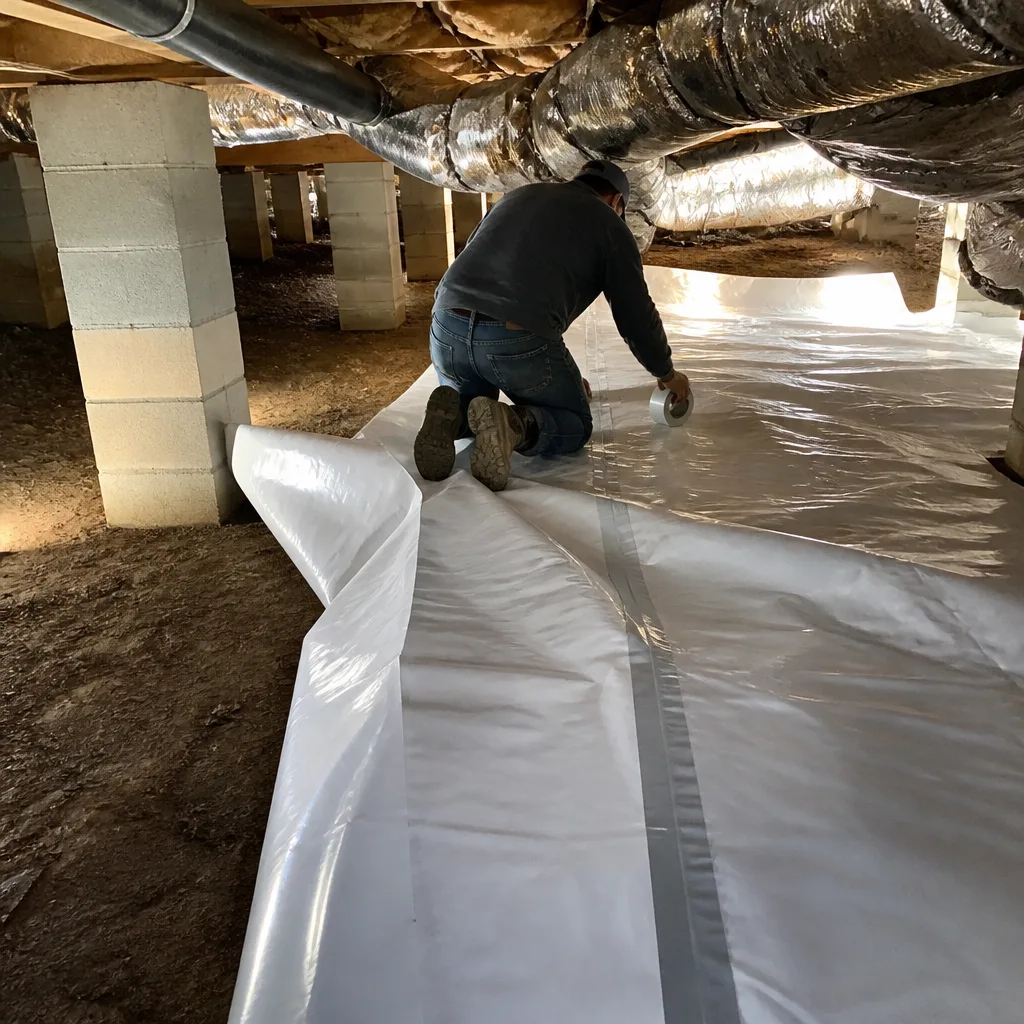
Air sealing is where our approach diverges from standard practice, and it’s where permitting gets interesting. Most insulation contractors in Georgetown treat air sealing as an upsell or skip it entirely. We seal first, then insulate - in that order. Envelope Insulation Co. will never blow insulation over an unsealed attic floor.
This creates a permitting question that the code doesn’t answer cleanly. Georgetown’s adopted IRC defines “alteration” as construction involving cutting, removal, or addition of any part of a building. Air sealing - caulking top plates, foaming wire penetrations, installing sealed can light covers - doesn’t remove or add building components in the traditional sense. But it modifies the thermal envelope’s performance characteristics.
Our practice: if air sealing is performed as part of a permitted insulation scope, we include it in the permit application and inspection. The inspector verifies it at rough inspection. If we’re called in for air sealing only - no insulation replacement - we evaluate whether the work triggers permitting. Sealing an attic access hatch and three can lights in a 1,200-square-foot attic? Likely exempt as minor repair. Comprehensive air sealing of top plates, penetrations, and duct boots across a 3,000-square-foot home? We recommend permitting, both for the inspection value and for the documentation trail.
The blower-door test complicates this further. Georgetown does not require blower-door testing for existing home retrofits. But if we perform one - and we do, on every applicable job - the results become part of our documented record. A pre-sealing reading of 4,800 CFM50 and post-sealing reading of 2,400 CFM50 demonstrates performance improvement that no visual inspection can match. We provide these numbers to the homeowner, and if the job is permitted, we note that testing was performed in our project documentation.
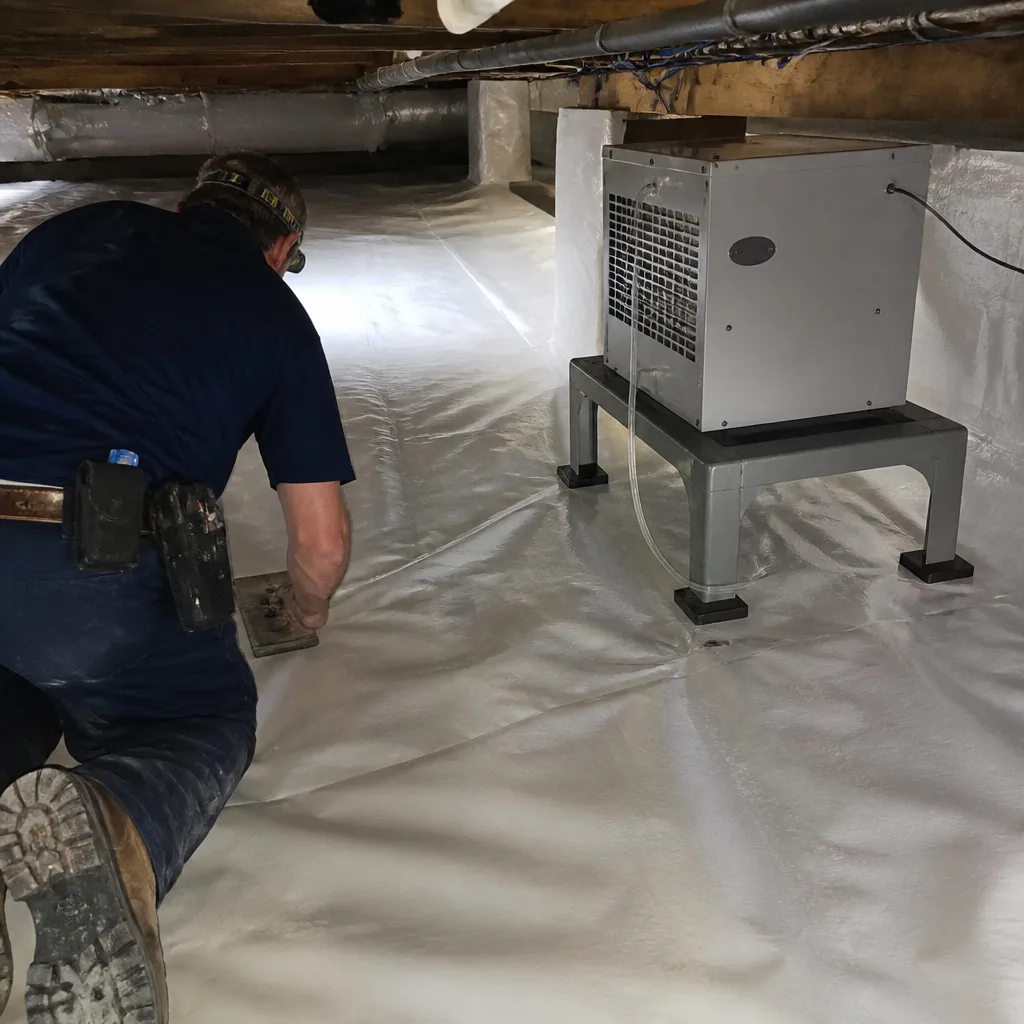
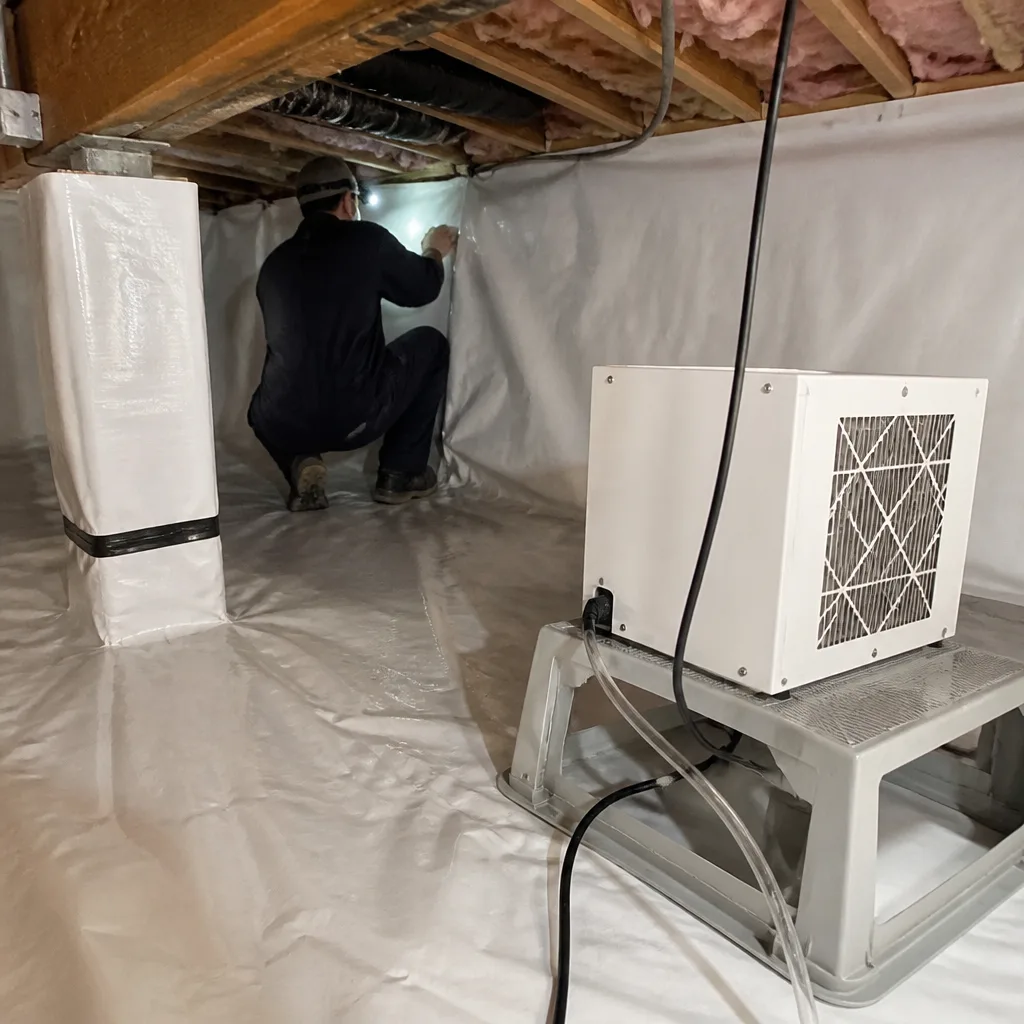
For Crawl Space Encapsulation & Vapor Barrier in Georgetown, the permitting picture is clearer: full encapsulation with vapor barrier, insulation, and conditioned air supply is treated as a mechanical alteration requiring permit. Partial vapor barrier installation without conditioning may fall under repair exemption. We evaluate each crawl space individually and specify permitting status in our written scope.
Common Mistakes to Avoid
- Assuming attic insulation never needs a permit. Georgetown’s 500-square-foot threshold catches most full attic jobs. The “it’s just insulation” assumption has cost homeowners at resale.
- Accepting a verbal “permit not required” without written verification. We’ve heard this from competitors in Georgetown’s Round Rock-adjacent subdivisions. Ask for the specific exemption cited and confirm with Building Inspections at (254) 970-2136.
- Letting the contractor pull a “repair” permit for replacement scope. This saves the contractor time but creates a scope mismatch that rebate programs and buyers’ agents will catch.
- Ignoring the air sealing inspection window. If air sealing is in your permit scope, it must be complete and visible at rough inspection. Insulating over it before inspection means cutting open finished work or failing inspection.
- Discarding permit documentation after final inspection. Keep permits, inspection sign-offs, and contractor invoices for the duration of ownership. You’ll need them for rebates, insurance claims, and resale disclosure.
- Assuming all spray foam installations are equal. Georgetown inspectors verify foam type and thickness against manufacturer specs. We’ve seen jobs fail because open-cell foam was specified but closed-cell was applied, or because the applicator couldn’t produce the required certification. We source materials from approved manufacturers including Icynene and Demilec, with documentation on every job.
- Missing the HARC layer in historic districts. Properties near downtown Georgetown or in designated historic overlays need HARC approval before building permits issue. Starting work without it triggers stop-work orders.
When to Call a Professional
Call a professional when your project exceeds 500 square feet, changes insulation type or R-value, involves spray foam or rigid foam installation, or includes air sealing of the thermal envelope. Call when you’re unsure whether your property is in Georgetown’s Historic Overlay District. Call when you need documentation for a CPS Energy or Oncor rebate application, or when you’re preparing to list your home and need to verify past work.
Topside Attic Insulation Georgetown offers free estimates in Georgetown - call (254) 970-2136. Every estimate includes a written scope, permit determination, and flat price before any work starts. Explore more guides & resources on our blog. We bring 9,000+ homes of experience since 2016, and we publish before-and-after blower-door numbers on every applicable job so you can verify the result.
Frequently Asked Questions
Residential insulation permits in Georgetown typically cost $85-$175 depending on project square footage and whether mechanical or electrical trades are also involved. The base permit fee for attic insulation only is $85 for projects under 1,000 square feet and $125 for larger scopes. Call Georgetown Building Inspections at (254) 970-2136 for exact fees on your specific project, or call us at (254) 970-2136 and we’ll confirm it in your written estimate.
Yes, if the work qualifies as “like-for-like repair” under Georgetown’s adopted IRC: topping off existing insulation in the same material type without exceeding 500 square feet, or spot repairs under 100 square feet. Changing insulation type, increasing R-value by more than 3 points, or working in an area over 500 square feet triggers permitting. If you’re unsure, we can evaluate your attic and specify the permit status in writing - estimates are free.
Yes. Texas Property Code requires disclosure of improvements made without required permits, with no time limit. Unpermitted insulation work that should have been permitted creates a “yes” answer on the TREC Seller’s Disclosure Notice, which may trigger buyer concerns, re-inspection demands, or price concessions. A permit and inspection record satisfies the requirement cleanly. Call (254) 970-2136 if you need help documenting past work.
The 2021 IECC with Georgetown’s local amendments requires R-38 minimum for ceilings and attics in Climate Zone 2A. R-30 is acceptable for vaulted or cathedral ceilings where full R-38 depth is structurally impractical, but this exception must be noted on approved plans. These are minimums; performance modeling or the performance path may justify alternative assemblies.
No. Georgetown’s code inspection for insulation verifies visual items: depth, air barrier continuity at accessible points, vapor retarder placement, and safety clearances. The inspector does not perform blower-door testing or verify actual thermal performance. That’s why we perform blower-door tests - pressurization readings showing air leakage in CFM50 - on every applicable job and provide the results to homeowners as documented evidence of improvement.
Generally no. Both CPS Energy and Oncor rebate programs require documented code compliance, including copies of applicable permits. Unpermitted work may be disqualified at application or clawed back during post-payment audit. If you’ve already had work done without a permit, Georgetown may allow retroactive permitting in some cases; contact Building Inspections to discuss. For future work, we include permit documentation in every rebate-ready project.
The Bottom Line
Georgetown’s 2023 adoption of the 2021 IECC created a permitting structure that many insulation contractors still misunderstand. The 500-square-foot threshold, the R-value change trigger, and the air-sealing inspection requirement mean that most full attic replacements now need a permit - and the documentation matters for rebates, insurance, and resale. A passing inspection checks depth and visible air barrier continuity, not actual performance; blower-door testing fills that gap. The cheapest permit is the one pulled correctly the first time. The most expensive is the one skipped and discovered at closing.
Written by Wes Okafor, Owner at Topside Attic Insulation Georgetown, serving Georgetown since 2016.