
Last updated September 24, 2026
DIY vs Professional Insulation: The Georgetown Homeowner’s Decision Guide
Home Depot rents insulation blowers for $150 a day in Georgetown. The machine is easy to run. What it cannot do is tell you whether the attic floor is air-sealed well enough for added insulation to matter - and in most Georgetown homes built before 2010, it isn’t. We’ve completed over 9,000 jobs since 2016, and the pattern repeats: homeowners add R-38 on top of leaky top plates and wonder why their summer AC bills in Georgetown’s 100-degree August still spike. This guide walks through what you can realistically handle yourself, what requires professional equipment and documentation, and how to decide where your time and money belong - or browse more guides & resources for additional help.
Quick Answer
Most Georgetown homeowners can handle two insulation tasks themselves: adding blown-in depth to an already-sealed attic and replacing damaged batt sections in a conditioned crawlspace. Everything else - including the critical air sealing that makes insulation perform - requires a blower-door test, specialized equipment, and documented results to protect your warranty and insurance position. The breakeven point typically falls around 800 square feet of attic space; below that, DIY material costs plus rental approach professional pricing without the air sealing that makes the insulation work.
Table of Contents
- What Homeowners Can Realistically Do Themselves
- What Requires Professional Equipment and Expertise
- The Honest Cost Math: DIY vs. Contracted
- Warranty and Insurance Implications of DIY Work
- The Hybrid Approach: Prep Work Plus Professional Finish
- How Georgetown’s Climate and Housing Stock Affect the Decision
- Common Mistakes to Avoid
- When to Call a Professional
- Frequently Asked Questions
- The Bottom Line
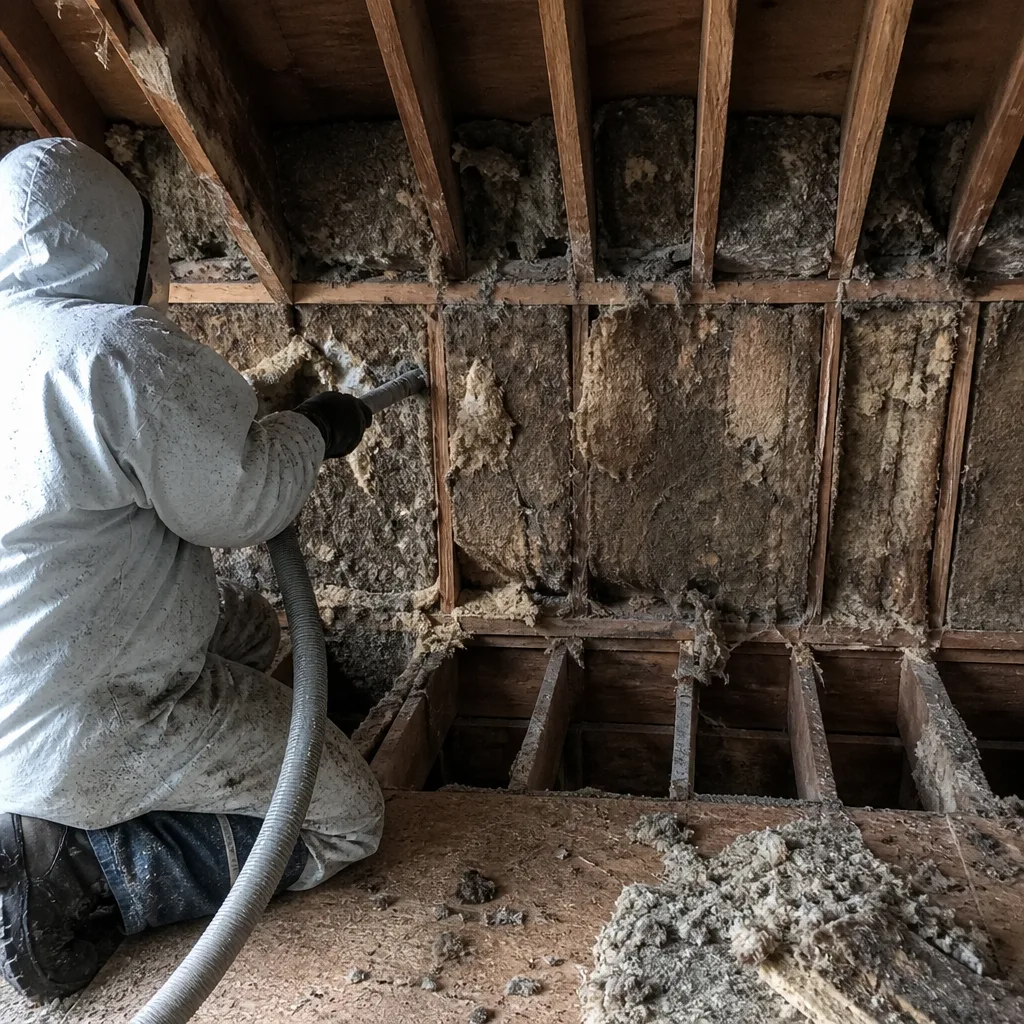 Before
 After
AfterWhat Homeowners Can Realistically Do Themselves
We’ve identified exactly two insulation tasks where a Georgetown homeowner with basic tools and a free weekend can produce a result that holds up: adding blown-in depth to an attic that’s already been professionally air-sealed, and replacing damaged batt sections in a conditioned crawlspace. Both depend on specific preconditions. Skip the preconditions, and the work becomes a waste of material.
Task 1: Adding Blown-In Depth to a Sealed Attic
This only works if a professional has already completed air sealing and can document it. We’re talking about top plates sealed with foam, can lights capped or replaced with airtight IC-rated housings, plumbing and electrical penetrations filled, and a blower-door test on record showing pre- and post-sealing numbers. If you’ve got that documentation - a written scope, photos, and CFM50 readings - then adding depth is straightforward.
Here’s what you’ll need:
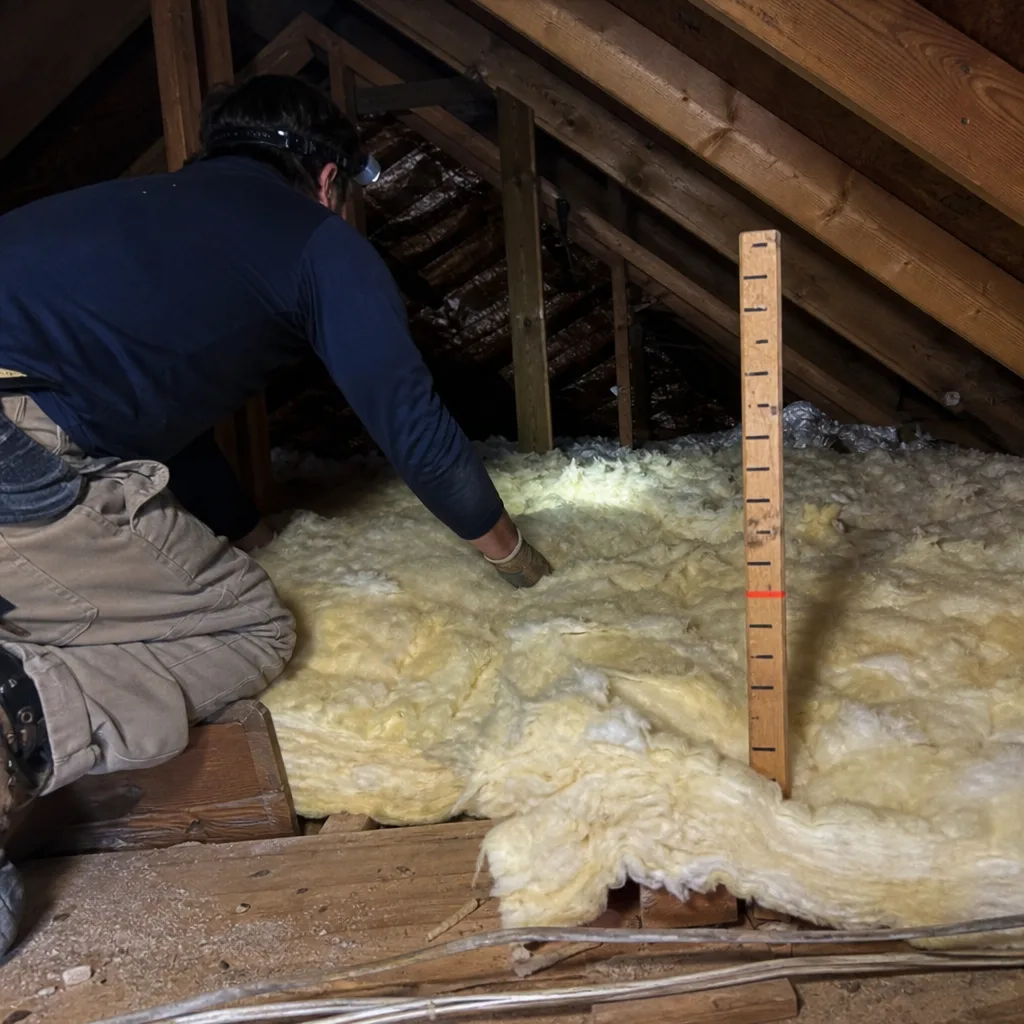
- Verify current depth and target depth. Georgetown sits in IECC Climate Zone 2, where current code calls for R-38 to R-49 in attics. Measure with a ruler in multiple spots; insulation settles unevenly, especially in older Georgetown homes with irregular joist spacing.
- Calculate material volume. Blown-in cellulose from GreenFiber or fiberglass from Owens Corning or Johns Manville runs roughly 0.5 to 0.7 pounds per square foot per inch of depth. A 1,200-square-foot attic needing 6 additional inches requires 600 to 840 pounds of material.
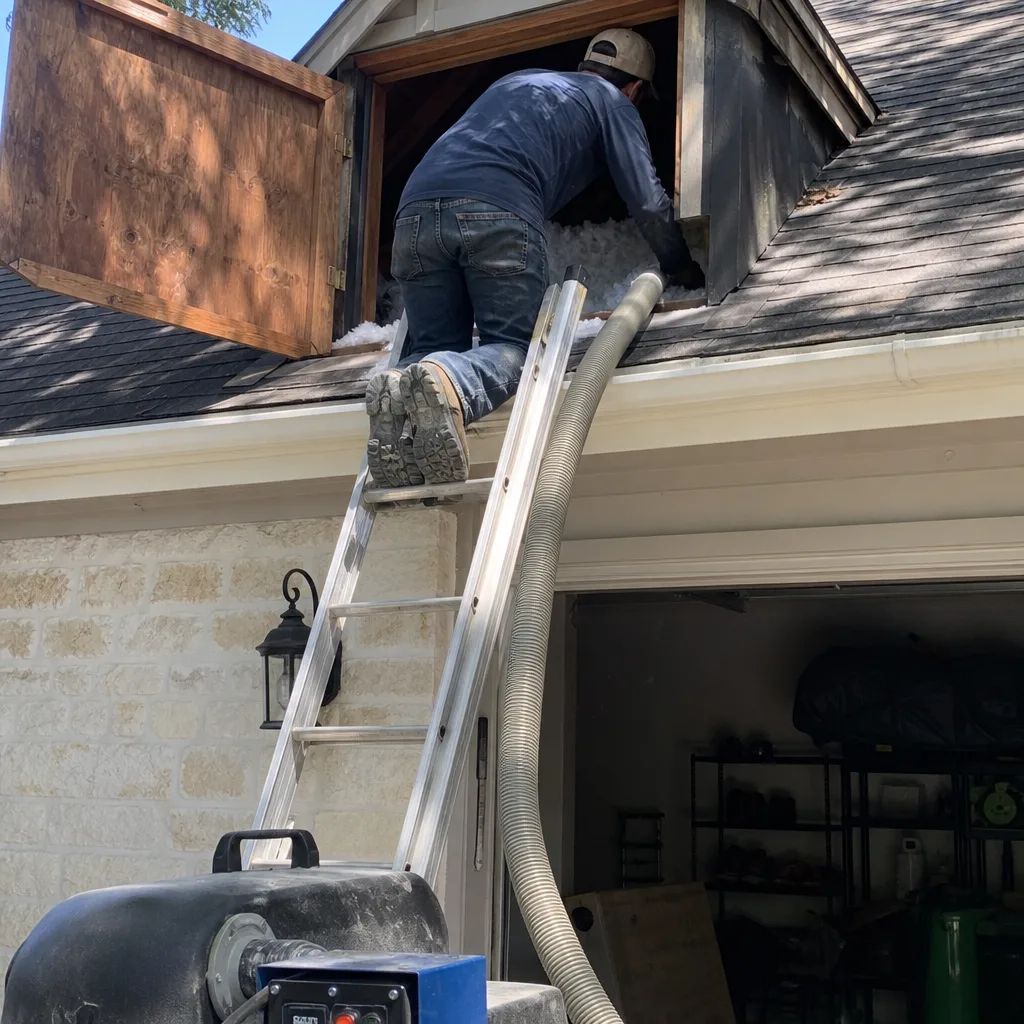
- Rent the blower and buy material as a package. Georgetown-area Home Depot and Lowe’s locations typically bundle the machine rental with material purchase. The blower is a two-person job: one feeds the hopper, one runs the hose. Expect 4 to 6 hours for a typical attic.
- Maintain even distribution and avoid blocking soffit vents. Use baffles at every vent to preserve intake airflow. Georgetown’s humid subtropical climate makes attic ventilation critical; blocked soffits create moisture accumulation that shows up as mold by the following spring.
The critical caveat: if you don’t have documentation that the attic was sealed first, you’re likely blowing insulation over air leaks that will continue to waste conditioned air. In that scenario, call for a Topside Attic Insulation Georgetown home assessment before renting the machine.
Task 2: Replacing Damaged Batt Sections in a Conditioned Crawlspace
A conditioned crawlspace - one that’s sealed and mechanically conditioned, not vented to outside - may have batt insulation between floor joists or against foundation walls. When rodents, moisture, or age degrade sections, replacement is within reach for a careful homeowner.
- Remove damaged batt wearing gloves, long sleeves, and a respirator rated for fiberglass or cellulose dust.
- Inspect the subfloor or rim joist for moisture staining; active leaks must be fixed before new insulation goes in.
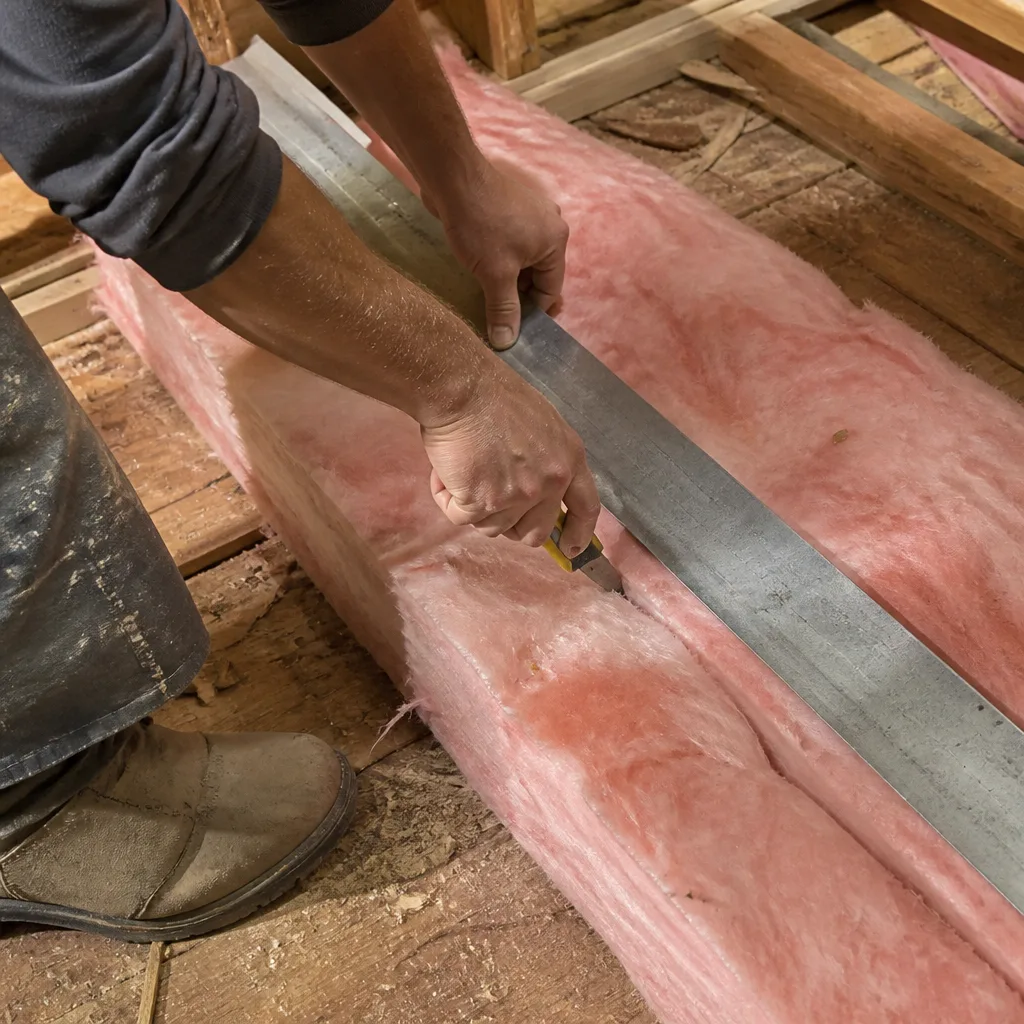
- Cut replacement batt to fit snugly without compression; compressed batt loses 20 to 40 percent of its rated R-value.
- Use mechanical fasteners or friction fit; never rely on vapor barrier facing alone to hold batt in place.
If your crawlspace isn’t conditioned - if it has open vents to outside - this task is not DIY-appropriate. Vented crawlspaces in Georgetown’s clay-soil areas develop moisture dynamics that require professional encapsulation. See our Crawl Space Encapsulation & Vapor Barrier in Georgetown service for what that involves.
What Requires Professional Equipment and Expertise
Four categories of insulation work require professional execution regardless of homeowner skill level. These aren’t matters of convenience; they’re matters of safety, code compliance, and measurable performance.
1. Blower-Door Testing
A blower door - a calibrated fan mounted in an exterior door frame - depressurizes the house to measure air leakage in CFM50, cubic feet per minute at 50 Pascals of pressure. This single number tells you whether air sealing is needed before insulation is added, and whether the sealing work actually worked after completion. The equipment costs $3,000 to $5,000, requires annual calibration, and demands training to interpret results against local climate conditions. In Georgetown’s hot-humid zone, a pre-insulation reading above 3,500 CFM50 for a 2,000-square-foot home indicates significant leakage that will undermine any insulation you add.
We publish before-and-after blower-door numbers on every applicable job. A typical Georgetown home built in the 1990s reads 4,200 CFM50 before sealing and 2,100 after. That’s not a feeling; it’s a documented change you can verify.
2. Spray Foam Application at Penetrations
Two-component spray foam - the material used to seal top plates, rim joists, and complex penetrations - requires specialized equipment, respiratory protection, and training in substrate temperature and humidity limits. Georgetown’s summer attic temperatures exceed 140 degrees, which changes foam expansion rates and adhesion. Professional applicators from Spray Foam Insulation in Georgetown crews monitor substrate temperature, mix ratio, and application thickness in real time. DIY kits from big-box stores carry no warranty when self-applied and frequently fail at the bond line within 18 months in our climate.
3. Air Sealing at Electrical Boxes in Fire-Rated Assemblies
Georgetown adopts the International Residential Code with local amendments. Any penetration in a fire-rated assembly - including ceiling penetrations below habitable spaces - requires fire-rated caulk or putty, not standard latex or acrylic sealant. Misidentifying the assembly type or using wrong material creates a life-safety issue and code violation that surfaces during resale inspection.
4. Work Within 12 Inches of Recessed Lighting
Recessed can lights in Georgetown homes fall into three categories: IC-rated (insulation contact), non-IC rated (no insulation contact), and IC-rated but not airtight. Only the third category can safely have insulation blown directly against it. A professional inspection identifies housing type by model number and determines whether replacement with airtight IC-rated housings is needed before insulation proceeds. Covering a non-IC can with insulation creates a fire hazard; it’s one of the most common DIY errors we correct.
The Honest Cost Math: DIY vs. Contracted
Let’s run the numbers for a typical Georgetown scenario - see our Insulation Cost Breakdown: The Georgetown Homeowner’s Reference for 2026 for deeper context - 1,500 square feet of attic space, current insulation at R-19, target of R-38.
DIY Path
| Item | Cost |
|---|---|
| Blown-in cellulose (GreenFiber, 30 bags at ~$12) | $360 |
| Blower rental (1 day) | $150 |
| Respirator, gloves, lighting, tarps | $75 |
| Time (2 people, 6 hours at conservative $25/hr opportunity cost) | $300 |
| Total DIY Investment | $885 |
This assumes no air sealing is needed. If air sealing is needed - and in Georgetown homes built before 2010, it almost always is - the DIY path has no mechanism to identify or address it. You’re adding R-38 over leaks that continue to bleed conditioned air.
Professional Path with Air Sealing and Documentation
A contracted job for the same 1,500 square feet, including air sealing of top plates, can lights, and penetrations, plus blown-in insulation to R-38, plus blower-door testing before and after, typically runs $2,400 to $3,800 in the Georgetown market. The range depends on accessibility, existing insulation condition, and whether can light replacement is needed.
The breakeven analysis:
- Below 800 square feet: DIY material costs plus rental approach professional pricing without air sealing. The contracted job is usually the better value.
- 800 to 1,200 square feet: DIY saves money only if air sealing is genuinely not needed. Verify with a blower-door test before deciding.
- Above 1,200 square feet: DIY material savings become more substantial, but only if the attic is already sealed. The cost of a standalone blower-door test ($300 to $500) plus DIY materials and rental still undercuts professional work, but you’ve lost the warranty and documentation.
The hidden cost most Georgetown homeowners miss: energy savings from unsealed insulation are 30 to 50 percent lower than from sealed insulation. A DIY job that costs $885 but saves $180 annually on energy bills pays back in 4.9 years. A professional job at $3,200 with air sealing that saves $360 annually pays back in 8.9 years - but the professional job includes a written warranty, documented performance, and protection against moisture claims.
Warranty and Insurance Implications of DIY Work
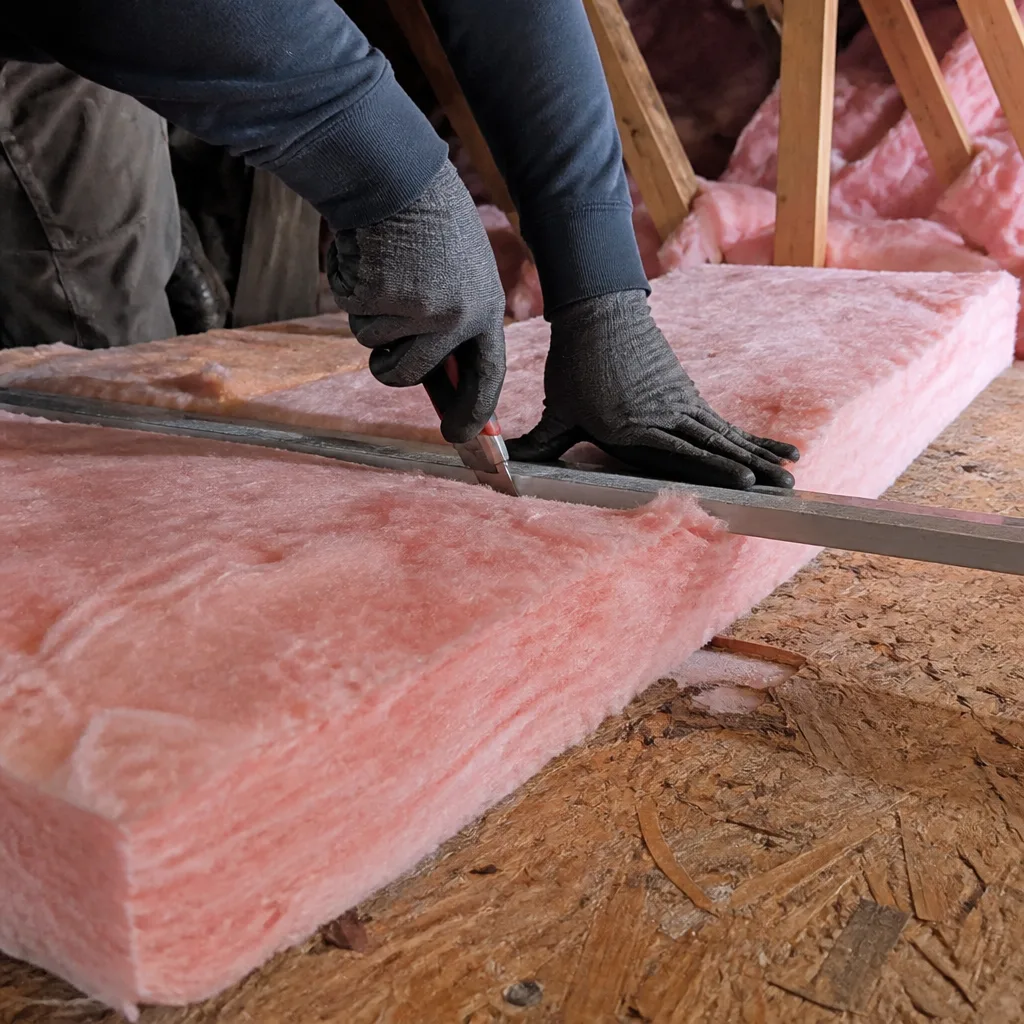
Insulation materials carry manufacturer warranties that depend on installation method. This matters when you sell your Georgetown home or file an insurance claim.
Manufacturer Warranty Limitations
Owens Corning, Johns Manville, and Knauf publish installation guidelines that specify professional application for certain products. Spray foam from Demilec and Icynene requires certified applicator installation for warranty coverage; self-applied kit foam carries no material warranty. Blown-in fiberglass and cellulose warranties are generally product-only and don’t cover installation defects, but some product lines - particularly high-performance batts - require documentation of installation conditions for full coverage.
What this means practically: if your DIY spray foam shrinks and pulls away from the substrate in Georgetown’s temperature swings, you have no recourse to the manufacturer. If professionally applied foam fails, the contractor and manufacturer share liability.
Homeowner’s Insurance and Moisture Claims
Insurance policies vary, but a consistent pattern emerges in claims disputes. When moisture damage occurs in an attic or crawlspace, insurers investigate whether insulation installation contributed to the condition. Improper vapor barrier placement, blocked ventilation, or insulation against non-IC lighting can all be cited as homeowner negligence, potentially reducing or denying coverage.
Professional installation with a written scope, photo documentation, and blower-door results creates a paper trail that protects your position. Under Haven Standard Clause 1, every job we complete includes this documentation delivered before the crew leaves. DIY work creates no such record.
Resale and Inspection in Georgetown
Georgetown’s rapid growth means many buyers work with lenders requiring thorough inspection. Unpermitted spray foam, visible DIY batt installation in fire-rated assemblies, or insulation covering non-IC cans frequently trigger repair demands before closing. The cost of professional remediation to satisfy a buyer’s inspector typically exceeds the original professional installation price.
The Hybrid Approach: Prep Work Plus Professional Finish
The most cost-effective path for many Georgetown homeowners splits the work: you handle preparation, we handle execution and documentation. This approach reduces labor hours (and cost) while preserving the critical air sealing, testing, and warranty protection.
What Homeowners Can Prep
- Clear the attic floor. Remove stored items, boards, and debris. This saves 1 to 2 hours of crew time.
- Identify and mark penetrations. Walk the attic with a flashlight and flag every plumbing vent, electrical junction, recessed light, and top plate intersection with surveyor’s tape. This accelerates our air-sealing phase and ensures nothing is missed.
- Document existing conditions with photos. Wide shots of the attic, close-ups of problem areas, current insulation depth measurements. This becomes part of the project record.
- Verify access. Ensure the attic hatch is operable and the opening is large enough for crew and equipment. Standard 22.5 by 54-inch openings work; smaller hatches may need temporary enlargement.
Typical cost savings from homeowner prep: 15 to 25 percent off the quoted job price, depending on attic condition and accessibility.
What We Handle
Our crew completes air sealing with two-component foam and fire-rated caulk where required, installs baffles at all soffit vents, blows insulation to specified depth with even distribution, and conducts blower-door testing. You receive a written scope, before-and-after blower-door readings, a Documented Photo Record, and the 365-Day Done Right Promise. The prep work you contributed is noted in the project file.
We’ve completed this hybrid model in Georgetown neighborhoods from Serenada to Sun City, typically on homes where the homeowner is capable and motivated but recognizes the value of tested, documented results.
How Georgetown’s Climate and Housing Stock Affect the Decision
Georgetown’s specific conditions should drive your insulation strategy, not generic advice from national guides.
Climate Zone 2: Hot-Humid with Temperature Swings
Georgetown sits at the edge of IECC Climate Zone 2, with cooling-dominated energy use and summer design temperatures near 100 degrees. Attic temperatures in uninsulated or underinsulated spaces reach 140 to 160 degrees from June through September. This extreme delta-T (temperature difference between attic and conditioned space) makes air sealing disproportionately important: every cubic foot of air leaking from your attic into living space carries that heat load directly into your AC system’s workload.
In colder climates, insulation depth dominates performance. In Georgetown’s climate, air sealing dominates. A leaky R-49 attic performs worse than a tight R-30. This is why we never blow insulation over an unsealed attic floor - the sequence matters more than the depth.
Housing Stock: Pre-2010 Construction Patterns
Georgetown’s building boom spans three distinct eras with different envelope characteristics:
- Pre-1990 homes (historic Georgetown, areas near Southwestern University): Balloon framing, minimal or no original attic insulation, knob-and-tube wiring in some cases. These homes require professional assessment for electrical safety before any insulation work.
- 1990-2010 homes (early suburbs, including much of Serenada and portions of Sun City): Fiberglass batts at R-19 to R-30, minimal air sealing, non-IC can lights common. This is the highest-leverage category for professional air sealing plus insulation upgrade.
- Post-2010 homes (newer developments, including portions of Wolf Ranch and Rancho Sienna): Generally better sealed, often at or near code insulation levels. Blower-door testing may reveal that only targeted improvements are needed.
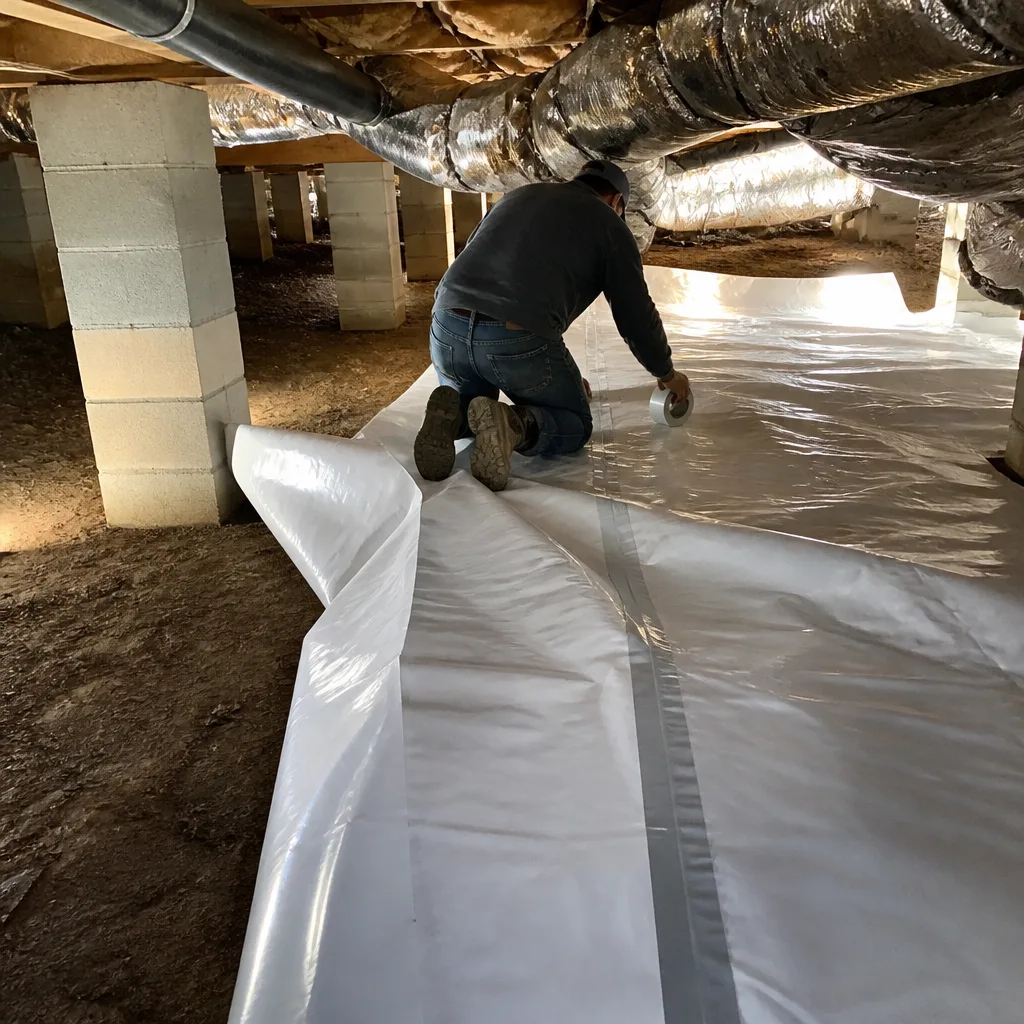
The clay soils in Georgetown’s foundation zones also create crawlspace moisture dynamics that differ from sandy-soil regions to the east. Vented crawlspaces in these soils develop relative humidity above 70 percent for extended periods, making encapsulation - not just insulation replacement - the appropriate intervention.
Common Mistakes to Avoid
- Blowing insulation over non-IC recessed lights. In Georgetown homes built 1995-2008, non-IC cans are standard. Covering them with insulation creates a fire hazard and voids the fixture warranty. Always verify housing type by model number before adding depth.
- Blocking soffit vents with insulation. Georgetown’s humidity requires active attic ventilation. Without baffles, blown-in insulation drifts into soffit vents, creating moisture accumulation that shows as mold on roof sheathing within 12 to 18 months.
- Compressing batt insulation to fit. A batt compressed from 6 inches to 3 inches loses roughly half its R-value. Cut to fit the cavity width and depth without squeezing.
- Ignoring top plate leakage. The horizontal framing member where wall studs meet the ceiling - the top plate - is a primary air leakage path in Georgetown’s platform-framed homes. Adding insulation without sealing this joint is like adding a thicker sweater with holes in it.
- Using the wrong foam type for the application. Open-cell spray foam absorbs moisture and is inappropriate for exterior applications or below-grade. Closed-cell is required for rim joists and crawlspace walls. Mixing these up in Georgetown’s humid conditions leads to moisture trapping and structural damage.
- Skipping the blower-door test because “it feels tighter.” Human perception of air leakage is unreliable below 1,000 CFM50. Only calibrated testing reveals whether sealing was effective.
When to Call a Professional
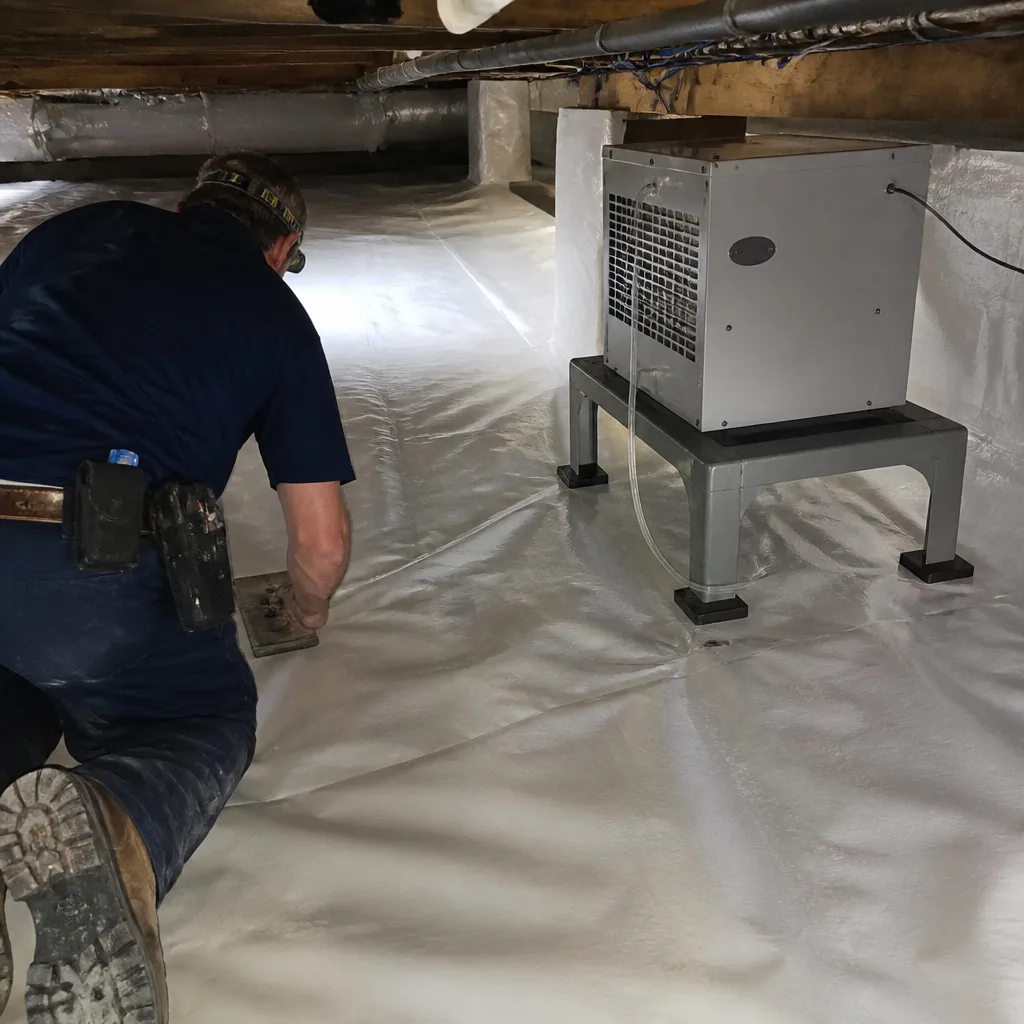
Call a professional when the work involves safety-critical components, code compliance, or performance verification you cannot self-document. Specifically: any spray foam application, any work near electrical or combustion equipment, any fire-rated assembly penetration, and any project where you need blower-door results to prove the outcome. Also call when your attic or crawlspace shows moisture staining, rodent activity, or structural damage - these are symptoms, not standalone insulation problems.
Attic Insulation in Georgetown from Topside Attic Insulation Georgetown includes air sealing, blower-door testing, and documentation on every job. We offer free estimates in Georgetown - call (254) 970-2136 to schedule. Bring us a competing quote; under Haven Standard, we provide a Free Second Opinion on any written estimate, reading it with you line by line.
Frequently Asked Questions
Most attic insulation jobs in Georgetown homes between 1,200 and 2,500 square feet run $2,400 to $4,800 when air sealing and blower-door testing are included. The range depends on accessibility, existing insulation condition, and whether recessed light replacement is needed. Smaller attics with good access and no electrical complications may fall below $2,000; larger or more complex jobs can exceed $5,000. Call (254) 970-2136 for a written price before any work starts - estimates are free.
You can, but only if your attic has already been professionally air-sealed and you have documentation to prove it. Without sealed top plates, can lights, and penetrations, added insulation produces 30 to 50 percent less energy savings than it should. In Georgetown’s pre-2010 housing stock, unsealed attics are the norm, not the exception. Rent the blower after you verify the seal, not before.
Repair is cheaper only when damage is isolated - a few batts disturbed by wiring work, or a small area compressed by storage. Widespread settling below labeled depth, moisture damage, or rodent contamination requires full replacement; patchwork over degraded substrate wastes material and masks ongoing problems. We assess this during our free estimate and specify repair versus replacement in the written scope.
It doesn’t automatically void coverage, but it complicates claims. If moisture damage occurs and investigation reveals improper installation - wrong vapor barrier placement, blocked ventilation, or insulation against non-IC lighting - insurers may attribute causation to homeowner negligence. Professional installation with documented scope, photos, and test results protects your position in a dispute.
A blower-door test is the only reliable method. Visual indicators help - visible gaps around top plates, dirty insulation (air filters dirt as it leaks through), or drafts at outlets and baseboards - but they underestimate total leakage. In Georgetown, we typically see pre-sealing readings of 3,500 to 5,500 CFM50 in homes built before 2010. Above 3,500, air sealing should precede insulation.
With air sealing included, most Georgetown homeowners see 15 to 25 percent reduction in heating and cooling costs. At current energy rates, that’s typically $300 to $500 annually for a 2,000-square-foot home. Payback ranges from 6 to 12 years depending on job cost and pre-existing conditions. The payback extends if you value warranty protection, documented performance, and resale readiness.
The Bottom Line
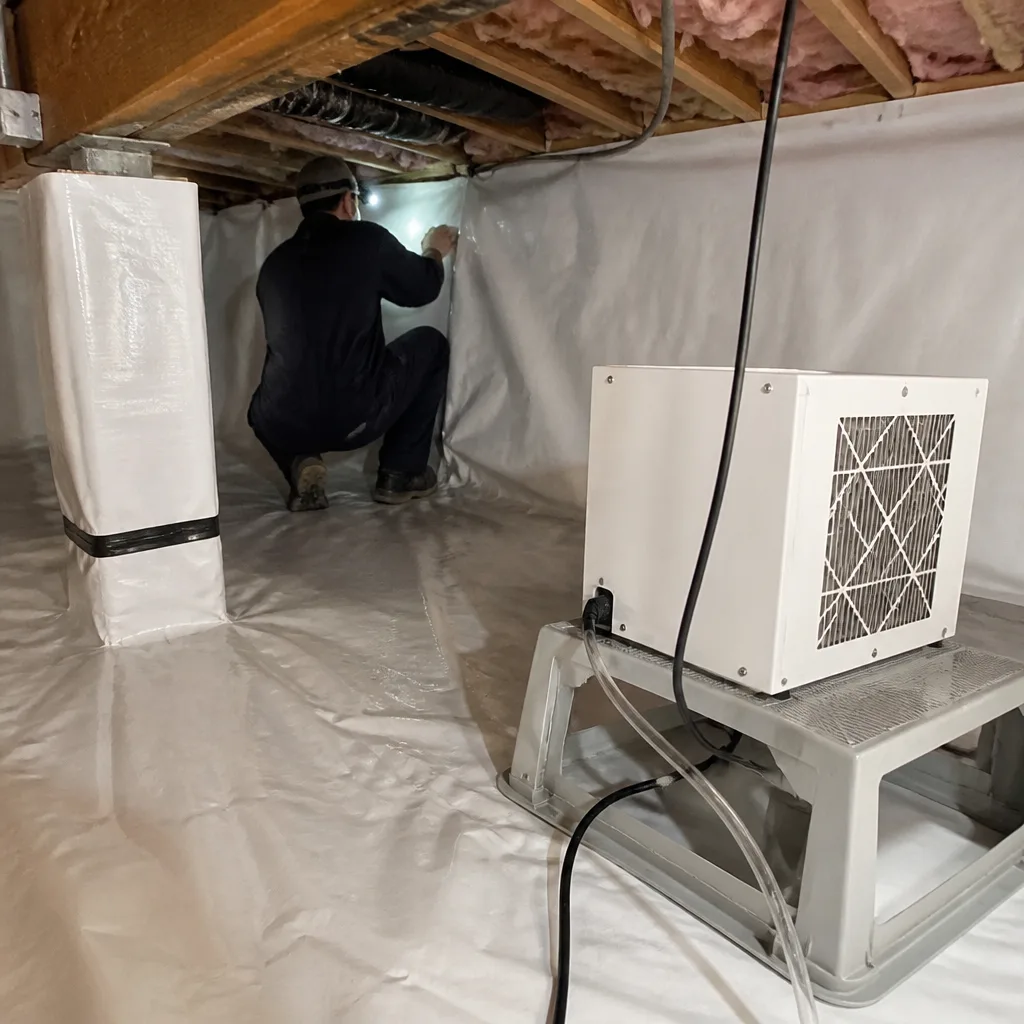
The real Georgetown DIY insulation question isn’t whether you can run a blower - you can. It’s whether adding material on top of unsealed air leaks produces a measurable outcome worth your effort and money. In most Georgetown homes, it doesn’t. The two genuinely DIY-appropriate tasks - adding depth to a sealed attic and replacing batt in a conditioned crawlspace - both require preconditions that most homes don’t meet. For everything else, professional air sealing, testing, and documentation protect your investment, your warranty, and your insurance position. The hybrid approach offers a middle path: you prep, we execute and verify. Whichever path you choose, start with information, not material.
Written by Wes Okafor, Owner at Topside Attic Insulation Georgetown, serving Georgetown since 2016.