
Last updated September 24, 2026
Seasonal Insulation Care for Georgetown: Year-Round Homeowner’s Guide
Georgetown’s average dew point in July sits near 70°F. When an attic has even a small air leak at that dew point, the moisture load on the insulation and decking is not seasonal - it is daily. Homeowners who check their insulation once a year in spring are making decisions based on data that’s nine months stale. In our Complete Guide to Insulation in Georgetown, we detail these issues; here, we’ll walk through four distinct seasonal stress events that hit Georgetown homes: spring moisture infiltration after Gulf fronts, summer radiant load that overwhelms underperforming attics, fall pest ingress before cool weather sets in, and winter freeze-thaw damage at penetrations. Each requires a different inspection protocol, and each has its own warning signs. We’ll also show you how to build a seasonal log that protects your warranty and documents performance for resale.
Quick Answer
Seasonal insulation care in Georgetown means inspecting your attic and crawl space four times yearly, timed to local weather patterns: March-April for moisture damage after Gulf moisture surges, June-August for radiant barrier and ventilation performance during peak load, September-October for pest exclusion before rodents seek shelter, and December-January for freeze-thaw cracks at pipe penetrations and HVAC boots. A written seasonal log with photos and measurements - like the one outlined in our Attic Insulation Maintenance Checklist for Georgetown Homeowners - creates a maintenance record that supports warranty claims and resale documentation.
Table of Contents
- March-April: Inspecting for Moisture After Gulf Fronts
- June-August: Measuring Attic Performance Under Peak Radiant Load
- September-October: Pest Exclusion Before Cool Weather
- December-January: Freeze-Thaw Stress at Penetrations
- How to Build a Seasonal Insulation Log
- Common Mistakes to Avoid
- When to Call a Professional
- Frequently Asked Questions
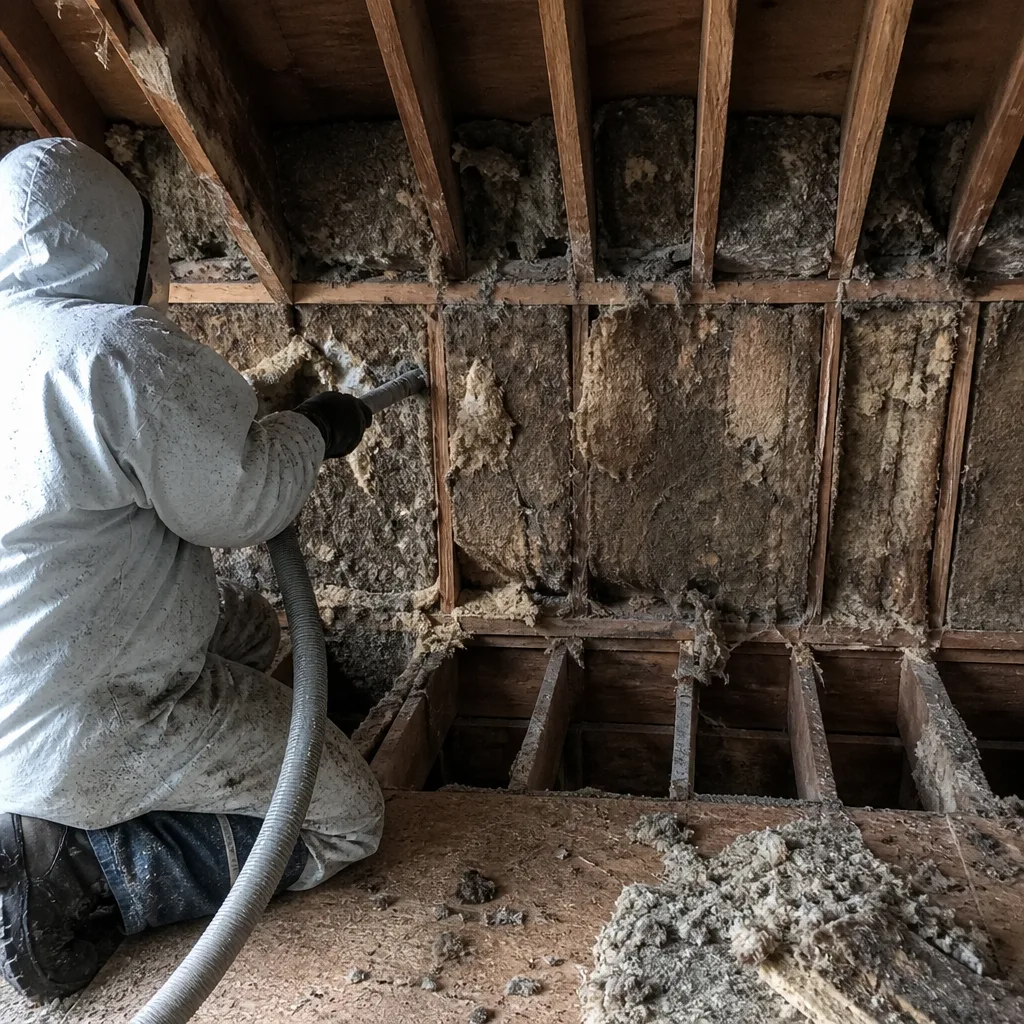 Before
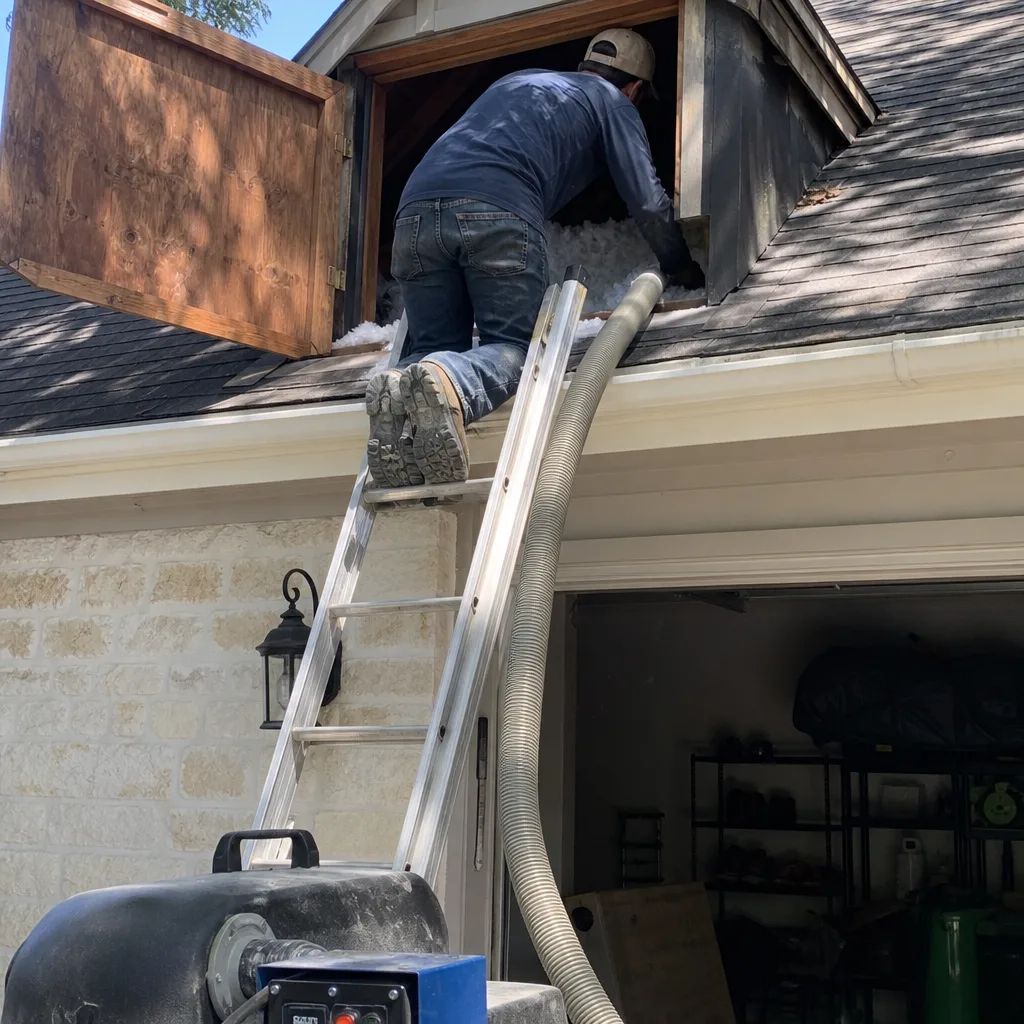 After
AfterMarch-April: Inspecting for Moisture After Gulf Fronts
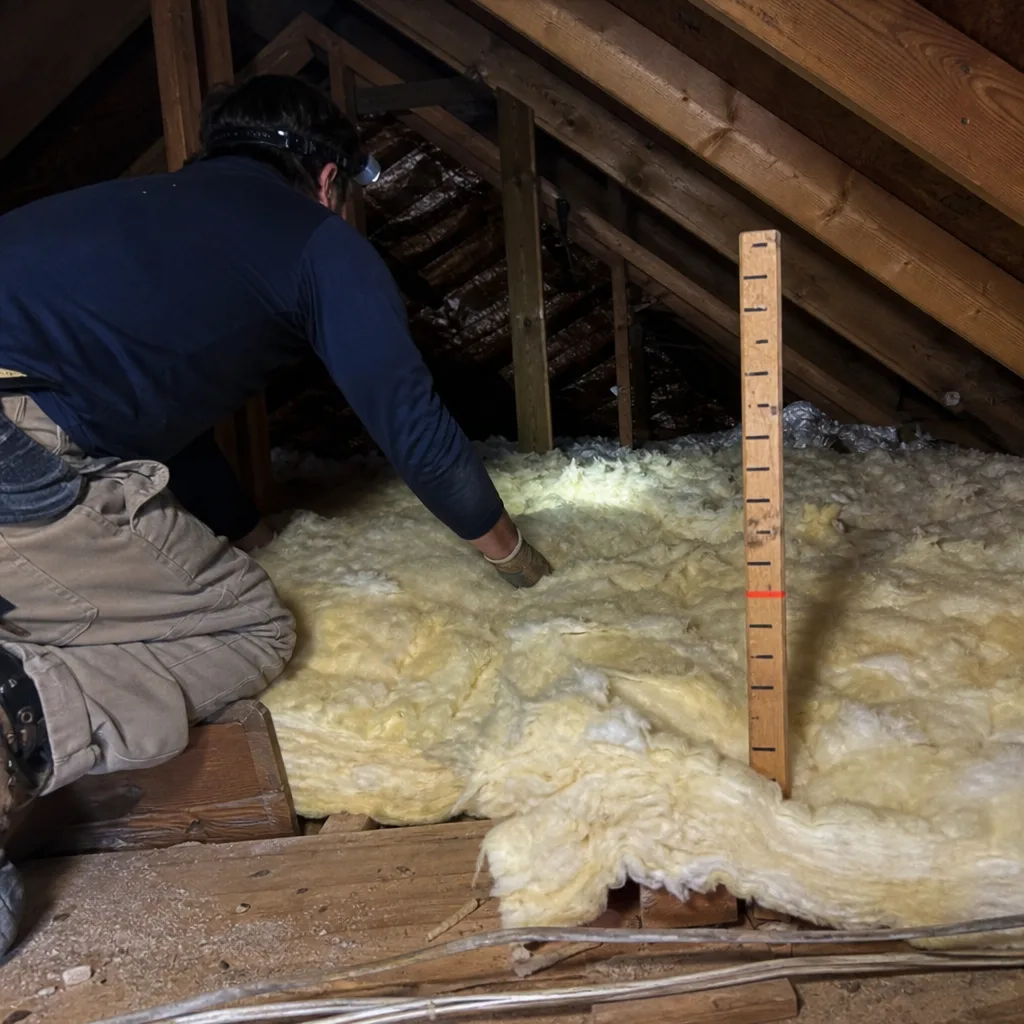
Georgetown sits at the western edge of the Gulf moisture belt. Every March and April, warm, saturated air masses push inland and stall against the Balcones Escarpment. When that 70°F dew point air finds a pathway into your attic through unsealed top plates, can light housings, or plumbing vent stacks, it hits the cooler roof deck and condenses. By May, the damage is done - but most homeowners don’t look until they’re already running the AC hard.
We’ve been in Georgetown attics where the fiberglass batts looked dry on top but held a half-inch of compressed, darkened material against the drywall. That’s not just lost R-value; it’s a mold reservoir.
What to Look For in Spring
- Water staining patterns on the roof decking. Look for dark, irregular streaks that run from the ridge toward the eaves, especially above bathrooms and kitchens where humidity is highest. Stains that follow rafter lines usually indicate air leakage at the top plate - the horizontal framing member where the wall meets the ceiling.
- Musty odor at the attic hatch. Pop the hatch on a humid morning. If you smell earth or mildew, moisture is accumulating somewhere. The hatch itself is often a major leakage point; check whether the trim is stained or the drywall around the opening is soft.
- Compressed or discolored insulation near penetrations. Fiberglass that has turned gray or black around can lights, chimney chases, or duct boots has been filtering incoming air. The discoloration is airborne dirt, and it means conditioned air is escaping - or unconditioned air is entering - at that spot.
- Corrosion on nail heads or HVAC straps. Any metal that shows rust in a ventilated attic has seen prolonged high humidity. This is especially common in the older sections of Georgetown, like the homes near Southwestern University built in the 1960s and 1970s, where original insulation was minimal and air sealing was nonexistent.
What these signs tell you: moisture infiltration is almost always an air-sealing failure first, an insulation failure second. Blown-in fiberglass or cellulose over an unsealed attic floor acts like a filter, not a barrier. At Topside Attic Insulation Georgetown home, we seal first - top plates, can lights, penetrations, and the attic hatch itself - before adding any insulation. That’s Haven Standard practice, and it’s why we publish before-and-after blower-door numbers on every job. A typical Georgetown home we test runs 3,800 to 4,500 CFM50 before sealing and 2,000 to 2,600 after. The number is what matters, not the promise.
If you find active moisture in spring, document it with photos and note the date. This becomes evidence if you need to file a warranty claim or negotiate with a prior contractor. And if you’re considering adding insulation, demand that air sealing precede it - anyone who blows material over an unsealed floor is leaving you with a filter that will fail again next March.
June-August: Measuring Attic Performance Under Peak Radiant Load
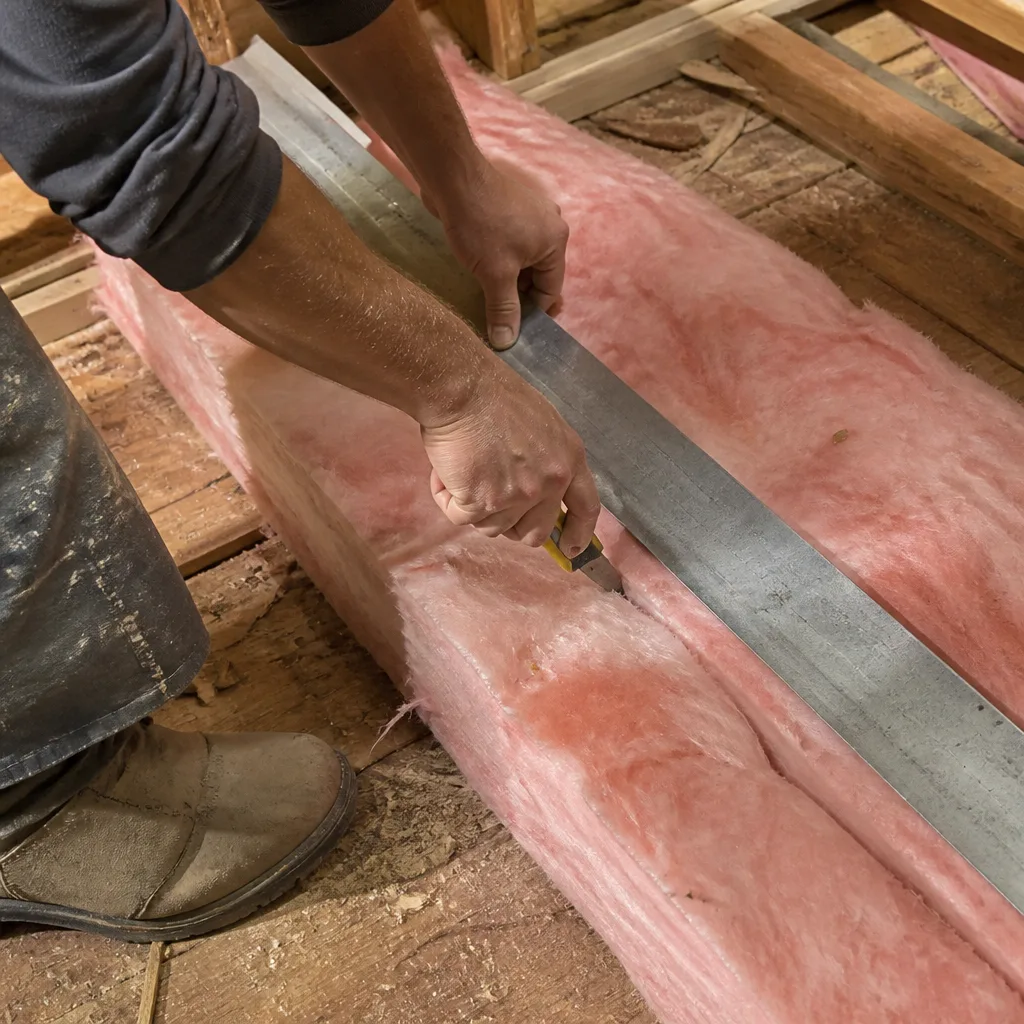
By mid-June in Georgetown, attic temperatures routinely reach 140°F. The question is not whether your attic gets hot; it’s whether your insulation and ventilation are keeping that heat from radiating through the ceiling plane and forcing your HVAC into constant recovery mode. This is when underperforming systems show themselves in hard numbers - on your electric bill and on a thermometer.
The Temperature Differential Test
You don’t need specialized equipment to spot a problem. On a sunny afternoon when the attic has had four hours of direct sun:
- Measure the air temperature at the attic floor, within six inches of the insulation surface. A standard thermometer works; an infrared thermometer pointed at the insulation surface is better.
- Measure the ceiling temperature in the room directly below, at the same approximate location. Avoid spots under ceiling fans or directly below HVAC vents.
- Calculate the difference. In a well-insulated, properly air-sealed Georgetown attic with R-38 to R-49 blown-in fiberglass or cellulose, the ceiling temperature should run within 5°F of the living space setpoint - typically 72°F to 75°F. If your ceiling reads 82°F or higher while the thermostat is set to 74°F, heat is migrating through the ceiling assembly faster than it should.
What the numbers mean: a 10°F or greater differential indicates either insufficient insulation depth, degraded material (compressed, moisture-damaged, or disturbed by prior work), or failed air sealing that allows hot attic air to convect through gaps. In Georgetown’s Sun City and Teravista developments, we’ve seen attics with R-30 batts installed at original construction in the 2000s, now compressed to R-20 or less by foot traffic during HVAC maintenance. The batts look intact; the performance is gone.
Radiant barrier performance is harder to assess without equipment, but there are visual cues. Foil-faced radiant barrier sheathing should lie flat and clean; dust accumulation on the upward-facing surface reduces reflectivity significantly. Spray-applied radiant coatings on roof decking should show no peeling or bubbling. If you have a Attic Insulation in Georgetown assessment scheduled, ask for surface temperature readings at multiple points - any contractor who can’t produce numbers is selling guesses.
One more summer check: your soffit vents. Georgetown’s live oak canopy drops significant debris, and we’ve found soffit vents in neighborhoods like Serenada and Georgetown Village completely blocked by leaf litter and oak catkins. Blocked soffit vents kill the convection current that carries heat out the ridge vent. The attic stagnates, and the insulation bakes from both sides.
September-October: Pest Exclusion Before Cool Weather
Georgetown’s first real cool front usually arrives in late September. By October, roof rats and mice are actively seeking enclosed spaces with stable temperatures and food access nearby. An attic with compromised insulation is often an attic with entry points - and rodents don’t just nest in insulation, they compress it, contaminate it, and create air leaks by gnawing through sealant and vapor barriers.
The Pre-Cool-Weather Pest Inspection Protocol
Do this inspection in early October, before nighttime temperatures drop consistently below 60°F:
- Soffit gaps and fascia separation. Walk the perimeter with binoculars or a ladder at each corner. Look for gaps where the soffit meets the fascia board, especially at inside corners where roof planes intersect. In Georgetown, we see frequent separation in homes with composite fascia that has absorbed moisture and expanded over summer. A gap of 3/8 inch or more is passable for a young roof rat.
- Ridge vent integrity. Ridge vents with flexible, woven mesh baffles sag over time and create gaps at the ends. Check where the vent terminates at gable walls; this is where wind-driven rain also enters, so you’ll often find water staining nearby if the vent has pulled loose.
- Gable-end vent screens. The standard 1/4-inch hardware cloth excludes most rodents, but we’ve replaced dozens in Georgetown where the mesh has corroded through or been torn by squirrels. Look for daylight visible through holes, or rust streaks below the vent that indicate long-term moisture exposure at a compromised opening.
- Pipe and wire penetrations. Where electrical service, cable, or satellite wiring enters the attic, check that escutcheon plates or foam seals are intact. Rodents follow wiring runs; a gap around a cable is a highway.
- Insulation disturbance patterns. Look for tunnels, nesting depressions, or scattered droppings. Fresh rodent activity in insulation usually appears as smooth, compressed paths about two inches wide. Old, inactive damage will be dusty and may have cobwebs across it.
If you find active infestation, insulation replacement is usually necessary - not optional. Rodent urine and feces in fiberglass or cellulose create allergen loads that persist even after the animals are excluded. At that point, you’re looking at removal, sanitization, air sealing of entry points, and reinstallation. Crawl Space Encapsulation & Vapor Barrier in Georgetown follows the same sequencing principle: seal the envelope, then condition the space. Never install new material over contaminated substrate.
Materials matter for pest resistance. Rockwool insulation, made from spun basalt, is inherently rodent-resistant - they won’t nest in it. CertainTeed’s fiberglass products with binder treatments also deter gnawing. We specify these in Georgetown homes with prior rodent history, not as a guarantee but as a risk reduction with documented performance.
December-January: Freeze-Thaw Stress at Penetrations
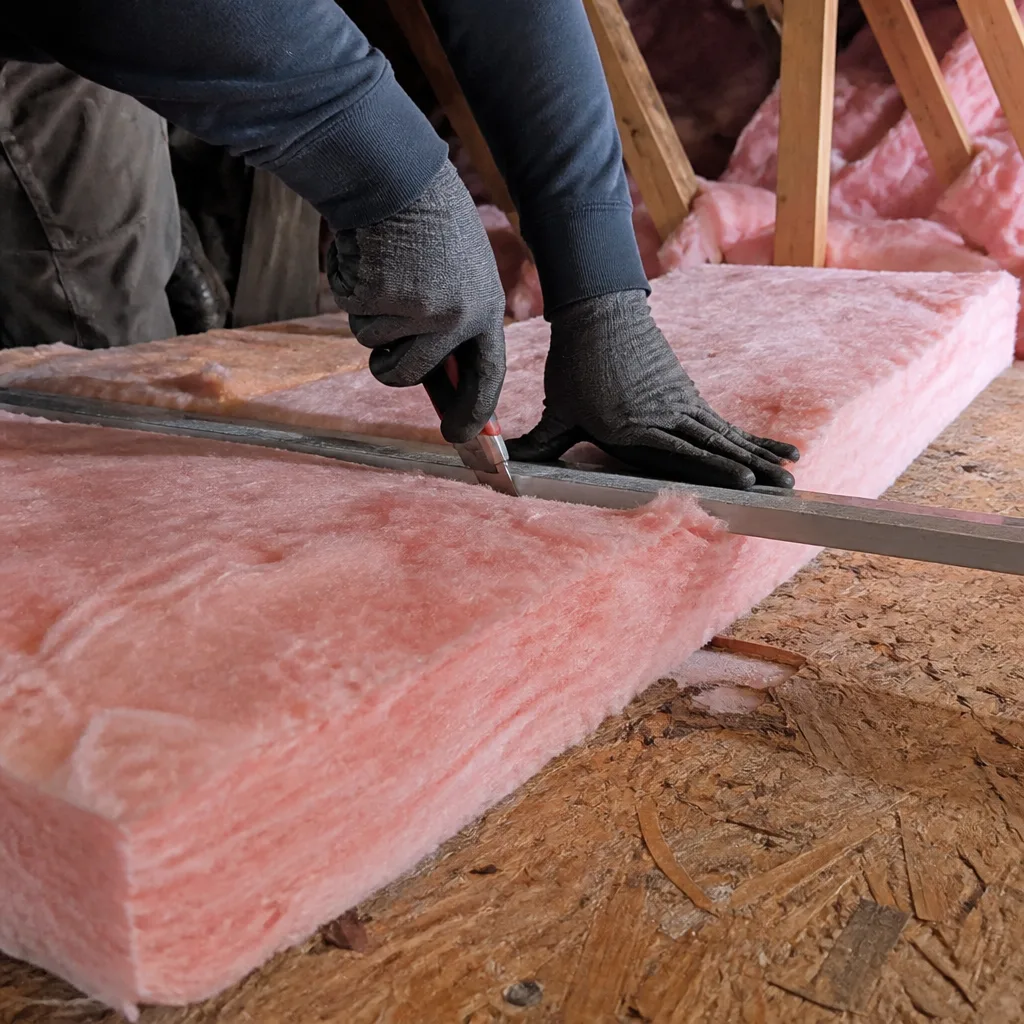
Georgetown’s winters are mild until they’re not. A hard freeze in January 2024 hit 9°F at Georgetown Municipal Airport, and similar events occur every three to five years. Those single-digit nights don’t just threaten pipes; they stress every sealant, foam, and mastic joint in your attic.
The critical vulnerability is at penetrations: where plumbing vents, electrical conduits, and HVAC duct boots pass through the ceiling plane. These are the same points we seal during air-sealing work, and they’re the same points most likely to fail if the sealant was applied over dusty surfaces, in temperature extremes, or with incompatible materials.
Post-Freeze Inspection Checklist
Wait for a hard freeze - two consecutive nights below 25°F - then inspect within a week:
- Plumbing vent stack seals. The rubber boot around the vent pipe where it exits the roof is outside the insulation envelope, but the penetration through the ceiling below it is not. Check the attic-side seal: spray foam should show no cracking or separation from the pipe or framing. If you used caulk or mastic instead of foam, look for brittle, pulled-away edges. A failed seal here allows warm, moist bathroom air to hit cold surfaces - condensation, then ice, then water damage when it thaws.
- HVAC boot connections. The metal collar where flex duct connects to the ceiling register is sealed with mastic or foil tape. After hard freeze cycles, check that the seal hasn’t cracked where the metal meets the drywall. This is especially critical for second-floor systems in Georgetown’s newer two-story homes, where long duct runs in unconditioned attic space create the greatest temperature differential.
- Recessed can light housings. IC-rated (insulation contact) housings with factory gaskets should remain sealed. Non-IC housings with field-installed covers are more vulnerable; the cover-to-housing joint can gap after thermal cycling. Look for light visible around the housing edges, or feel for drafts with the back of your hand on a still day.
- Spray foam at rim joists and top plates. Open-cell spray foam, common in Spray Foam Insulation in Georgetown retrofits, can shrink slightly over time. After extreme cold, check that the foam hasn’t pulled away from framing members. Closed-cell foam is more stable but should still be inspected for impact damage from stored items or maintenance activity.
Freeze-thaw damage is cumulative. A small gap that opens in January admits cold air all winter, then hot humid air all summer. By the following spring, the insulation around that penetration is compromised. We document these conditions with photos in our seasonal log - see the next section - because they predict where we’ll need to intervene before the next cycle.
For homeowners with Icynene or Demilec spray foam installations, manufacturer warranties typically cover material integrity but not installation workmanship. Your seasonal log becomes the evidence chain if you need to pursue a claim. Under Haven Standard, we provide written warranty terms before any work starts, so you know exactly what documentation you’ll need.
How to Build a Seasonal Insulation Log
A seasonal log is not a diary. It’s a structured record that serves three purposes: tracking performance degradation over time, supporting warranty claims with dated evidence, and documenting energy improvements for resale. In Georgetown’s competitive market, a well-maintained log differentiates your listing.
What to Record Each Season
- Date and weather context. Note the date, recent weather (last rain, last freeze, consecutive days above 100°F), and any extreme events since the last inspection.
- Attic air temperature and ceiling differential. From the summer protocol, or winter equivalent - ceiling temperature vs. setpoint during heating season.
- Blower-door number, if available. If you’ve had professional testing, record the CFM50 and the date. Trend matters more than absolute value.
- Photos with location notes. Take the same four to six shots every season: attic hatch area, ridge line, two opposite corners, any penetration cluster, and the worst-looking area from prior inspection. Name files with date and location - “2024-03-15_hatch_north” - so you can compare year over year.
- Measurements of insulation depth. Use a ruler at three points per attic quadrant. Note compression, disturbance, or areas where depth has changed.
- Pest evidence. Yes/no for activity, with photo documentation of any findings.
- Action items and completion dates. What you found, what you did, who did it, and when. Include contractor name, invoice number, and warranty reference.
Storage and Format
A simple spreadsheet with dated photo folders works. Cloud storage is essential - local files are lost in disasters, which is precisely when you’ll need the documentation for insurance. Share access with your partner or co-owner; we’ve seen claims delayed because the spouse who maintained the records was unavailable.
For resale, summarize the log into a one-page addendum: years of coverage, major improvements with dates and contractor names, current insulation R-value and type, and most recent blower-door number. Buyers’ inspectors will find the attic anyway; giving them organized data builds confidence and can justify your asking price.
Our Documented Photo Record on every job is designed to slot into this system. You receive dated, geotagged photos of your attic before, during, and after work, plus the written scope and warranty. Add them to your log and you’re building a complete history from day one.
Common Mistakes to Avoid
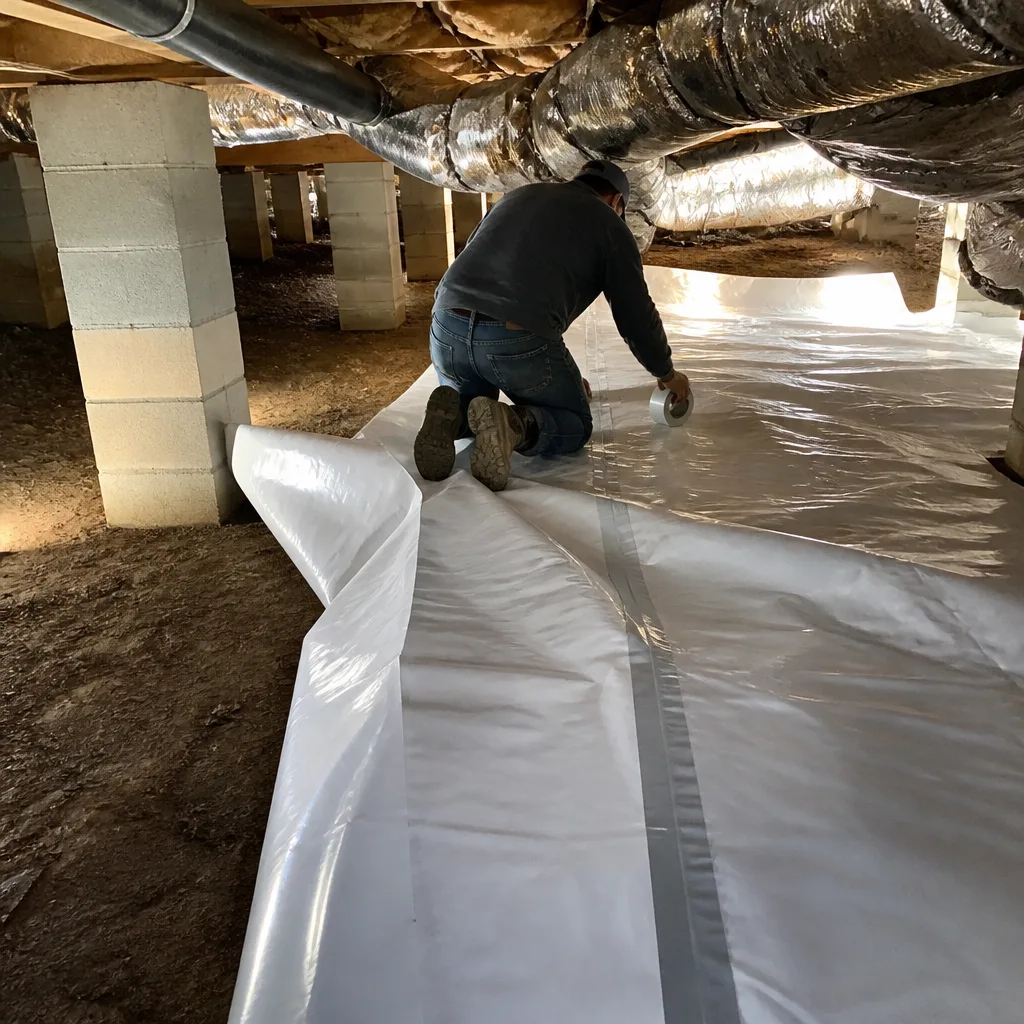
- Inspecting only in spring. The Gulf moisture surge in March makes spring inspection intuitive, but it misses summer radiant load failure, fall pest entry, and winter freeze-thaw damage. By the time you look again next spring, three seasons of degradation have accumulated.
- Adding insulation over wet or compressed material. We’ve been called to Georgetown homes where a homeowner or prior contractor blew new cellulose over water-stained fiberglass, trapping moisture against the ceiling. The result was drywall replacement, mold remediation, and full insulation removal. Always address the underlying condition first.
- Ignoring soffit vent blockage. Georgetown’s live oak canopy is beautiful and relentless. Blocked soffit vents are the most common ventilation failure we find, and the easiest to prevent. Check them every fall when you’re already on a ladder for gutter cleaning.
- Using the wrong sealant for the application. Acrylic latex caulk fails in attics; it can’t handle the temperature swing. Use fire-rated spray foam for penetrations, high-temperature mastic for duct connections, and butyl tape for membrane seams. The wrong product fails in the first hard freeze.
- Not documenting prior work. Without a written scope and dated photos, you can’t prove what was done, what was promised, or what condition existed before. This undermines warranty claims and creates disputes at resale. Haven Standard requires written documentation for exactly this reason.
- Assuming new construction is properly sealed. Georgetown’s building code has improved, but enforcement varies, and production builders optimize for speed. We’ve tested 2022-built homes in Wolf Ranch that leaked at 4,100 CFM50 - better than 1990s construction, but far from tight. Don’t assume; verify.
- DIY spray foam touch-ups without understanding ignition barriers. Two-component foam kits available at hardware stores can seal small gaps, but in occupied attics, exposed foam requires an ignition barrier per IRC 316.4. Unbarriered foam is a code violation and a fire hazard. If you’re not certain of the requirement, call a professional.
When to Call a Professional
Some conditions exceed homeowner inspection and repair. Call a professional when you find active moisture with no obvious source, insulation contamination from pests or mold, spray foam that has pulled away from framing after freeze cycles, or any situation where you’re considering adding insulation without knowing the current air leakage rate. A blower-door test - a pressurization reading that shows, in one number, how much air your building envelope is losing - is the right starting point for any significant insulation decision.
For more guides & resources, visit our blog, or call Topside Attic Insulation Georgetown - we offer free estimates in Georgetown. We’ll read your prior estimates with you under our Free Second Opinion policy, provide a written price before any work starts, and deliver a Documented Photo Record when the crew leaves. On air-sealing jobs, you’ll receive before-and-after blower-door numbers so you can verify the result. Call (254) 970-2136 to schedule.
Frequently Asked Questions
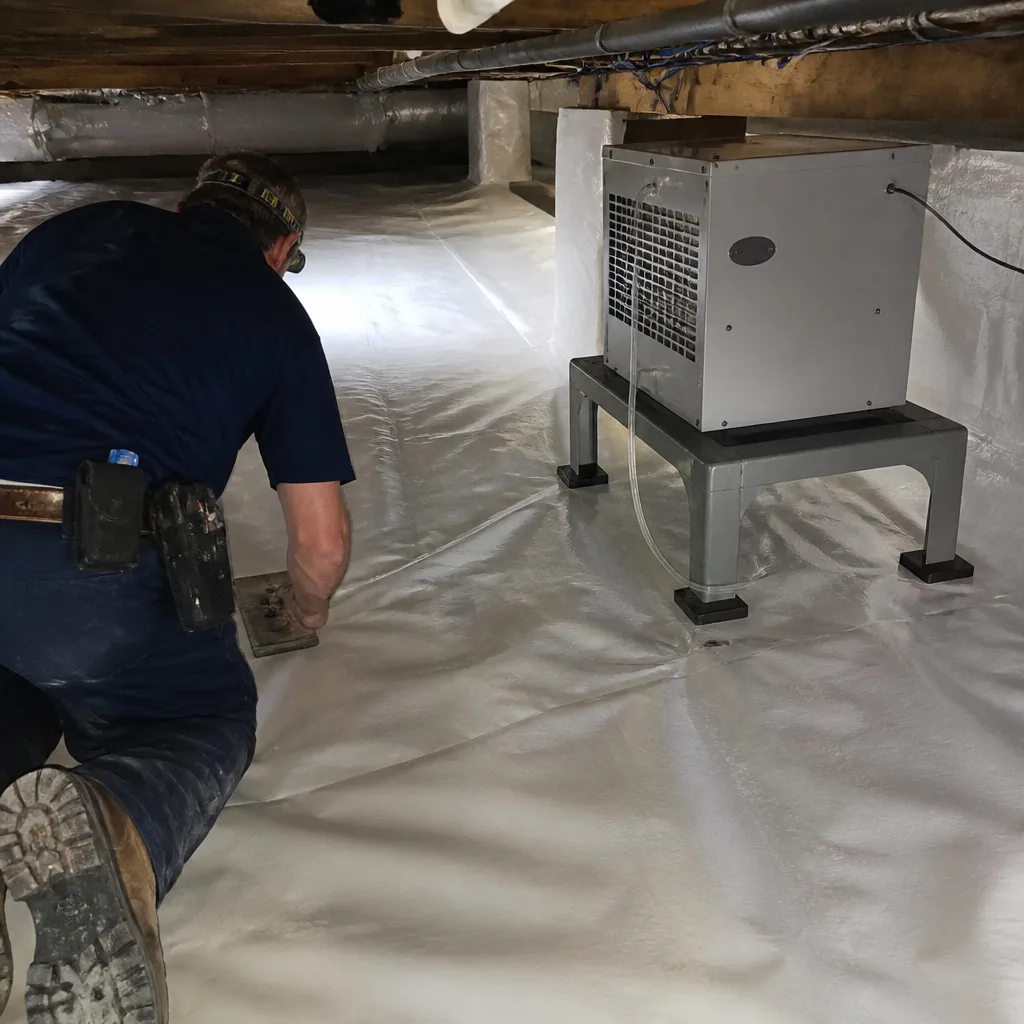
Most attic insulation jobs in a Georgetown home of 1,800 to 2,400 square feet run between $2,800 and $5,400 for blown-in fiberglass or cellulose to R-38 or R-49, including air sealing of top plates, can lights, and penetrations. Spray foam at the roofline typically ranges from $4,500 to $9,000 depending on accessibility and square footage. Call (254) 970-2136 for a written price specific to your home - estimates are free, and we provide a Free Second Opinion on any competing quote.
You can add blown-in fiberglass or cellulose over existing fiberglass batts if the old material is dry, uncompressed, and uncontaminated. If there’s moisture damage, pest activity, or significant compression, removal is necessary first. Adding new material over compromised old insulation traps problems and voids most manufacturer warranties. We assess this with a visual inspection and moisture meter before recommending any approach.
The blower-door test answers this definitively. A Georgetown home built before 2010 typically leaks at 4,000 CFM50 or higher; after proper air sealing, 2,500 CFM50 or lower is achievable. If your home tests above 3,500 CFM50, air sealing will improve comfort and efficiency more than adding insulation alone. We perform this test before recommending any insulation work - it’s Haven Standard practice.
For attics with conventional ventilation, blown-in fiberglass or cellulose to R-49 performs well and is cost-effective. For conditioned attics or homes with complex ductwork in the attic, open-cell spray foam at the roofline eliminates the extreme temperature differential. In pest-prone areas, Rockwool provides rodent resistance. The right choice depends on your home’s construction, your HVAC configuration, and whether air sealing has already been completed.
We recommend a professional assessment every three to five years, or after any significant event: roof replacement, HVAC changeout, pest infestation, or water intrusion. Between professional visits, the seasonal homeowner inspection protocol in this guide catches developing problems early. Our 365-Day Done Right Promise covers any workmanship issues that surface in the first year after our work.
Georgetown requires permits for spray foam insulation and for any work involving structural modification or changes to ventilation. Blown-in insulation over existing drywall typically does not require permitting if no electrical or structural work is involved. We pull all required permits as part of our standard process and include permit numbers in your written scope documentation.
The Bottom Line
Georgetown’s insulation system faces four distinct seasonal stress events, each with its own inspection protocol and warning signs. A single annual check misses three of them. By inspecting in March for moisture, June for radiant performance, October for pest exclusion, and January for freeze-thaw damage, you catch problems while they’re small and build a documentation trail that protects your investment. The seasonal log turns maintenance into evidence - for warranties, for efficiency tracking, and for resale. And when the work exceeds your scope, demand a contractor who seals first, tests with a blower door, and puts every promise in writing before anyone lifts a tool.
Written by Wes Okafor, Owner at Topside Attic Insulation Georgetown, serving Georgetown since 2016.