
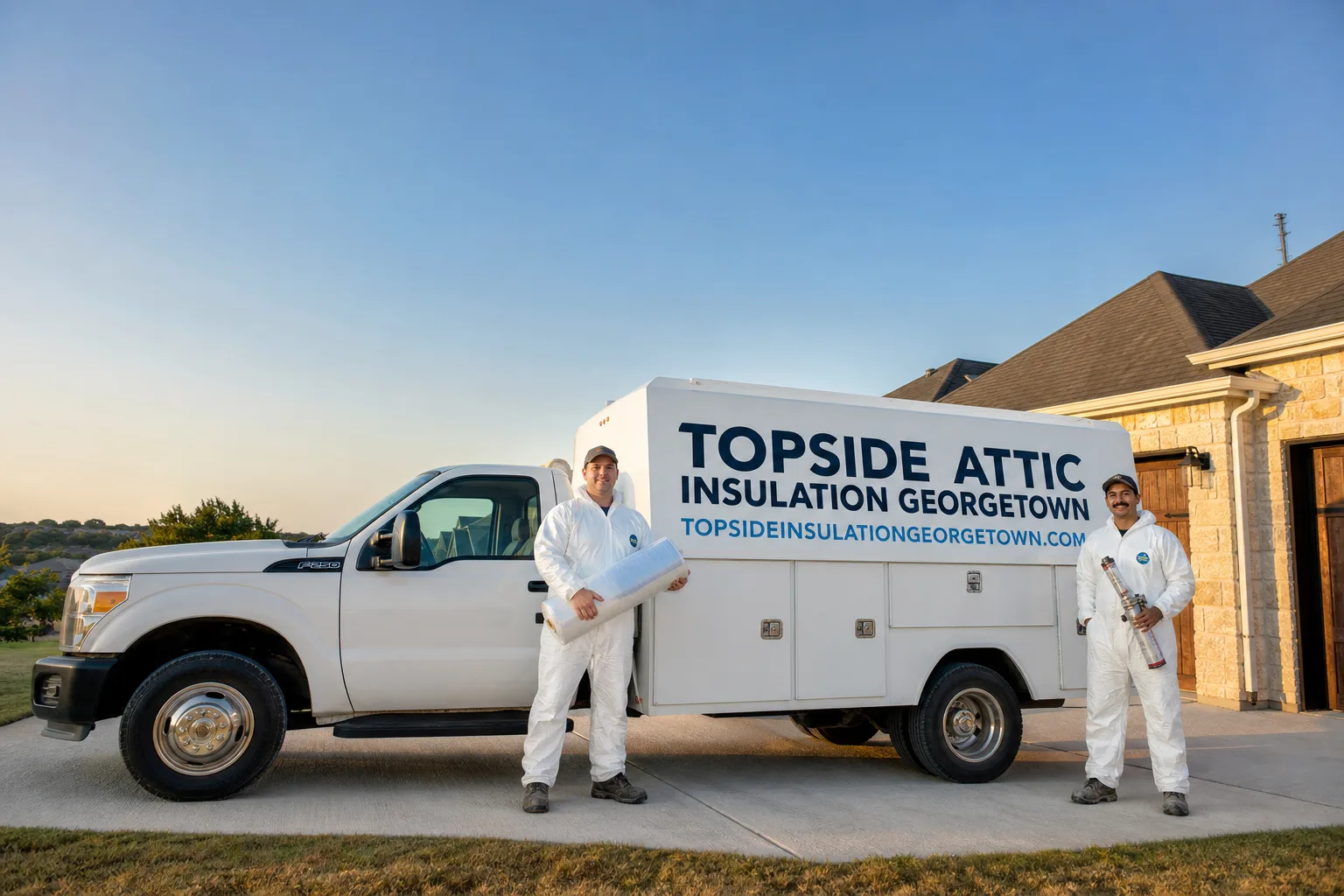
Fast, Reliable Blown-In Insulation Across Lost Creek
Blown-in insulation in Lost Creek typically costs $1.80 to $3.40 per square foot installed, with most full attic jobs running $2,400 to $5,800 depending on cavity complexity and air-sealing needs. We’re usually on-site within 24 to 48 hours for Lost Creek calls, and same-day assessments are common for homes near Rain Creek Parkway or along the Lost Creek Boulevard corridor. Our crews know the area’s 1980s and 1990s custom builds, the limestone shelf that complicates foundation sealing, and the live oak canopy that blocks ventilation in ways flat suburban lots never experience. Call (254) 970-2136 for a written price before any work starts.
Why Topside Attic Insulation Georgetown Is Lost Creek’s Preferred Blown-In Insulation Company
We’ve worked enough Lost Creek homes to recognize the pattern before we pull into the driveway. The semi-customs off Lost Creek Boulevard, the full customs backing up to Barton Creek greenbelt, the carriage-house rooflines near the country club - we’ve documented blower-door readings in dozens of them since 2016, and the story is usually the same: beautiful architecture, complex framing, and insulation that never met the home’s actual thermal demand.
Our reviews from Lost Creek homeowners mention the same things repeatedly. They mention that we text when the technician is en route. They mention the photo record we leave behind, with depth markers visible in every bay. They mention that we found the cold spot the last crew missed. We don’t ask for testimonials; we document the work and let the results speak.
Response time to Lost Creek runs same-day to next-day for assessments, because our dispatch operates from the Dallas-Fort Worth metro office with crews already rotating through western Travis County. We’re not guessing at drive times from Georgetown or Round Rock. We know the 78735 and 78746 zip boundaries, the Hill Country terrain that slows trucks on winding access roads, and which Lost Creek streets dead-end into greenbelt where larger equipment needs staging.
The local knowledge that matters most: we understand how Lost Creek’s position at the Balcones Escarpment changes the insulation math. Summer attic temperatures here exceed 150°F, and the exposed limestone radiates stored heat into the envelope hours after sundown. A blown-in job that ignores radiant barrier integration or skips air sealing of top plates and can lights is a job that wastes material and homeowner money. We don’t do those jobs.
Our Blown-In Insulation Services in Lost Creek
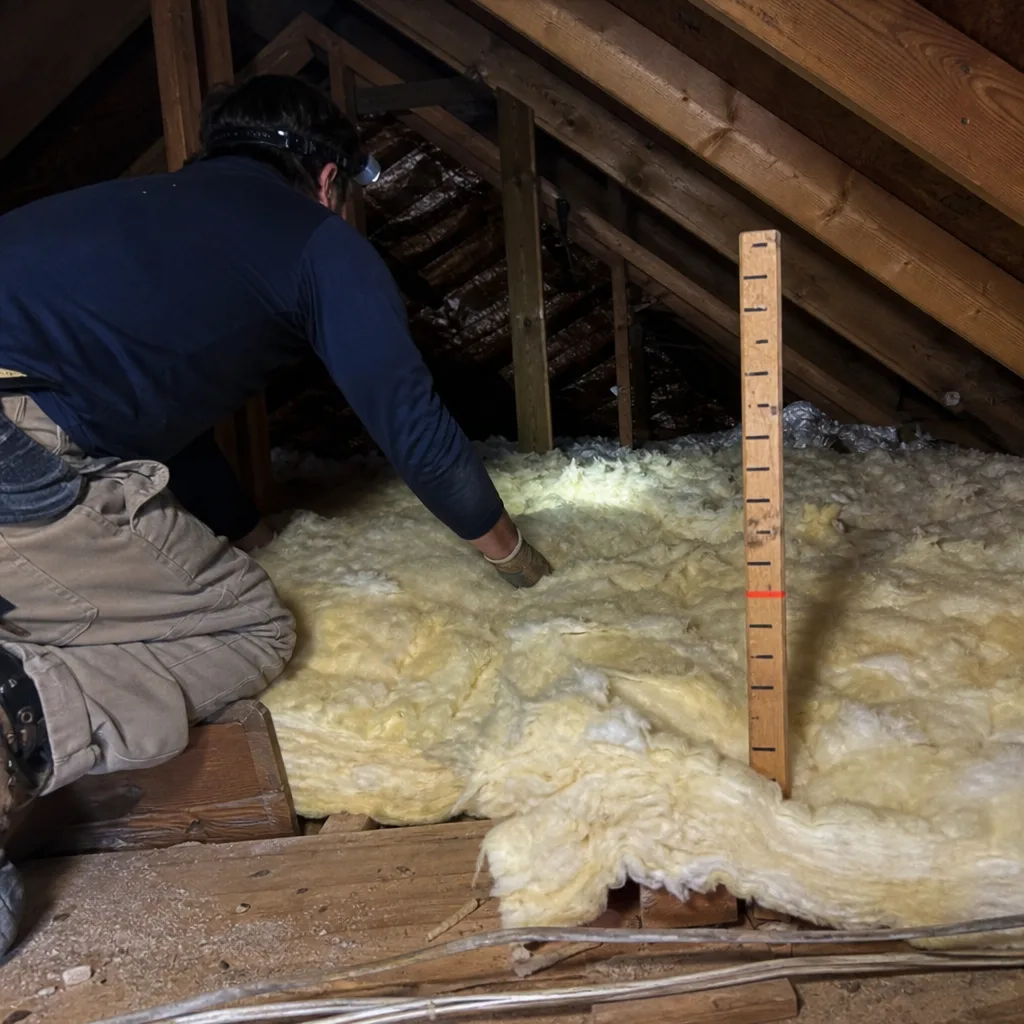
Blown-In Cellulose
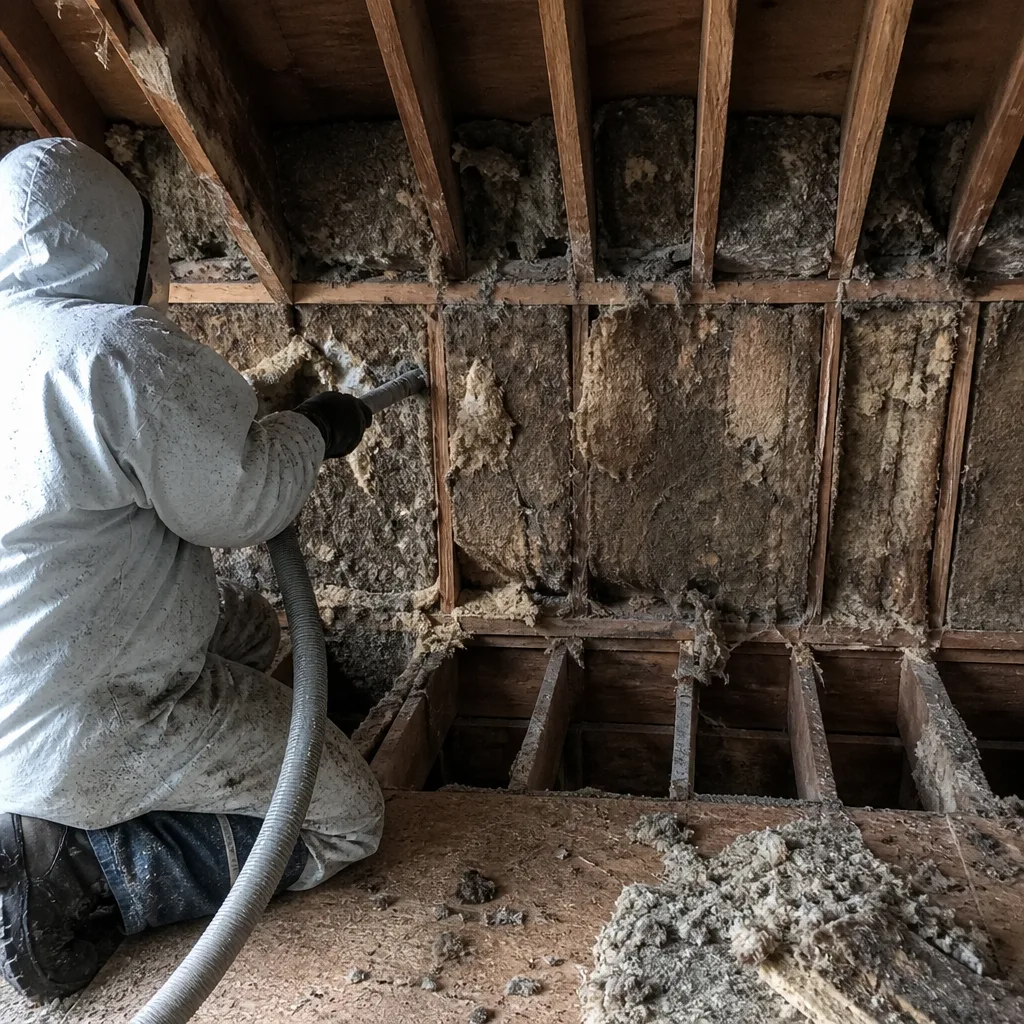
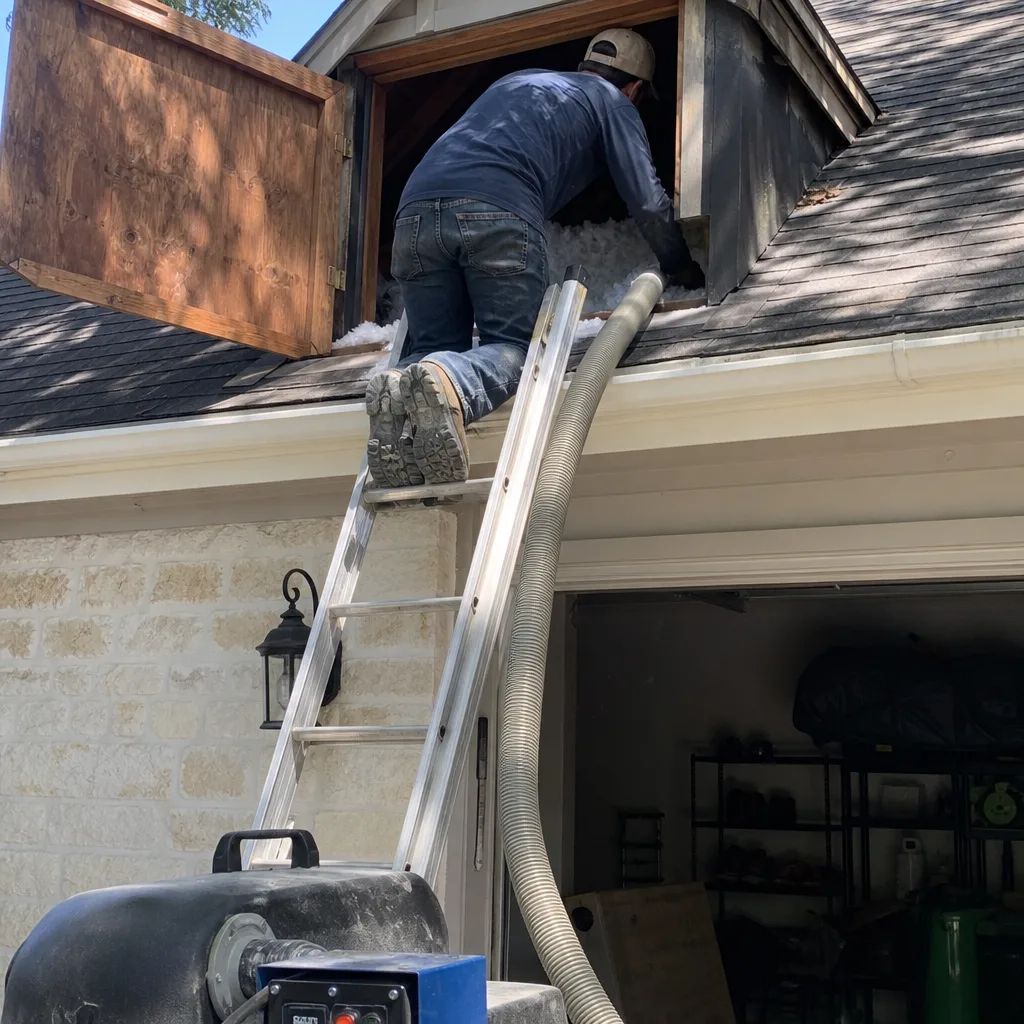
We specify GreenFiber blown-in cellulose for most Lost Creek attics, particularly the irregular multi-pitch cavities that dominate this neighborhood’s custom builds. Cellulose settles into the valleys and ridges of complex framing in a way fiberglass batts never will, and its higher density per inch helps suppress air movement through the attic plane. On a typical 3,200-square-foot Lost Creek home with vaulted main living spaces, we’re running 12 to 16 inches of cellulose after air sealing, achieving R-38 to R-49 depending on cavity depth limitations. The material is treated with borate fire retardant, which also discourages the rodent activity we sometimes find in older attics near the greenbelt edges.
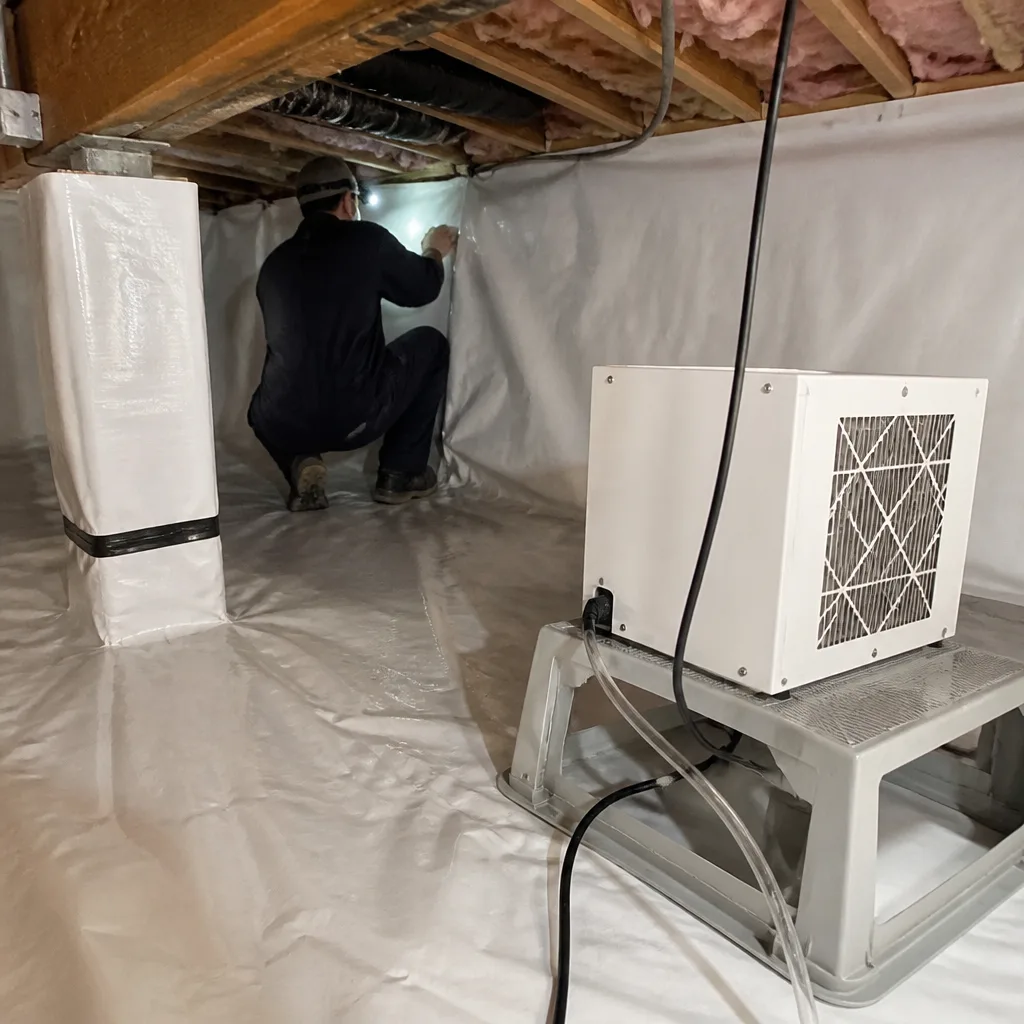
Blown-In Fiberglass
For homes where moisture history is a concern - and in Lost Creek, that’s often the bays under dense live oak canopy where soffit ventilation is compromised - we may specify CertainTeed blown-in fiberglass. It doesn’t absorb water the way cellulose can, and in a properly sealed attic with managed humidity, it maintains its R-value indefinitely. We use it less frequently in this neighborhood than cellulose, but when we do, it’s because the diagnostic showed us why. The decision is never a default; it’s a response to what we found in your specific cavities.
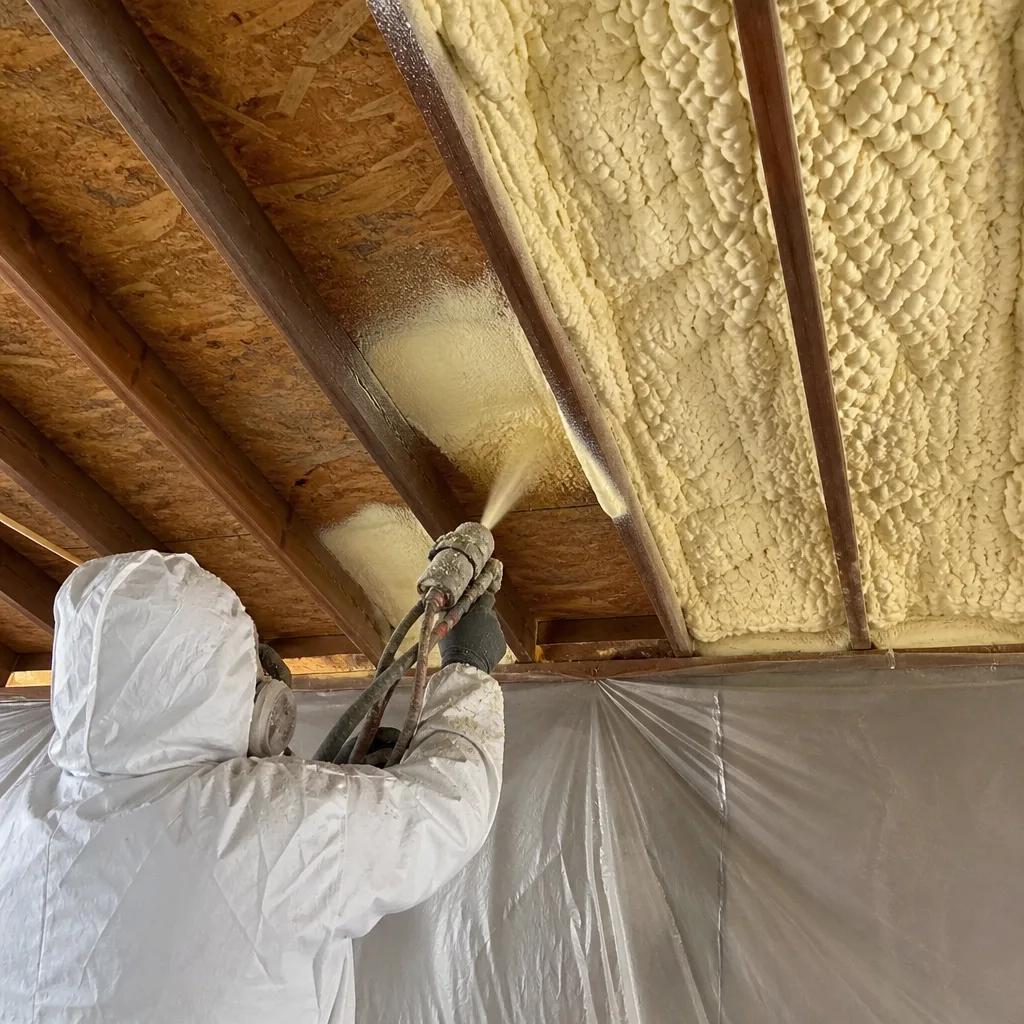
Dense-Pack Wall Insulation
Lost Creek’s 1980s and 1990s custom homes were often built with minimal wall insulation, sometimes none at all in garage-adjacent spaces or bonus rooms over carriage-house rooflines. Dense-pack cellulose, installed at 3.5 to 4.0 pounds per cubic foot through drilled access holes, fills stud bays completely without settling voids. This matters in Lost Creek because the complex roof geometries often create kneewalls and dropped ceilings that connect to exterior wall cavities in ways standard tract framing doesn’t. We map these thermal bypasses before we start, and we document the fill density with photos from inside the bay.
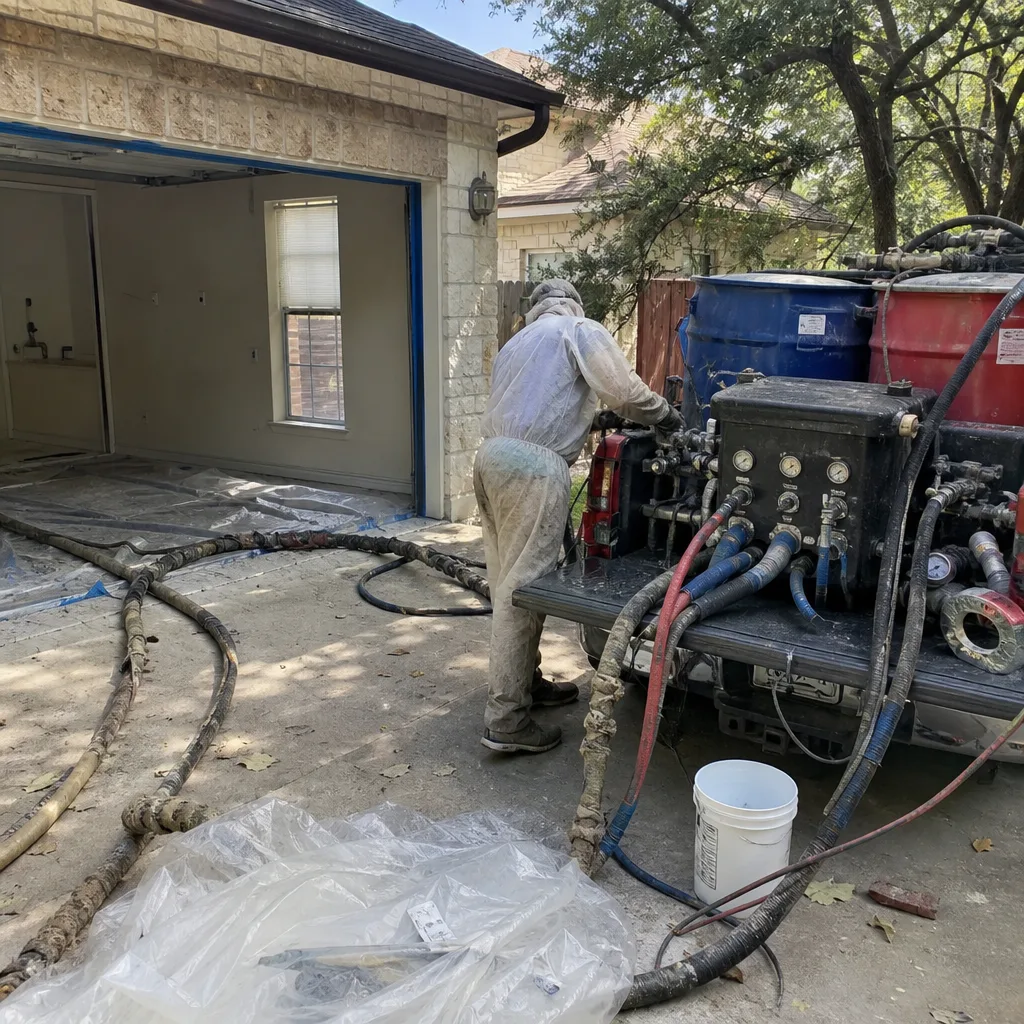
Blown-In Top-Up
Not every Lost Creek home needs a full removal and replacement. Sometimes the existing insulation is simply compressed, displaced, or thin by modern code standards, and a top-up after air sealing restores performance without the cost of full extraction. But we’re direct about this: a top-up over unsealed top plates, can lights, and penetrations is a waste of material. Our Blown-In Insulation team will seal first, then add material, and we’ll show you the blower-door difference in writing. A typical top-up in Lost Creek runs $1,200 to $2,800, while full replacement with air sealing runs $3,200 to $6,400. The written price before any work starts tells you which path your home actually needs.
What happens when you call
- 1
A real person answersNo phone trees - you reach a local pro.
- 2
You get an upfront price rangeHonest numbers before anyone is dispatched.
- 3
A background-checked tech heads outLicensed & insured, dispatched right away.
- 4
You approve before work beginsNothing starts until you say go.
 Before
 After
AfterTrusted Brands We Service in Lost Creek
We source blown-in materials from Owens Corning, Johns Manville, Knauf, CertainTeed, and GreenFiber, with no proprietary lock-in that limits what’s right for your home. For Lost Creek’s specific conditions - the high attic temperatures, the moisture-stained bays, the complex framing - we most often specify GreenFiber cellulose or CertainTeed fiberglass, depending on what the diagnostic reveals. We stock both locally, so there’s no multi-week wait for specialty material. If your home has existing Icynene or Demilec spray foam in some zones and needs blown-in integration elsewhere, we coordinate the transition without seams or compression gaps. Every bag is documented by lot number in your job record.
Common Blown-In Insulation Problems We See in Lost Creek Homes
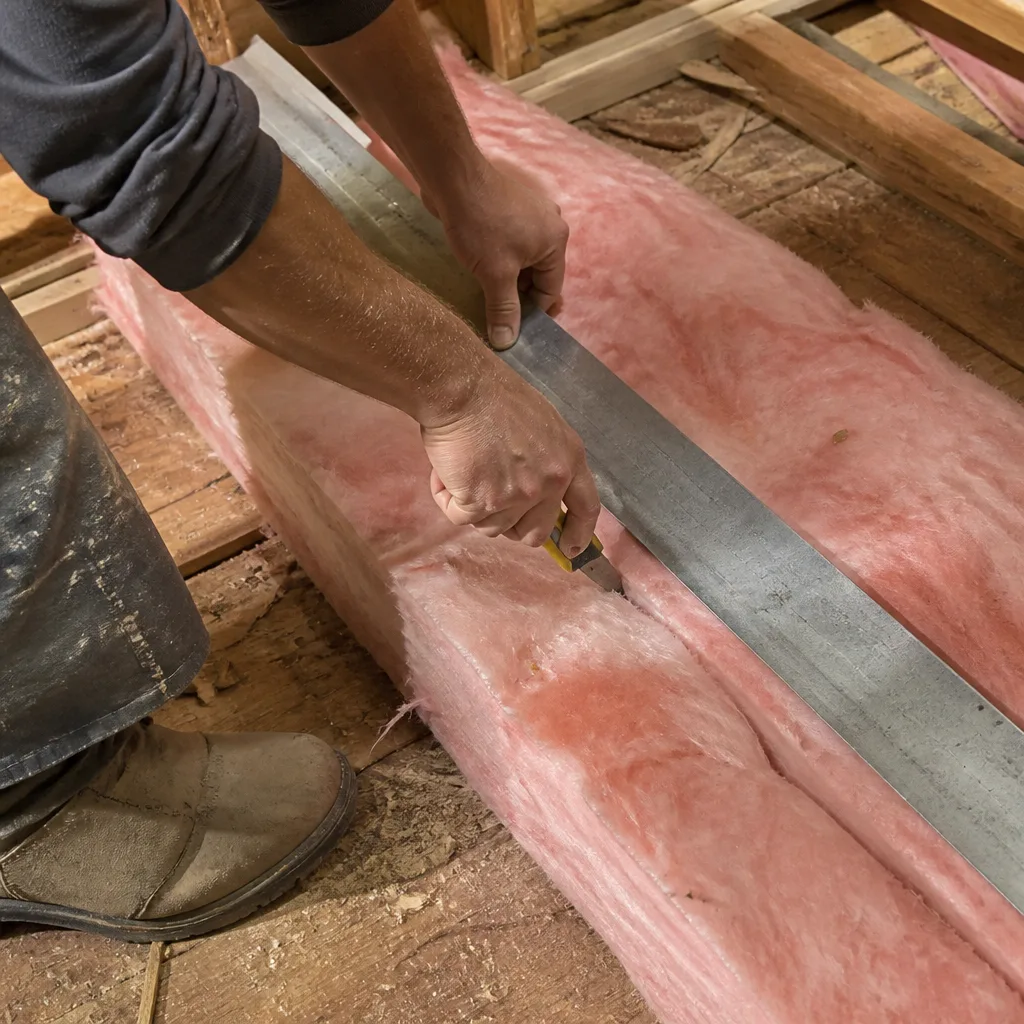
- Compressed and shifted batts in vaulted bays. The multi-pitch rooflines that make Lost Creek homes architecturally distinctive also create isolated attic spaces where original fiberglass batts have been compressed to half their labeled depth by decades of HVAC service traffic. The result is cold spots directly below the living space that a simple visual inspection from the access hatch won’t reveal.
- Moisture staining at blocked eave soffits. Lost Creek lots carved into hillside terrain with mature live oak and cedar canopy often show passive ventilation blocked by grading or overhang. We find stained, matted batts near the perimeter in roughly one-third of the homes we assess on the western side of the neighborhood, where the canopy is densest and the limestone slope limits soffit airflow.
- Thermal bridging channels from service paths. HVAC contractors, electricians, and cable installers have been walking through these attics for 30 to 40 years. Every footstep compresses insulation and creates a channel where conditioned air escapes upward. A blown-in top-up that doesn’t first map and correct these pathways simply buries the problem under new material.
- Insufficient original insulation for current energy code. Lost Creek homes built in the 1980s and 1990s were constructed under Travis County standards far below current benchmarks. Even where original batts remain in place and undisturbed, they’re typically R-19 to R-22 in a climate zone that now calls for R-38 to R-49 in vented attics. The gap shows up in summer cooling bills and upstairs comfort complaints.
Pricing for Blown-In Insulation in Lost Creek, TX
A typical blown-in cellulose job in Lost Creek runs $2,400 to $5,800 for attics between 2,800 and 4,500 square feet of conditioned space below. Dense-pack wall insulation adds $1,800 to $3,600 depending on accessible linear footage. Blown-in top-up after air sealing runs $1,200 to $2,800. What moves the number: cavity complexity (vaulted and multi-pitch framing requires more labor hours per square foot), existing insulation condition (removal adds $0.80 to $1.40 per square foot), and the extent of air sealing needed before material goes in.
We don’t give ballpark numbers over the phone that change when we arrive. Under Haven Standard Clause 1, you get a written price, written scope, and written warranty before anyone lifts a tool. We also offer a Free Second Opinion on any written estimate you’ve already received - bring us the competing scope and we’ll read it with you, line by line. Call (254) 970-2136 to schedule. Estimates are free, documented with photos, and delivered within 24 hours of our visit.
We Also Serve Cities Near Lost Creek
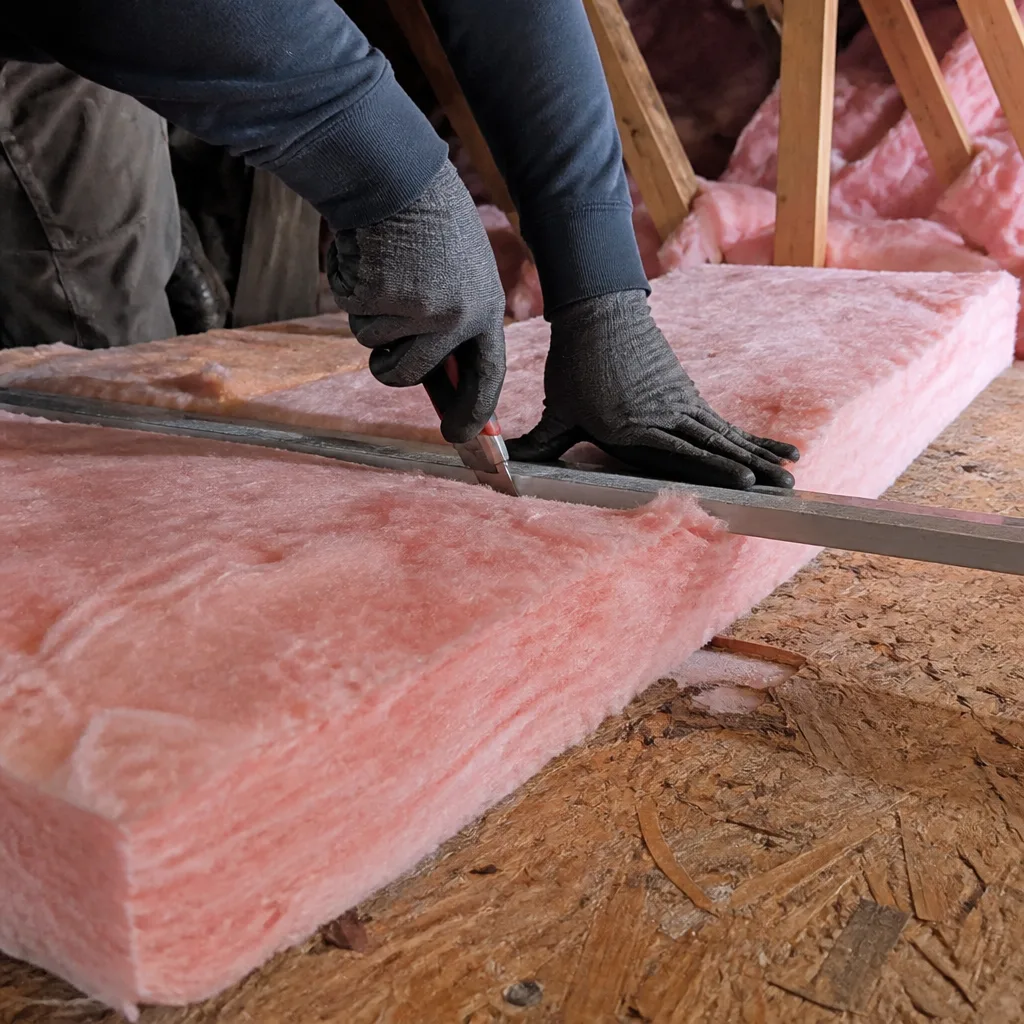
Our crews rotate through western Travis County and the northern Hill Country corridor regularly. If you’re in Lost Creek proper or in nearby Georgetown, Round Rock, Brushy Creek, or Leander, the same technician standards and documentation apply. Dispatch is coordinated from our Dallas-Fort Worth metro office, with local crews already positioned for next-day response across this service area.
Serving Lost Creek, TX - Our Local Coverage Area
We’re based in the Lost Creek area and know this community well. Use the map below to see our service coverage - if you’re nearby, we can almost certainly help.
FAQs - Blown-In Insulation in Lost Creek
Lost Creek’s 1980s and 1990s custom and semi-custom homes were built with architecturally complex rooflines - vaulted ceilings, multi-pitch framing, carriage-house rooflines - that create isolated attic bays and more thermal bridging points than standard builder-grade construction. The original insulation was thinner than current code requires, and decades of service work have compressed or displaced it. Blown-in material conforms to these irregular spaces in a way batts cannot, and air sealing beforehand addresses the bypasses that complex framing creates. Call (254) 970-2136 for a written assessment of your specific framing.
Yes, but it requires diagnostic access planning, not a simple hose extension from the main hatch. On a 1990s semi-custom on Rain Creek Parkway, our crew found the original fiberglass batts in the vaulted bay over the main living room compressed to roughly half depth and shifted out of place after years of HVAC service work, with staining near the blocked eave soffit under the live oak canopy. We air-sealed the top plates and penetrations, ran GreenFiber blown-in cellulose to a uniform depth across the irregular multi-pitch cavity, and extended the fill into the hard-to-reach secondary bay off the carriage-house roofline so the coverage matched the rest of the attic plane. The homeowner reported the upstairs cooling call dropped noticeably the same week, and we left depth markers so any future trade working the attic can verify coverage instead of guessing. Call (254) 970-2136 to schedule a bay-by-bay assessment.
Lost Creek lots were carved into Hill Country terrain with mature live oak and cedar canopy that blocks passive ventilation at the eave soffits, particularly on hillside-graded lots where the limestone slope limits airflow. The trapped humid air condenses against cooler roof decking in winter and stagnates in summer, staining and matting batts near the perimeter. This pattern is far less common in flat suburban developments a few miles east toward Oak Hill or Westlake. We address it by verifying soffit ventilation before we insulate, air sealing the top plates to prevent stack-effect moisture migration, and selecting materials appropriate to the humidity history we document. Call (254) 970-2136 for a moisture assessment included in every estimate.
We most commonly specify GreenFiber blown-in cellulose for Lost Creek’s complex cavities, with CertainTeed blown-in fiberglass as an alternative where moisture history or homeowner preference indicates it. Cellulose’s higher density suppresses air movement better in irregular bays, while fiberglass maintains R-value in persistently humid conditions. We don’t default to one material; we specify based on what your diagnostic shows. Every lot number is recorded in your job documentation. Call (254) 970-2136 to discuss material selection for your home.
No - not without air sealing and pathway correction first. Decades of service traffic compresses insulation and creates thermal-bridging channels that new material alone won’t close. We map these pathways during our assessment, seal the top plates and penetrations, and then add blown-in material to a uniform depth with verification markers. A top-up without this preparation is Haven Standard non-compliant, and we don’t perform them. The written scope you receive before work starts specifies exactly which preparatory steps are included. Call (254) 970-2136 for an honest assessment of whether your attic needs top-up or full replacement.
Ready for a written price before any work starts? Call (254) 970-2136 today. Our live answering is available 24/7, and Lost Creek assessments are typically scheduled within 24 to 48 hours. Every job includes a Documented Photo Record, and applicable work comes with before-and-after blower-door numbers so you can verify the air-sealing result in a single figure. Under our 365-Day Done Right Promise, if it’s not done right, we make it right - backed by the written warranty delivered before anyone begins.
Written by Wes Okafor, Owner at Envelope Insulation Co., operating under The Haven Standard since 2016.