

Fast, Reliable Spray Foam Insulation Across Lost Creek
Most spray foam insulation jobs in Lost Creek run $3,800-$8,500 for a full attic treatment, with smaller targeted applications like rim joists or garage ceilings starting around $1,200-$2,400. We dispatch crews to Lost Creek from our Dallas-Fort Worth scheduling office, and we typically book site visits within 48 hours for homeowners in the 78738 and 78735 zip codes. If you’re seeing uneven temperatures upstairs, rising summer electric bills, or you’ve had HVAC work done recently that disturbed your original insulation, call us at (254) 970-2136 for a written price before any work starts.
Why Topside Attic Insulation Georgetown Is Lost Creek’s Preferred Spray Foam Insulation Company
We’ve worked in enough Lost Creek homes to know the pattern: a 1987 custom build off Flint Rock Trail with vaulted ceilings and a multi-pitch roof that no standard insulation crew knows how to read. Our Spray Foam Insulation team has completed hundreds of jobs in western Travis County, and Lost Creek’s specific combination of 1980s-1990s custom construction, complex roof geometry, and Balcones Escarpment heat load is something we document on every written scope.
Homeowners in Lost Creek leave reviews that mention the same details: we show up with a written price, we photograph everything, and we publish blower-door numbers when air sealing is part of the job. Our 365-Day Done Right Promise applies to every completed project, and a live person answers our phones 24/7 - no callback windows measured in business days. Dispatch and scheduling are coordinated from our Dallas-Fort Worth office, but crews serve Lost Creek locally and carry the full material line for same-day starts on approved jobs.
Our Spray Foam Insulation Services in Lost Creek
Closed-Cell Spray Foam
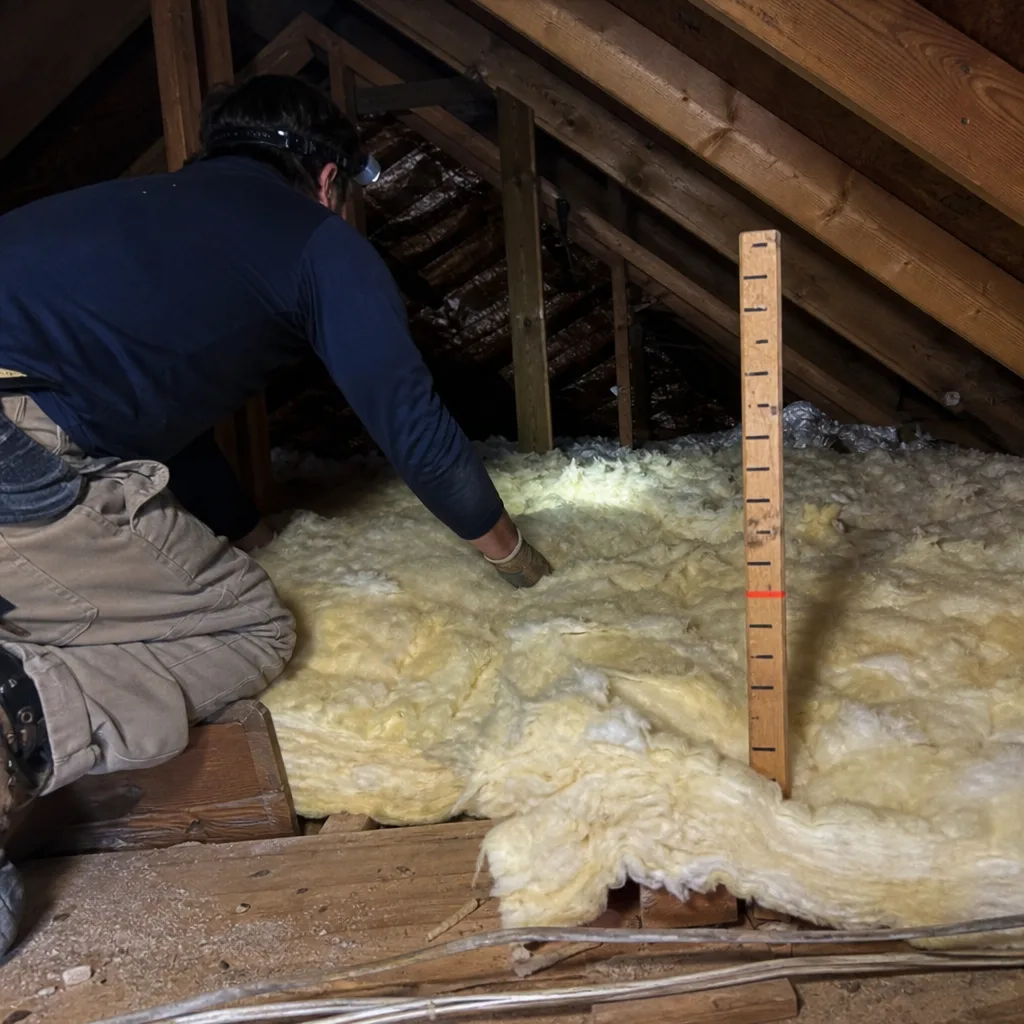
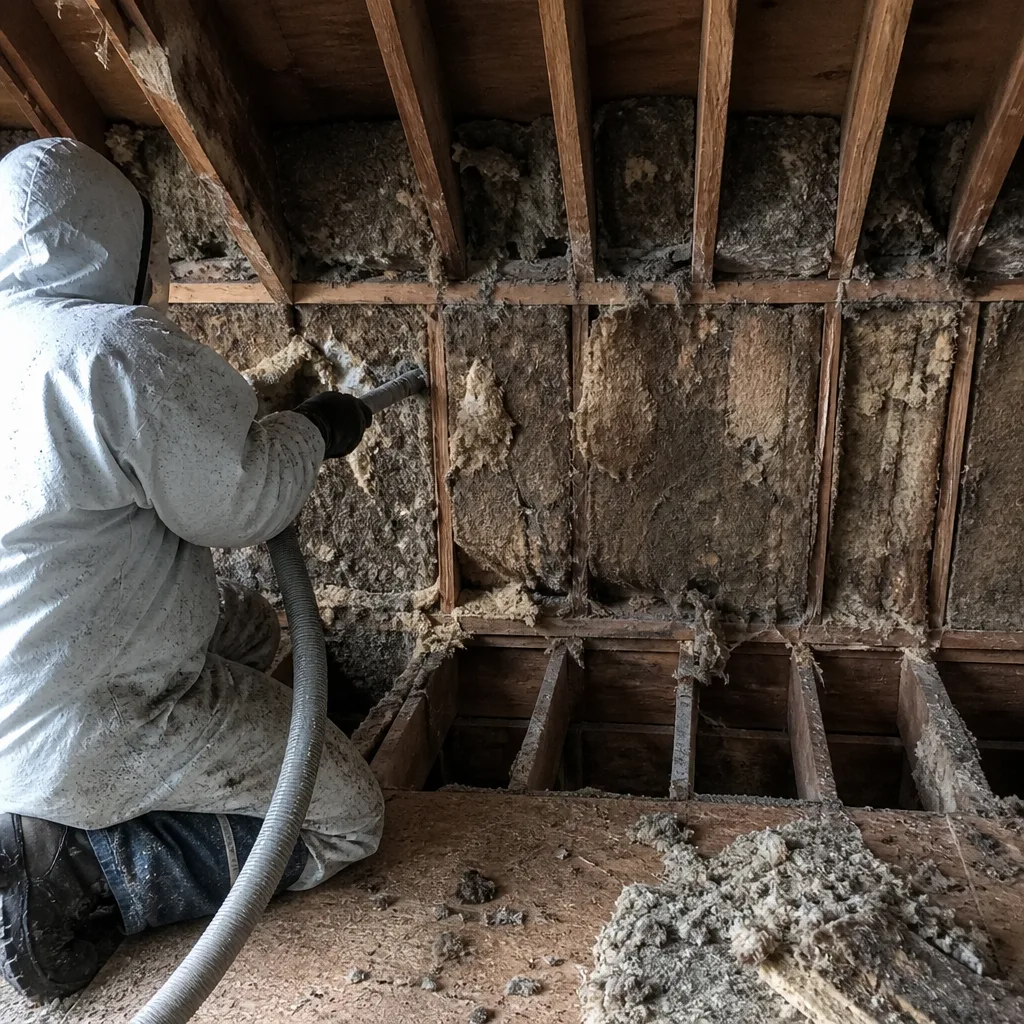
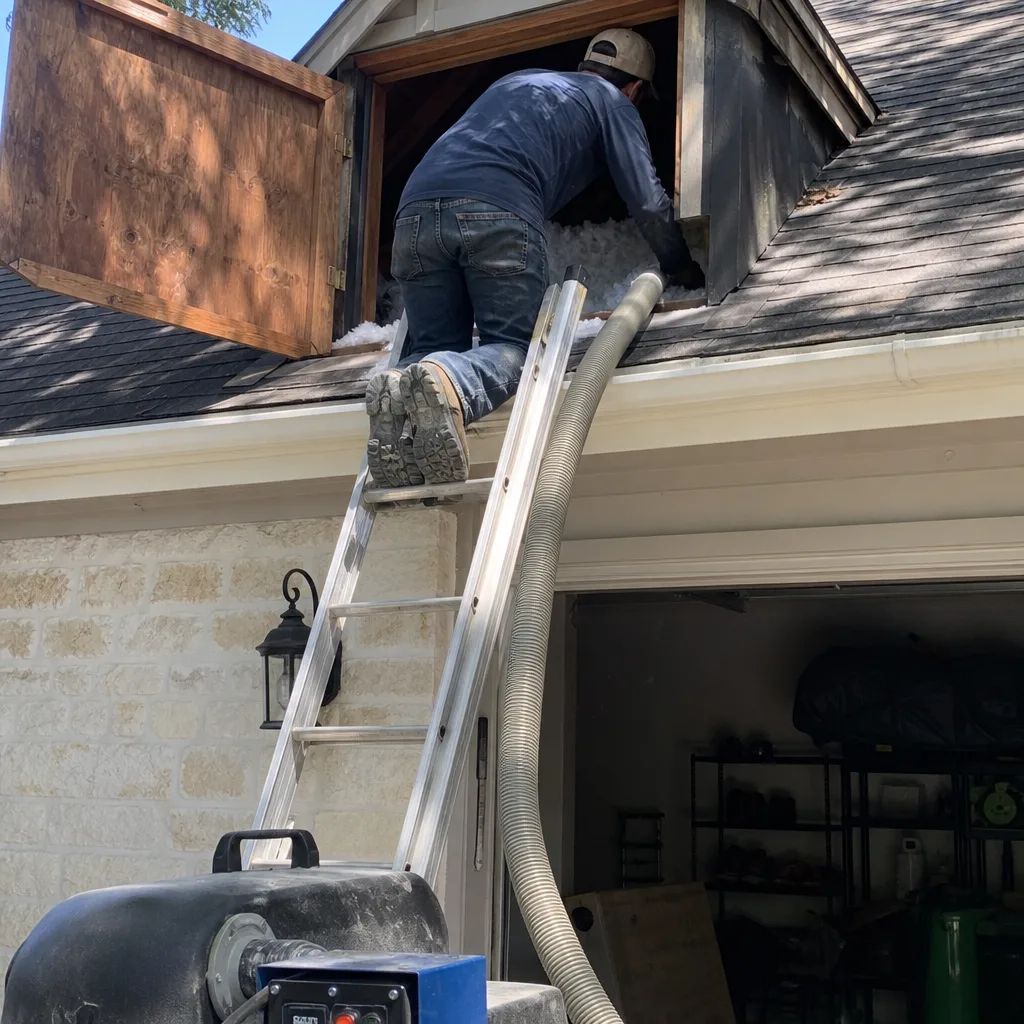
Closed-cell spray foam is our default recommendation for most Lost Creek attic and roof deck applications. At 2.0 lbs per cubic foot, it delivers R-6.5 per inch, acts as its own vapor barrier, and holds up in the 150°F+ temperatures that attics off Flint Rock Trail and Bella Colinas see from June through September. We source closed-cell products from Demilec and Icynene, and we never apply foam over an unsealed surface - top plates, can lights, and HVAC chases get sealed first, then insulated. In a late-1980s custom home off Flint Rock Trail, our crew found original Johns Manville fiberglass batts compressed to about half thickness in a multi-pitch vaulted attic, with damp staining at the south eave from blocked soffit vents. We removed the damaged batts, installed closed-cell spray foam along the affected roof deck and rim joist transitions, and sealed the soffit baffles before rebuilding the attic plane; the homeowner immediately noticed the upstairs bonus room held temperature during a 100°F afternoon instead of racing the AC.
Open-Cell Spray Foam
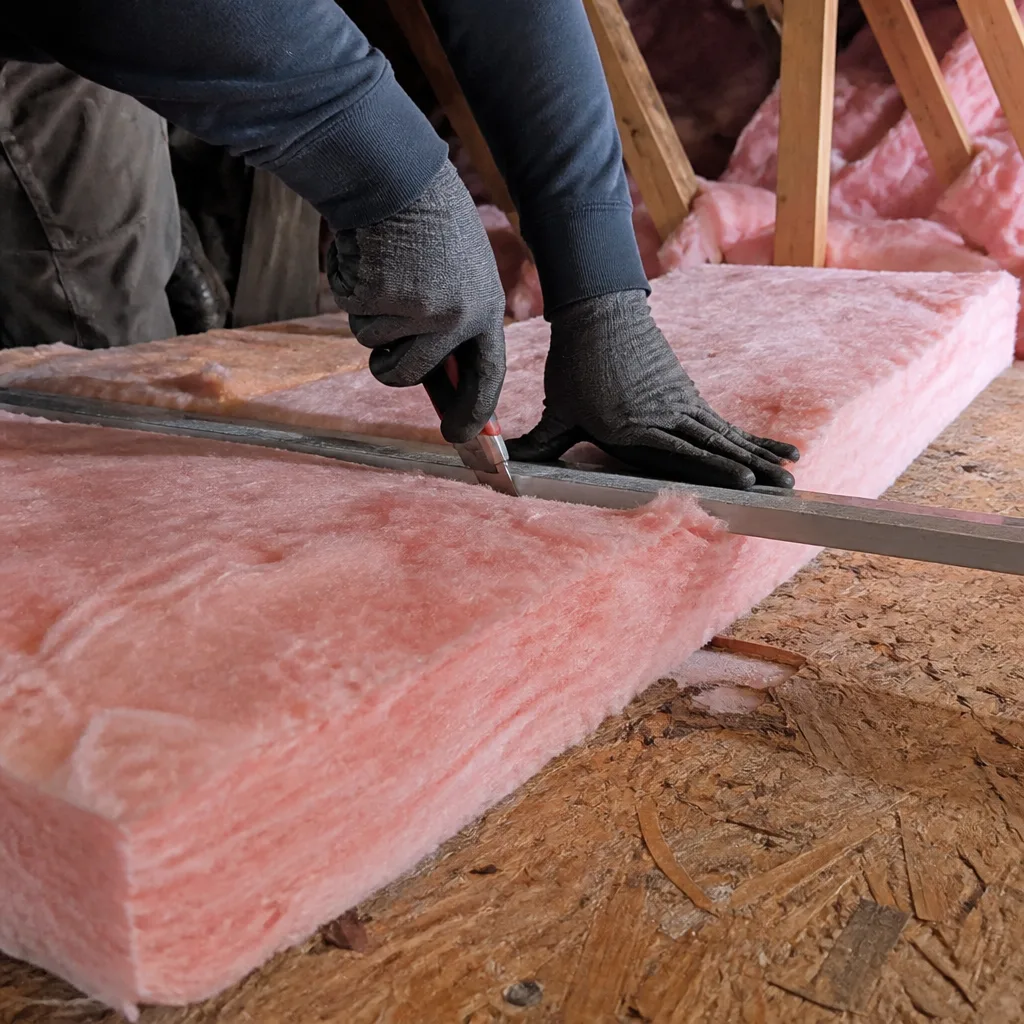
Open-cell foam runs lighter at 0.5 lbs per cubic foot and R-3.6 per inch, and it has a place in Lost Creek - specifically in conditioned attic spaces with proper ventilation and in wall cavities where moisture management is already handled. We don’t recommend open-cell for unvented roof decks in Lost Creek homes that sit in full sun exposure on the limestone plateau; the sustained thermal load can degrade the foam’s performance over time. Our crew will tell you exactly where open-cell fits and where it doesn’t, and we’ll put that in writing before anyone starts.
Rim Joist Spray Foam
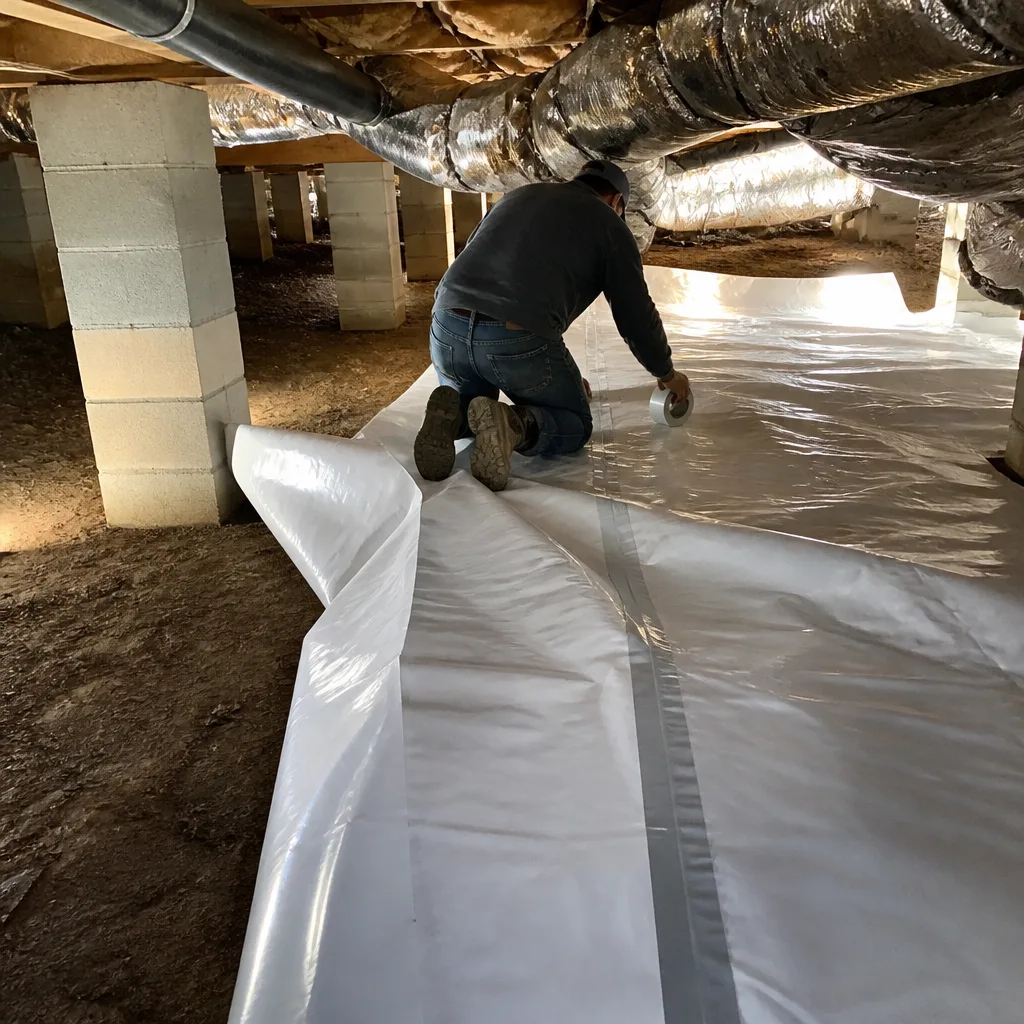
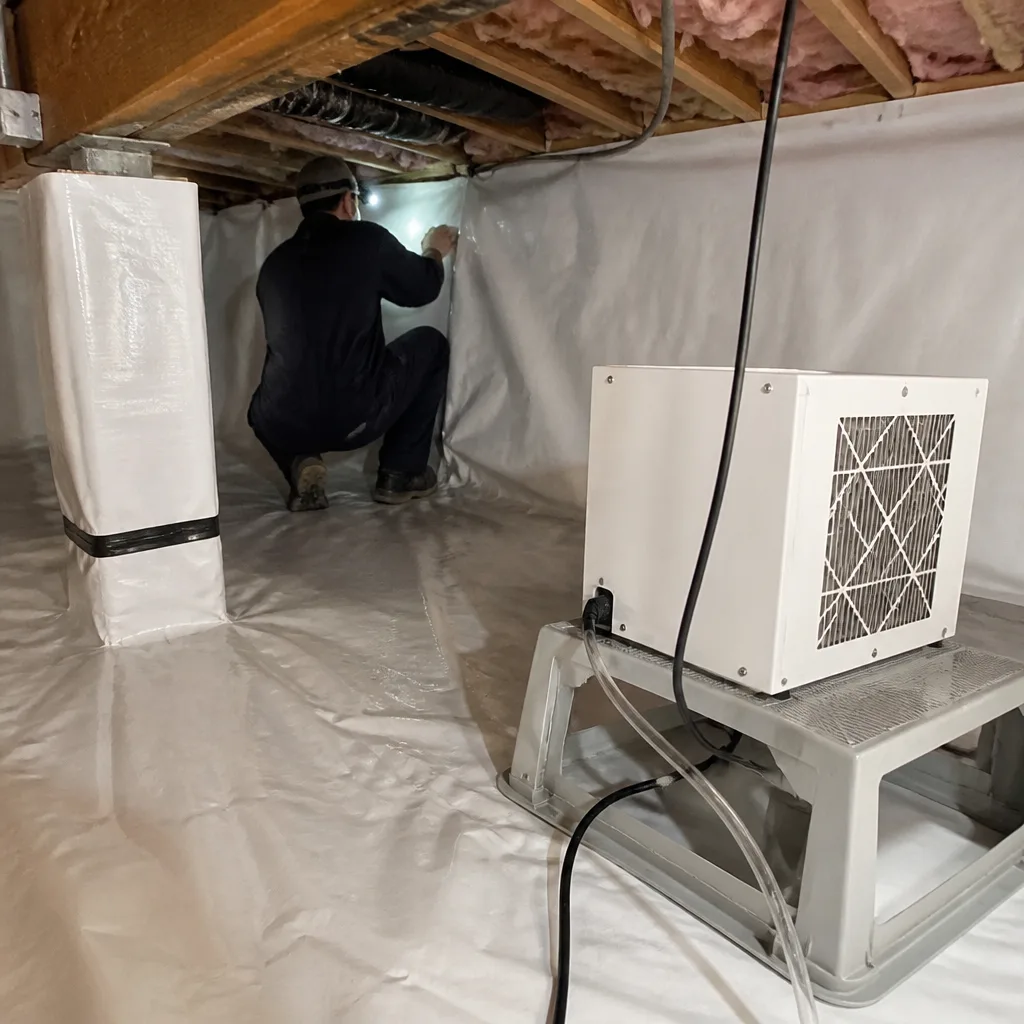
Lost Creek’s slab-on-grade homes built over limestone bedrock have rim joists that are almost always leaky. The intersection where the foundation wall meets the first floor framing is a thermal bypass we see on every blower-door test, and in Lost Creek’s climate, that means humid summer air pulling into conditioned space and cold winter air dropping floor temperatures. We seal rim joists with closed-cell spray foam, typically 2-3 inches, which delivers both air sealing and insulation in one pass. This is often the highest-ROI single upgrade in a Lost Creek home that’s already had attic work done.
Garage Ceiling Spray Foam
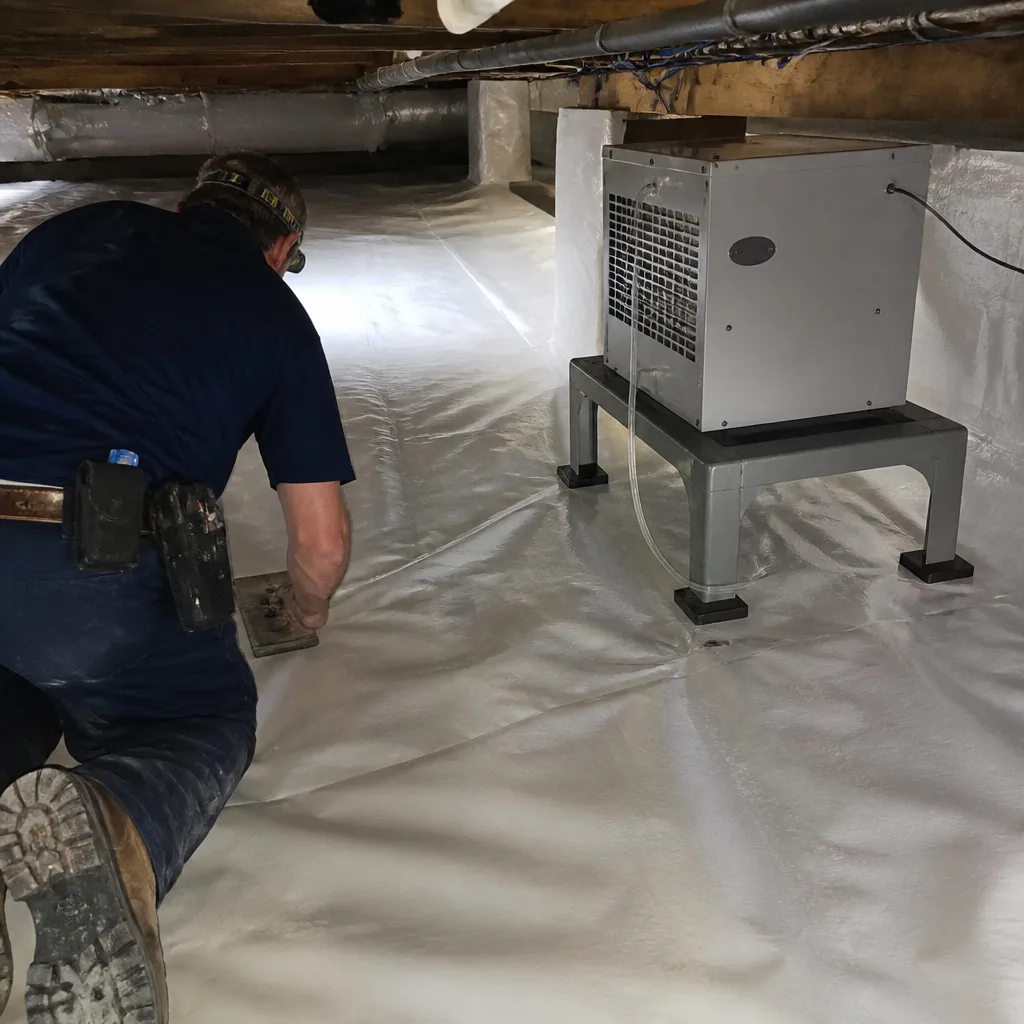
Many Lost Creek homes have bonus rooms or conditioned space above the garage, and the garage ceiling is almost never properly air-sealed or insulated in these 1980s-1990s builds. We treat garage ceilings as part of the building envelope, not an afterthought - spray foam applied to the ceiling plane, with specific attention to penetrations for laundry chases, HVAC ducts, and recessed lighting housings that create thermal bridging. If your bonus room over the garage is the hottest room in the house, this is usually why.
Spray Foam Roof Deck
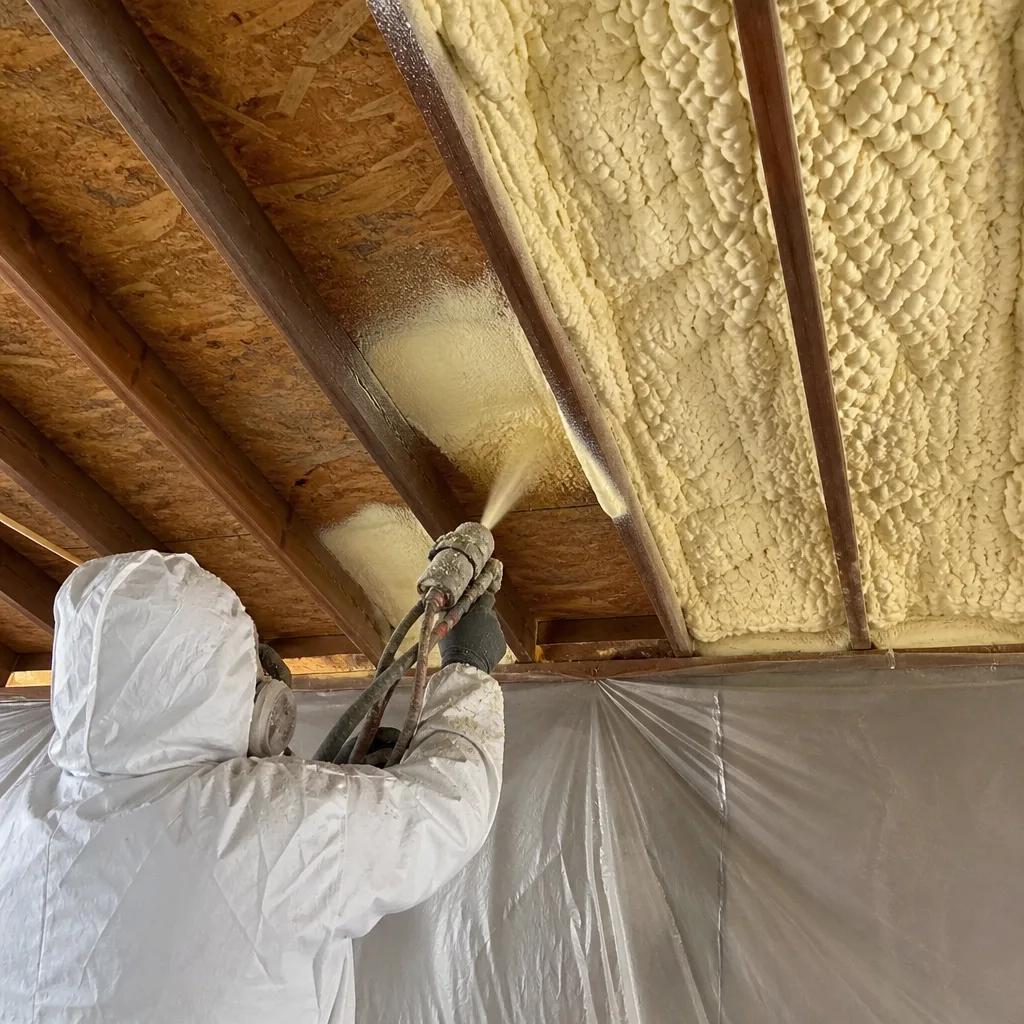
Converting an unvented attic to conditioned space by spraying the roof deck is the right solution for some Lost Creek homes, particularly those with complex multi-pitch framing where traditional attic ventilation doesn’t function. We use closed-cell foam on roof decks in this climate, applied at code-minimum thickness plus a margin for the thermal bridging that Lost Creek’s irregular framing creates. Every roof deck job includes soffit baffle restoration and verification that ventilation pathways are clear - critical in Lost Creek, where dense live oak and cedar canopy blocks passive airflow at the eaves.
What happens when you call
- 1
A real person answersNo phone trees - you reach a local pro.
- 2
You get an upfront price rangeHonest numbers before anyone is dispatched.
- 3
A background-checked tech heads outLicensed & insured, dispatched right away.
- 4
You approve before work beginsNothing starts until you say go.
 Before
 After
AfterTrusted Brands We Service in Lost Creek
We stock and install spray foam systems from Icynene, Demilec, and Owens Corning, with no proprietary lock-in that limits your options. Our Lost Creek crews carry the full material line on their trucks, which means we don’t wait on Dallas-Fort Worth warehouse pulls for standard jobs. If your home has existing foam from another manufacturer, we can match density and compatibility for repairs or additions. We document the product lot number and application thickness on every job, and that record goes in your file with the photo documentation and blower-door readings.
Common Spray Foam Insulation Problems We See in Lost Creek Homes
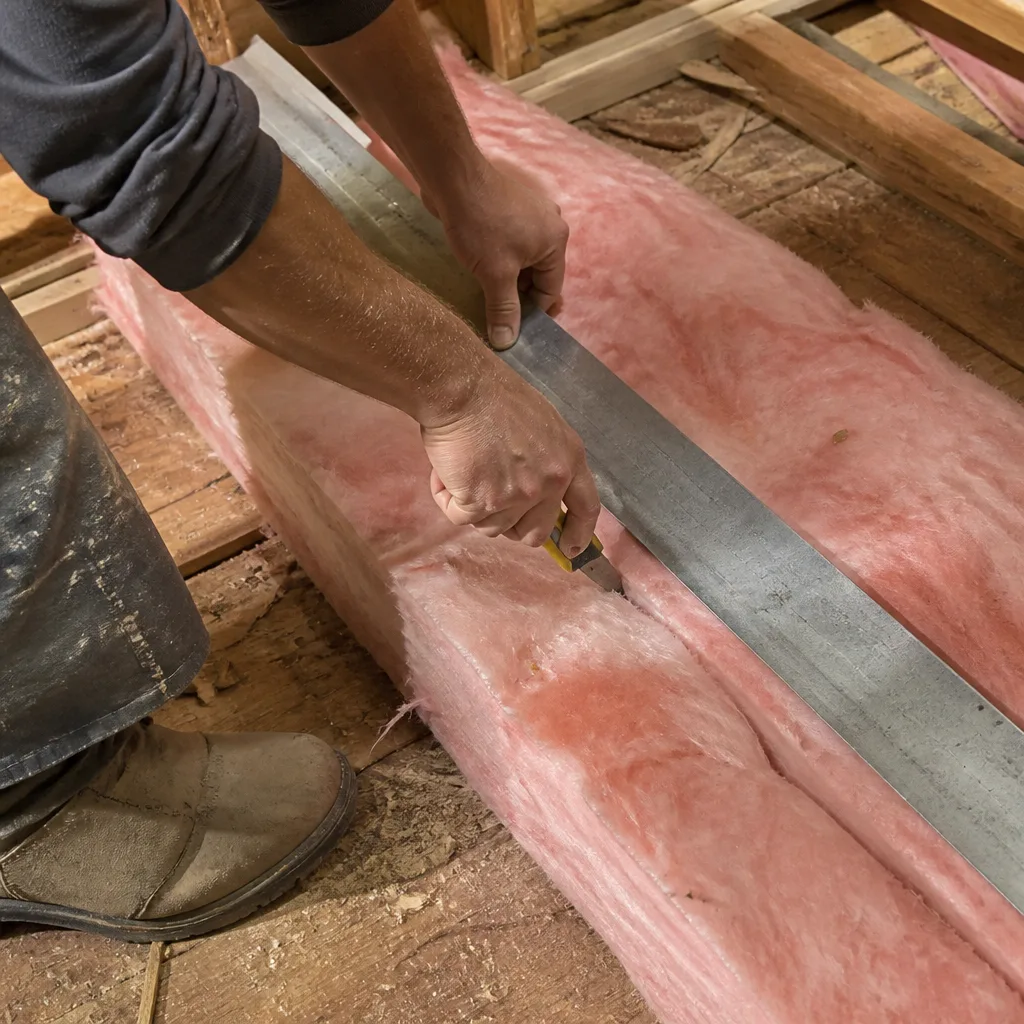
- Moisture-stained batts at blocked eave soffits. Lost Creek’s mature live oak and cedar canopy, combined with hillside grading along the Balcones Escarpment, blocks passive ventilation at the eaves in ways flat suburban lots don’t experience. Spray foam applied over these damp batts traps moisture instead of solving the ventilation failure. We remove the damaged material, restore baffle airflow, then foam.
- Open-cell foam degrading in unvented roof decks. Lost Creek’s 150°F+ summer attic temperatures stress open-cell foam in tight thermal envelopes. We’ve removed and replaced open-cell that was specified for the wrong application, usually in custom homes where a generic “spray the roof deck” approach ignored the local heat load.
- Thermal bridging at recessed lights and HVAC chases. Lost Creek’s custom homes have more irregular framing and more ceiling penetrations than tract construction. A spray pattern that covers the top plate but misses the chase framing leaves hot spots and condensation risk. Our written scope maps every penetration before foam goes in.
- Compressed original batts in multi-pitch attics. The architecturally complex rooflines that make Lost Creek homes distinctive also create inaccessible cavities where original fiberglass has compressed or shifted over 30+ years. Spray foam is often the only practical way to achieve full coverage in these spaces, but it requires a crew that can read the framing and adjust the application pattern.
Pricing for Spray Foam Insulation in Lost Creek, TX
| Application | Typical Range in Lost Creek |
|---|---|
| Rim joist (targeted) | $1,200 - $2,400 |
| Garage ceiling | $1,800 - $3,600 |
| Partial attic (open-cell, conditioned space) | $3,800 - $5,500 |
| Full attic (closed-cell, roof deck or floor) | $5,500 - $8,500 |
| Complex custom home with multi-pitch framing | $7,500 - $12,000+ |
What moves you within these ranges: square footage, accessibility, whether we’re removing existing material first, and whether air sealing and baffle restoration are needed before foam application. Most Lost Creek homes need some degree of prep work - the blocked soffits and compressed batts we described aren’t exceptions, they’re the norm. We give you a flat written price before any work starts, and we offer a Free Second Opinion on any competing written estimate. Call (254) 970-2136 to schedule a site visit.
We Also Serve Cities Near Lost Creek
Our crews work throughout the northern Austin metro, including Lost Creek and nearby Georgetown, Round Rock, Brushy Creek, and Leander. If you’re outside Lost Creek city limits but within western Travis County or the surrounding Hill Country transition zone, the same building-envelope expertise and written-price protocol apply.
Serving Lost Creek, TX - Our Local Coverage Area
We’re based in the Lost Creek area and know this community well. Use the map below to see our service coverage - if you’re nearby, we can almost certainly help.
FAQs - Spray Foam Insulation in Lost Creek
Because the original fiberglass batts in most Lost Creek homes have been compressed, shifted, or moisture-stained by decades of HVAC service work and blocked soffit ventilation from the dense tree canopy. A “top-up” that leaves damaged material in place traps moisture and delivers a fraction of the rated R-value. We quote the full scope - removal, sealing, baffle restoration, then foam - so you know what you’re actually paying for. Call (254) 970-2136 for a written price; estimates are free.
Closed-cell is the better choice for most Lost Creek applications, especially unvented roof decks and rim joists exposed to sustained thermal load. Open-cell works in conditioned attics with managed ventilation and in wall cavities, but we don’t recommend it for the tight, hot envelope conditions that are standard in Lost Creek’s custom homes. We’ll specify the right product for your specific assembly and put it in writing.
They affect the ventilation, which affects everything else. Dense canopy blocks airflow at the eave soffits, and hillside grading along the Escarpment makes passive ventilation even harder to achieve. We inspect soffit baffles on every Lost Creek job, and we restore or replace them before foam goes in. The trees stay; the ventilation gets fixed.
Yes, and it’s often the only practical way to insulate these spaces. Our crew reads the framing plan, identifies the thermal bridges and inaccessible cavities, and adjusts the spray pattern accordingly. We use closed-cell foam for the structural rigidity it adds to thin roof decks, and we document thickness with probe measurements, not visual estimates. The complexity is why we start with a site visit and a written scope.
Usually yes, especially if the disturbance revealed compressed, displaced, or moisture-damaged material that can’t be restored. Spray foam adheres directly to the substrate, fills irregular cavities that batts can’t seal, and delivers both air sealing and insulation in one application. We’ll assess what’s left, quote removal and replacement if needed, and give you a written price before any work starts.
Written by Wes Okafor, Owner at Envelope Insulation Co., serving Lost Creek and the greater Austin metro since 2016.