
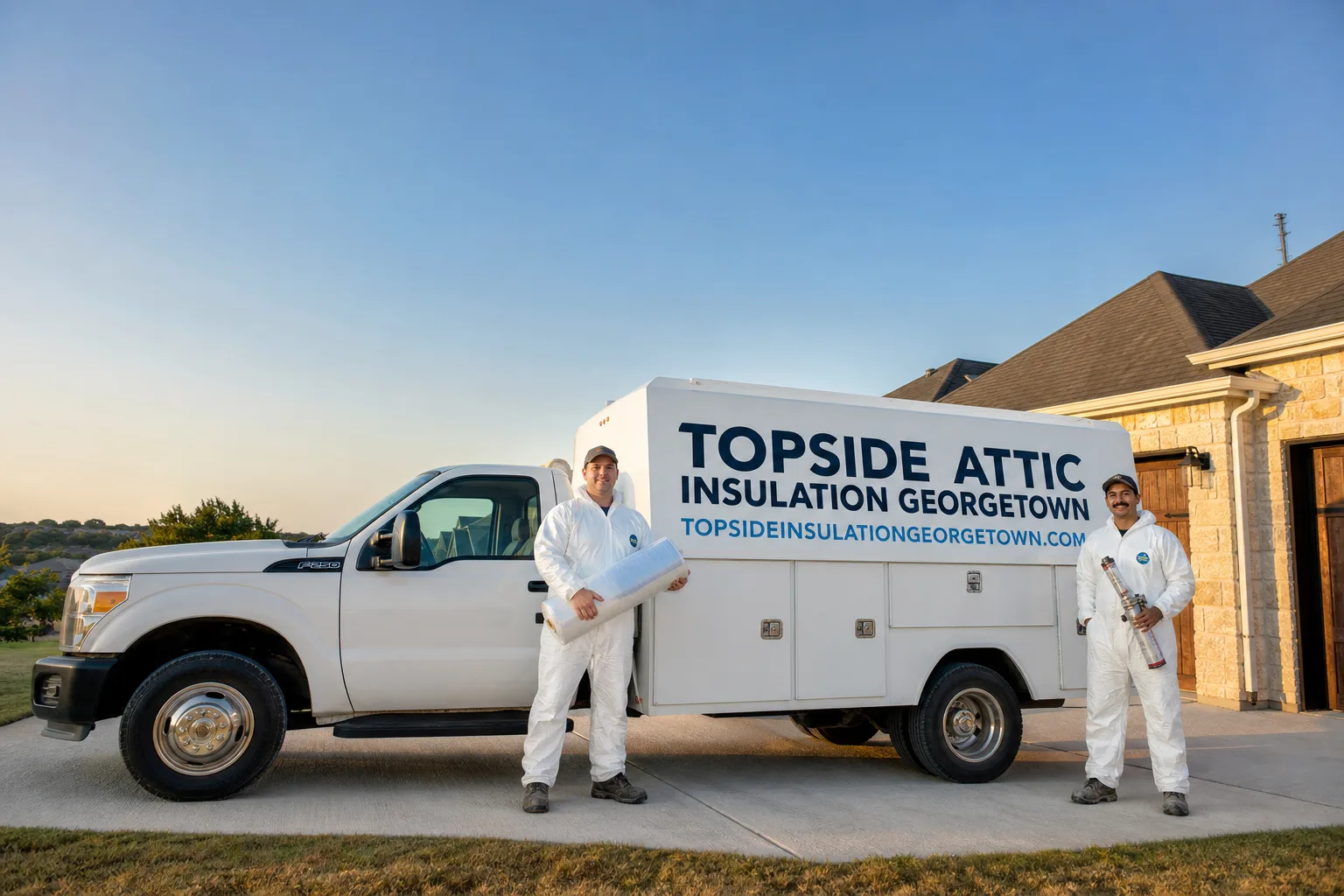
Fast, Reliable Blown-In Insulation Across Leander
Most blown-in insulation jobs in Leander run $1,800-$3,400 for a standard attic, and our crews are typically on-site within 24-48 hours of your call. We dispatch from our Austin office, but our teams live and work in the Leander area, so we know the difference between a Bryson two-story and a Crystal Falls ranch when we pull up. Call (254) 970-2136 for a written price before anyone lifts a tool.
Leander’s mix of rapid-growth subdivisions and acreage properties means we’re insulating everything from 2018 production builds with garage-ceiling batt failures to detached workshops on Old San Antonio Road that need dense-pack walls. The common thread: volume-builder shortcuts or owner-builder gaps that show up as hot rooms, high bills, or freeze damage when a Hill Country norther blows through.
Why Topside Attic Insulation Georgetown Is Leander’s Preferred Blown-In Insulation Company
We’ve sealed and insulated 9,000+ homes since 2016, and a growing share of those are in Leander’s post-2015 subdivisions where the original insulation was rushed to minimum code. Our reviews from Leander customers consistently note the same thing: we found the gap the builder missed. That reputation travels fast in a city growing this quickly.
Our response time to Leander is same-day or next-day for most calls, and we text when the technician is on the way. Under Haven Standard: Arrive on schedule, you get a named technician and a text when they are on the way. No voicemail loops, no callback windows measured in business days. A live person answers calls 24/7.
What separates us in Leander specifically is our blower-door-first approach. We pressurize the house, find where the air is moving, seal it, then insulate. In a city where most homes were engineered for summer cooling loads alone, that sequence matters. We’ve documented attic assemblies in Travisso and Crystal Falls where the blown-in coverage looked adequate but the air leakage rendered it nearly useless.
Our Blown-In Insulation Services in Leander
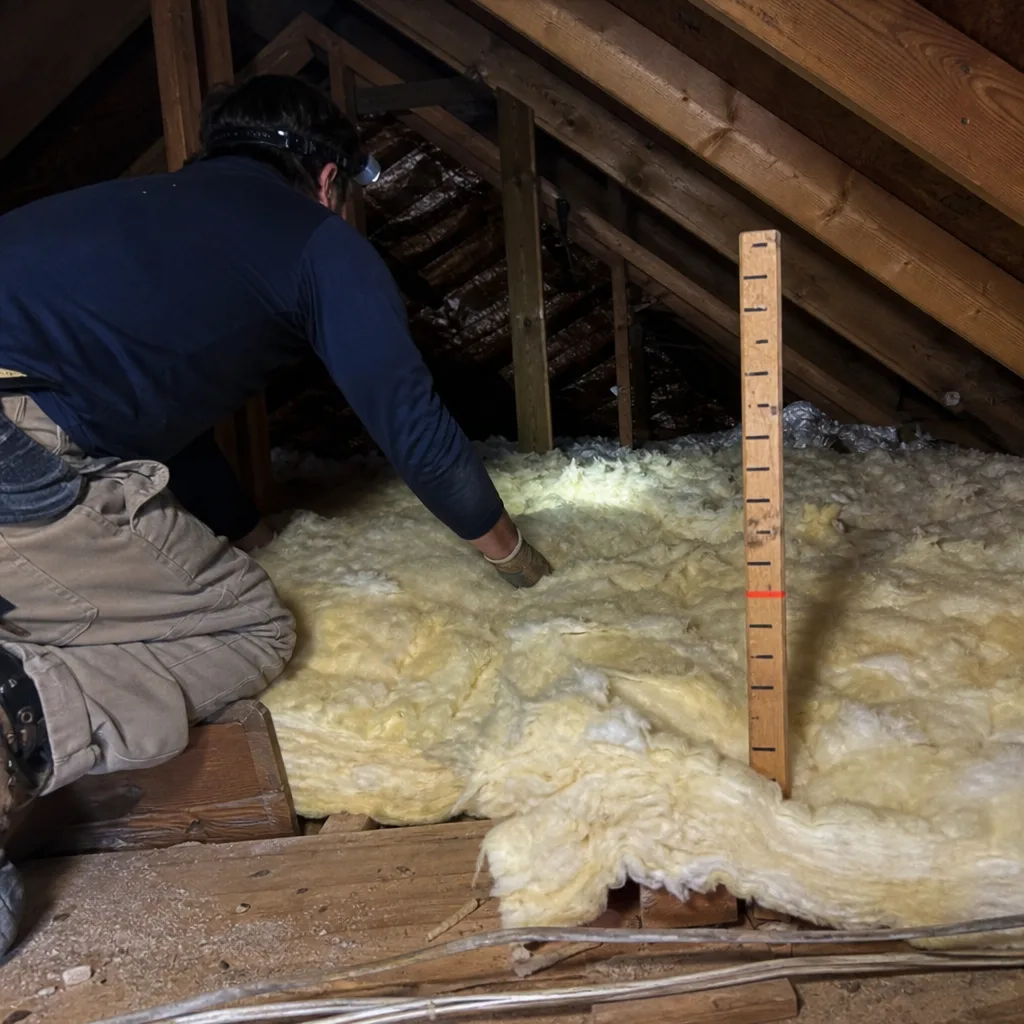
Blown-In Cellulose
We install GreenFiber cellulose in Leander attics at settled densities of 1.5-2.0 lbs per cubic foot, which gives you an R-value of 3.2-3.8 per inch. Cellulose performs well in Leander’s climate because it handles both the 150°F July attic peaks and the sudden freeze events that roll down from the Hill Country. Out in Crystal Falls, we opened the attic over a two-story bonus room and found the garage-ceiling batt sagging off the framing, compressed flat against the drywall, with the outer bays never blocked at all - the classic volume-builder catch in Leander’s newer builds. We air-sealed the top plates and canned lights first, then blew GreenFiber cellulose over the whole assembly to a level lid so the second floor would stop baking in July. The homeowner had been quoted a bigger AC unit by two other companies; the temperature swing upstairs evened out on blown-in alone.
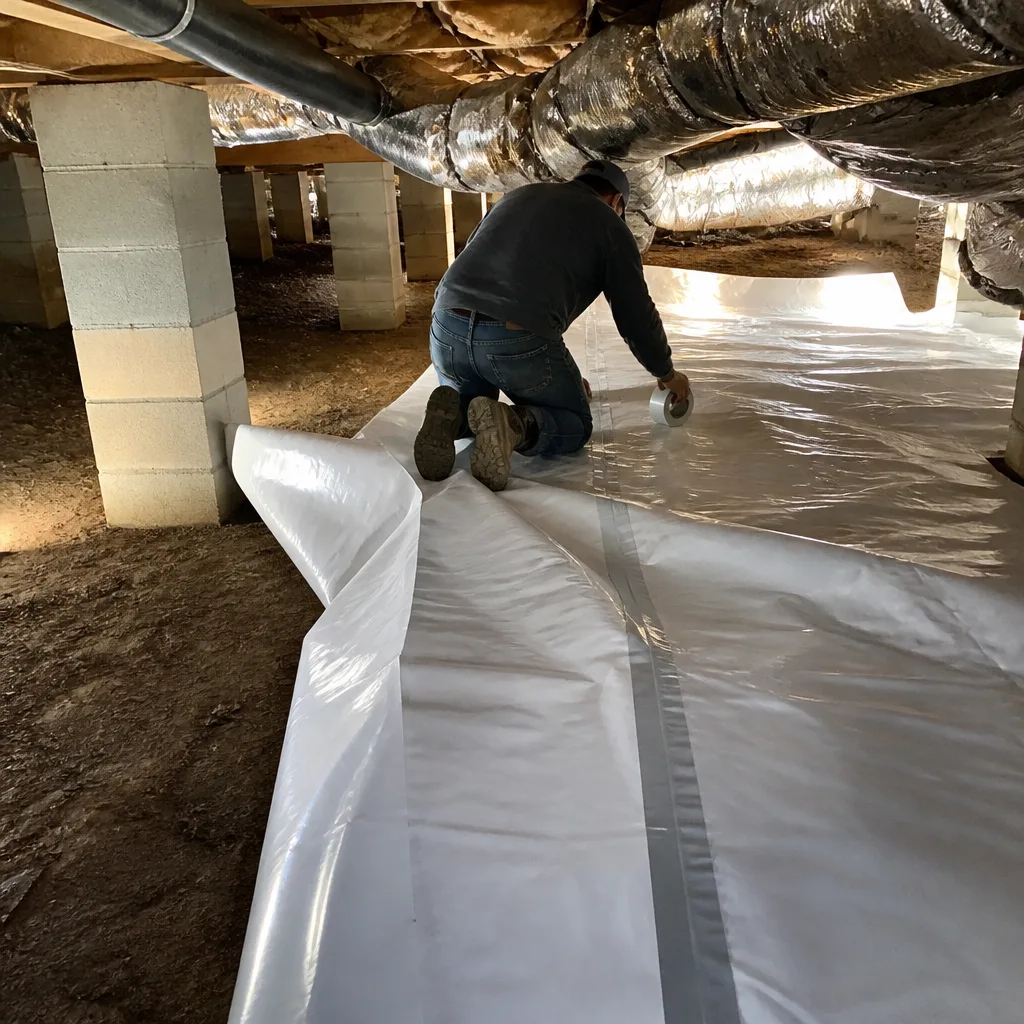
Blown-In Fiberglass
For Leander homes with existing fiberglass that hasn’t degraded, we blow Owens Corning or Johns Manville fiberglass to supplement or replace. Fiberglass doesn’t settle as aggressively as cellulose, which matters in vaulted ceilings and bonus-room knee walls where access for future adjustment is limited. We see a lot of these geometries in Leander’s D.R. Horton and Lennar two-stories, where open-plan designs create thermal bridging at cantilevered floors and garage-ceiling assemblies.
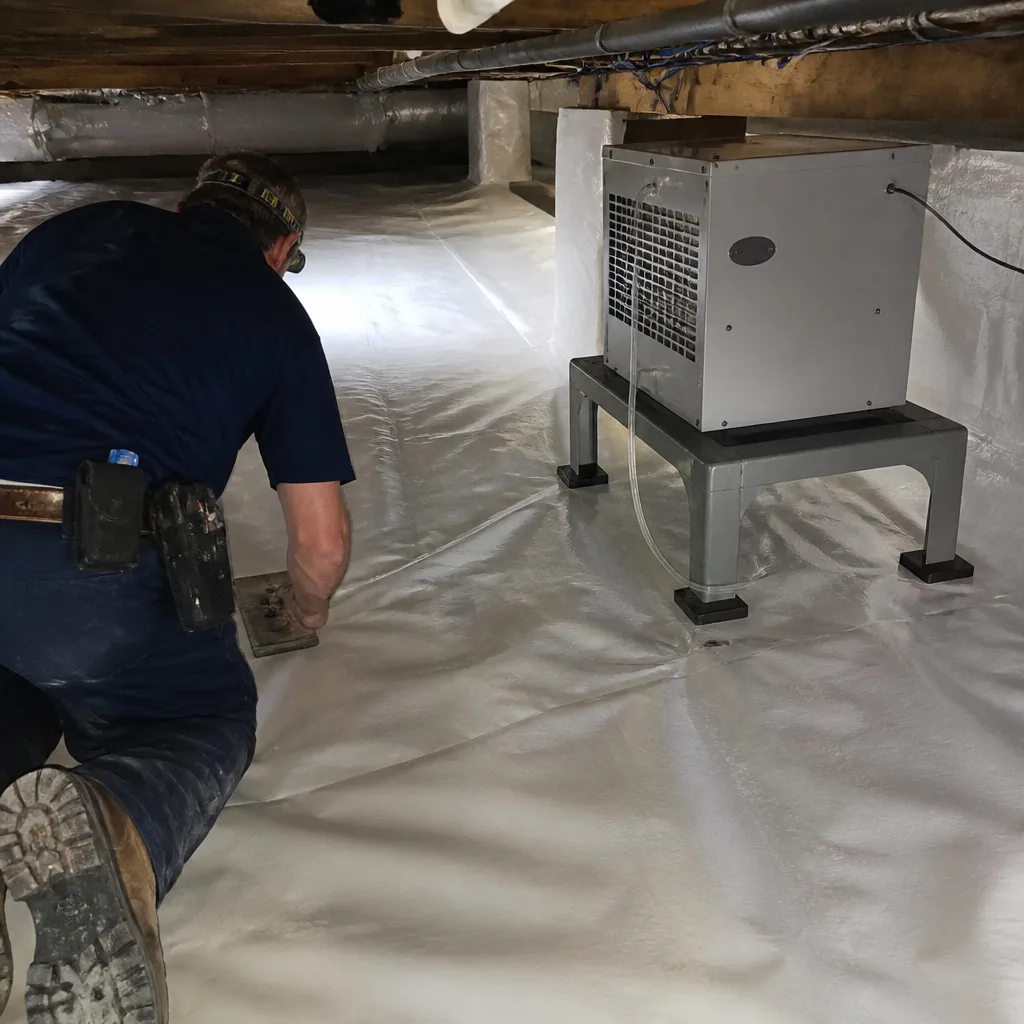
Dense-Pack Wall Insulation
Leander’s 2010s-2020s production homes often have empty or poorly filled exterior wall cavities, especially behind switch plates and at partition-wall intersections. Our dense-pack wall insulation blows cellulose at 3.0-3.5 lbs per cubic foot into closed cavities through strategically placed access holes, filling gaps the framer never insulated. This is the fix for the pipe freezes that hit Bryson, Crystal Falls, and Travisso during Winter Storm Uri - exterior walls that were thermal sieves because the batt was missing or compressed at the cavity edges.
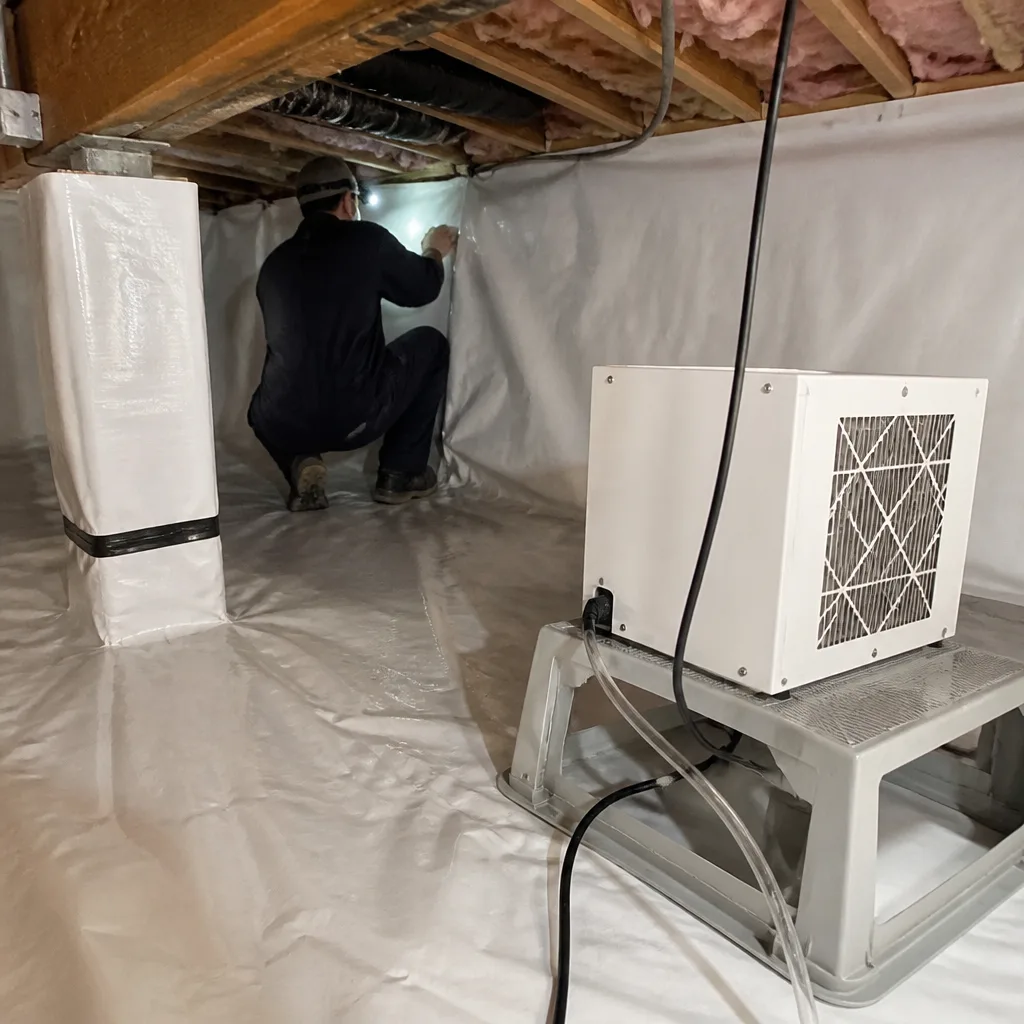
Blown-In Top-Up
Most Leander attics we inspect have existing loose fill that has settled below the joist line, sometimes by 30% or more. The original install was often to minimum summer-load code, which leaves you exposed when a norther drives a hard freeze. Our top-up service brings the assembly to current R-38 to R-49 for Leander’s climate zone, but only after we air-seal the top plates, can lights, and penetrations. Adding insulation over an unsealed attic floor is something we won’t do - sealed first, then insulated, in that order.
Our Blown-In Insulation team documents every job with before-and-after photos and, on applicable work, blower-door readings so you can verify the performance change.
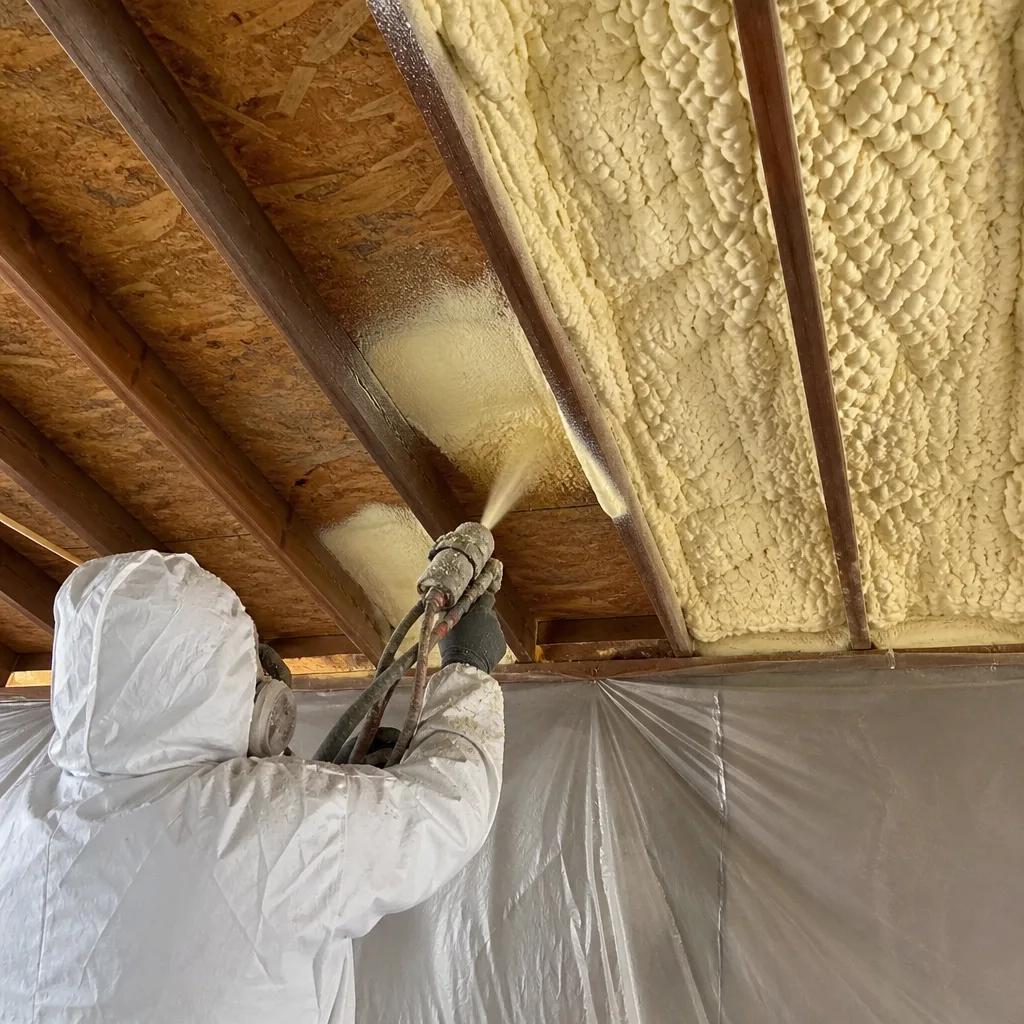
What happens when you call
- 1
A real person answersNo phone trees - you reach a local pro.
- 2
You get an upfront price rangeHonest numbers before anyone is dispatched.
- 3
A background-checked tech heads outLicensed & insured, dispatched right away.
- 4
You approve before work beginsNothing starts until you say go.
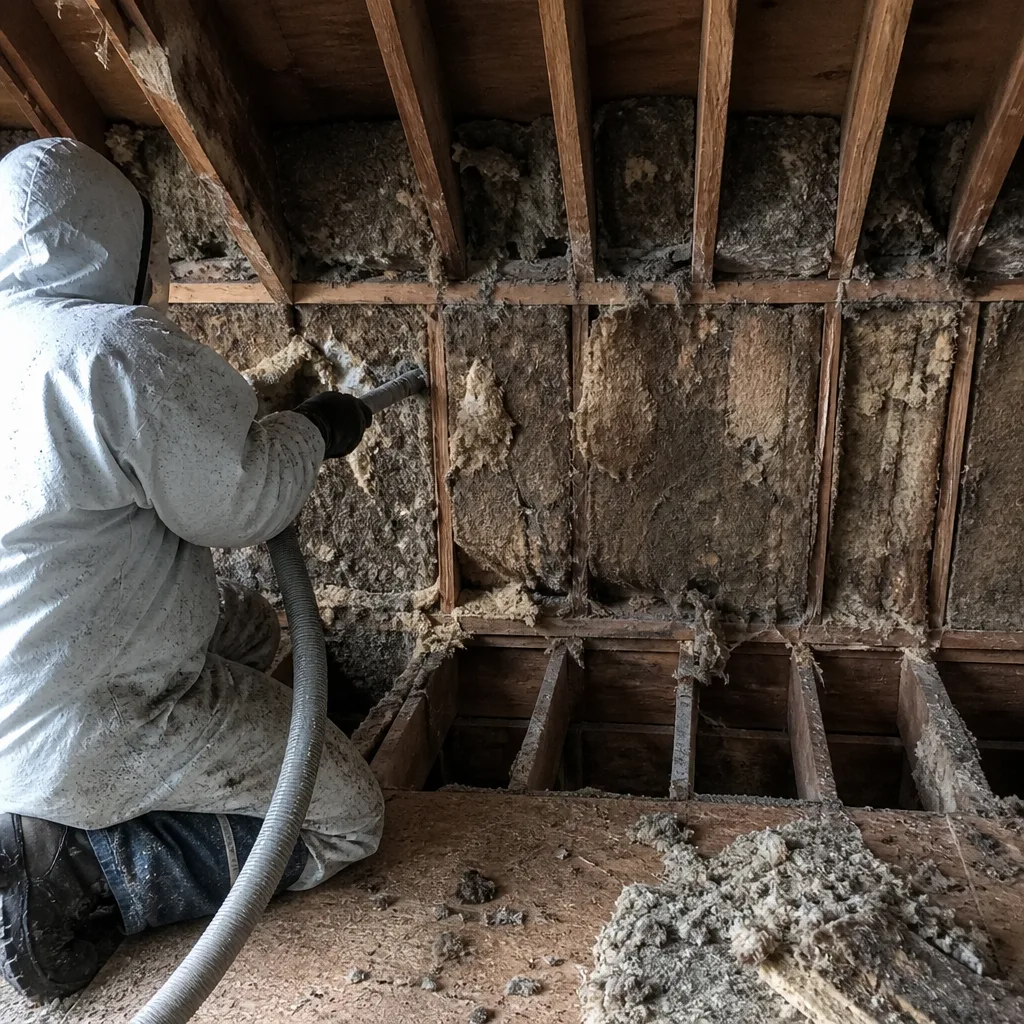 Before
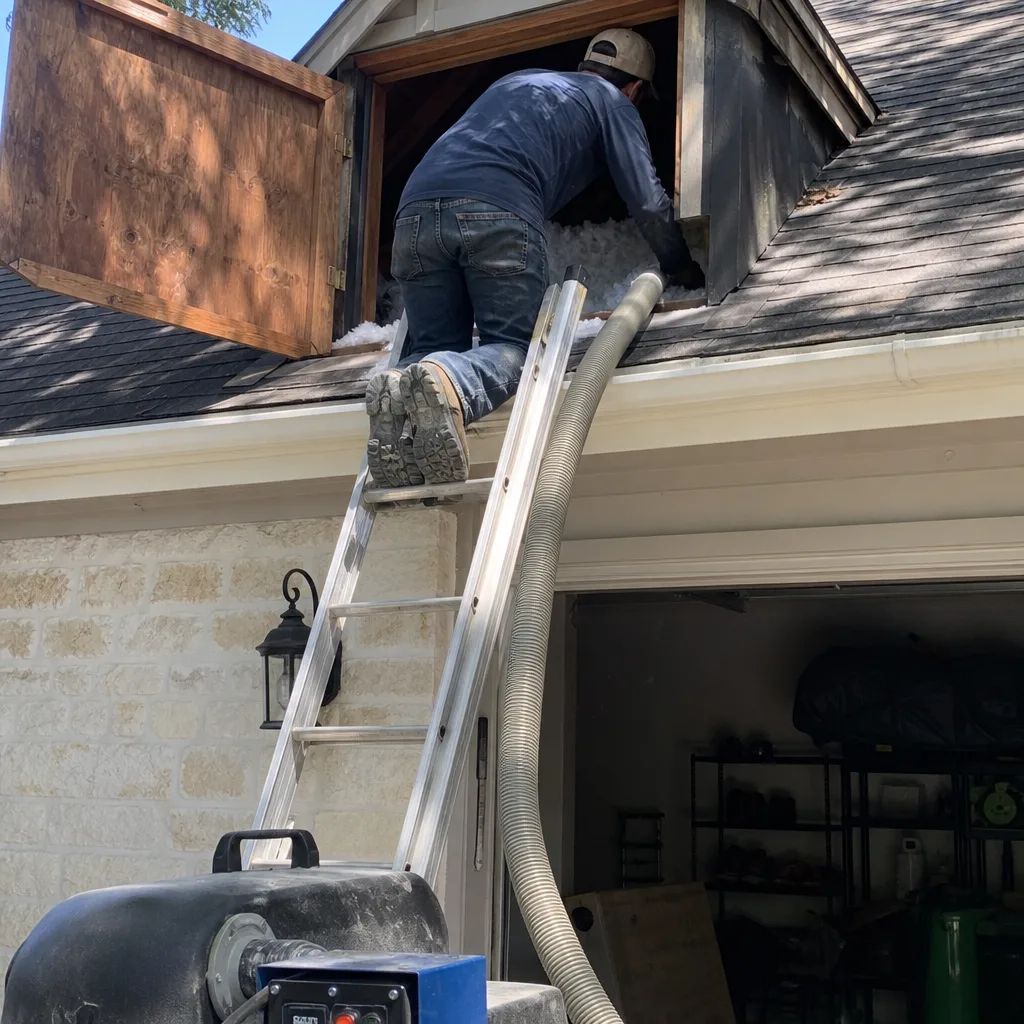 After
AfterTrusted Brands We Service in Leander
We stock materials from Rockwool, CertainTeed, Icynene, and Demilec, among others, and we don’t lock you into proprietary products. For Leander customers, this means we can match existing insulation types for top-ups or specify the right material for the application - dense-pack cellulose for a Travisso wall retrofit, Rockwool batts for a fire-rated garage-ceiling assembly on an acreage property off Bagdad Road. We carry enough inventory on our trucks to complete most Leander jobs in one trip, which matters when you’re driving a crew out to a ranch property with a 400-foot service drive.
Common Blown-In Insulation Problems We See in Leander Homes
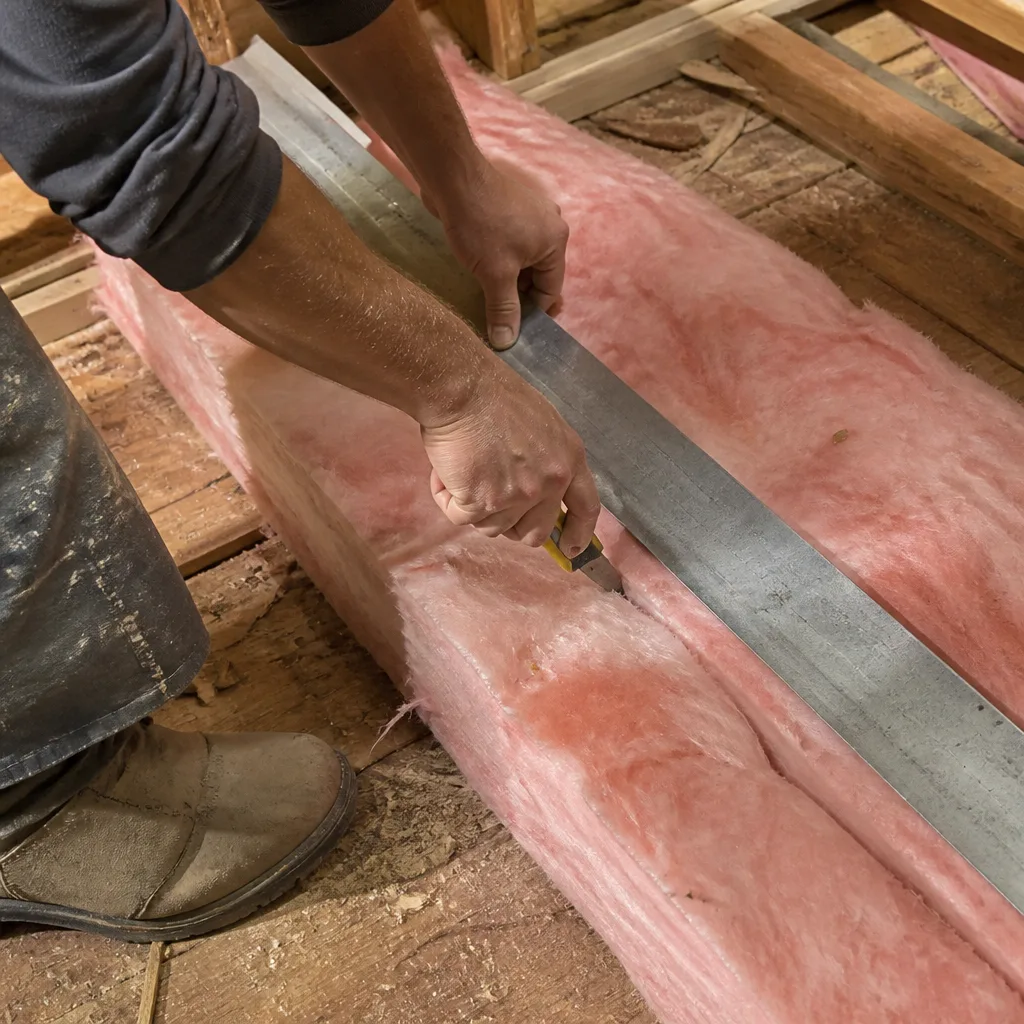
- Compressed or missing batt over the garage ceiling. In Leander’s post-2015 subdivisions, the volume-builder framing-inspection miss behind “hot upstairs” complaints is almost always garage-ceiling batt that was compressed against drywall or never blocked at the outer bays. Homeowners burn money on HVAC service calls before someone opens the attic hatch.
- Blown-in coverage that thins at complex geometries. Vaulted ceilings, cantilevered floor sections, and bonus-room knee walls in Leander’s open-plan two-stories are where blown-in settles or was never properly installed, leaving thermal-bridging gaps the builder never addressed. We find these with visual inspection and infrared verification.
- Existing loose fill settled below joist line. A 2010s Leander attic with original blown-in often has material that was only ever installed to minimum summer-load code. It can’t hold up when a Hill Country norther drives a hard freeze, which is why Uri caused the damage it did in homes barely a decade old.
- Insulation installed before air sealing. We regularly find Leander attics where blown-in was added over a leaky top plate or unsealed can light, meaning the insulation is filtering air rather than stopping it. Our blower-door test quantifies this before we start, so we’re fixing the envelope, not just adding material.
Pricing for Blown-In Insulation in Leander, TX
Here’s what blown-in insulation costs in Leander’s current market:
| Service | Typical Range |
|---|---|
| Blown-in cellulose attic (1,500-2,500 sq ft home) | $1,800-$3,400 |
| Blown-in fiberglass attic (same size range) | $1,600-$3,000 |
| Dense-pack wall insulation (per sq ft of wall) | $2.50-$4.50 |
| Blown-in top-up to R-38/R-49 | $1,200-$2,400 |
| Air sealing + blower-door test (required prerequisite) | $800-$1,500 |
What moves you within these ranges: attic square footage, current insulation condition, accessibility, and whether we’re addressing a specific failure like a garage-ceiling batt defect or doing a full envelope treatment. Every job gets a Written Price Before Any Work Starts - Haven Standard Clause 1 - and we offer a Free Second Opinion on any written estimate from another contractor. Call (254) 970-2136 for your exact number; estimates are free.
We Also Serve Cities Near Leander
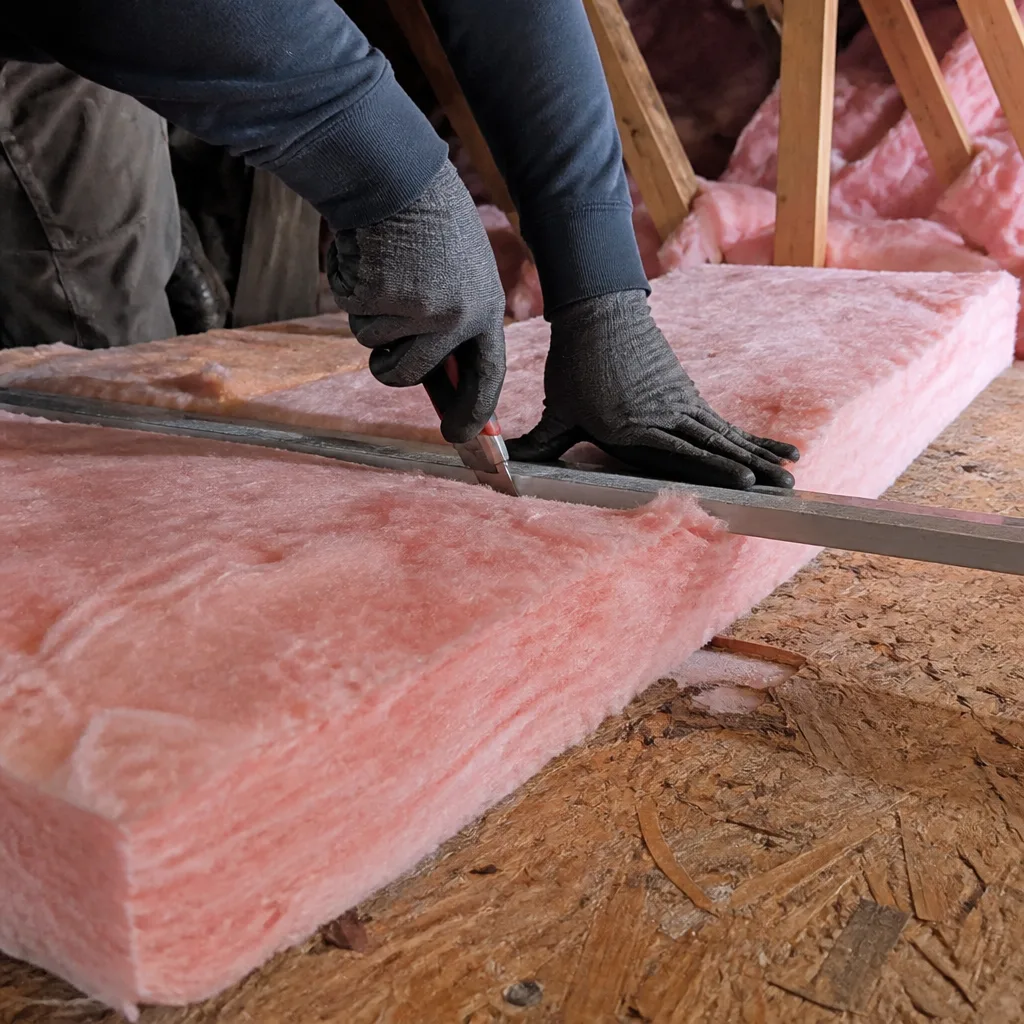
Our crews work throughout the northern Austin metro, including Blown-In Insulation in Leander and surrounding areas. We regularly schedule jobs in Cedar Park, Georgetown, Round Rock, and Pflugerville from the same dispatch, so if you’re on the edge of Leander city limits or have a property near the county line, we can route efficiently without the wait times of a contractor based farther south.
Serving Leander, TX - Our Local Coverage Area
We’re based in the Leander area and know this community well. Use the map below to see our service coverage - if you’re nearby, we can almost certainly help.
FAQs - Blown-In Insulation in Leander
The garage-ceiling batt was likely compressed or left unblocked during framing, which is the dominant failure mode we find in Leander’s post-2015 production builds. The insulation isn’t doing its job, so heat radiates from the garage into the bonus room above. We verify this with attic inspection and infrared imaging, then air-seal and blow in cellulose to a level lid. Call (254) 970-2136 for a free estimate - we’ll show you exactly what’s in that ceiling before we quote.
Leander’s rapid growth meant volume builders were under production-schedule pressure, and insulation was frequently rushed to minimum code with minimal quality control. Winter Storm Uri exposed how poorly these assemblies performed in freeze conditions. A decade-old home in Bryson or Travisso can have the same insulation defects as a 40-year-old house in a settled suburb. We document what we find with photos and blower-door numbers.
It helps with both, but only if the assembly is complete and the air sealing is done first. Leander sits at a climatic edge where 150°F attics and hard norther freezes both occur. Insulation that was specified for summer cooling loads alone won’t protect pipes in exterior walls or above garage ceilings when the temperature drops into the single digits. Our dense-pack wall work specifically addresses the freeze vulnerability Uri revealed.
We can top up existing loose fill if it’s clean, dry, and hasn’t been contaminated by rodent activity or moisture. Most Leander attics we inspect have material that has settled 20-30% below its original depth, so a top-up to R-38 or R-49 is often the right move. We always air-seal first, then add new blown-in over the old. If the existing material is degraded, we’ll document why removal is necessary and quote it separately.
We do. Vaulted ceilings and bonus-room knee walls get materials that resist settling over time - fiberglass or higher-density cellulose - because future access for adjustment is difficult or impossible. Standard flat attics get cellulose for its cost-performance balance and superior air-sealing at density. We specify the material in the written scope before work starts, so you know what you’re getting and why.
Written by Wes Okafor, Owner at Topside Attic Insulation Georgetown, serving Leander since 2016.