
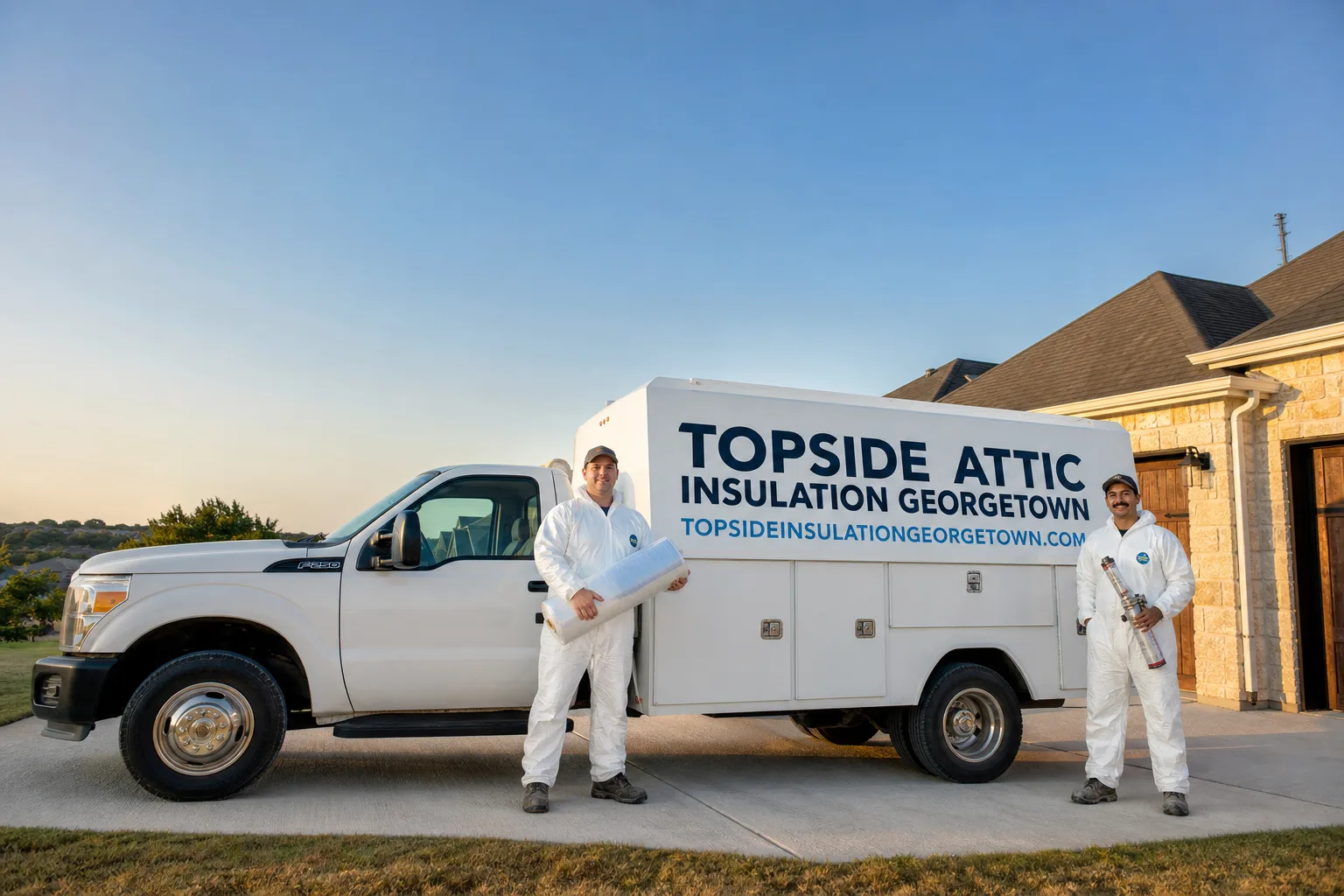
Fast, Reliable Blown-In Insulation Across Camp Swift
Most blown-in insulation jobs in Camp Swift run between $1,800 and $4,200 for a full attic, and we typically schedule within 48 hours of your call. Our crews serve the Lost Pines corridor from our Austin dispatch office, carrying the heavy equipment needed for rural acreage properties with detached workshops and long driveways. We don’t do callbacks for forgotten tools. Call (254) 970-2136 for a written price before any work starts.
Why Topside Attic Insulation Georgetown Is Camp Swift’s Preferred Blown-In Insulation Company
We’ve worked the post-fire rebuilds off Pine Tree Loop and the older ranch stock along FM 20 enough to know which foundation types hold moisture and which attic framing details trap humidity. Our Blown-In Insulation team doesn’t guess at Camp Swift conditions; we measure them.
Homeowners in the Lost Pines communities leave reviews that mention the same thing: we show up with the right machine for the job, not a half-loaded truck that needs to return. Our 365-Day Done Right Promise applies to every Camp Swift job, backed by a written scope and warranty delivered before the crew starts.
Calls from Bastrop County route to a live person 24/7. No voicemail loops, no “we’ll call you back Tuesday.” Dispatch coordinates from our Austin office, but the crew that arrives at your Camp Swift property knows the area - the uneven rural approaches, the heavy doors on detached shops, the humidity that sits in these attics differently than it does thirty miles west.
Our Blown-In Insulation Services in Camp Swift
Blown-In Cellulose
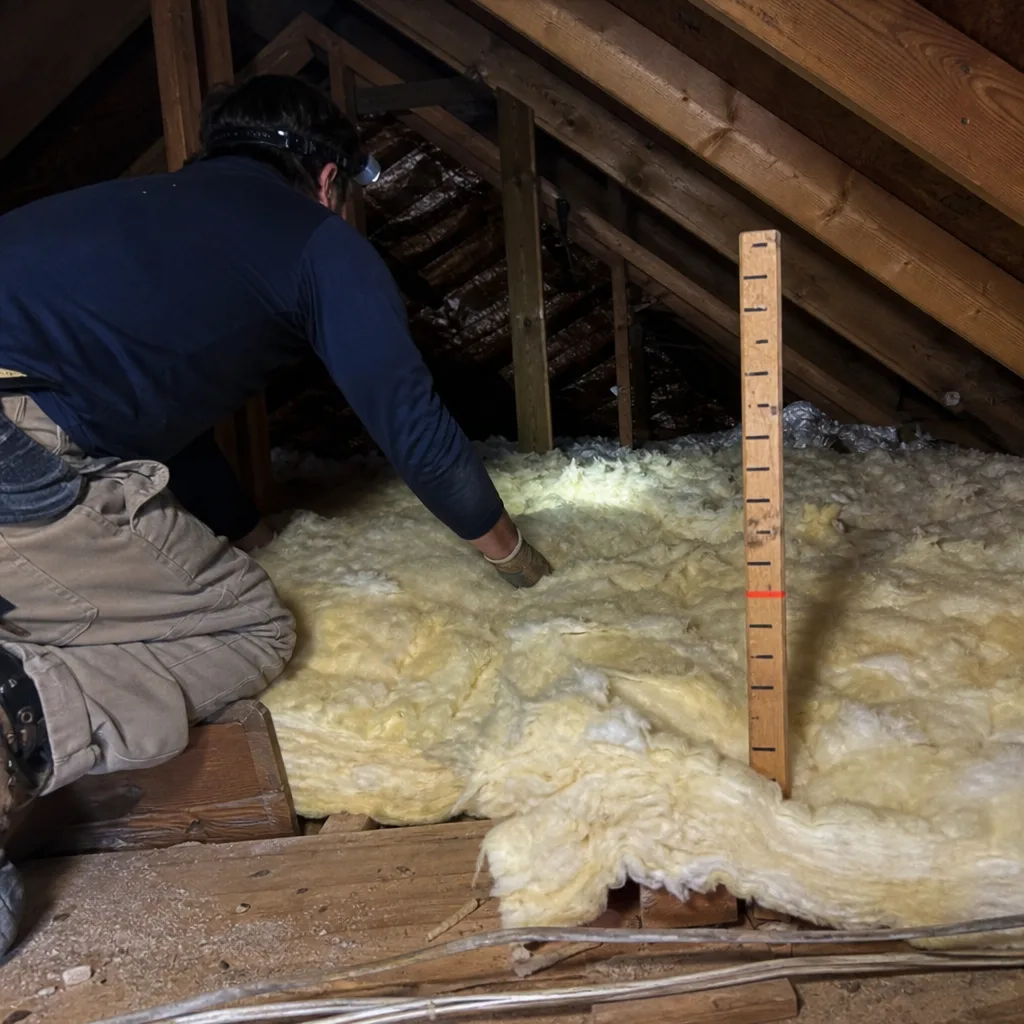
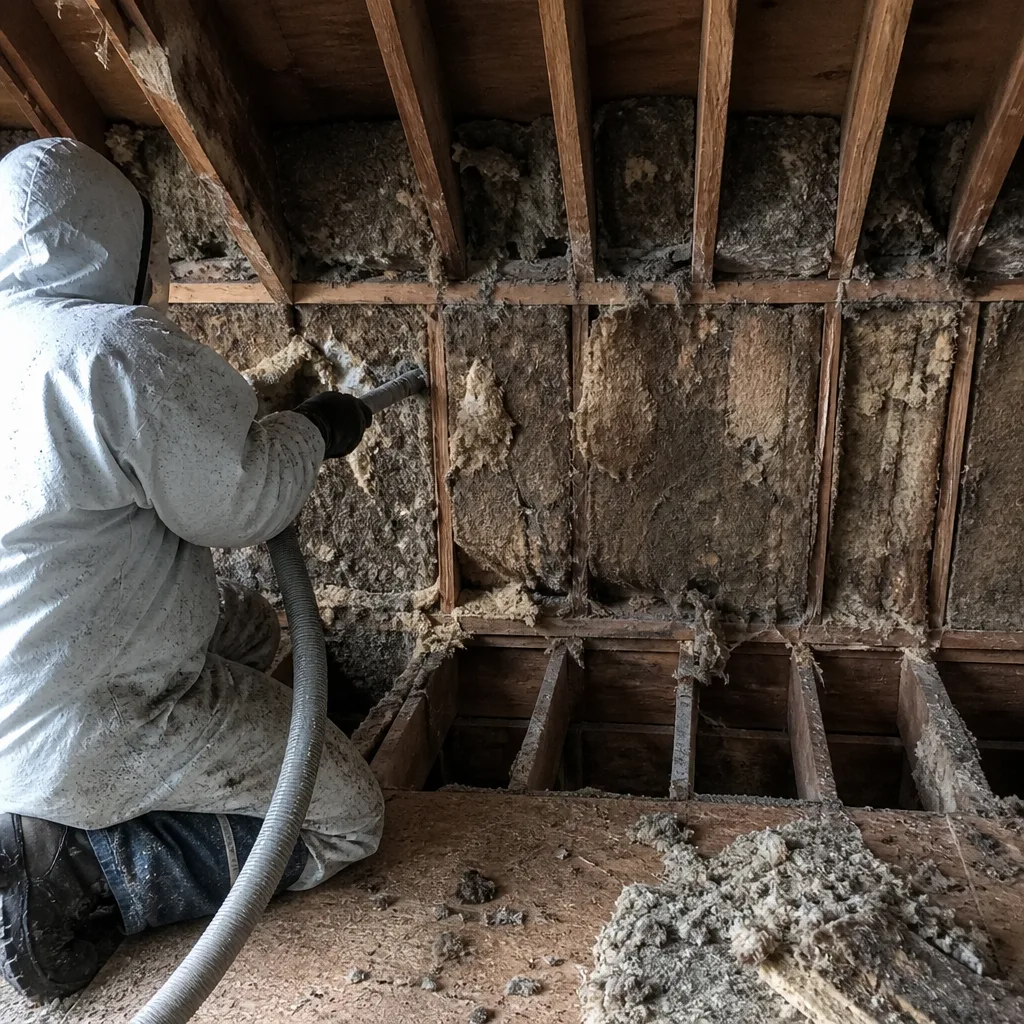
We blow GreenFiber cellulose for most Camp Swift attics, especially the post-fire rebuilds where the original fiberglass is underperforming. Cellulose handles Lost Pines humidity better than fiberglass when paired with proper air sealing, and it packs to R-38 without the depth gaps we see in rushed installs. On that 2013 house off Pine Tree Loop, our tech climbed into a 2013 house and found the original blown fiberglass sitting at barely R-19 with the attic running 30°F hotter than the living space and visible condensation on the roof deck from Lost Pines humidity. We air-sealed the top plates, ran a vapor-smart baffle detail, and blew GreenFiber cellulose up over R-38 in one trip, then verified with a depth check before we pulled out of the driveway. The homeowner’s cooling bills dropped noticeably the first full month, and she didn’t have to schedule a second visit.
Blown-In Fiberglass
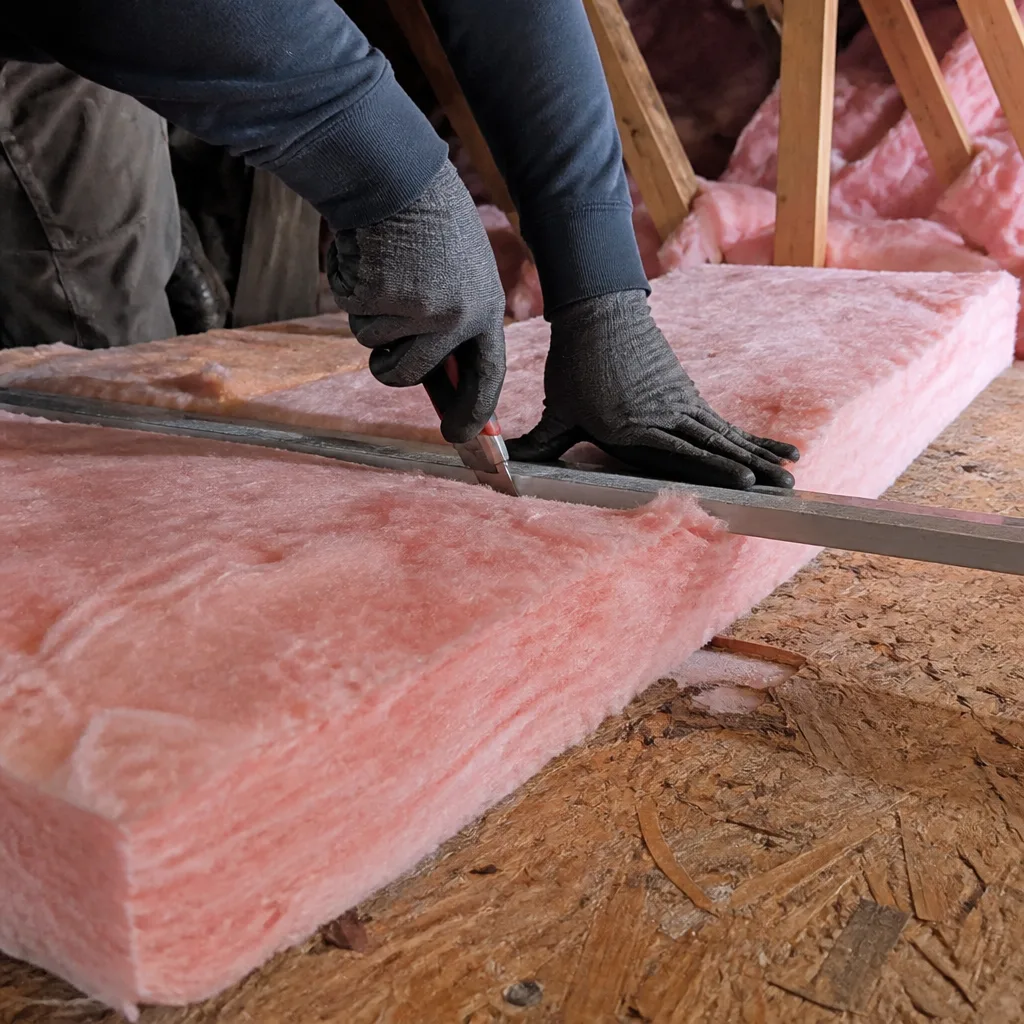
When we do use fiberglass, we source from Owens Corning or Johns Manville at R-38 minimum - never the R-19 shortcut that dominated the 2012-2014 reconstruction push. Blown fiberglass works well in Camp Swift’s older pre-2011 ranch homes where the attic floor is stable and the primary need is thermal replacement, not moisture management. We still air-seal first. Always.
Dense-Pack Wall Insulation
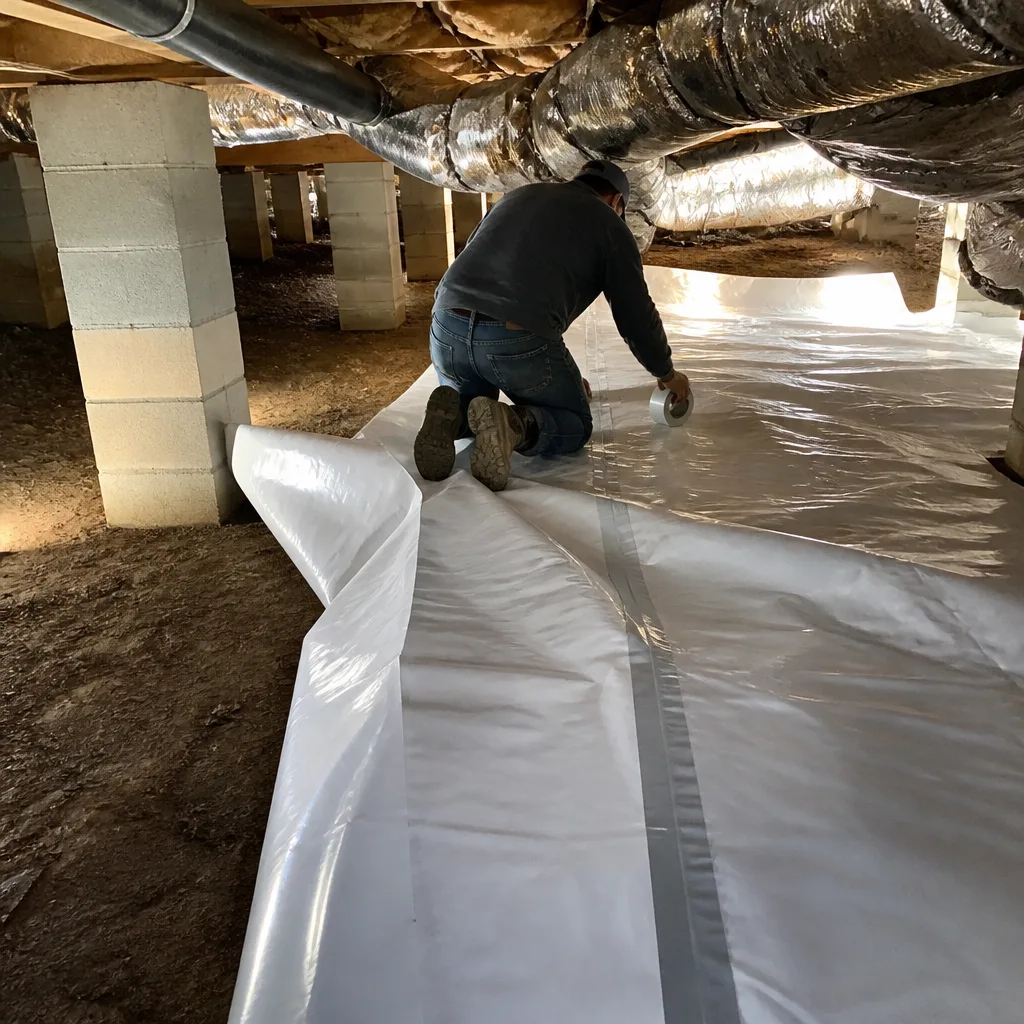
The post-fire rebuilds near Camp Swift often have 2×4 walls with minimal cavity fill - another corner cut under insurance timelines. Dense-pack cellulose fills those stud bays at roughly 3.5 pounds per cubic foot, creating an air-impermeable barrier that fiberglass batts never achieve. For homeowners in the Lost Pines communities whose cooling bills don’t match the age of their house, wall insulation is frequently the missing piece after the attic is corrected.
Blown-In Top-Up
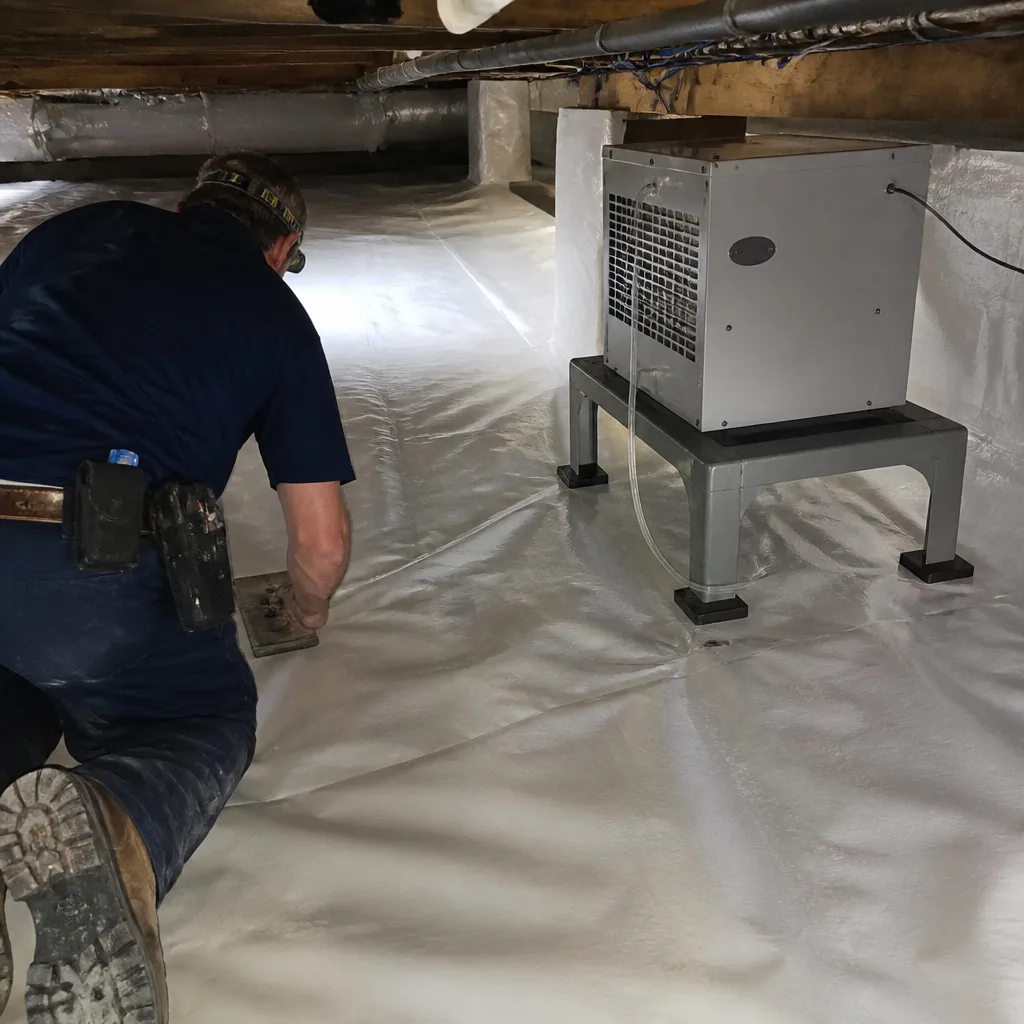
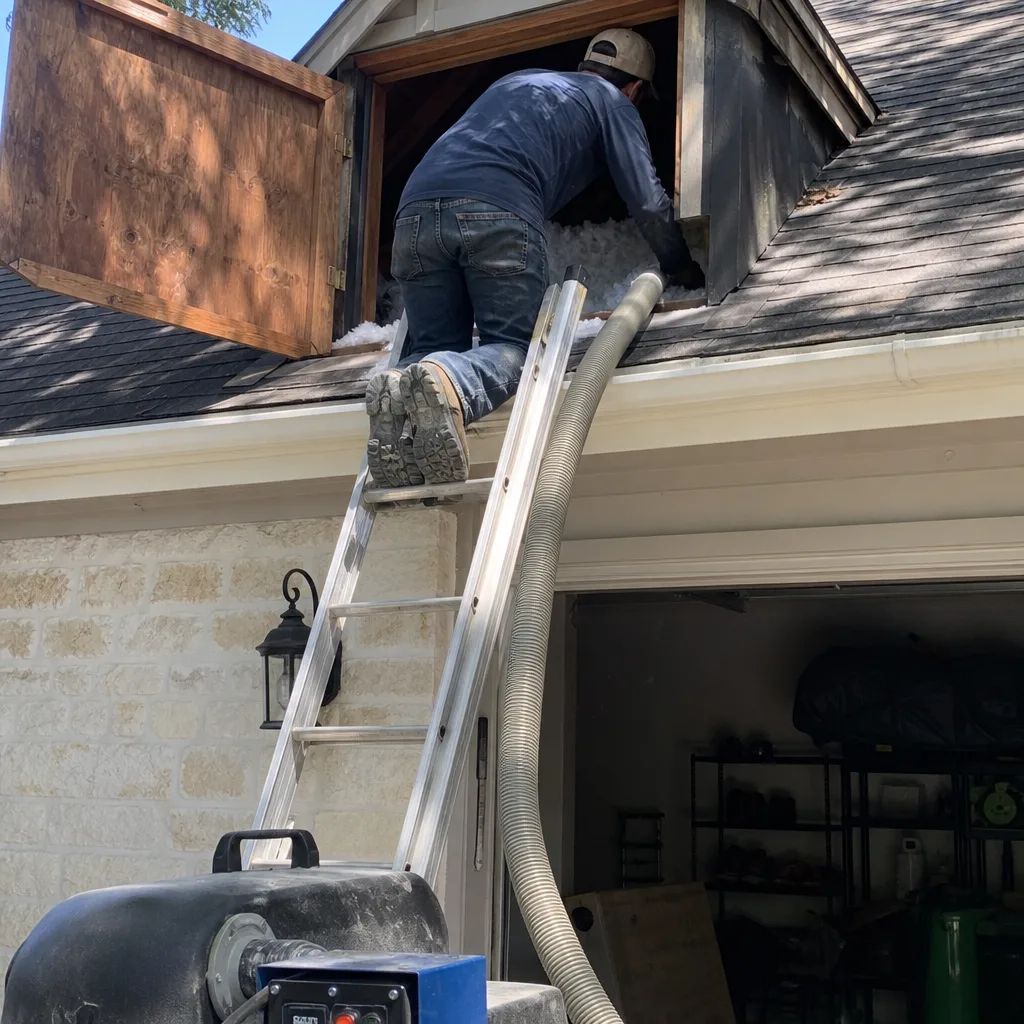
This is our most common Camp Swift service. A house built in 2013 looks new. The attic looks new. But the blown fiberglass reads like 1980s performance. We remove the thin layer, seal the penetrations, and blow to proper depth in one day. Most Camp Swift top-ups run $1,200-$2,800 depending on attic square footage and whether we’re working over a sealed or unsealed floor.
What happens when you call
- 1
A real person answersNo phone trees - you reach a local pro.
- 2
You get an upfront price rangeHonest numbers before anyone is dispatched.
- 3
A background-checked tech heads outLicensed & insured, dispatched right away.
- 4
You approve before work beginsNothing starts until you say go.
 Before
 After
AfterTrusted Brands We Service in Camp Swift
We stock materials from Rockwool, CertainTeed, and Icynene for Camp Swift jobs, with no proprietary lock-in that forces a product mismatch. Rockwool’s mineral wool handles the radiant heat gain in these 100°F summers without sagging. CertainTeed’s fiberglass blends work where moisture risk is lower. Icynene open-cell foam pairs with blown-in systems for hybrid attic assemblies on the larger ranch properties. We choose based on what your attic actually needs, not what we have leftover on the truck.
Common Blown-In Insulation Problems We See in Camp Swift Homes
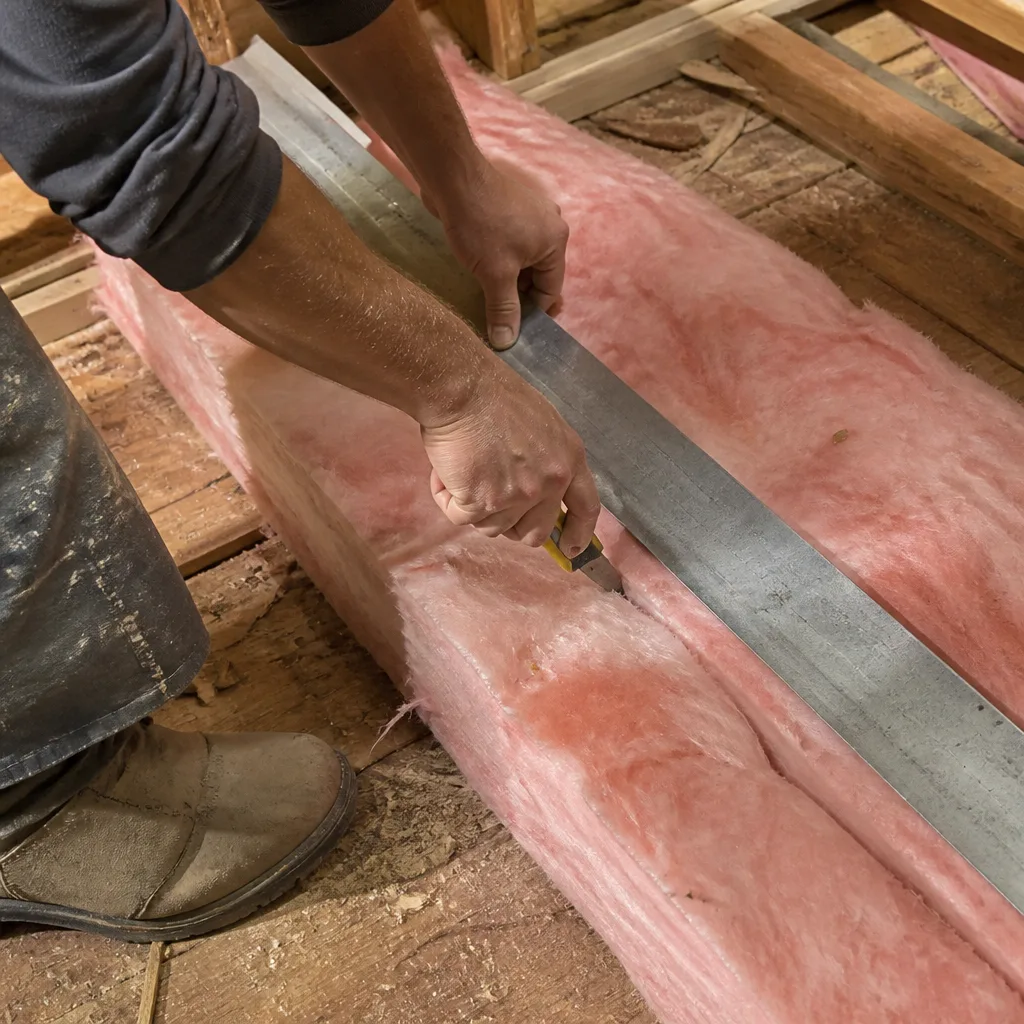
- Post-fire rebuilds left at R-19 or less. The volume builders who dominated 2012-2014 reconstruction in Bastrop County routinely blew fiberglass to minimum code or below. The house looks new. The attic doesn’t perform like it. We find this pattern from Pine Tree Loop to the FM 20 corridor, and it’s traceable to a handful of builders now well-known among county trade workers.
- Lost Pines humidity trapped at the roof deck. Camp Swift sits inside a humidity pocket that open Hill Country doesn’t experience. Vapor management skipped during insurance-timeline rebuilds means condensation forms on the roof deck, mats the fiberglass, and collapses R-value within a few seasons. We always run a vapor-smart baffle detail before blowing new material.
- Detached workshops and rural approaches. Acreage properties around Camp Swift often have secondary buildings with the same insulation gaps as the main house. Crews that aren’t equipped for rural staging - uneven ground, long driveways, heavy equipment - frequently leave these half-done or skip them entirely. We bring the machine to you in one trip.
- Air sealing skipped entirely. Blown insulation over an unsealed attic floor is just a thicker blanket on a leaky tent. We seal top plates, can lights, and all penetrations before any insulation goes in. That’s Haven Standard, not an upsell.
Pricing for Blown-In Insulation in Camp Swift, TX
| Service | Typical Range in Camp Swift |
|---|---|
| Blown-in cellulose attic (full, R-38) | $2,400 - $4,200 |
| Blown-in fiberglass attic (full, R-38) | $2,200 - $3,800 |
| Blown-in top-up over existing | $1,200 - $2,800 |
| Dense-pack wall insulation | $1,800 - $3,500 |
| Attic air sealing (standalone) | $800 - $1,600 |
Camp Swift’s post-fire rebuilds often need air sealing bundled with the top-up, which adds $800-$1,400 to the base price. We don’t quote without seeing the attic - but we do put the written price in your hand before anyone lifts a tool. Free estimates. Free second opinion on any competing written quote. Call (254) 970-2136.
We Also Serve Cities Near Camp Swift
Our crews run the full Bastrop-Williamson corridor. We handle Blown-In Insulation in Camp Swift and the surrounding communities: Georgetown, Round Rock, Brushy Creek, and Leander. Same equipment, same written-price standard, same documented photo record on every job.
Serving Camp Swift, TX - Our Local Coverage Area
We’re based in the Camp Swift area and know this community well. Use the map below to see our service coverage - if you’re nearby, we can almost certainly help.
FAQs - Blown-In Insulation in Camp Swift
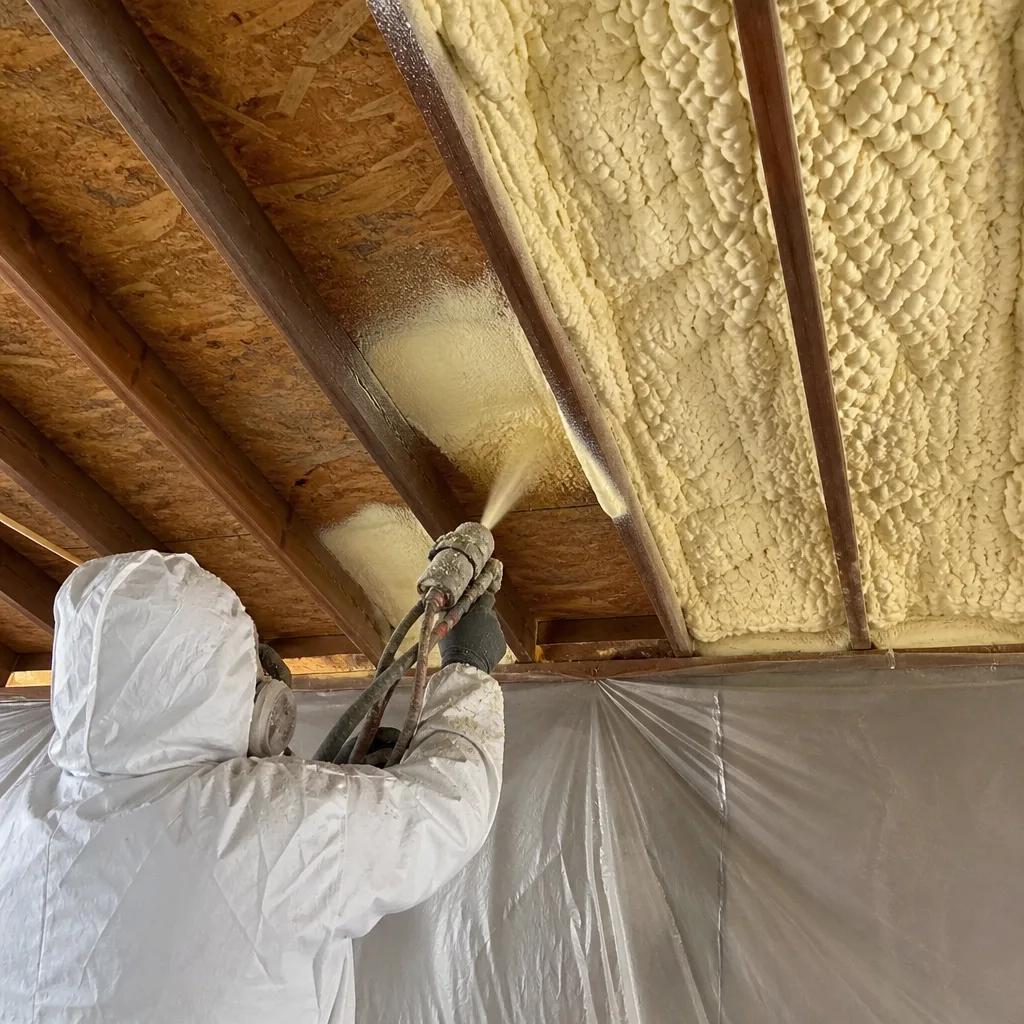
Check the attic depth against the labeled R-value on the insulation; if it’s blown fiberglass and measures less than 12 inches, it’s almost certainly below R-38 regardless of what the builder claimed. We find post-fire rebuilds throughout the Lost Pines at R-19 or less - a pattern traceable to the volume builders who dominated 2012-2014 reconstruction. Call (254) 970-2136 and we’ll measure it properly, with photos, at no charge.
Camp Swift’s ecosystem traps significantly more moisture than open terrain just 20-30 miles west, so vapor barrier management and attic condensation control are more critical here. Contractors accustomed to drier Austin or Hill Country conditions often miss this, installing insulation that mats and sags within seasons. We run a vapor-smart baffle detail on every Camp Swift attic as standard.
Yes - we stage heavy equipment for rural acreage properties and carry the materials to complete both structures without a return trip. Our crews know the long driveways and uneven ground around Camp Swift, and we don’t leave until the depth check is verified. Written scope covers every building before we start.
We install Rockwool, CertainTeed, and Icynene products based on your attic’s specific moisture profile and thermal needs, with no proprietary lock-in. GreenFiber cellulose is our default for humid Camp Swift attics where vapor management matters most. The brand choice is documented in your written scope before work begins.
Yes - many 2012-2015 rebuilds have 2×4 walls with minimal cavity fill, another shortcut from the compressed reconstruction timeline. Dense-pack cellulose at 3.5 pounds per cubic foot fills those stud bays properly and often drops cooling costs measurably after the attic is corrected. We assess wall cavities during the attic estimate at no additional charge. Call (254) 970-2136 to schedule.
Written by Wes Okafor, Owner at Topside Attic Insulation Georgetown, serving Camp Swift since 2016.