

How Much Does a Home Energy Audit Cost in Georgetown, TX?
A Home Energy Audit in Georgetown, TX typically costs between $300 and $650 for a standard residential blower-door test and full building-envelope assessment, with most single-family homes in the 1,800-2,800 sq ft range landing between $375 and $525. Larger homes in Georgetown’s master-planned communities – Sun City, Wolf Ranch, Morningstar – or homes with complex HVAC zoning can run toward $650 or beyond. That fee covers the diagnostic work itself: the pressurization test, thermal imaging scan, combustion safety check, and a written report you can actually use to prioritize repairs.
Home Energy Audit Cost Breakdown (2026)
Georgetown homeowners often ask whether the audit fee is on top of any repair work. It is – the audit is a standalone diagnostic, and any air sealing or insulation work is quoted separately with a written price before anything starts. Here is what the audit fee typically covers, broken out by audit type and scope:
| Audit Type | What’s Included | Typical Cost (Georgetown, TX, 2026) |
|---|---|---|
| Basic Walk-Through Audit | Visual inspection of insulation, windows, doors, and HVAC; no pressurization test | $100 - $200 |
| Standard Blower-Door Audit | Blower-door test (CFM50 reading), visual inspection, written summary report | $300 - $425 |
| Comprehensive Diagnostic Audit | Blower-door test, thermal imaging (infrared camera), combustion safety check, duct leakage test, detailed written report with prioritized remediation list | $425 - $650 |
| HERS Rating (for new construction or refinance) | Formal HERS index score by a certified rater; required for some energy-efficiency loans and new builds | $350 - $550 |
| Utility-Sponsored Audit (Oncor/Pedernales Electric) | Varies by program; often heavily subsidized or free for qualifying customers | $0 - $150 (after rebate) |
The gap between a $200 walk-through and a $600 comprehensive audit is real, and it matters. A visual inspection can spot obvious insulation gaps or a broken attic hatch seal, but it cannot tell you how much conditioned air the building envelope is losing. Only a blower-door test – a pressurization reading that depressurizes the home to 50 pascals and measures the resulting airflow in cubic feet per minute (CFM50) – gives you that number. Georgetown’s limestone-slab construction and pier-and-beam additions in older neighborhoods near the Square mean air-leakage paths are rarely obvious from a visual pass alone.
If you are comparing quotes, make sure each contractor specifies which test type they are performing. A quote for $175 that does not include a blower-door test is not a cheaper audit; it is a different service.
What Affects Home Energy Audit Pricing in Georgetown, TX
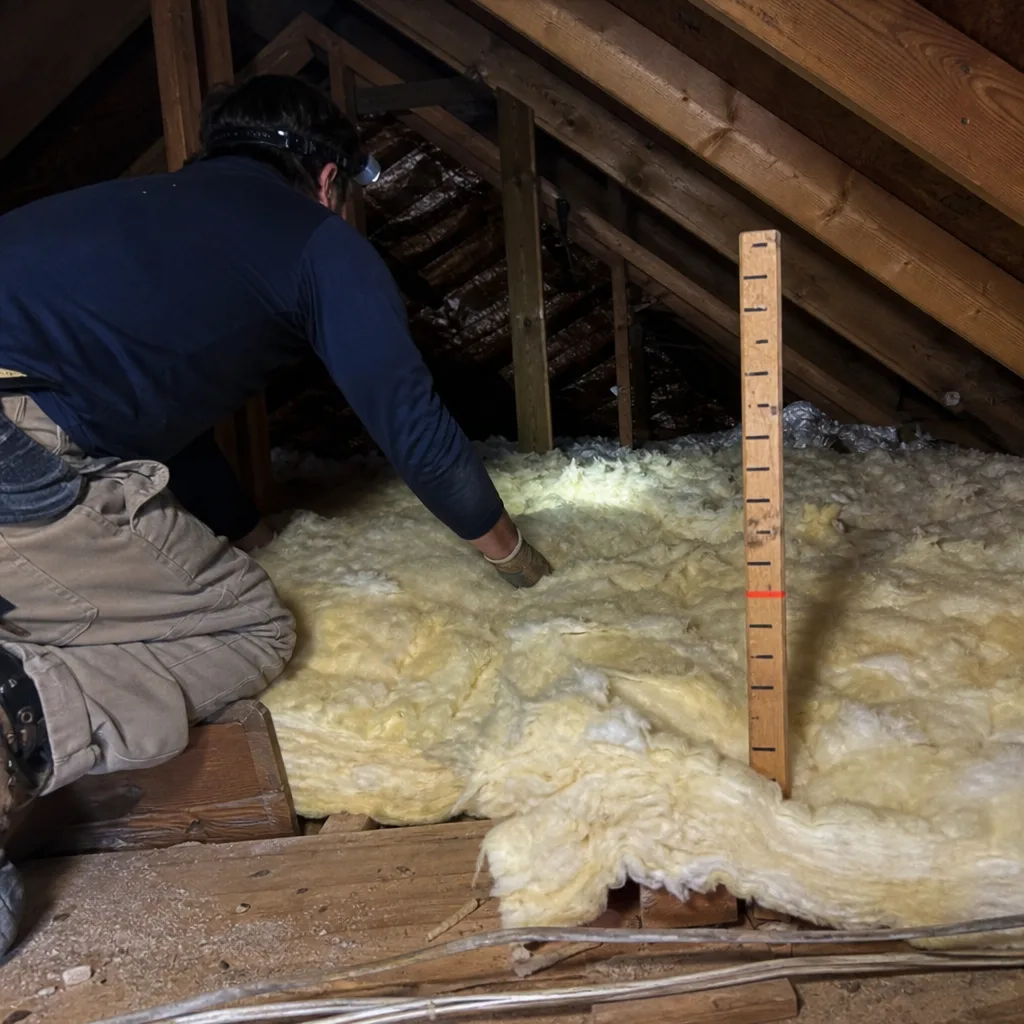
- Home square footage and stories. Auditors price partly on time. A 1,400 sq ft single-story home off Williams Drive takes less time to pressurize, inspect, and document than a 3,200 sq ft two-story in Cimarron Hills. Expect the upper end of any price range for homes above 2,500 sq ft.
- Duct leakage testing. Georgetown homes built before 2005 frequently have duct systems in unconditioned attic space, and duct leakage is often the single largest efficiency loss. Adding a duct blaster test – which measures how much air your ducts lose before it reaches the living space – typically adds $75 to $150 to the base audit price.
- Thermal imaging scope. An infrared camera scan is included in most comprehensive audits but charged as an add-on to basic blower-door packages. Georgetown’s temperature swings – summer attic temps regularly above 140°F, winter nights below freezing – make thermal imaging particularly useful for spotting missing insulation behind drywall and wet spots from roof penetrations. This add-on runs $75 to $175 depending on home size.
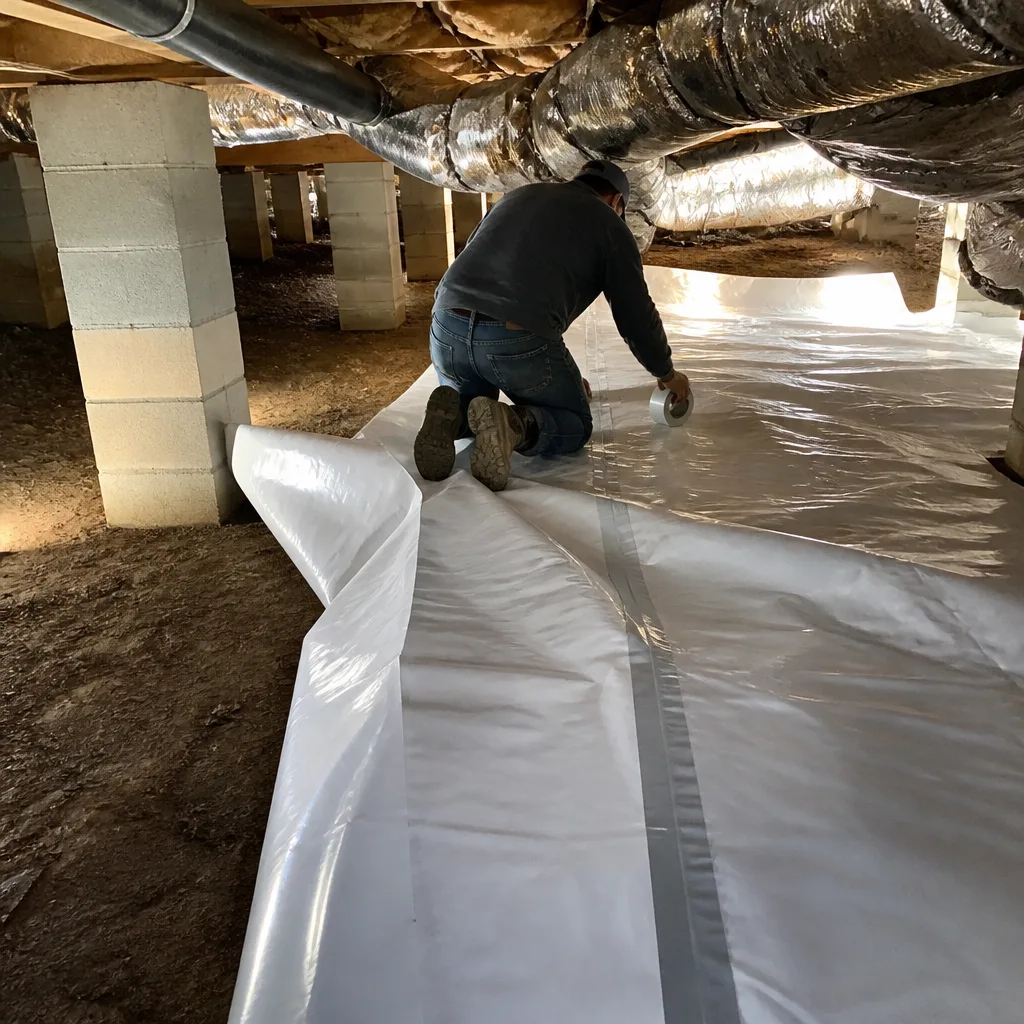
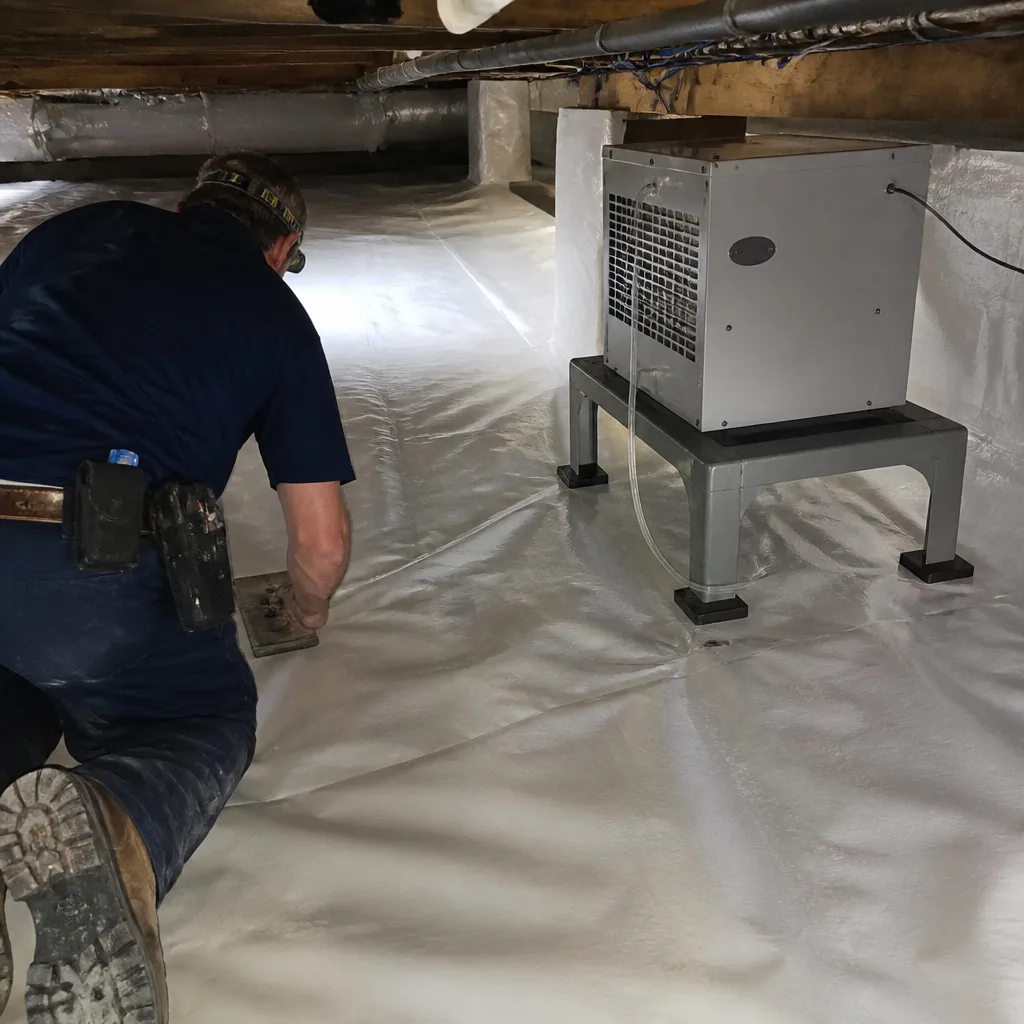
- Crawl space or pier-and-beam construction. Several Georgetown neighborhoods near the San Gabriel River, including sections of Serenada and older subdivisions off DB Wood Road, have pier-and-beam foundations. Auditing a crawl space floor assembly for air sealing and vapor barrier condition adds inspection time and typically $50 to $125 to the audit fee.
- Age and complexity of HVAC zoning. Homes in Sun City Georgetown often have multi-zone HVAC systems with multiple air handlers. Each air handler and associated duct branch adds time to the duct leakage portion of the audit, which pushes the comprehensive audit price toward the top of the range.
- Report detail and remediation specificity. A basic audit summary might give you a CFM50 number and a general recommendation to “improve attic insulation.” A detailed audit report specifies where the air is leaking – top-plate penetrations, can lights, attic hatches, plumbing chases – and gives you a prioritized list with estimated savings for each fix. That level of documentation takes more time to produce and is reflected in the audit price, but it is the version that actually tells you what to do next.
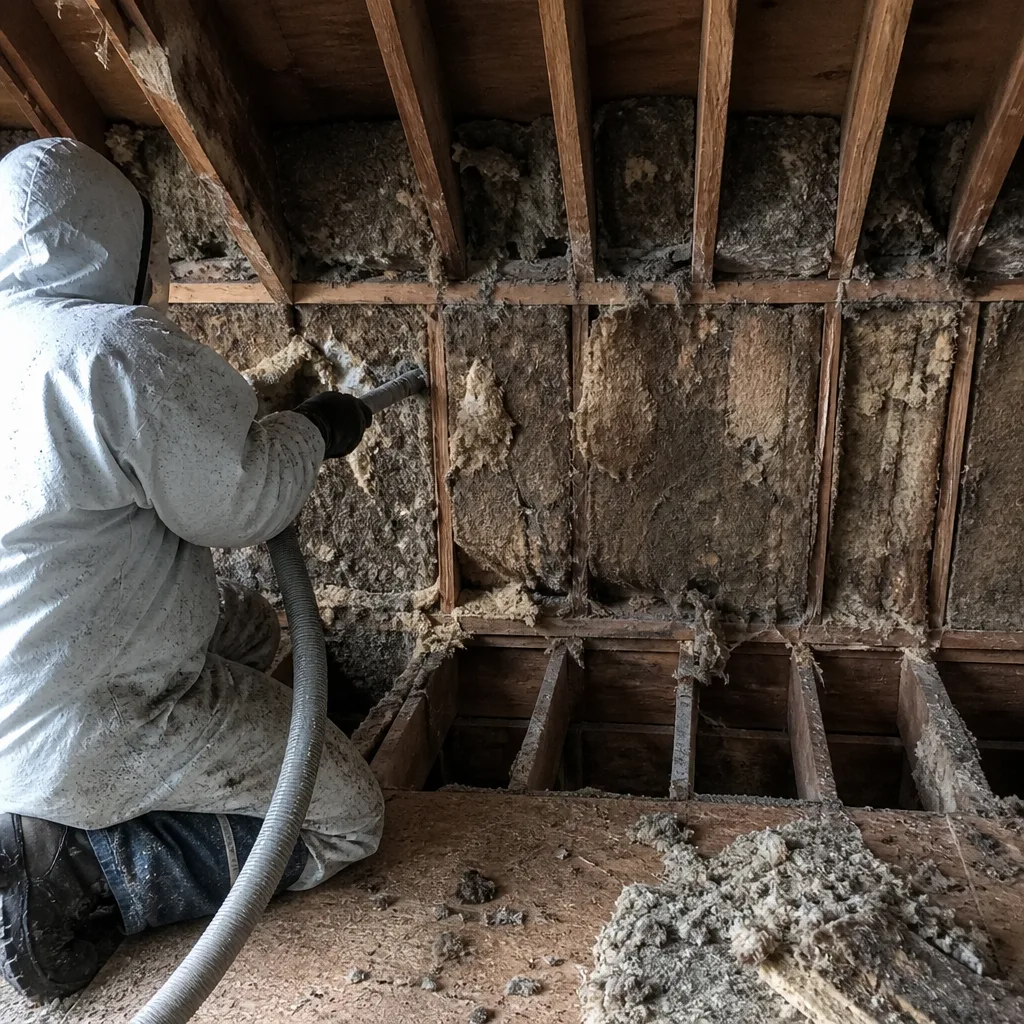 Before
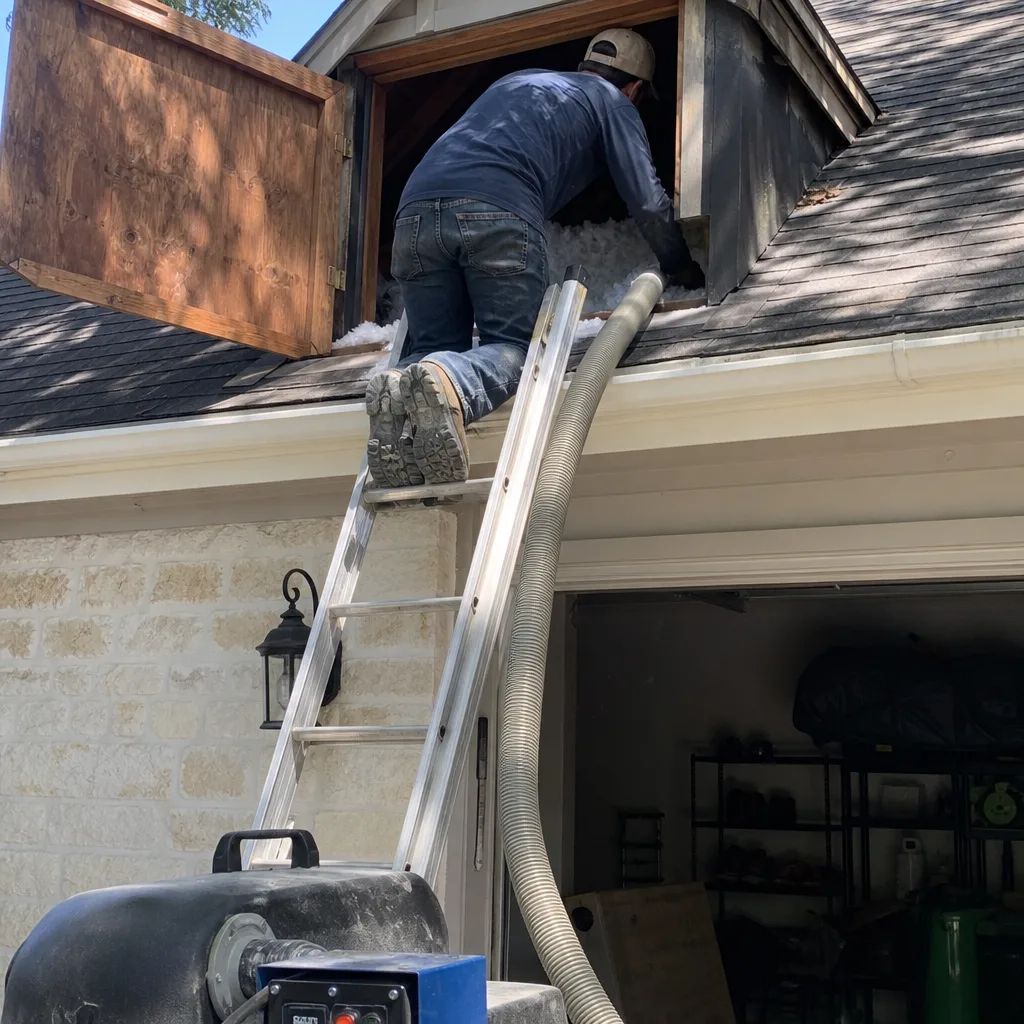 After
AfterGeorgetown’s Climate and Why It Pushes Audit Value Higher
Georgetown sits in Central Texas, where cooling loads dominate eight months of the year and a two-week stretch of January cold can push heating bills sharply. The practical result is that leaky building envelopes are punished twice: once in summer when hot attic air infiltrates the conditioned space, and again in winter when heated air escapes through the same gaps. Georgetown’s average cooling degree days are consistently above 2,800 per year, putting it firmly in a climate zone where unsealed top plates and recessed lights in the ceiling can add $40 to $90 per month to a utility bill – not occasionally, but every summer.
Homes built during Georgetown’s rapid growth period of 2000 to 2015 – which covers most of Wolf Ranch, Teravista, and Georgetown Village – were often built to meet the minimum code of the year, not current air-sealing standards. The 2012 IRC air-sealing requirements were meaningfully stricter than those from 2000, and many homes built before that code adoption were never retrofitted. An audit is the only way to know what you are actually dealing with.
Wes Okafor and the Envelope Insulation Co. team working in Georgetown regularly see blower-door readings in older Georgetown homes at 4,000 to 6,500 CFM50 – roughly two to three times the leakage rate that would be acceptable under current Texas energy code for a home that size. After sealing, those numbers often come down to 1,800 to 2,800 CFM50. That documented change is what the before-and-after blower-door readings published on every applicable job actually show: not an estimate of improvement, but a measured one.
What You Should Receive After a Home Energy Audit in Georgetown
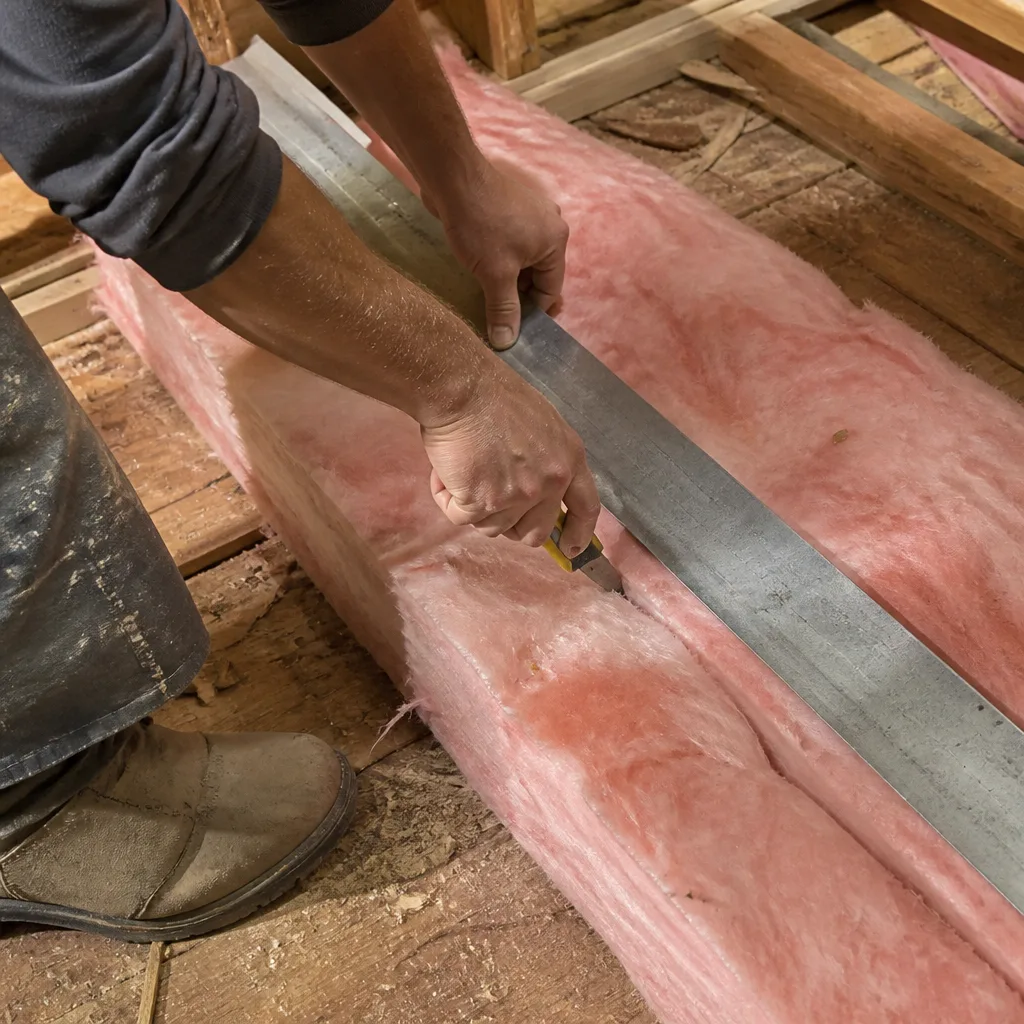
This is worth specifying before you book, because “energy audit” covers a wide range of deliverables depending on who performs it. At minimum, a credible audit should produce:
- A written CFM50 blower-door reading taken before any work is performed – this is your baseline.
- A thermal imaging report (if included), with photos showing temperature anomalies by location in the home.
- A written list of air-leakage locations identified during the pressurized inspection: top plates, can lights, attic hatch, plumbing penetrations, electrical chases, and any major bypasses.
- A duct leakage result (CFM25 total or CFM25 to outside) if duct testing was included.
- A written remediation priority list with an explanation of which improvements are likely to yield the most measurable improvement given your home’s specific leakage profile.
- Documented photos of conditions found – not a verbal summary, but a photo record you can reference when getting repair quotes.
Under the Haven Standard, every visit from Envelope Insulation Co. closes with a Documented Photo Record. You receive photos of what the crew found, what was done, and what the results measured – before anyone leaves the job site. That applies to the audit itself: if a blower-door test is part of the scope, the before and after readings are documented in writing and included with your report.
Home Energy Audit vs. DIY Energy Checklist: What the Numbers Say
There are free online energy checklists and utility-company self-assessment tools, and they are not useless. Walking your attic, checking your insulation depth, and feeling for drafts around outlets can surface obvious issues. But a DIY checklist cannot quantify leakage. It can tell you that a can light in your ceiling “may allow air infiltration.” It cannot tell you that those twelve can lights and an unsealed plumbing chase are responsible for 1,400 CFM50 of your total measured leakage – and that sealing those specific locations, before adding any insulation, would reduce your air changes per hour from 7.2 to 3.8.
That quantification is what the professional audit fee pays for. It converts a list of suspects into a ranked list of findings backed by a number you can verify after the work is done.
How to Save on a Home Energy Audit in Georgetown, TX
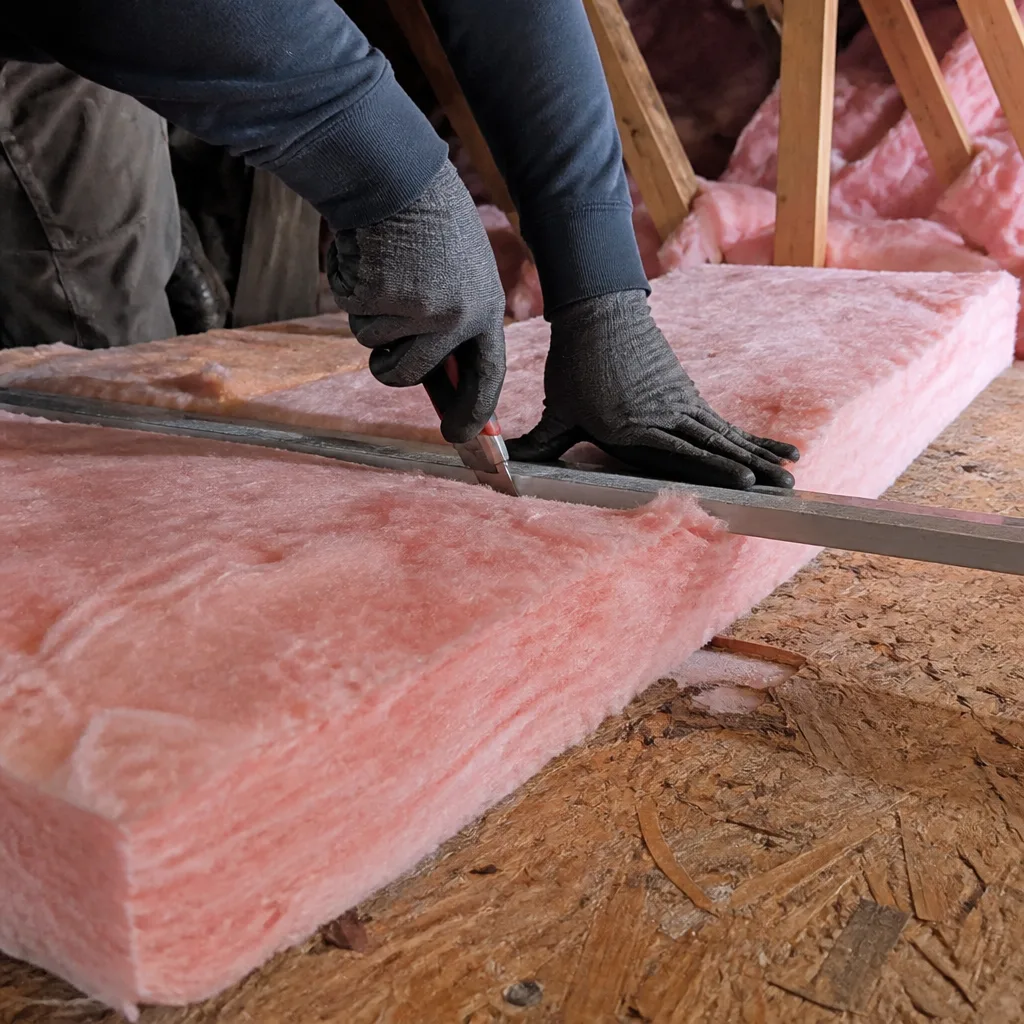
There are a few legitimate ways to reduce what you pay out of pocket for an audit, and one important thing to avoid.
Check Oncor and Pedernales Electric Cooperative programs first. Georgetown’s utility service area is split between Oncor (most of the city) and Pedernales Electric Cooperative (some western and rural portions of Williamson County). Both utilities periodically offer subsidized or fully sponsored audits for qualifying residential customers. The programs change annually, so call your utility directly – not a third-party rebate aggregator – and ask specifically about home energy audit programs for the current year. In some program years, qualifying homeowners have received audits at no cost, with the utility paying the contractor directly.
Ask about audit-plus-repair bundling. Some contractors, including Envelope Insulation Co., will credit part or all of the audit fee toward the air sealing or insulation work if you proceed with repairs after the diagnostic. This is not always advertised. Ask before you book. Under Haven Standard Clause 1, any such credit is specified in writing before work starts – so you will see it in the written scope, not just hear it verbally.
Time the audit before a major HVAC decision. If your air conditioner or furnace is approaching end of life, an energy audit before you size a replacement unit is worth considerably more than the audit fee. Oversized HVAC equipment – a common issue in Georgetown homes that added insulation and air sealing after the original system was installed – short-cycles and costs more to operate. An auditor can tell you what load the building envelope actually places on the system, which may allow you to right-size the replacement unit and save several hundred dollars on equipment alone.
Use the audit report to request a Free Second Opinion. If you receive a written estimate for air sealing or insulation work after your audit, Envelope Insulation Co. will read it with you and offer a written alternative scope at no charge. Bring the written estimate – not a verbal summary, the actual document – and we will go through it line by line.
For an exact audit price on your specific home in Georgetown, call (254) 970-2136. Estimates are free, and you will get a written price before any work is scheduled.
Does a Home Energy Audit Actually Pay Off in Georgetown?
The straightforward answer: it depends on what the audit finds and whether you act on it. An audit that sits in a folder is worth nothing. An audit that identifies $1,800 worth of targeted air sealing that reduces your annual cooling and heating cost by $600 to $900 pays for itself in two to three seasons – and that math is conservative for Georgetown’s climate, where HVAC systems run hard for most of the year.
The audit’s value is also in sequencing. Georgetown homeowners sometimes call us after a contractor added blown-in insulation to their attic without first sealing the top plates and penetrations. Insulation added over unsealed gaps slows air movement slightly but does not stop it. The blower-door number barely moves. The homeowner spent money on insulation and kept most of the air leakage. A pre-work audit – or even just a pre-work blower-door test – would have caught that.
At Envelope Insulation Co., air sealing is a hard prerequisite, not an upsell. We seal first, then insulate – in that order. But an audit before any work starts tells you where to seal, how much leakage you are starting from, and how to verify the result afterward. That verification is the before-and-after blower-door reading we publish on every applicable job.
FAQs – Home Energy Audit Cost in Georgetown, TX
How much does a home energy audit cost in Georgetown, TX?
Most homeowners in Georgetown pay between $300 and $650 for a professional home energy audit that includes a blower-door test and written report. Basic walk-through inspections without pressurization testing start around $100 to $200, but they cannot measure how much conditioned air your home is actually losing. For an exact quote on your home, call (254) 970-2136 – estimates are free and provided in writing.
Is a home energy audit worth the cost in a Georgetown climate?
For most Georgetown homes built before 2015, yes. Central Texas cooling loads run high from April through October, and a measured audit that identifies specific air-sealing opportunities typically points to improvements that reduce annual utility costs by $400 to $1,200, depending on the home’s starting leakage rate and what repairs are completed. The audit pays for itself in the first or second year when the findings are acted on. If an audit finds a home is already performing well – a less common result in Georgetown’s older stock – that is also useful information before a homeowner spends money on insulation upgrades that may not move the needle.
How long does a home energy audit take in Georgetown?
A standard blower-door audit on a Georgetown home in the 1,800-2,500 sq ft range takes roughly two to three hours on site. Comprehensive audits that include duct leakage testing and a full thermal imaging scan run three to four hours. Larger homes, homes with multiple HVAC zones, or pier-and-beam homes with crawl space inspection add time. The written report is typically delivered within 24 to 48 hours of the on-site visit.
Can I get a free home energy audit in Georgetown, TX?
Potentially, yes. Oncor and Pedernales Electric Cooperative have both offered no-cost or subsidized audit programs in Williamson County in recent program years. Eligibility and availability change annually, so contact your utility provider directly to ask about the current program. Income-qualifying households may also be eligible for free audits and weatherization assistance through the Texas Department of Housing and Community Affairs’ Weatherization Assistance Program. If you do not qualify for a subsidized program, the standard audit fee starting at $300 to $425 covers a blower-door test and documented report.
What is the difference between a blower-door test and a full home energy audit?
A blower-door test is one component of a full audit. The test depressurizes the home to 50 pascals and measures airflow in CFM50 – a single number that tells you the total air leakage rate of the building envelope. A full home energy audit uses that blower-door reading along with a thermal imaging scan, combustion safety check, and duct leakage test to identify where the leakage is coming from and prioritize repairs. The blower-door test answers “how much leakage.” The full audit answers “where is it, and what should I fix first.” Georgetown homes almost always benefit from the full audit because leakage paths in Central Texas construction are rarely limited to one obvious source.
Should I get an audit before or after adding insulation?
Before – always. Adding insulation over unsealed gaps slows air movement slightly but does not stop it, and the blower-door number after the job will confirm that. In Georgetown, we regularly see attics where insulation was blown over unsealed top plates and can lights, and the air leakage rate stayed high because the insulation had nothing airtight to rest on. The correct sequence is: audit, then seal, then insulate. At Envelope Insulation Co., that sequence is non-negotiable – but even if you are using a different contractor for the insulation work, completing a blower-door audit first gives you a baseline measurement and a documented record of what the envelope was doing before anyone touched it.
Key Takeaways: Home Energy Audit Cost in Georgetown, TX
- Standard audits with a blower-door test run $300 to $650 in the Georgetown market in 2026.
- Basic visual inspections start at $100 to $200 but do not measure air leakage; they are a different service, not a cheaper version of the same one.
- Georgetown homes built between 2000 and 2012 are frequently over-leaking by current standards, and the only way to know your home’s number is to measure it.
- Utility-sponsored audits through Oncor and Pedernales Electric can reduce out-of-pocket cost significantly for qualifying customers.
- The audit is most valuable when it precedes air sealing and insulation work – sealing first, then insulating, is the correct order and the only order Envelope Insulation Co. works in.
- A credible audit closes with a written report, documented CFM50 readings, and a photo record – not a verbal summary.
- For Georgetown homeowners comparing estimates: a written price before any work starts is the baseline you should expect from every contractor, not a differentiator.
Get a Written Audit Price for Your Georgetown Home
If you want to know what your home’s building envelope is actually doing – not an estimate based on its age or neighborhood, but a measured CFM50 reading with a documented before-and-after record – the starting point is a scheduled audit with a written price before anything begins. Envelope Insulation Co. has been documenting building-envelope performance in Georgetown and Williamson County since 2016. Wes Okafor leads every job under the Haven Standard: written scope, written price, written warranty, and a Documented Photo Record when the crew leaves.
You can learn more about what the audit process looks like on our Home Energy Audit in Georgetown page, or browse our full home page for the complete list of services we provide across the building envelope.
To schedule an audit or get a written price on your Georgetown home, call (254) 970-2136. A live person answers – no voicemail, no callback window measured in business days. Estimates are free, and your price is in writing before any work is scheduled.
Written by Wes Okafor, Owner at Envelope Insulation Co. (operating as Topside Attic Insulation Georgetown), serving Georgetown, TX since 2016. Pricing reflects the Georgetown, TX market as of 2026. Topside Attic Insulation Georgetown offers free estimates – call (254) 970-2136.
What Our Customers Say
"They air-sealed the attic floor before insulating and showed me the blower-door number before and after. The upstairs is finally the same temperature as downstairs."
- Marisol D."They photographed rodent damage in the old insulation that we had no idea about, and priced the exclusion work separately so we could decide."
- Harriet N."Crawl space encapsulation done properly. Photographs of the vapour barrier at every seam, and the damp smell in the hallway is gone."
- Ainsley P.