
Owens Corning Radiant Barrier Installation: The Georgetown Owner’s Guide
Owens Corning radiant barrier installation in Georgetown typically runs $2,800-$4,600 for a standard 2,000-square-foot attic, and we stock the full OC system on our trucks for same-day starts when the attic is already accessible. Most Georgetown homeowners discover their radiant barrier is failing when second-floor rooms won’t cool below 78°F despite the AC running nonstop, or when they notice their July electric bills have climbed 20-30% year-over-year. The foil sheets degrade from the inside out in Central Texas attics, and the damage is usually invisible from the attic hatch until you’re up there with a flashlight.
Which Owens Corning Models This Applies To
Owens Corning sells radiant barrier as part of its Atticat Blown-In Insulation system and as standalone foil products through its Total Protection Roofing System line. The two systems don’t interchange. The Atticat-compatible barrier is a perforated, double-sided aluminum foil laminated to reinforced scrim, sold in 4-foot by 250-foot rolls with a stated emissivity of 0.03. The Total Protection Roofing System barrier is a heavier-gauge, woven polyethylene product designed for staple-up installation directly to roof decking, not laid across attic floor joists.
To identify which you have, check the printed edge tape. Atticat rolls carry a blue stripe with “OC Atticat” and a lot number; Total Protection carries a gray stripe with the roof system logo. The critical compatibility gotcha in Georgetown’s 2015-2022 build stock, especially in neighborhoods like Teravista and Rancho Sienna, is that some builders installed Atticat floor barrier under the mistaken assumption it could be stapled to rafters. It can’t. The scrim tears under its own weight when hung vertically, and we’ve replaced dozens of these failed hangs in Georgetown attics where the foil has shredded into ribbons.
We also stock Reflectix as a quality aftermarket alternative when Owens Corning lead times stretch past two weeks. Reflectix uses a similar double-bubble construction but with a slightly higher emissivity rating of 0.05. For most Georgetown homes, the performance difference is negligible; the installation quality matters more than the brand.
Topside Attic Insulation Georgetown is an independent service provider. We are not affiliated with Owens Corning.
Signs Your Owens Corning Radiant Barrier Installation Is Failing
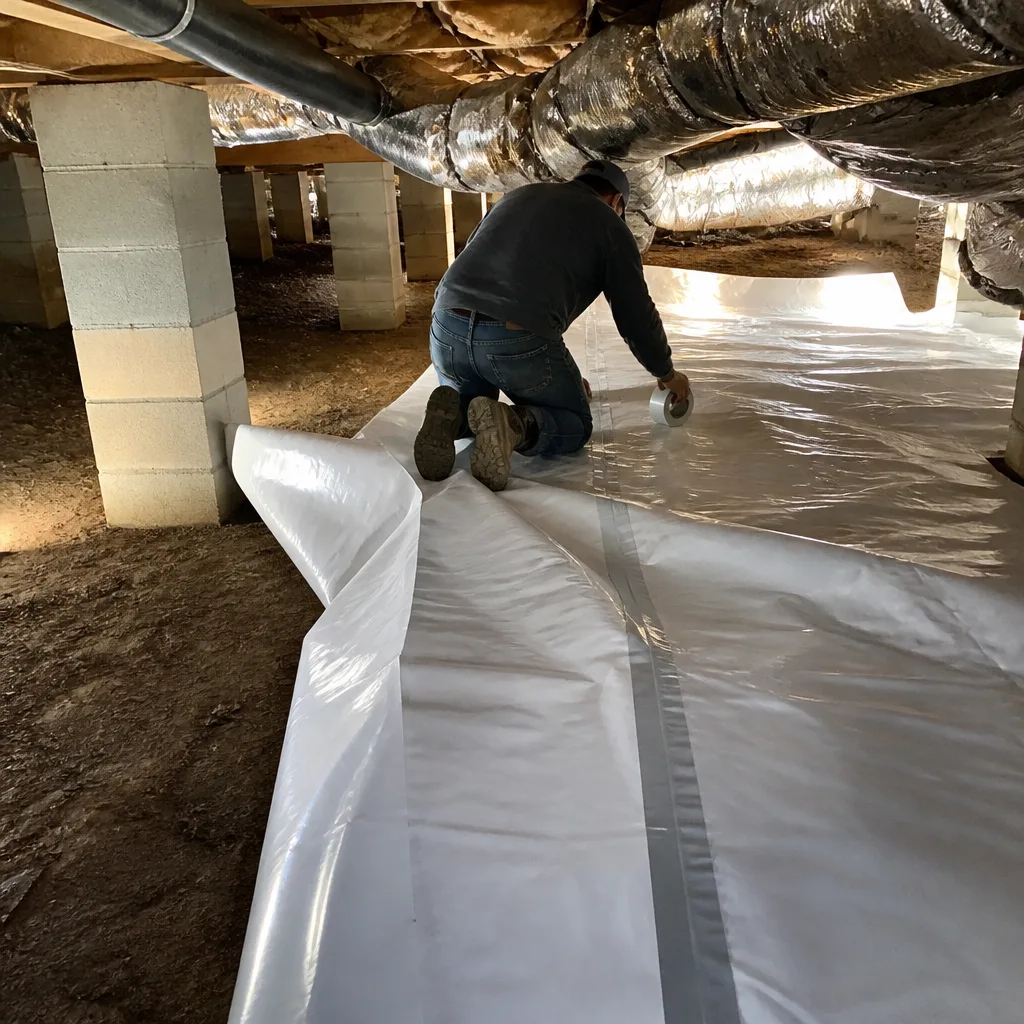
- Uneven cooling upstairs. The master bedroom hits 76°F while the front guest room stalls at 82°F. This usually means the radiant barrier has torn or slipped in one zone, exposing the roof deck to direct radiant heat while the intact section still blocks some transfer.
- Dust-caked foil surface. Owens Corning’s perforated design allows attic ventilation to pass through, but Georgetown’s limestone dust and pollen eventually coat the aluminum face. Once emissivity climbs above 0.15, the barrier is effectively decorative. We see this most in homes near the Balcones Fault line where seasonal winds are stronger.
- Sagging or torn sections. The scrim backing degrades from cumulative heat exposure. Attic temperatures in Georgetown regularly reach 140°F from June through September, and OC’s rated lifespan of 25 years assumes a 120°F average. Real-world Texas performance is closer to 12-15 years for stapled installations.
- Moisture staining on the foil backside. This indicates the perforations have clogged with dust or the vapor drive has reversed. In Georgetown’s spring and fall, when outdoor humidity spikes but attic ventilation is marginal, trapped moisture corrodes the aluminum layer from behind.
- Visible light through the attic floor. If you can see ceiling drywall gaps from the attic, your radiant barrier was installed before proper air sealing. Wes Okafor’s rule: seal the holes first. Then we talk about R-value. A barrier over leaky top plates is a Band-Aid on a broken pipe.
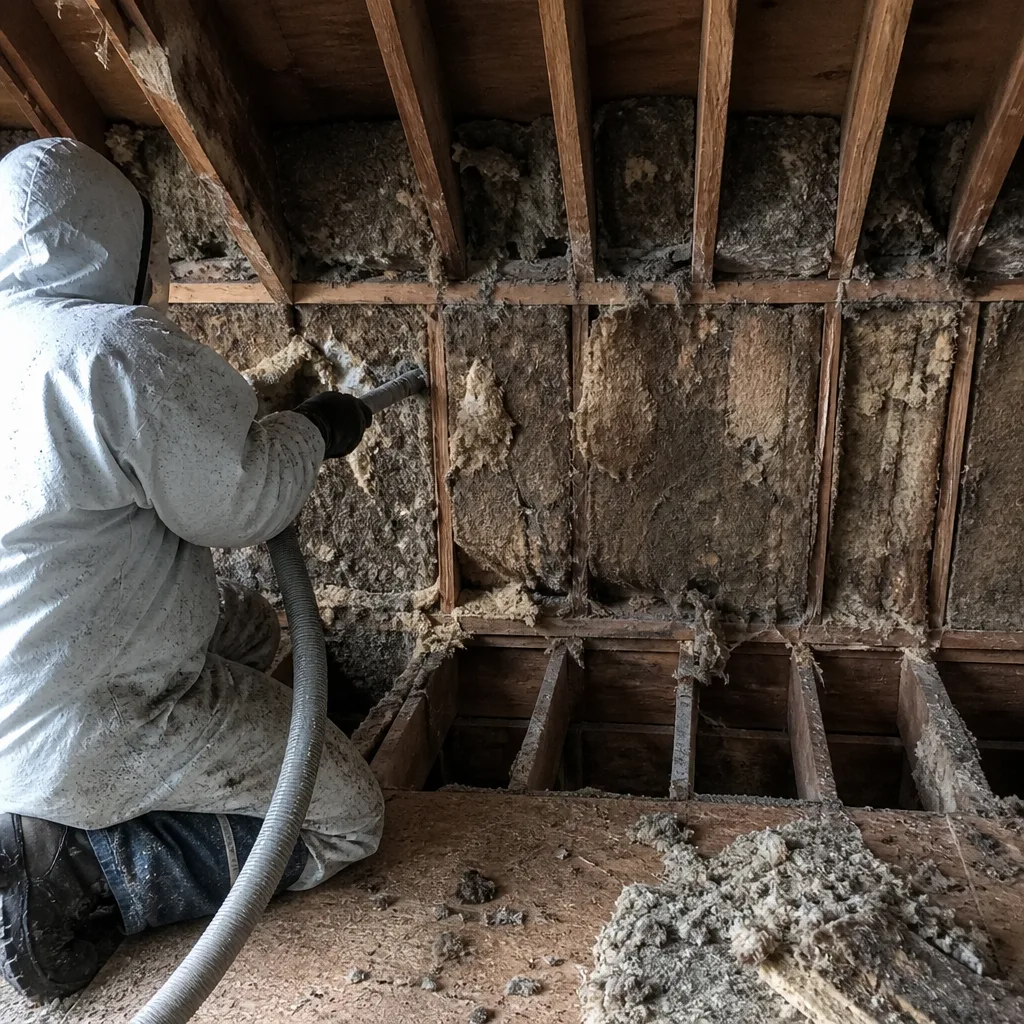 Before
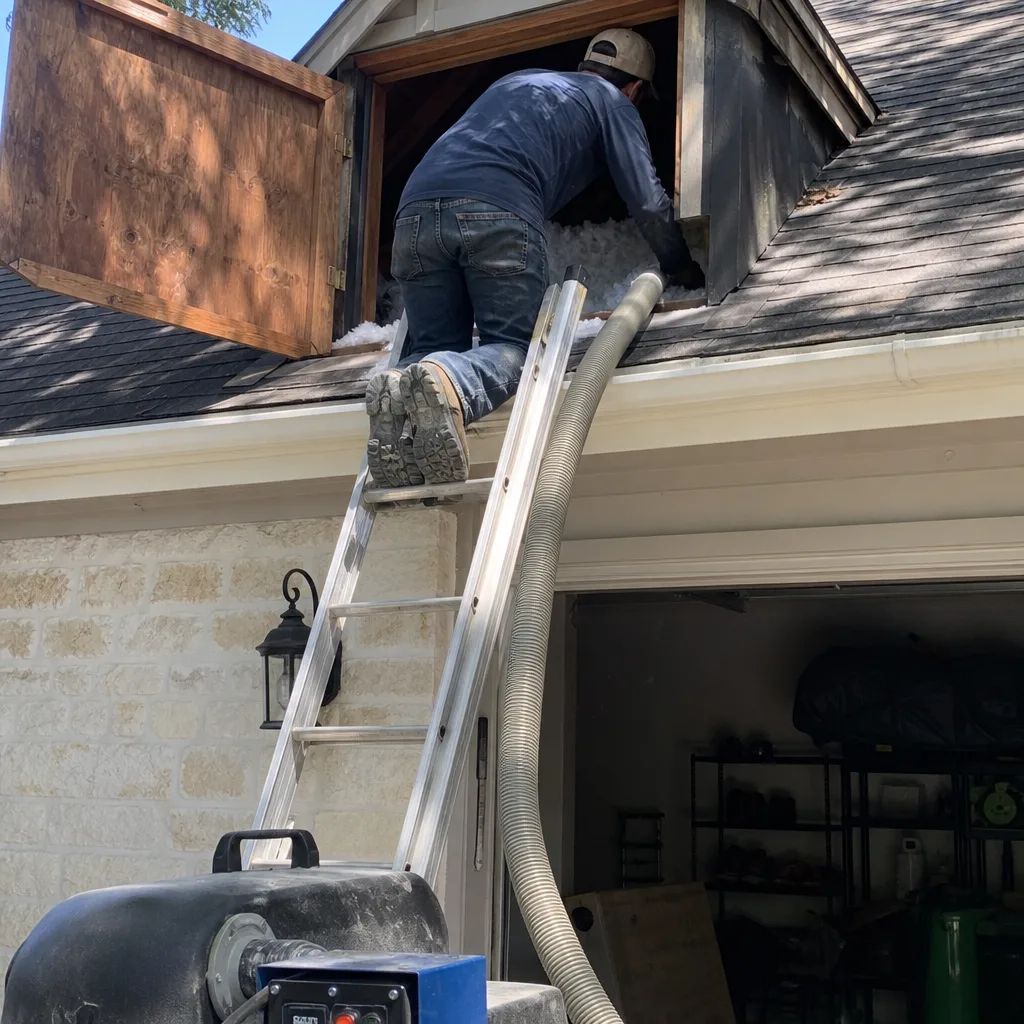 After
AfterReplacement Cost & What’s Included
| Scope | Price Range |
|---|---|
| Standard attic (1,500-2,500 sq ft), remove and replace existing barrier | $2,800-$3,800 |
| Large or complex attic (2,500-4,000 sq ft), multiple roof planes | $3,800-$4,600 |
| Add full attic air sealing before barrier install | +$800-$1,400 |
| Remove failed stapled-up Atticat product, convert to proper system | +$400-$600 |
What drives the range: attic square footage is only part of it. The real variables are accessibility (truss height, existing storage platforms), whether we need to remove degraded material first, and whether the roof decking configuration requires custom cutting around hips and valleys. Every job gets a Written Price Before Any Work Starts, always, under Haven Standard Clause 1. The price we write is the price you pay. Our 365-Day Done Right Promise covers the installation, and we publish before-and-after blower-door numbers on every job that includes air sealing so you can verify the envelope performance change.
DIY or Call Us?
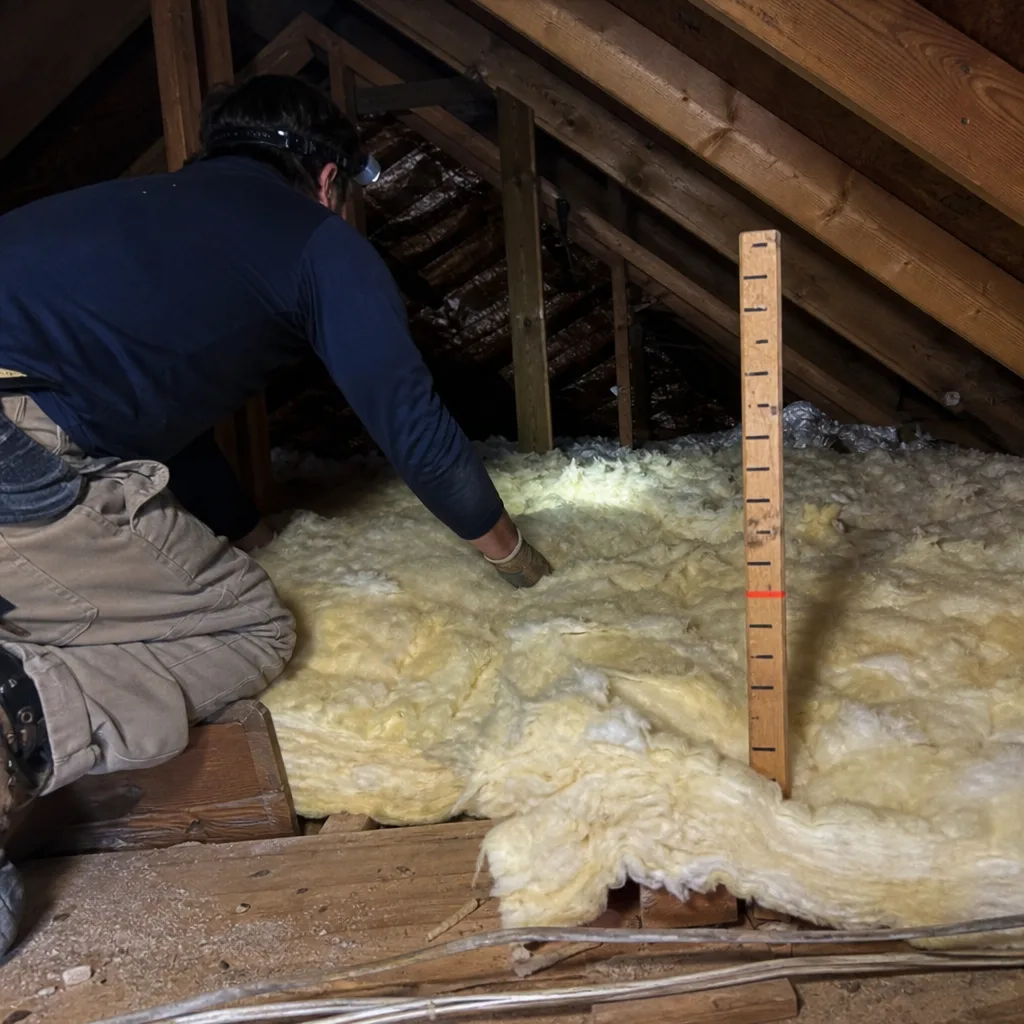
There’s no high-tension danger with radiant barrier, but there are two ways DIY goes wrong in Georgetown attics. First, working in 140°F heat is genuinely hazardous. We carry hydration protocols, cooling vests, and work in paired teams for a reason. Second, most homeowners who self-install staple the foil directly to the attic floor joists, which is backwards. Radiant barrier works by reflecting heat before it enters the attic space; floor installation traps conductive heat in the insulation below and can actually raise cooling loads.
What you can safely check: from the attic hatch with a flashlight, look for the blue or gray OC edge tape, note any sagging or torn sections, and photograph the condition. If the foil is more than 30% compromised or more than 10 years old, replacement will outperform repair. Call (254) 970-2136 and we’ll read your photos with you. Estimates are free, and we offer a Free Second Opinion on any written estimate you’ve already received.
FAQs
In Central Texas attics, 12-15 years is the practical lifespan for stapled installations, less if dust accumulation or moisture corrosion accelerates degradation. The 25-year manufacturer rating assumes cooler climates and ideal ventilation. Call (254) 970-2136 for an exact assessment of your attic’s condition.
Small tears in isolated sections can be patched with foil tape rated for high-temperature applications, but this is rarely cost-effective. By the time tearing is visible, the surrounding material is usually embrittled and will fail within two to three years. Full replacement is the better value in most Georgetown homes we assess.
A standard Georgetown attic takes one day for removal and replacement, or two days if we add comprehensive air sealing first. We bring a Documented Photo Record on every visit, so you’ll have before, during, and after images of your attic. Call (254) 970-2136 to schedule.
Yes. We carry full rolls of both the Atticat-compatible floor barrier and the Total Protection Roofing System staple-up product, plus Reflectix as backup. For most Georgetown addresses, we can start same-day or next-day once the written price is approved. Call (254) 970-2136 to confirm current stock and schedule.
Written by Wes Okafor, Owner, Topside Attic Insulation Georgetown at Topside Attic Insulation Georgetown, serving Georgetown and nearby areas.