
Knauf Crawl Space Encapsulation: The Georgetown Owner’s Guide
We stock and install Knauf-compatible crawl space encapsulation systems in Georgetown, with most complete installs running $3,800-$7,200 depending on crawl square footage and whether the foundation needs active dehumidification tied in. Same-day service is available when we have your liner spec on the truck, which we do for Knauf’s standard 6-mil and 12-mil reinforced poly lines. Most Georgetown homeowners discover their encapsulation has failed when they notice a musty smell returning after months of dryness, or when their dehumidifier starts running continuously without pulling the humidity below 65% - both signs that the vapor barrier has torn at seams or the tape has delaminated from the foundation wall.
Which Knauf Models This Applies To
Knauf’s crawl space line breaks into two families: the standard 6-mil polyethylene sheeting (sold in 12-foot and 16-foot widths) and the 12-mil reinforced scrim with woven polyethylene core, which is what we see in most Georgetown homes built between 2015 and 2022. The 12-mil carries a printed Knauf batch code along the edge - look for “KCS-12R” followed by a date stamp. If your liner lacks that code, you may have a generic equivalent that was sold as “Knauf-compatible” by a previous installer.
Here’s where compatibility gets specific: Knauf’s 12-mil reinforced line uses a butyl-based seam tape with a different adhesion profile than the acrylic tapes common on CertainTeed or Reflectix systems. We’ve seen Georgetown homeowners buy aftermarket tape that holds for six months, then releases when summer crawl space temperatures hit 95°F and humidity spikes. We carry OEM Knauf seam tape and the butyl wall adhesive on every truck. For the 6-mil standard line, we also stock Knauf’s foundation pins and washers - the 1.5-inch galvanized pin with a 2-inch plastic washer - because generic masonry fasteners corrode in the alkaline soil common to Georgetown’s Blackland Prairie clay.
We are an independent service provider with no affiliation to Knauf. We source their materials because they perform predictably in Central Texas conditions, not because of any preferred status.
Signs Your Knauf Crawl Space Encapsulation Is Failing
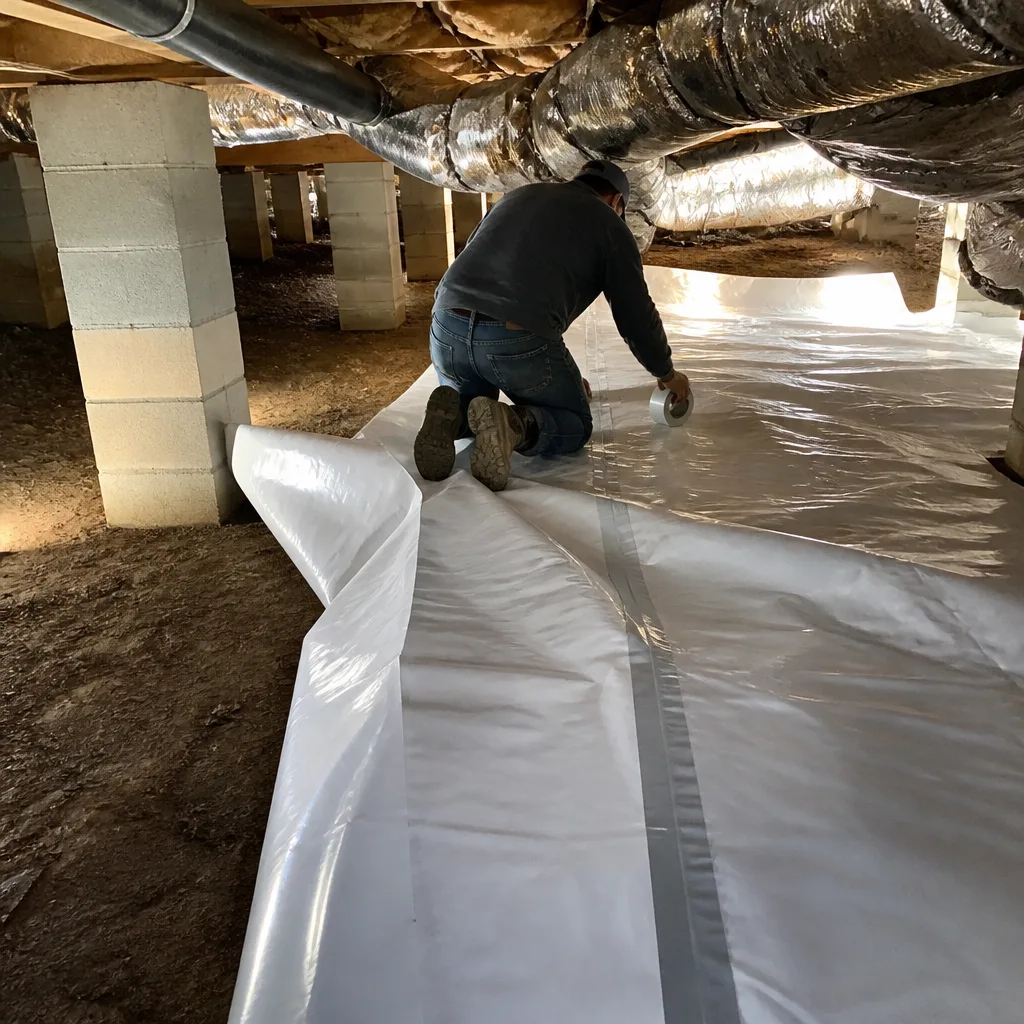
- Humidity readings climb above 65% despite the dehumidifier running. This usually means the vapor barrier has separated at the perimeter or a seam has opened, letting soil moisture bypass the liner. In Georgetown, we see this most often where the Blackland Prairie clay expands in spring and shifts the foundation pin spacing.
- Musty odor returns, especially after rain. When the butyl tape fails at the wall juncture, humid outside air gets pulled into the crawl through the stack effect. The smell is actually mold spores that have colonized the damp joist bays above the compromised seal.
- Condensation on ductwork or plumbing lines. This happens when the encapsulation is intact but the dehumidifier is undersized for the air leakage rate. We measure this with a blower-door test on the crawl space envelope - a pressurization reading that shows, in one number, how much conditioned air is being lost through the floor system.
- Visible tears or pooling water on the liner surface. The 6-mil standard line punctures easily if a technician or pest inspector crawls across it without a crawl board. The 12-mil reinforced holds up better, but we’ve found rodent damage in homes near the San Gabriel River corridor where field mice seek winter access.
- White powder or efflorescence on the foundation walls. This indicates moisture is migrating through the block or concrete, which means either the wall adhesive has failed or the original install skipped the wall liner entirely. Knauf’s system calls for a 6-mil wall liner sealed to the floor membrane, not just tape at the sill plate.
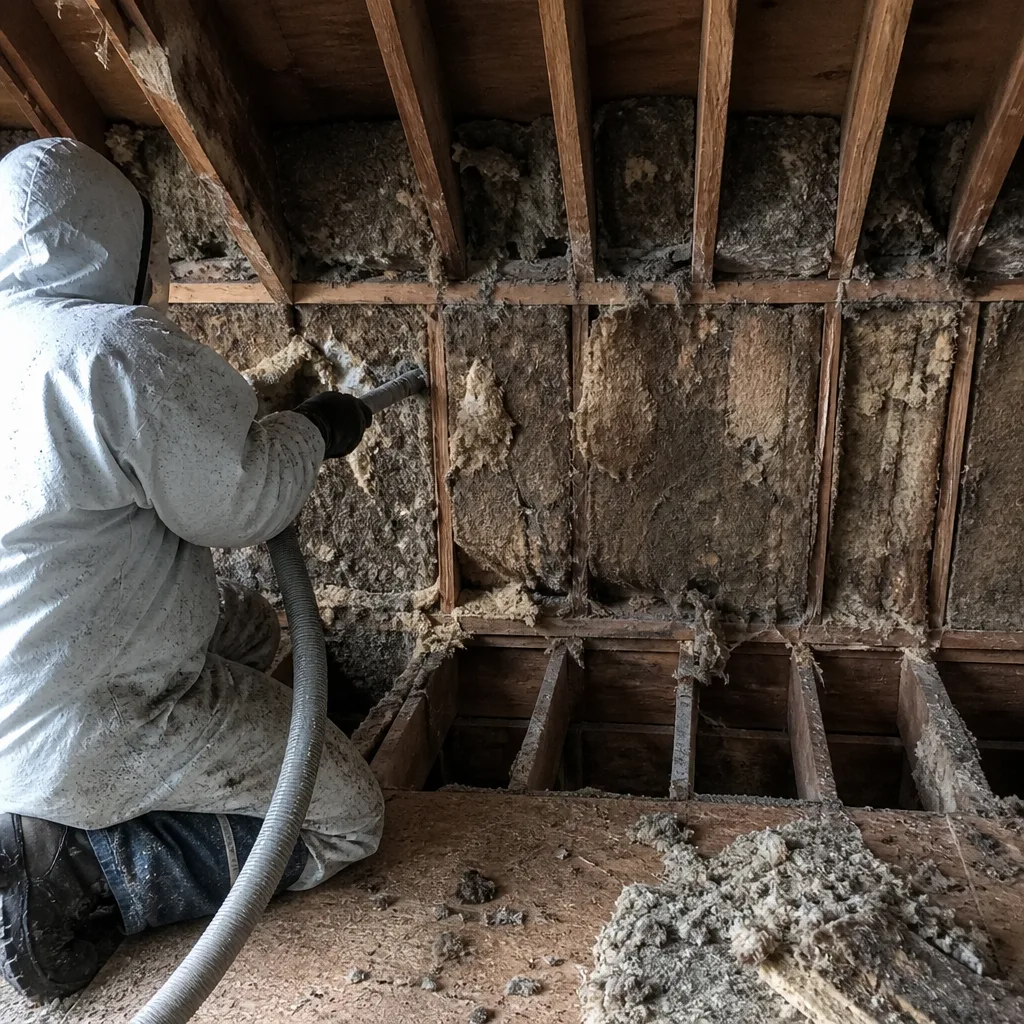 Before
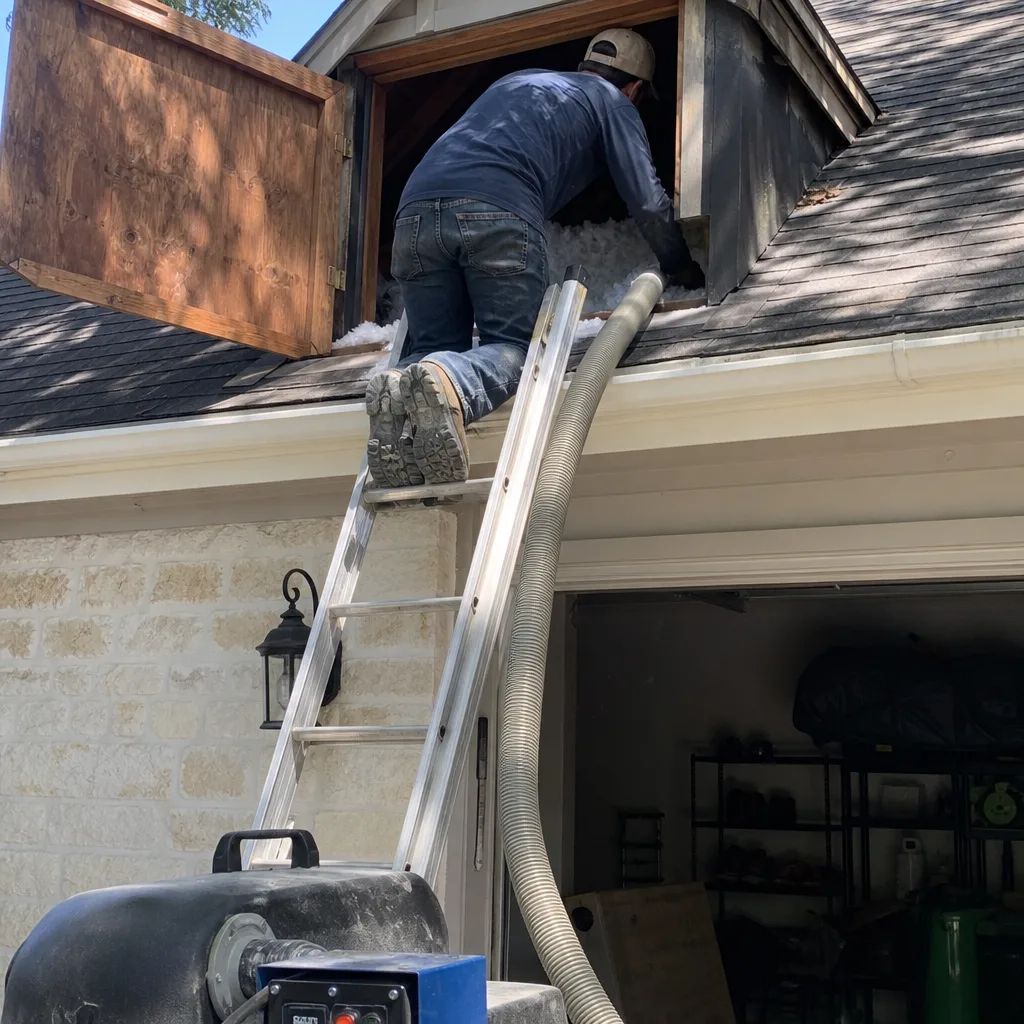 After
AfterReplacement Cost & What’s Included
| Scope | Price Range in Georgetown |
|---|---|
| Partial re-seal (tape, seams, perimeter gaps under 200 sq ft) | $1,200 - $2,400 |
| Full 6-mil liner replacement, standard crawl (800-1,200 sq ft) | $3,800 - $5,400 |
| Full 12-mil reinforced replacement with dehumidifier tie-in | $5,200 - $7,200 |
| Wall liner addition (was skipped in original install) | $900 - $1,600 additional |
What drives the range: crawl square footage is obvious, but the bigger variable is access - a 24-inch clearance with a tight corner at the HVAC plenum adds labor hours versus a 36-inch walk-in crawl. We also factor in whether the existing dehumidifier needs re-ducting or replacement. Every quote is a written price before any work starts, with a scope line item for materials (Knauf liner, OEM tape, fasteners) and labor separately. Our 365-Day Done Right Promise applies to the installation; the Knauf liner itself carries a 20-year material warranty against manufacturing defect, which we register for you and document in your job file.
DIY or Call Us?
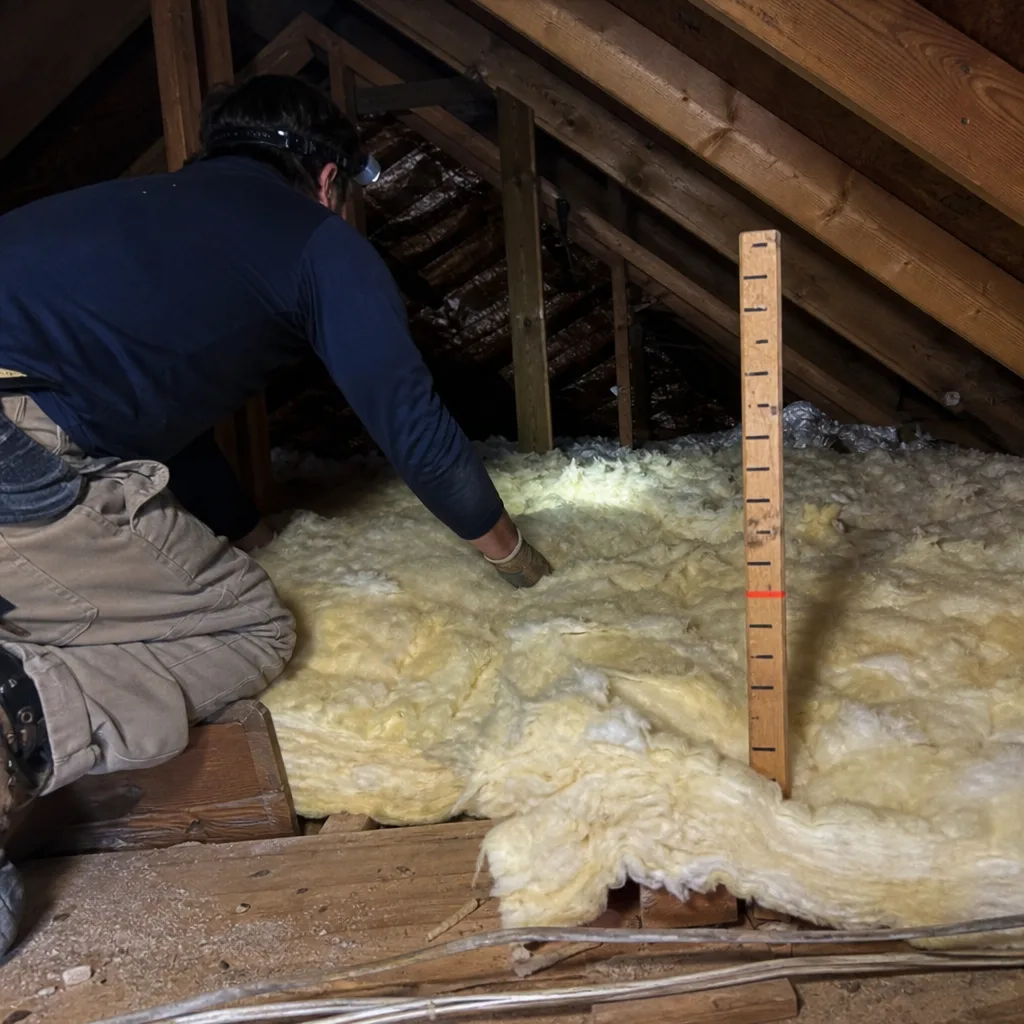
There’s no high-tension danger in crawl space encapsulation like you’d find with garage door springs or gas lines, but there is a respiratory hazard we flag honestly: disturbed fiberglass insulation, rodent droppings, and mold spores in a confined crawl space are not a safe combination without a P100 respirator and negative-air setup. We’ve been called to fix DIY jobs where the homeowner laid the liner beautifully but missed the wall juncture by three inches, creating a condensation trap that rotted a sill plate over two years.
What you can safely check: verify your dehumidifier is running and draining, look for obvious tears or pooling, and photograph any Knauf batch codes you find. What goes wrong in DIY: inadequate surface prep for tape adhesion, wrong fastener spacing for clay soil expansion, and missing the thermal bypass at the band joist. Seal the holes first. Then we talk about R-value. If you’re unsure, call us at (254) 970-2136 - estimates are free, and we bring a written price before anyone lifts a tool.
FAQs
In Georgetown’s climate, a properly installed Knauf 12-mil reinforced system lasts 15-20 years, while the 6-mil standard line typically needs attention at 10-12 years due to puncture risk and UV degradation if any light penetrates through foundation vents. The butyl seam tape we use is rated 20 years but should be inspected after major foundation shifts, which the Blackland Prairie clay delivers every wet spring. Call (254) 970-2136 to schedule an inspection - estimates are free.
Isolated punctures under 6 inches can be patched with Knauf OEM seam tape and a reinforcing patch of matching mil thickness; we document the repair location in your photo record. Multiple tears, seam failures, or liner older than 12 years usually means full replacement is more cost-effective than chasing individual failures. We’ll show you both options in the written price before any work starts.
Most Georgetown crawls between 1,000 and 1,500 square feet take one to two days: half a day for removal and surface prep, half a day for liner installation and sealing, plus dehumidifier commissioning if we’re tying into a new or existing unit. We arrive with the Knauf materials on the truck, so there’s no supplier delay. Call (254) 970-2136 - we can often start within 48 hours.
Yes - we carry Knauf 6-mil and 12-mil reinforced liner in 12-foot and 16-foot widths, OEM butyl seam tape, wall adhesive, and the 1.5-inch galvanized pin with 2-inch washer sets. We also stock Reflectix and other brands, but for Knauf systems we use Knauf-specified materials to maintain warranty compatibility. If you have an unusual width or a custom-cut requirement, we can typically have it within 24 hours through our Austin supplier.
Written by Wes Okafor, Owner, Topside Attic Insulation Georgetown at Topside Attic Insulation Georgetown, serving Georgetown and nearby areas.