
GreenFiber Vapor Barrier Installation: The Georgetown Owner’s Guide
GreenFiber vapor barrier installation in Georgetown typically runs $1,800-$3,400 for a full crawl-space or attic-floor application, depending on square footage and whether the space needs prep work for proper adhesion. We stock GreenFiber-compatible 6-mil and 10-mil polyethylene barriers, seam tape, and mechanical fasteners on every truck, and most Georgetown jobs are completed same-day once the written scope is approved. Most homeowners discover their vapor barrier has failed when they notice a musty smell returning after rain, find insulation batting that’s damp to the touch, or spot condensation droplets on the underside of their crawl-space framing - all signs that the membrane is no longer blocking soil moisture from entering the conditioned envelope.
Which GreenFiber Models This Applies To
GreenFiber does not manufacture vapor barriers under its own label; instead, the brand’s cellulose insulation systems - AllBor, Sanctuary, and Low Dust - are commonly paired with third-party polyethylene vapor barriers during installation in Georgetown homes built between 1995 and 2020. The critical match is not the insulation brand but the assembly spec: GreenFiber’s loose-fill cellulose performs poorly when installed over a compromised vapor barrier, since cellulose absorbs and holds moisture unlike fiberglass or mineral wool.
To identify what you have, check for a stamped mil rating on any exposed polyethylene - 6-mil is standard for crawl-space ground cover, 10-mil for areas with rocky substrate or rodent activity. If your original installer used GreenFiber’s recommended assembly, the barrier should extend 6 inches up foundation walls and be sealed with pressure-sensitive tape at all seams. We see a common compatibility gotcha in Georgetown’s older Sun City builds: some contractors installed 4-mil sheeting that degrades in UV exposure within 5-7 years, well below the 15-year expected life of proper 6-mil material. We carry both virgin polyethylene and reinforced scrim options; the reinforced line resists puncture from the limestone gravel common in Georgetown’s Hill Country geology.
Topside Attic Insulation Georgetown is an independent service provider with no affiliation to GreenFiber or its parent company. We source compatible materials from multiple suppliers including GreenFiber distributors.
Signs Your GreenFiber Vapor Barrier Installation Is Failing
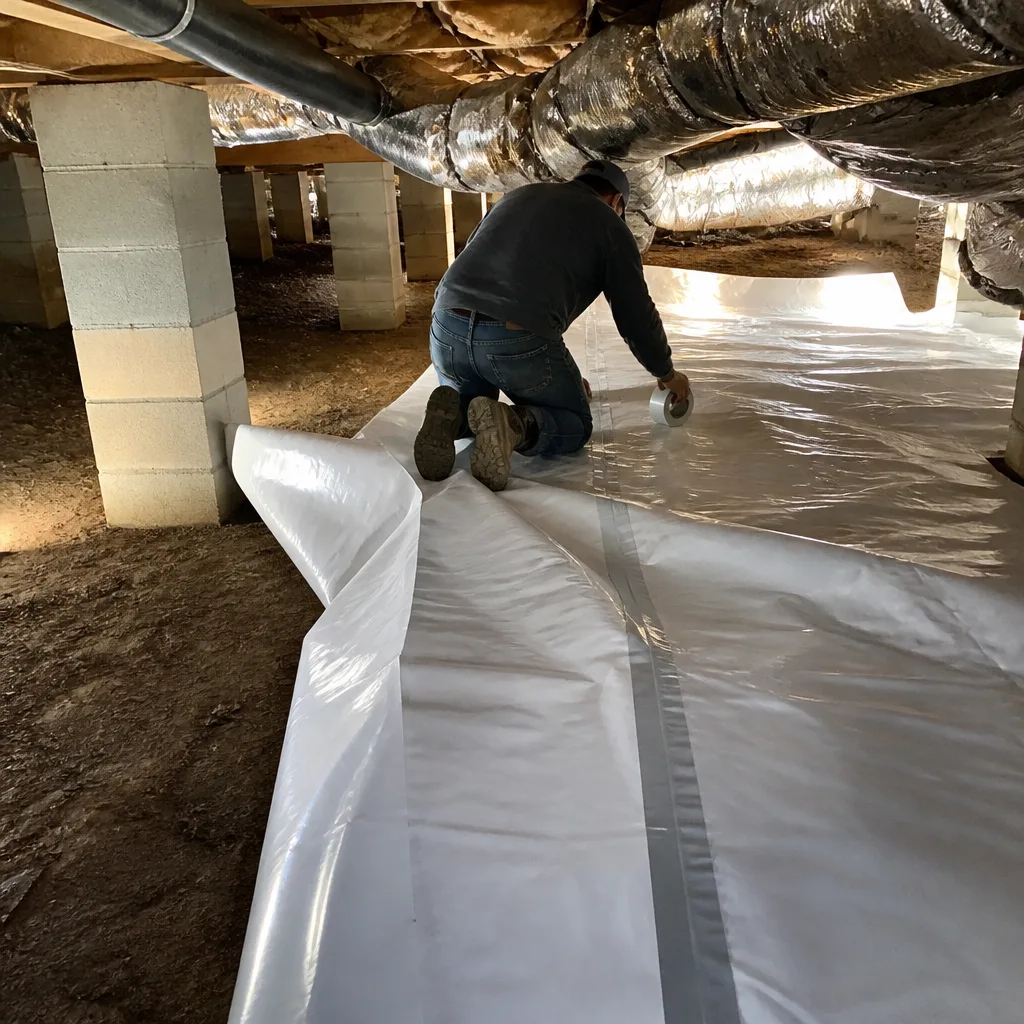
- Musty odors that worsen after rainfall. This means soil moisture is migrating through gaps or tears in the polyethylene and saturating your cellulose insulation. The smell intensifies when humidity spikes, which in Georgetown can happen within hours of a storm crossing the Balcones Escarpment.
- Damp or discolored insulation batting near the floor perimeter. GreenFiber cellulose darkens to a gray-brown when it wicks moisture; if you see this at the edges of your crawl space, the barrier likely shrank or pulled away from the walls, breaking the seal.
- Condensation on wooden framing or ductwork. When warm, humid exterior air meets cooler conditioned surfaces, droplets form - a sign that your vapor barrier is no longer controlling the moisture drive from the soil. In Georgetown’s clay-heavy soils, this can spike indoor relative humidity by 15-20 percent.
- White or gray powder on the barrier surface. This is efflorescence, mineral salts left behind as groundwater evaporates through the polyethylene. It indicates the barrier has become permeable or was never properly sealed at the seams.
- Sagging or pooling water on top of the barrier. Properly installed vapor barrier should shed water to a sump or perimeter drain. Pooling means the polyethylene has torn, the grade underneath has settled, or the original installer failed to address drainage before laying the membrane.
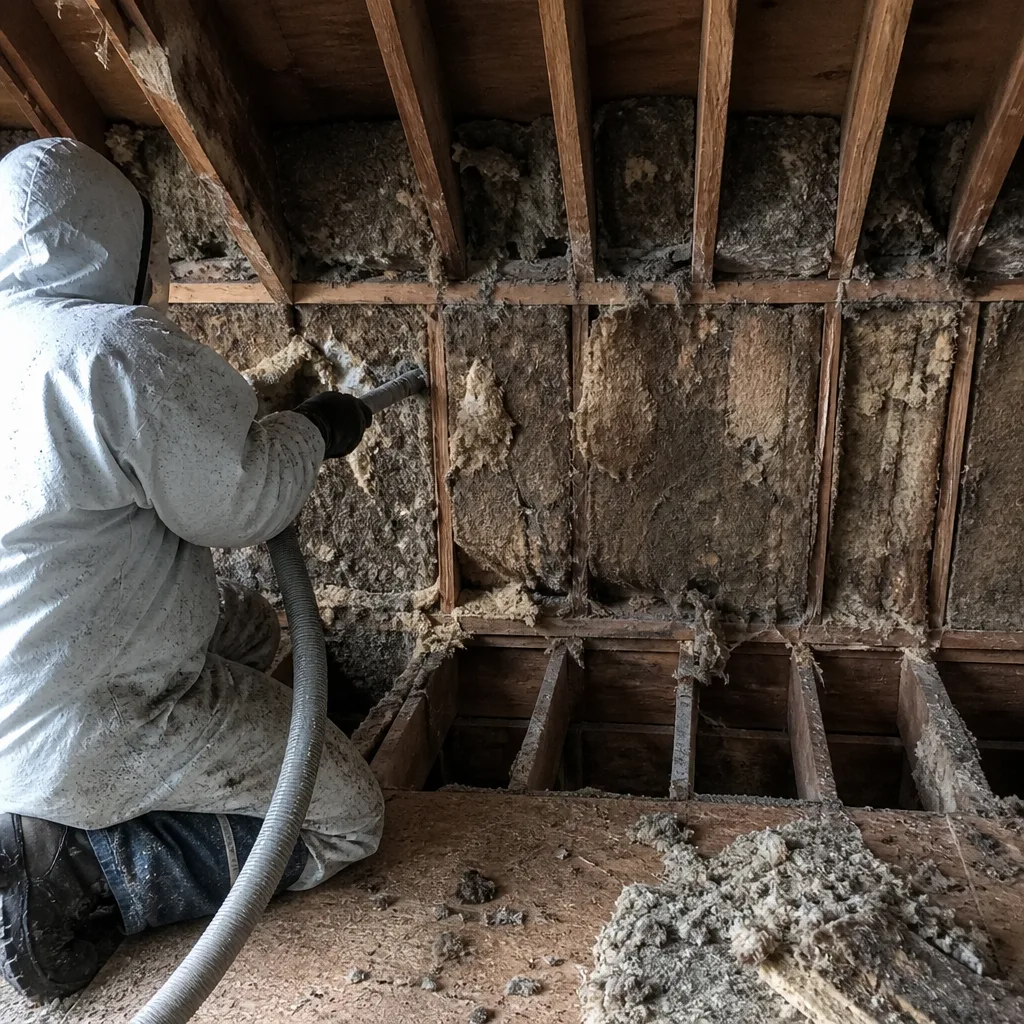 Before
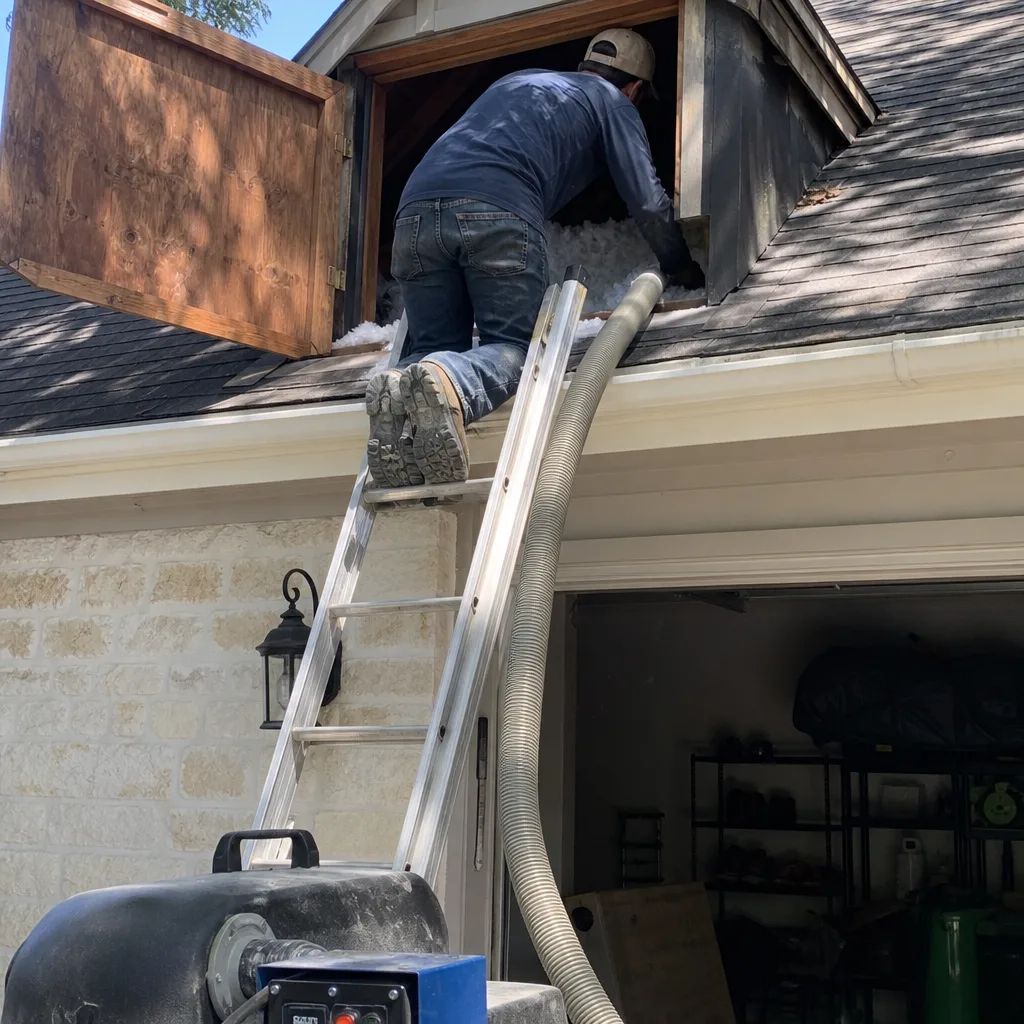 After
AfterReplacement Cost & What’s Included
For a typical Georgetown crawl space between 1,200 and 2,400 square feet, GreenFiber-compatible vapor barrier replacement runs $1,800-$3,400 installed. The low end covers removal of degraded 4-mil or 6-mil sheeting, surface prep, and installation of new 6-mil virgin polyethylene with taped seams and mechanical fastening to foundation walls. The high end applies to spaces requiring 10-mil reinforced scrim, significant grading or drainage correction, or full re-installation of GreenFiber cellulose that was damaged by moisture intrusion.
Every job includes a written scope and flat price before work starts - Haven Standard Clause 1 - plus a Documented Photo Record showing the old barrier condition, the prepped substrate, and the completed installation. We also provide before-and-after moisture readings with a calibrated thermo-hygrometer so you can verify the fix, not just trust it. The 365-Day Done Right Promise covers all vapor barrier work; if seams fail or tears develop from our installation, we return and make it right.
DIY or Call Us?
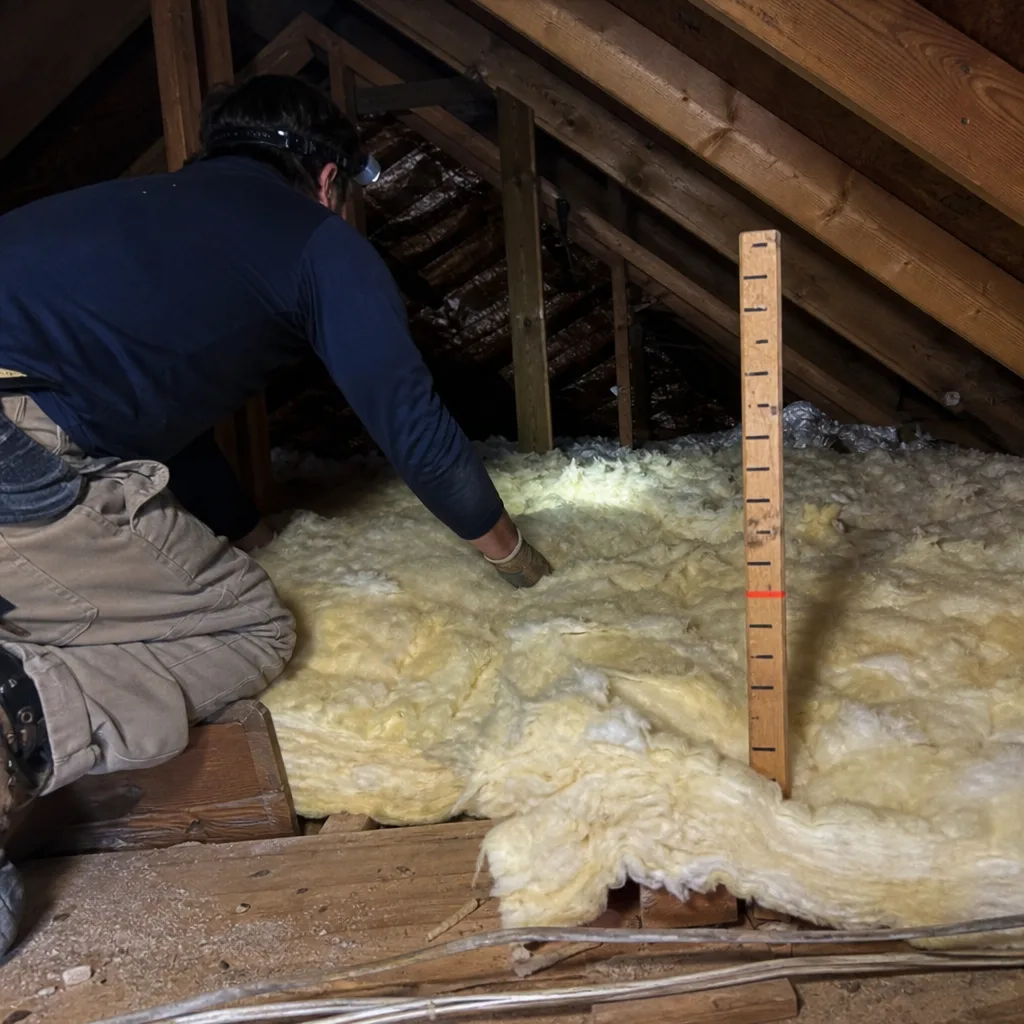
There’s no high-tension danger in vapor barrier work, but there is a precision problem. A homeowner can safely inspect their crawl space with a flashlight and gloves, looking for the symptoms above and measuring any tears. What goes wrong in DIY is the prep: the old barrier must be fully removed, the soil graded to drain, and every seam overlapped 12 inches and taped with pressure-sensitive tape rated for damp substrates. We’ve re-done three Georgetown jobs this year where a homeowner’s tape failed within months because they used hardware-store duct tape that lost adhesion at 85 percent humidity.
We also check what the DIY approach skips: top-plate air sealing at the crawl-space perimeter, which determines whether moist exterior air bypasses your barrier entirely. Seal the holes first. Then we talk about R-value. If you want a written price and a documented result, call (254) 970-2136.
FAQs
Properly installed 6-mil polyethylene lasts 15-20 years in Georgetown’s climate, but 4-mil or UV-exposed sheeting can fail in 5-7 years. The limestone gravel in many local crawl spaces accelerates puncture wear, which is why we stock reinforced scrim for Georgetown’s Hill Country geology. Call (254) 970-2136 for an exact quote - estimates are free.
Small punctures under 2 inches can be patched with compatible polyethylene tape if the surrounding material is still supple. If the barrier is brittle, extensively torn, or shows efflorescence across more than 10 percent of the surface, replacement is the only lasting fix. We evaluate this during our free estimate and document the condition with photos you keep. Call (254) 970-2136 to schedule.
Most residential crawl spaces in Georgetown are completed in 4-6 hours for removal and replacement, or a full day if drainage correction and re-insulation are included. We arrive with GreenFiber-compatible materials on the truck, so there’s no supplier delay. You’ll get a text when the crew is en route and a Documented Photo Record before we leave. Call (254) 970-2136 for availability.
We stock 6-mil and 10-mil polyethylene barriers, seam tape, mechanical fasteners, and reinforced scrim on every truck, plus GreenFiber cellulose for jobs requiring insulation replacement. We do not stock Reflectix radiant barrier on every vehicle, but we can source it next-day for combined vapor-and-radiant-barrier assemblies. Call (254) 970-2136 to confirm current truck inventory for your specific job.
Written by Wes Okafor, Owner, Topside Attic Insulation Georgetown at Topside Attic Insulation Georgetown, serving Georgetown and nearby areas.