
GreenFiber Attic Air Sealing: The Georgetown Owner’s Guide
We stock and install GreenFiber-compatible attic air sealing components for Georgetown homes, with most completed jobs running between $340 and $780 depending on attic square footage and penetration count. Same-day service is available when you call before noon, and we carry the critical GreenFiber-compatible foam sealants, top-plate gaskets, and penetration boots on every truck. Most Georgetown homeowners discover their air sealing has failed when a recent insulation job didn’t deliver the temperature drop they expected, or when their HVAC runs nonstop through August afternoons without ever reaching the thermostat setpoint.
Which GreenFiber Models This Applies To
GreenFiber produces loose-fill cellulose insulation, not a discrete air-sealing system with model numbers, so “GreenFiber attic air sealing” refers to the building-seal components installed alongside or beneath GreenFiber cellulose in attics across Georgetown. The critical match points are the penetration size (can lights, flues, wire bundles, top plates), the foam type specified for contact with cellulose (open-cell low-expansion, not standard gap filler that can off-gas and degrade), and the ignition barrier rating where foam sits near hot fixtures.
We see three common configurations in Georgetown homes built 2015-2025: GreenFiber AllBor with 2-part foam at top plates, GreenFiber Sanctuary with pre-formed gasket boxes over can lights, and retrofits where blown cellulose was added over original fiberglass with minimal sealing. The OEM approach uses GreenFiber’s specified foam partners, but we’ve validated aftermarket equivalents from Johns Manville and Owens Corning that meet the same ASTM E84 and ICC-ESR listings at lower material cost. The compatibility gotcha: standard big-box gap foam degrades where cellulose holds moisture against it, so we only use closed-cell or specifically rated open-cell formulations rated for long-term cellulose contact. Check your existing foam label for ASTM C518 or contact our crew to read it with you.
Signs Your GreenFiber Attic Air Sealing Is Failing
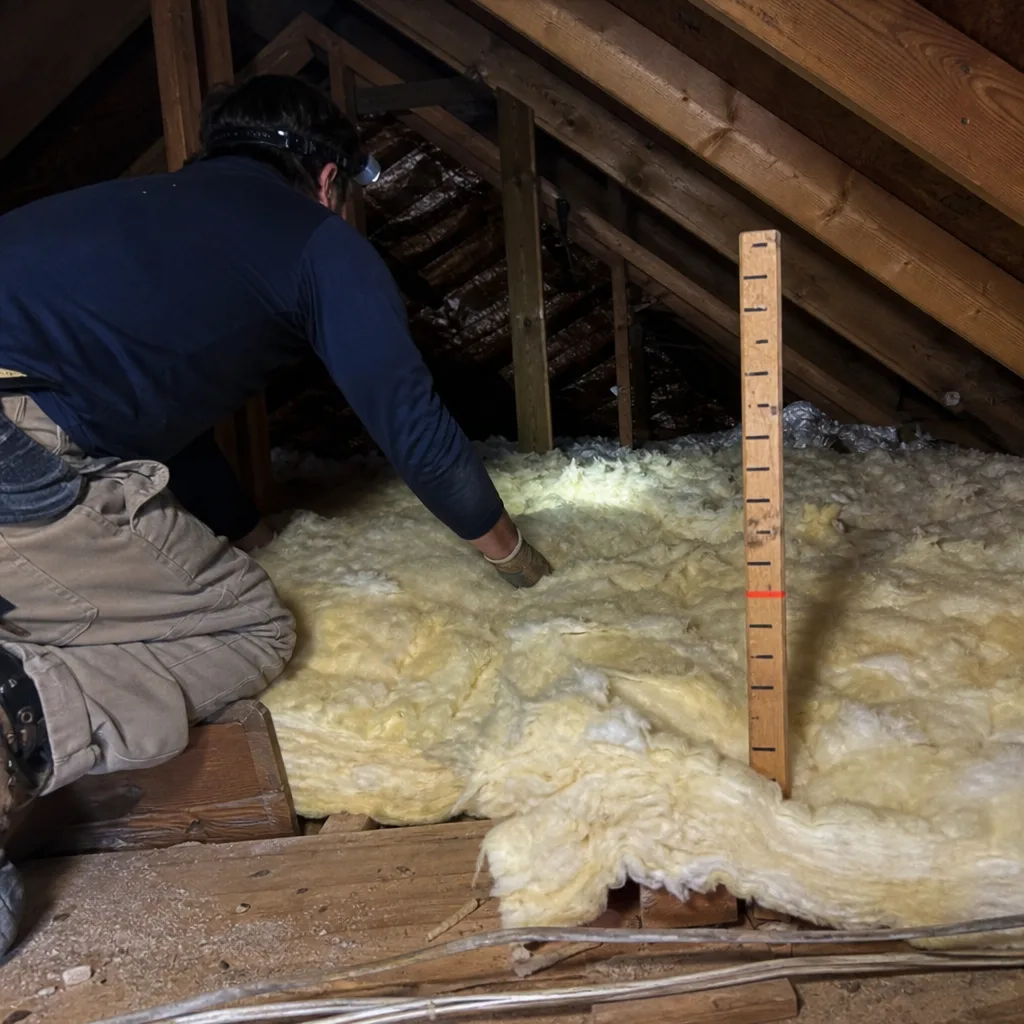
- Dust streaks around ceiling fixtures. Air moving through unsealed gaps carries attic dust into living spaces, leaving dark trails around can lights and vents. In Georgetown, we see this worst on homes near the limestone escarpment west of I-35 where wind pressure runs higher.
- Hot second-floor rooms that don’t respond to HVAC. Conditioned air escapes through top plate gaps before it ever reaches the register, so the thermostat reads satisfied while the room stays stale. We measure this with a blower-door test - a pressurization reading that shows, in one number, how much air your building envelope is losing.
- Ice damming or inconsistent roof melt patterns in winter. Warm attic air leaks melt snow unevenly, refreezing at eaves. Even Georgetown’s mild winters produce this when attic air hits 55°F from leakage while outdoor temps dip below freezing.
- Cellulose settling away from eaves or settling unevenly. Air movement through bypasses disturbs loose-fill over time, creating thin spots exactly where you need depth. We document this with thermal imaging before any work starts.
- Spikes in summer electric bills with no rate change. A failing air seal forces your compressor to run longer cycles to replace what’s lost. Most Georgetown homes we test show 25-40% of cooling load from envelope leakage, not insulation deficiency.
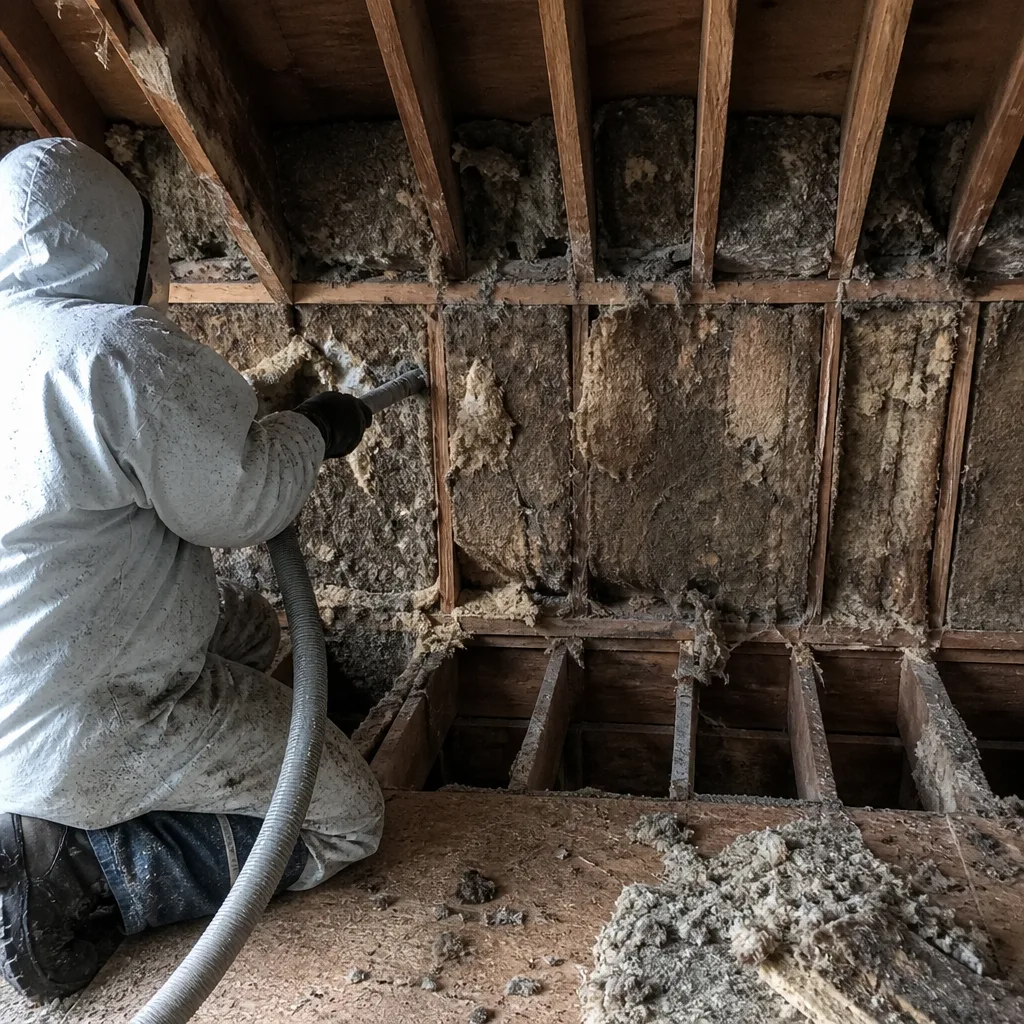 Before
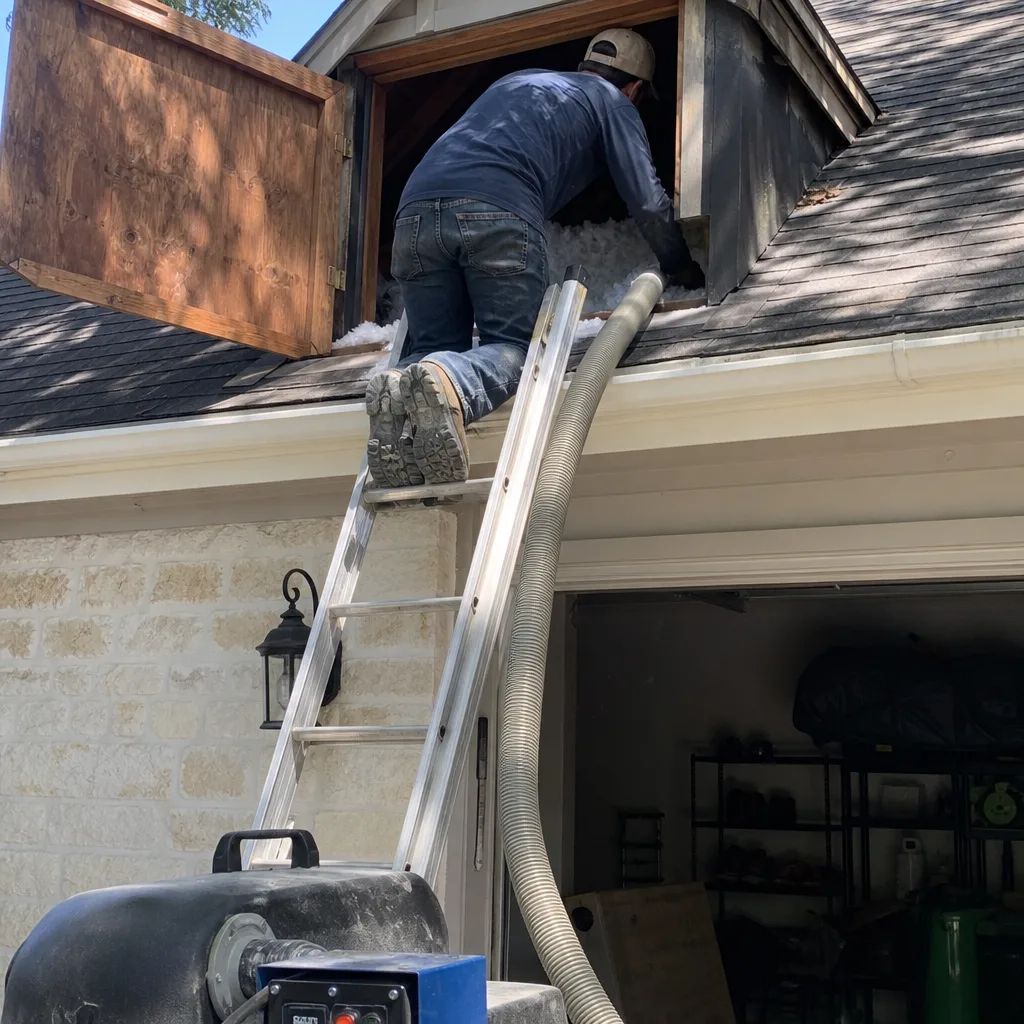 After
AfterReplacement Cost & What’s Included
| Scope | Price Range | Typical Georgetown Home |
|---|---|---|
| Spot repair: 3-5 penetrations, limited attic access | $340 - $520 | 1,800-2,400 sq ft, post-2000 build |
| Standard seal: full top plates, can lights, flue chase, wire penetrations | $580 - $780 | 2,400-3,200 sq ft, full attic floor |
| Comprehensive: above plus dropped soffit, coffered ceiling, or multiple HVAC chases | $840 - $1,400 | Custom homes, pre-1990 framing |
Every price includes foam material rated for cellulose contact, labor, cleanup, and our Documented Photo Record. We publish before-and-after blower-door numbers on every job so you can verify the air-sealing result in CFM50 - the actual pressurization measurement, not an estimate. Under Haven Standard Clause 1, you get a written price before any work starts, a written scope, and a written warranty. The 365-Day Done Right Promise covers all completed work. Materials come from our stocked inventory including GreenFiber-compatible foams; we source from Owens Corning, Johns Manville, Knauf, Rockwool, CertainTeed, Icynene, Demilec, and GreenFiber with no proprietary lock-in.
DIY or Call Us?
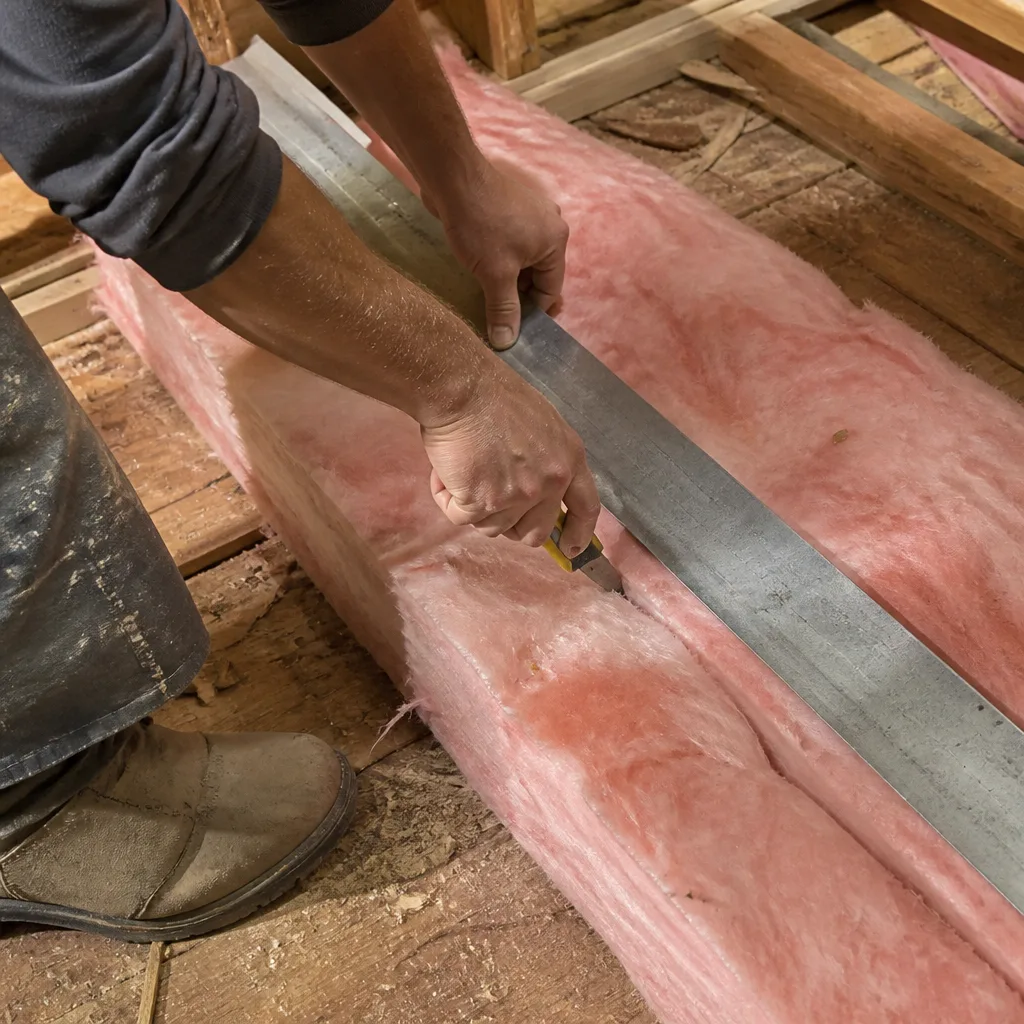
There’s safe checking and there’s work that belongs in documented hands. You can verify symptoms yourself: hold a smoke pencil or thin incense stick near ceiling fixtures on a windy day and watch for draw toward the attic, or check your GreenFiber depth at the attic hatch against the bag label’s specified coverage. What you cannot safely do: work around energized can lights without proper ignition barriers, navigate truss chords in 140°F Georgetown attic heat, or identify which foam formulations won’t degrade where cellulose holds seasonal moisture.
We’ve replaced DIY foam jobs where the homeowner used standard gap filler that turned to powder in 18 months. The rework costs more than doing it once. Seal the holes first. Then we talk about R-value. Call (254) 970-2136 for a free estimate and we’ll read your existing setup with you, no charge.
FAQs
Properly installed foam sealants rated for cellulose contact last 20-25 years in Georgetown’s climate, though mechanical disturbance during future service work can compromise joints. We see premature failure at 8-12 years when standard gap foam was substituted for rated material, which is why we document the product label in your photo record. Call (254) 970-2136 if you’re unsure what’s up there - estimates are free.
Spot repair is viable when the original foam is still pliable and the failure is isolated to a few penetrations; full replacement makes sense when the foam is degraded, when we’re adding insulation depth that will bury access points, or when the original work predates current fire-rating standards. We assess this on every visit and quote only what the condition demands. Call (254) 970-2136 for an exact scope - estimates are free.
Most Georgetown jobs finish in 4-6 hours for standard scopes, with comprehensive work on larger homes running a full day. We schedule morning starts to complete before attic temperatures peak, and you’ll receive a text when your technician is en route. Same-day availability holds when you call before noon.
Yes - we carry low-expansion foam rated for cellulose contact, pre-formed can-light covers, fire-rated caulk, and top-plate gasket material on every vehicle. For uncommon penetration sizes or custom flue chases, we pull from our Georgetown warehouse same-day. Topside Attic Insulation Georgetown is an independent service provider, not affiliated with GreenFiber.
Written by Wes Okafor, Owner, Topside Attic Insulation Georgetown at Topside Attic Insulation Georgetown, serving Georgetown and nearby areas.