
Demilec Radiant Barrier Installation: The Georgetown Owner’s Guide
We install Demilec-compatible radiant barrier systems in Georgetown homes for $2,400-$4,800 depending on attic square footage and whether we need to pull existing degraded material first. Most jobs we can schedule within 48 hours, and we carry Demilec Heatlok HFO and Demilec Sealection 500 spec sheets on every truck. Homeowners usually figure out something’s wrong when their upstairs bedrooms won’t cool below 78°F in July despite the AC running nonstop, or when they climb into the attic and find the original foil layer has gone matte and brittle.
Which Demilec Models This Applies To
Demilec doesn’t sell a standalone radiant barrier product under its own label. What Georgetown homeowners are actually dealing with is a Demilec spray-foam assembly where the foam substrate was paired with a radiant barrier component, typically installed between 2010 and 2019 when builders were combining open-cell Demilec Sealection 500 on the roof deck with a reflective foil facing toward the attic airspace. The compatibility issue isn’t the foam itself - it’s whether the original installer used a foil rated for contact with open-cell chemistry, or cut corners with an off-gassing reflective sheet that degrades at the adhesive interface.
To identify what you’ve got, look for the Demilec lot number on the foam substrate, usually stamped on the attic-side surface near the ridge. The first two digits indicate the plant and year. If you see lot codes starting with 08 through 16, you’re in the window where foil-to-foam adhesion failures are common in Central Texas heat. We also stock Reflectix as an alternative when the original radiant layer needs full replacement and the homeowner wants a non-proprietary solution. OEM Demilec foil replacement isn’t available retail; the aftermarket equivalent we use is a perforated, reinforced aluminum product with a 0.05 emissivity rating and a 10-year UV-stable backing that won’t off-gas against cured open-cell foam.
Signs Your Demilec Radiant Barrier Installation Is Failing
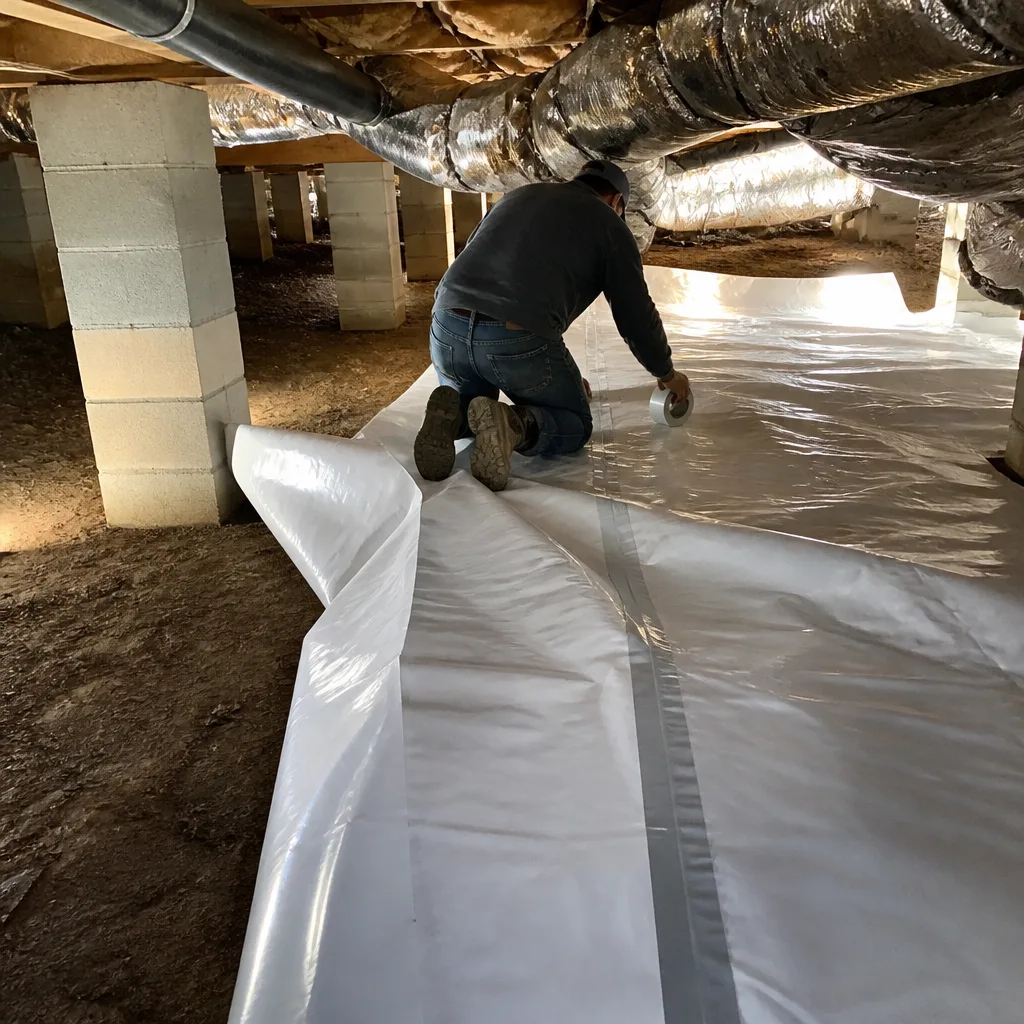
- Upstairs rooms run 8-12°F warmer than downstairs by mid-afternoon. The radiant barrier has lost its reflectivity or delaminated from the foam, so roof deck heat is radiating directly into the attic airspace instead of being reflected back toward the exterior. We measure this with a thermal camera; the roof deck should read no more than 15°F above ambient, but failed assemblies often hit 40°F+ differential.
- Your summer electric bill jumped $80-$150 compared to the same month three years ago. The HVAC is compensating for radiant heat gain the barrier used to block. In Georgetown’s 100°F+ July stretches, a degraded barrier can add 25-35% to cooling load on a 2,000-square-foot home.
- The foil surface looks chalky, torn, or has dark spots where it contacts the foam. This is chemical degradation at the adhesive layer, accelerated by attic temperatures that regularly exceed 140°F in Georgetown homes without adequate ventilation. Once the foil oxidizes, it’s not reflecting; it’s absorbing.
- You find loose foil strips hanging from the roof deck or lying on the attic floor. Mechanical failure from improper stapling pattern or thermal cycling. Demilec-compatible foil needs a 6-inch staple spacing on seams; many original installers used 12-inch or greater to save labor.
- Musty odors in the attic or visible mold on the roof deck. A perforated radiant barrier that has failed can trap moisture against the deck. Demilec open-cell is vapor-permeable by design, but if the foil was non-perforated or the perforations have clogged with dust, you’ve created a condensation plane.
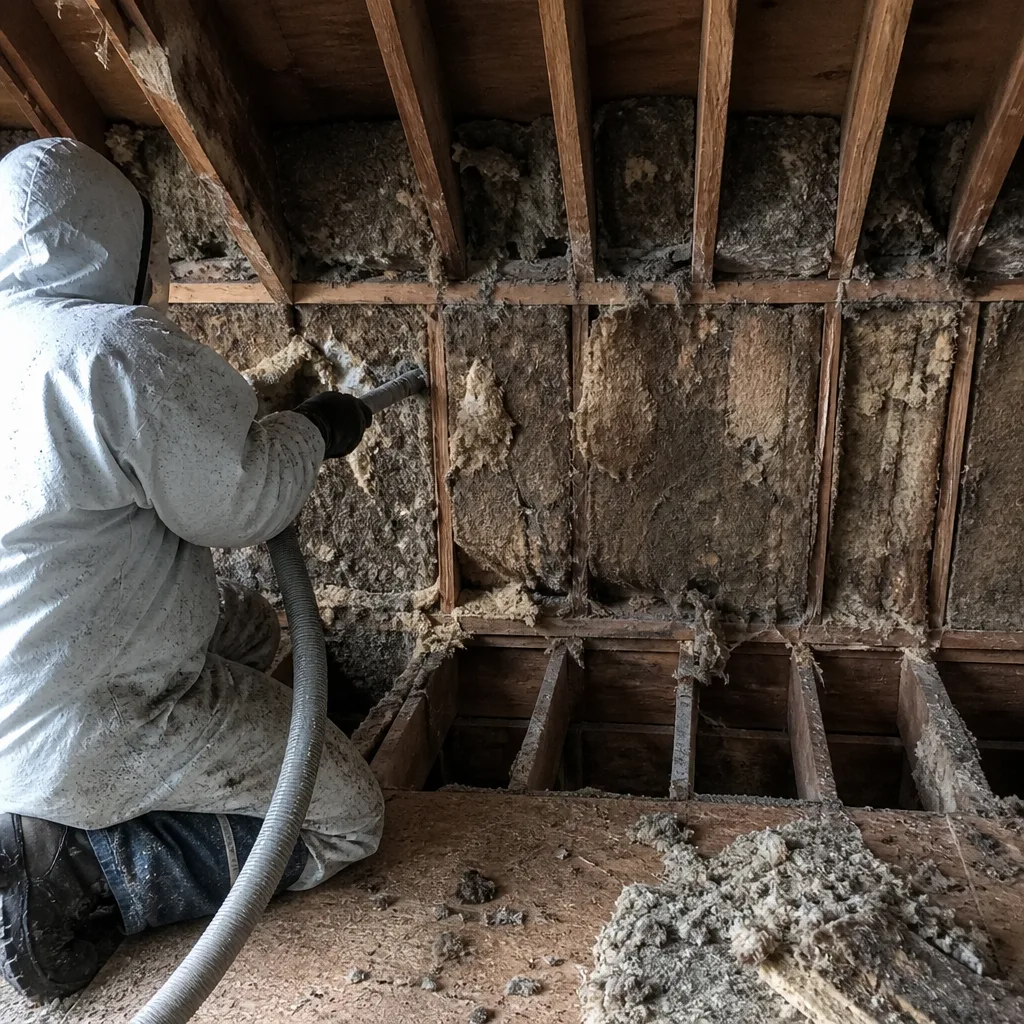 Before
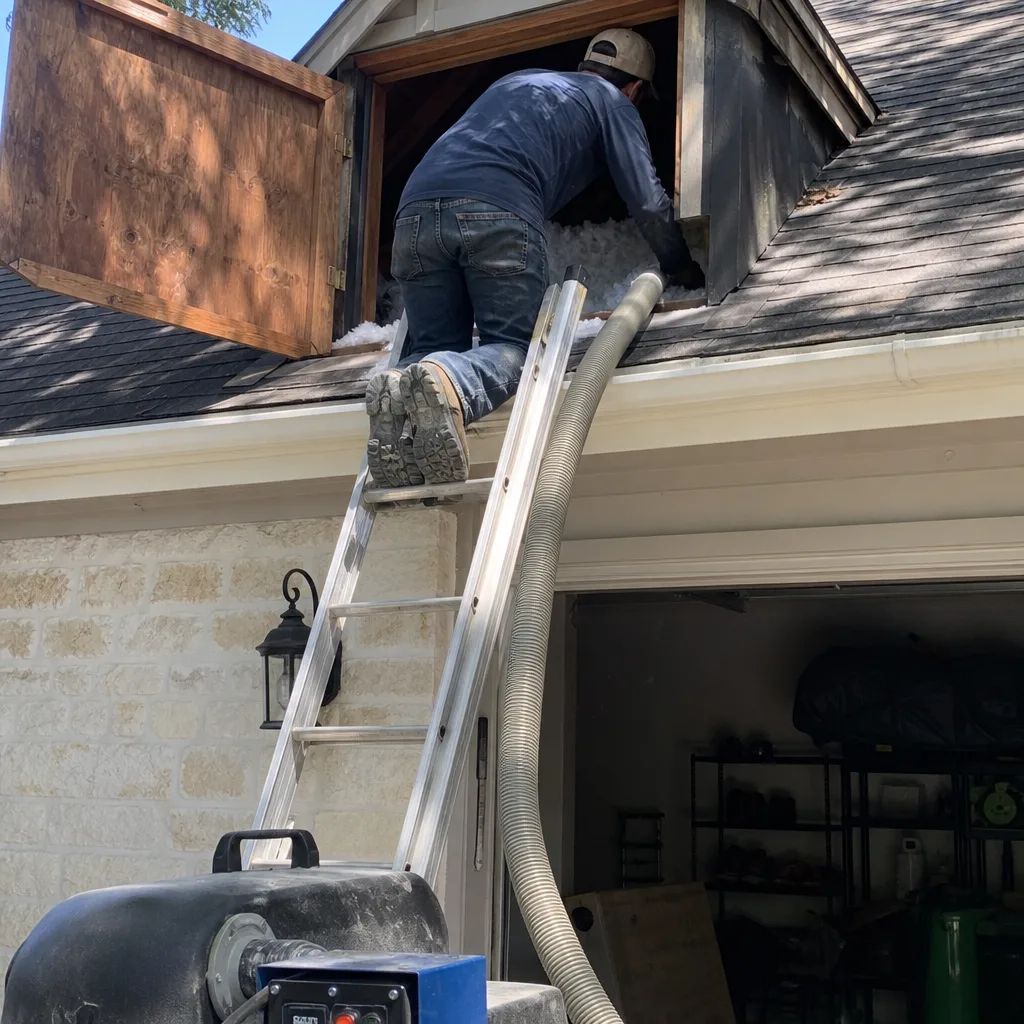 After
AfterReplacement Cost & What’s Included
Most Demilec radiant barrier replacements in Georgetown run $2,400-$4,800 installed. The low end covers a straightforward re-foil on a 1,200-1,800 square foot attic with good access and intact foam substrate. The high end includes pulling degraded material from a 2,500+ square foot attic, repairing compromised open-cell at the ridge and valleys, and re-establishing proper attic ventilation before the new barrier goes up.
What drives the range: attic square footage, pitch (steeper = more labor), whether we need to foam-seal new top plates and can lights while we’re up there, and whether the original Demilec foam needs spot repairs. Every job includes our Documented Photo Record, before-and-after blower-door numbers if air sealing is part of the scope, and the 365-Day Done Right Promise in writing before we start. We don’t touch a tool until you have a flat price and a written scope - that’s Haven Standard Clause 1.
DIY or Call Us?
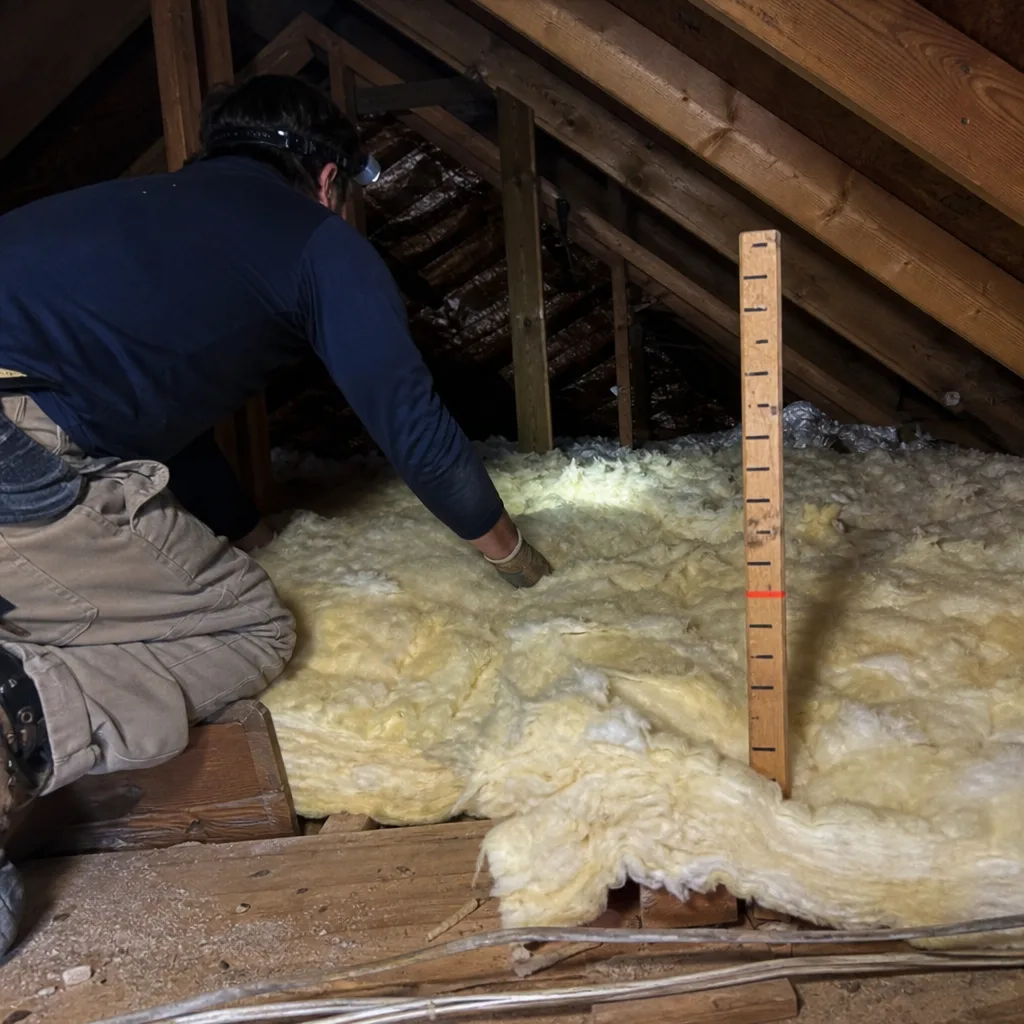
There’s nothing inherently dangerous about radiant barrier material itself - it’s lightweight foil, not high-tension or electrical. What goes wrong is the attic environment in July. Georgetown attics run 130-150°F by 2 PM, and homeowners working on a 6/12 or steeper pitch in that heat make rushed decisions about staple patterns, seam overlaps, and whether that discolored patch of Demilec foam is cosmetic or structural.
What you can safely check from the hatch with a flashlight: whether the foil is intact and reflective, whether any strips have detached, and whether you see dark staining on the roof deck. What you should not attempt: walking a pitched roof deck to re-staple, cutting new material to fit around hips and valleys, or judging whether the original Demilec foam has degraded enough to need spot repair. We’ve seen homeowners cover intact foam with new foil and trap moisture, or miss a failed section at the ridge that vents directly into the attic. Seal the holes first. Then we talk about R-value. Call (254) 970-2136 and we’ll read your attic with you.
FAQs
In Central Texas conditions, a properly installed perforated aluminum radiant barrier on a ventilated attic should maintain reflectivity for 15-20 years. What we’ve found in Georgetown homes from Sun City to the San Gabriel River corridor is that original builder-grade installations often fail in 8-12 years due to inadequate staple patterns, non-UV-stable adhesives, or foam-to-foil chemical incompatibility. Call (254) 970-2136 for an attic assessment - estimates are free.
Spot repair works if less than 10% of the surface has detached and the original foil is still reflective. We can re-adhere small sections with foil tape rated for high-temperature attic use. If the foil is oxidized, torn across seams, or delaminated from the Demilec foam substrate, partial replacement usually costs more in labor than full re-foil. We give you both numbers in writing before you decide.
Most residential Demilec radiant barrier replacements in Georgetown are a one-day job for a two-person crew. A 2,000-square-foot attic with standard pitch takes 6-8 hours including setup, debris removal, and final documentation. Jobs requiring foam repair or additional air sealing extend to a second day. We text you a named technician and arrival window the morning of.
Yes. We carry reinforced perforated aluminum radiant barrier on every truck, spec’d for contact with cured open-cell foam including Demilec Sealection 500 and Heatlok HFO assemblies. We also stock Reflectix as an alternative for homeowners who prefer a non-proprietary product. Topside Attic Insulation Georgetown is an independent service provider, not affiliated with Demilec. Call (254) 970-2136 to confirm compatibility with your specific lot code.
Ready to get your attic performance back? Call (254) 970-2136 for a free written estimate. We’ll bring the spec sheets, take the blower-door numbers, and give you a flat price before any work starts - Haven Standard, every time.
Written by Wes Okafor, Owner, Topside Attic Insulation Georgetown at Topside Attic Insulation Georgetown, serving Georgetown and nearby areas.