
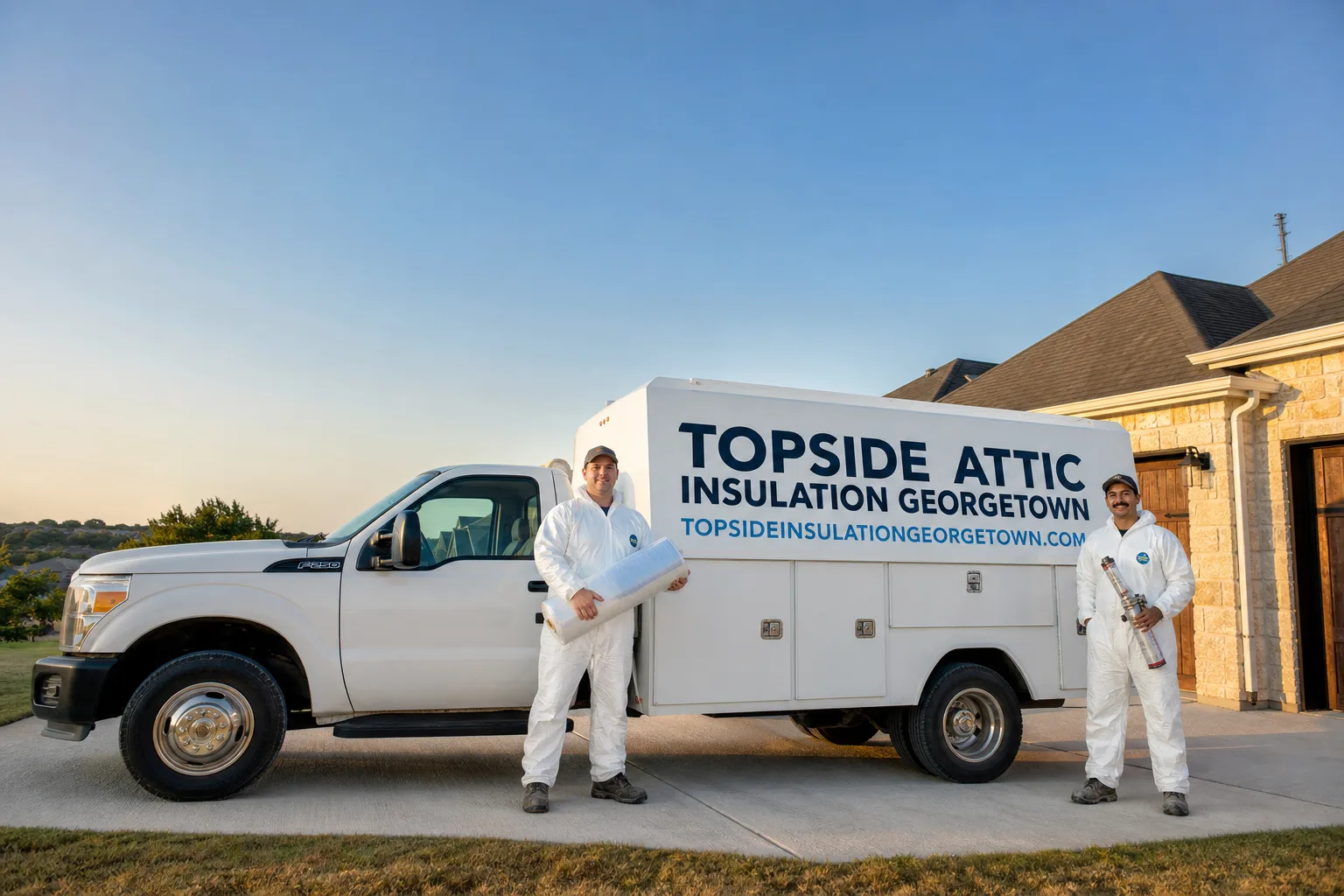
Fast, Reliable Blown-In Insulation Across Lakeway
Blown-in insulation in Lakeway typically runs $1.80 to $3.20 per square foot of attic floor, with most complete retrofits falling between $2,400 and $5,800 depending on whether your home needs air sealing first. Our crews are on Lakeway roads daily - dispatch coordinates from our Austin office, but the trucks that roll through your neighborhood are the same ones that serviced the cottages off The Hills Drive and the custom builds along Rough Hollow last week. Call (254) 970-2136 and a live person answers, 24/7. We’ll schedule a free estimate, deliver a written price before any work starts, and leave you with a Documented Photo Record plus before-and-after blower-door numbers on every job where air sealing applies.
Why Topside Attic Insulation Georgetown Is Lakeway’s Preferred Blown-In Insulation Company
We’ve sealed and insulated over 9,000 homes since 2016, and Lakeway’s split housing stock - 1970s resort cottages now pressed into year-round service against post-1990s Hill Country custom homes - demands a crew that knows which era they’re walking into before they pull into the driveway. Our Lakeway customers leave reviews that specifically mention the written price they received upfront and the blower-door printout they walked away with, not vague promises about “feeling more comfortable.” Response time to Lakeway neighborhoods averages same-day or next-day for estimates, with crews already running routes through the 78734 and 78738 ZIP codes.
Under Haven Standard Clause 1, every Lakeway job begins with a flat written price, a written scope, and a written warranty before anyone lifts a tool. No exceptions. Our technicians are background-checked and uniformed, and you’ll get a text with your technician’s name when they’re on the way. The 365-Day Done Right Promise applies to every completed job - if it’s not done right, we make it right.
Our Blown-In Insulation Services in Lakeway
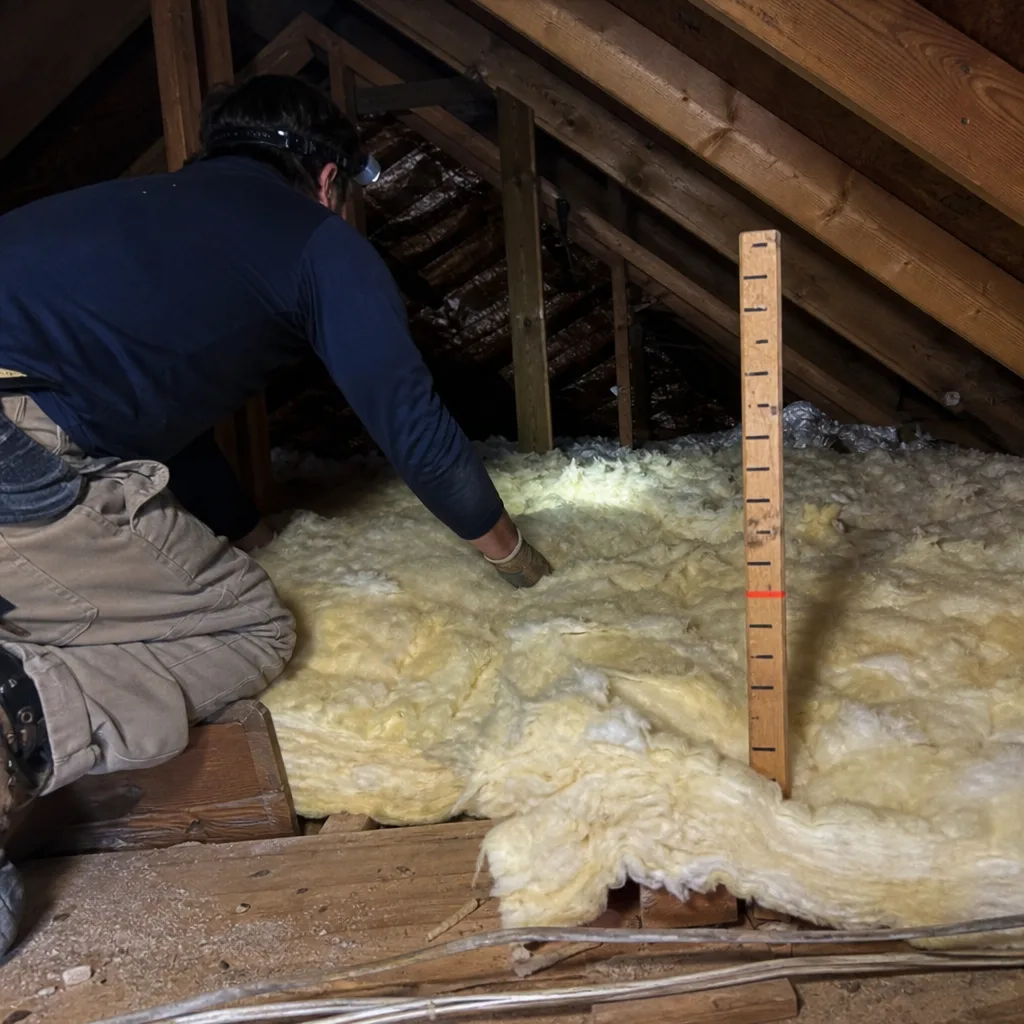
Blown-In Cellulose
We blow GreenFiber cellulose in Lakeway’s older resort-era homes where the original R-11 batts have compressed or where seasonal-use construction never accounted for Central Texas summer loads. Cellulose handles Lakeway’s attic temperatures well - it doesn’t slump the way fiberglass can when heat-cycled above 140°F - and it packs density into irregular joist bays better than batts ever could. In the 1970s cottages near the original lakefront coves, we regularly find daylight through top plates and recessed can lights; we seal those first, then blow cellulose to achieve consistent coverage without the thermal bridging that batts leave at every framing member.
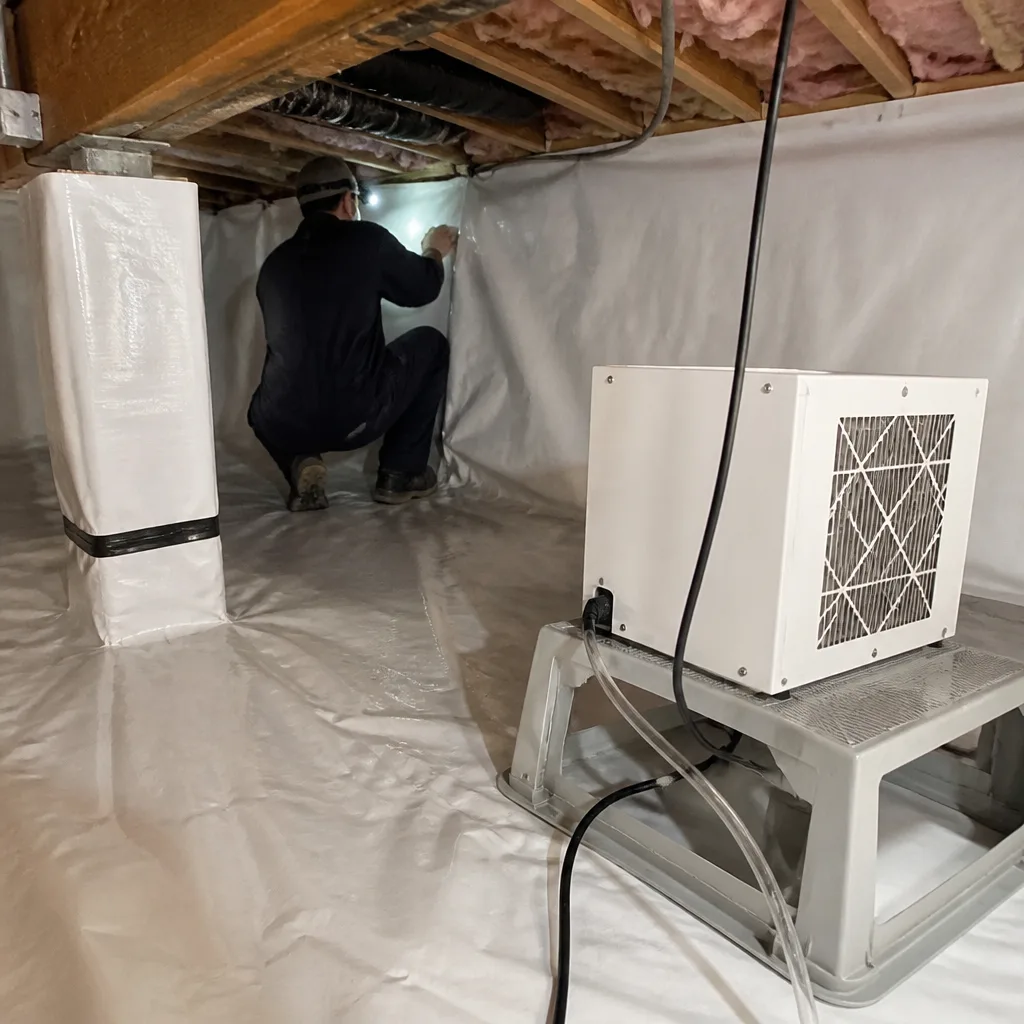
Blown-In Fiberglass
Blown-in fiberglass from Owens Corning works best in Lakeway’s newer homes with adequate existing air sealing and deeper joist bays that can hold the loft without compression. We use it for top-ups where the existing insulation is in decent shape but has settled below modern R-49 or R-60 levels, and where the attic floor is relatively flat and accessible. It’s not our first choice for the unsealed 1970s stock - fiberglass doesn’t stop air movement, and Lakeway’s lake-effect humidity will find any gap - but in a properly sealed attic, it’s cost-effective and fast to install.
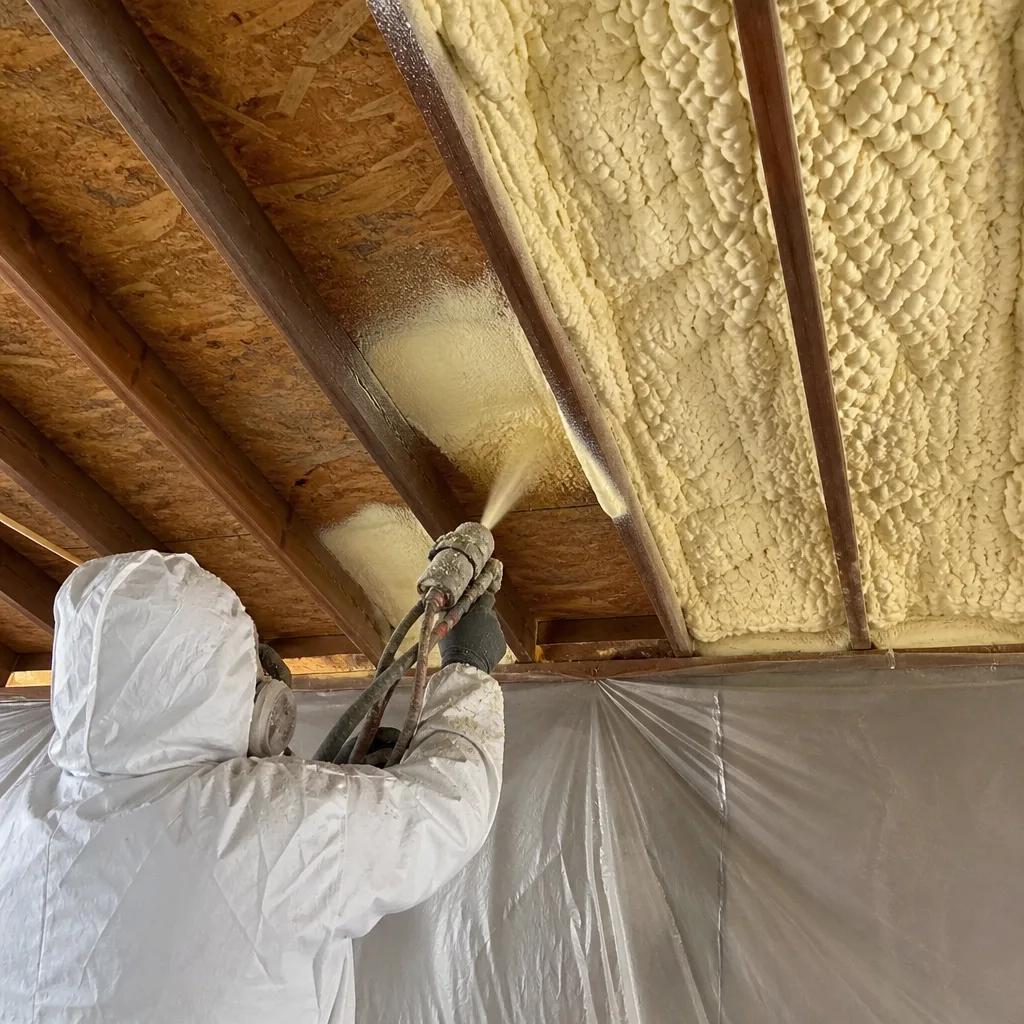
Dense-Pack Wall Insulation
The original Lakeway resort cottages were built with 2×4 walls and no insulation at all - just siding, sheathing, and drywall. Dense-pack cellulose fills those cavities at 3.5 to 4.0 pounds per cubic foot, creating an air-impermeable plug that slows both conductive heat loss and convective air looping. We drill access holes either from the exterior (matching Hill Country stone or stucco as closely as possible) or from the interior at baseboard and crown locations, then patch and paint. For homes on Lakeway’s hilly limestone lots where exterior access is difficult, interior dense-pack is often the only practical retrofit path.
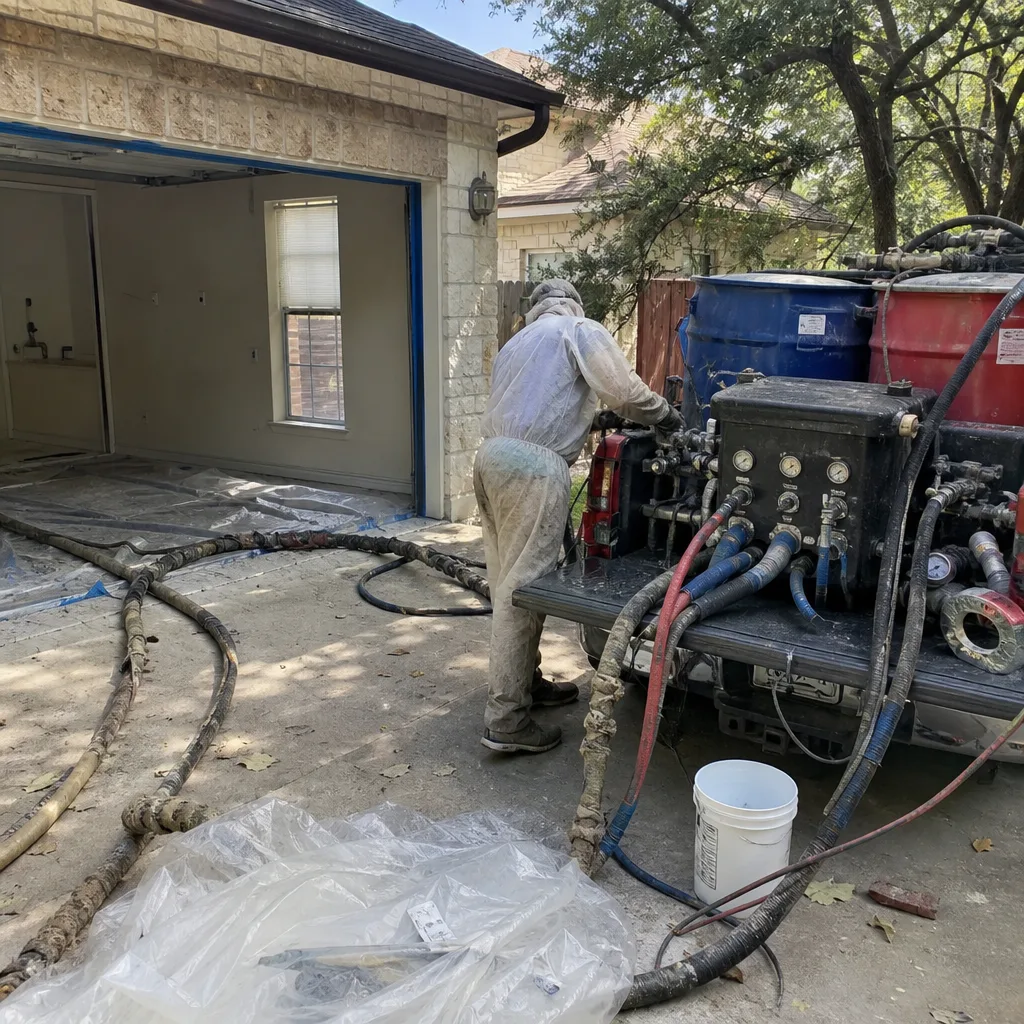
Blown-In Top-Up
This is our highest-volume service in Lakeway. The 1970s-80s vacation homes that now house full-time families almost always have some existing insulation - thin, compressed, poorly distributed, but present. A blown-in top-up adds cellulose or fiberglass over the existing layer after we air-seal the attic floor, bringing the assembly to current IECC levels without the cost of full removal. We recently topped up a 1974 resort-era cottage off the original lakefront coves near Lakeway’s first development - the attic held original R-11 batts with daylight showing through the top plates. We air-sealed the penetrations, then blew GreenFiber cellulose over the existing batts to bring the flat-ceiling sections up to modern R-values while leaving the vaulted great-room assembly for a closed-cell spray foam conversation. The homeowners called back after the first full July saying the second floor finally held setpoint without the AC running nonstop.
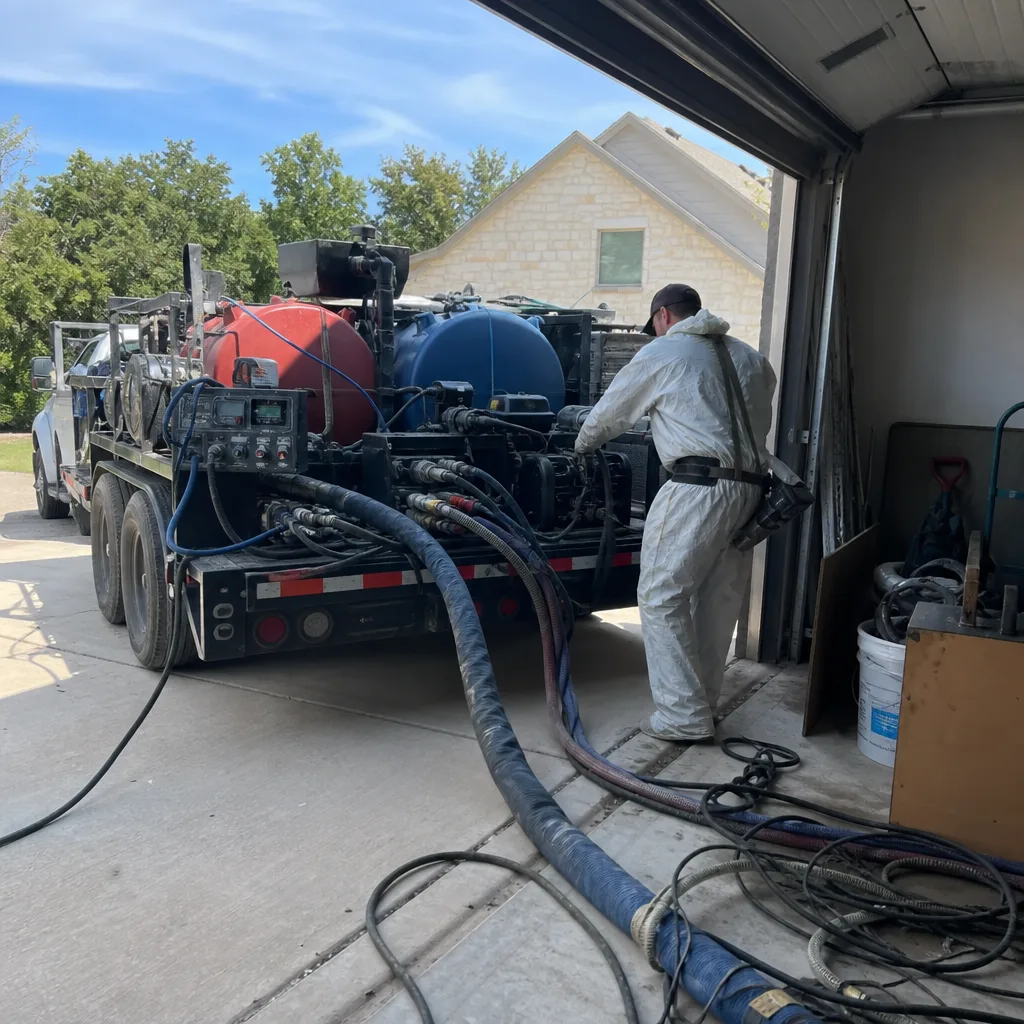
What happens when you call
- 1
A real person answersNo phone trees - you reach a local pro.
- 2
You get an upfront price rangeHonest numbers before anyone is dispatched.
- 3
A background-checked tech heads outLicensed & insured, dispatched right away.
- 4
You approve before work beginsNothing starts until you say go.
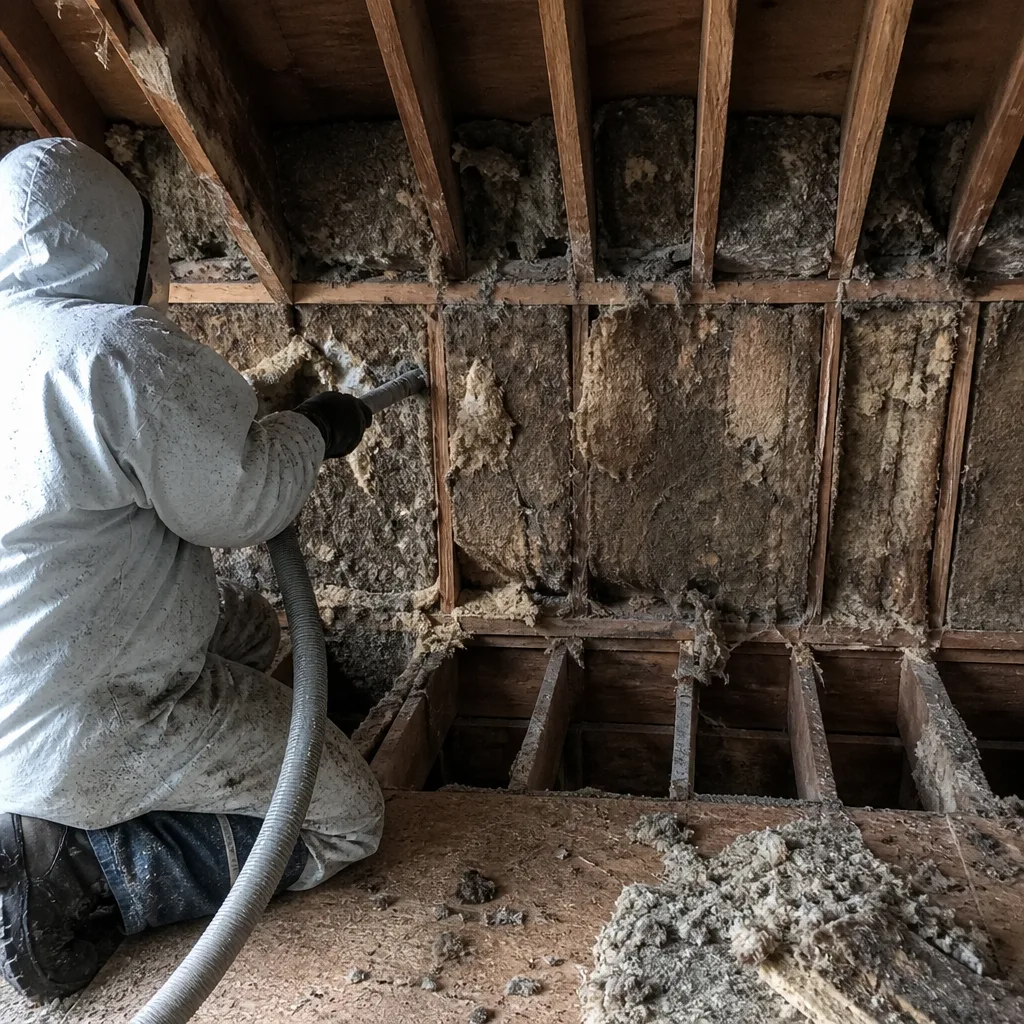 Before
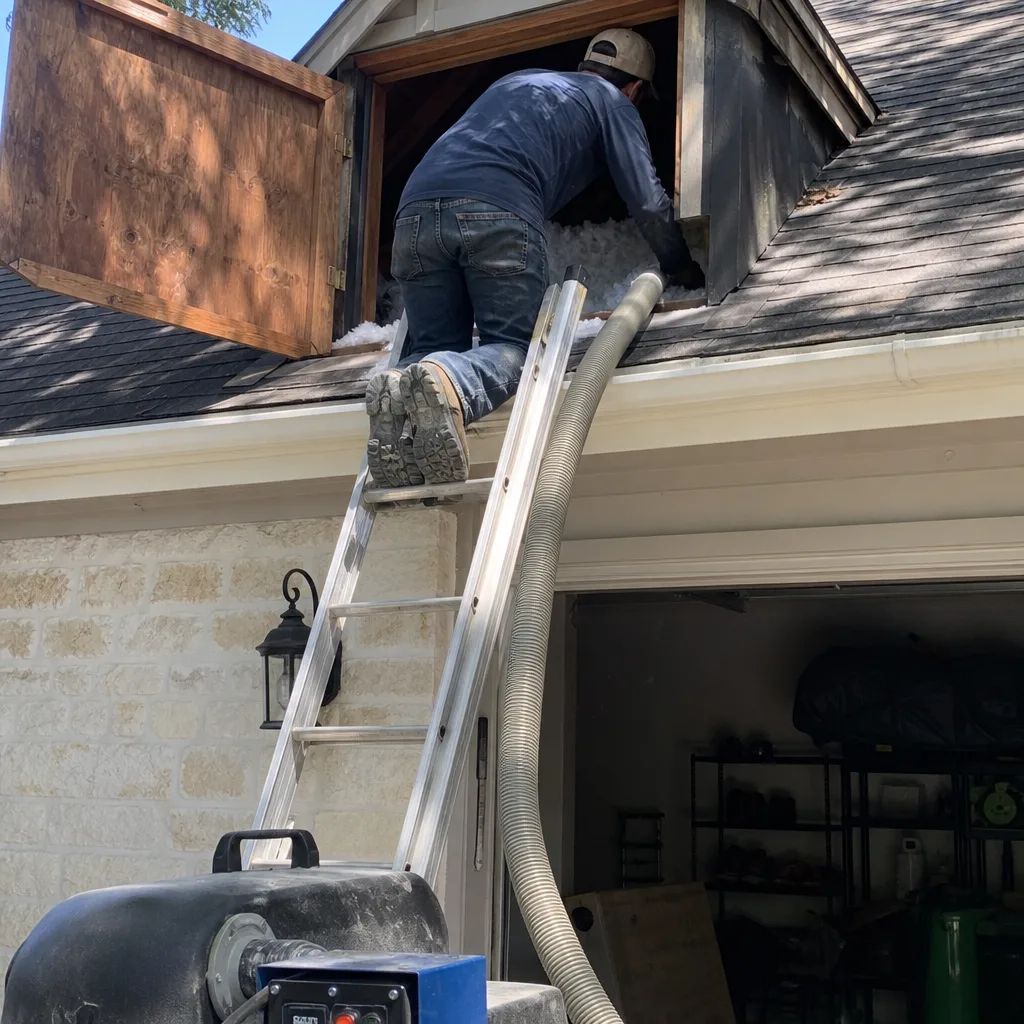 After
AfterTrusted Brands We Service in Lakeway
We stock and install materials from Owens Corning, Johns Manville, Knauf, Icynene, Demilec, and GreenFiber - no proprietary lock-in that limits your options or our recommendations. For Lakeway’s climate, we typically specify GreenFiber cellulose for unsealed older attics where density and air resistance matter, Owens Corning blown fiberglass for sealed attics needing a cost-effective top-up, and Icynene or Demilec closed-cell spray foam for the vaulted and cathedral assemblies that blown-in alone can’t handle. Our trucks carry inventory for common Lakeway job profiles, so we’re not waiting on a warehouse pull while your attic sits open.
Common Blown-In Insulation Problems We See in Lakeway Homes
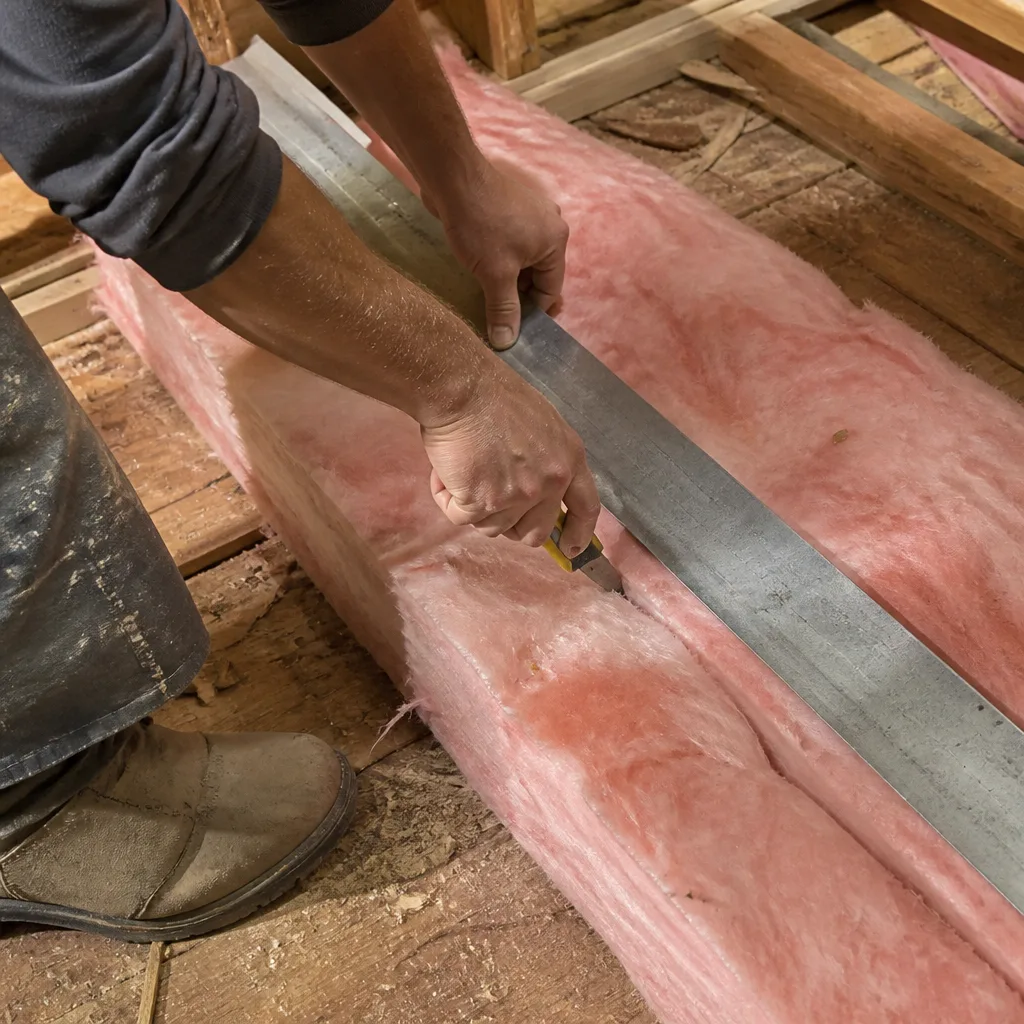
- Settled cellulose over unsealed top plates in 1970s resort cottages. Blown-in cellulose in Lakeway’s original vacation-era attics compresses and shifts where the original R-11 batts were never air-sealed, leaving top plates and recessed can lights as open thermal bridges that defeat the new insulation’s R-value.
- Vacuum gaps around HVAC chases in converted seasonal homes. The original builders never planned for full-time ducted systems; we regularly find flex duct and rigid chase penetrations cut through attic floors with no sealing, letting 140°F attic air and lake humidity migrate straight into conditioned space every summer afternoon.
- Thermal bridging in vaulted ceilings of post-1990s custom homes. Hill Country stone-and-stucco builds with soaring great-room ceilings create cathedral assemblies where only closed-cell spray foam reliably prevents thermal bridging and moisture intrusion; blown-in settles at the low points or leaves voids at the ridge.
- Moisture accumulation after lake-effect humidity spikes. Lakeway’s spring and fall humidity, combined with air-conditioned interiors pulling on any envelope leak, turns minor air-sealing gaps into condensation problems that stain drywall and degrade insulation performance within a single season.
Pricing for Blown-In Insulation in Lakeway, TX
Most blown-in insulation jobs in Lakeway fall into these ranges, based on attic square footage and whether air sealing is required first:
| Service | Typical Range |
|---|---|
| Blown-in cellulose top-up (sealed attic, 1,500-2,500 sq ft) | $1,800 - $3,200 |
| Blown-in cellulose with full air sealing (unsealed 1970s cottage) | $3,200 - $5,800 |
| Blown-in fiberglass top-up (sealed attic, 2,000-3,500 sq ft) | $2,100 - $3,800 |
| Dense-pack wall insulation (per 1,000 sq ft of wall area) | $2,400 - $4,200 |
| Blown-in top-up over existing (minimal prep, flat ceiling) | $1,400 - $2,600 |
What moves the number: attic accessibility (steep Lakeway limestone lots with tight side clearances add labor), existing insulation condition (removal and disposal runs $0.75-$1.25 per square foot additional), and whether the home has been air-sealed previously. Every estimate includes a blower-door test so we can quantify exactly how much conditioned air you’re losing before we propose a scope. Call (254) 970-2136 for your written price - estimates are free, and we offer a Free Second Opinion on any competing written estimate you bring us.
We Also Serve Cities Near Lakeway
Our crews run daily routes through Georgetown, Round Rock, Brushy Creek, and Leander - if you’re in one of those areas, our Lakeway scheduling team can route you with the same live-answer dispatch and written-price guarantee. For the full scope of our blown-in capabilities, see our Blown-In Insulation service hub.
Serving Lakeway, TX - Our Local Coverage Area
We’re based in the Lakeway area and know this community well. Use the map below to see our service coverage - if you’re nearby, we can almost certainly help.
FAQs - Blown-In Insulation in Lakeway
Yes, with the right sequence: air sealing first, then blown-in cellulose over any remaining batts. The original R-11 to R-13 fiberglass in these cottages was sized for occasional winter use, not full-time summer conditioning against 100°F+ Hill Country heat. We seal top plates, can lights, and penetrations, then blow cellulose to bring flat ceilings to R-49 or better. Call (254) 970-2136 for a written price and blower-door baseline - estimates are free.
Vaulted and cathedral-ceiling assemblies in post-1990s Hill Country stone-and-stucco homes can’t be reliably insulated with blown-in alone; the irregular rooflines and limited cavity depth create voids and thermal bridges that only closed-cell spray foam fills completely. Lakeway’s lake-effect humidity in spring and fall makes those gaps especially risky for condensation and moisture intrusion. We specify Demilec or Icynene closed-cell for these assemblies, and we’ll tell you upfront if your home falls in this category.
We find frozen pipe chases, ice-dam staining at eaves, and compressed or moisture-damaged insulation where warm interior air escaped through ceiling leaks and condensed against cold sheathing. The February 2021 storm exposed how severely under-insulated many Lakeway homes were; post-storm, we’ve retrofitted hundreds of attics that previously “got by” but failed catastrophically when temperatures held below 15°F for days. A blower-door test shows exactly where your heat escaped.
Yes - we pay particular attention to ceiling penetrations and HVAC chases where humid spring and fall air gets pulled into conditioned space by the stack effect and AC depressurization. Lakeway’s humidity spikes mean any air-sealing gap becomes a moisture migration path, not just an energy loss. We use blower-door-directed air sealing before blowing insulation, and we verify with a post-work test that the envelope holds pressure.
Yes, and it’s one of the most cost-effective upgrades for 1970s resort-era homes with 2×4 walls and empty cavities. We drill access holes, pack cellulose at dense-pack density (3.5-4.0 pounds per cubic foot), and patch to match your interior or exterior finish. For Lakeway cottages with Hill Country stone exteriors where exterior patching is visually critical, we often work from the interior at baseboard and crown locations instead. Call (254) 970-2136 to schedule a walkthrough and written scope.
Written by Wes Okafor, Owner at Topside Attic Insulation Georgetown, serving Lakeway since 2016 under The Haven Standard.