
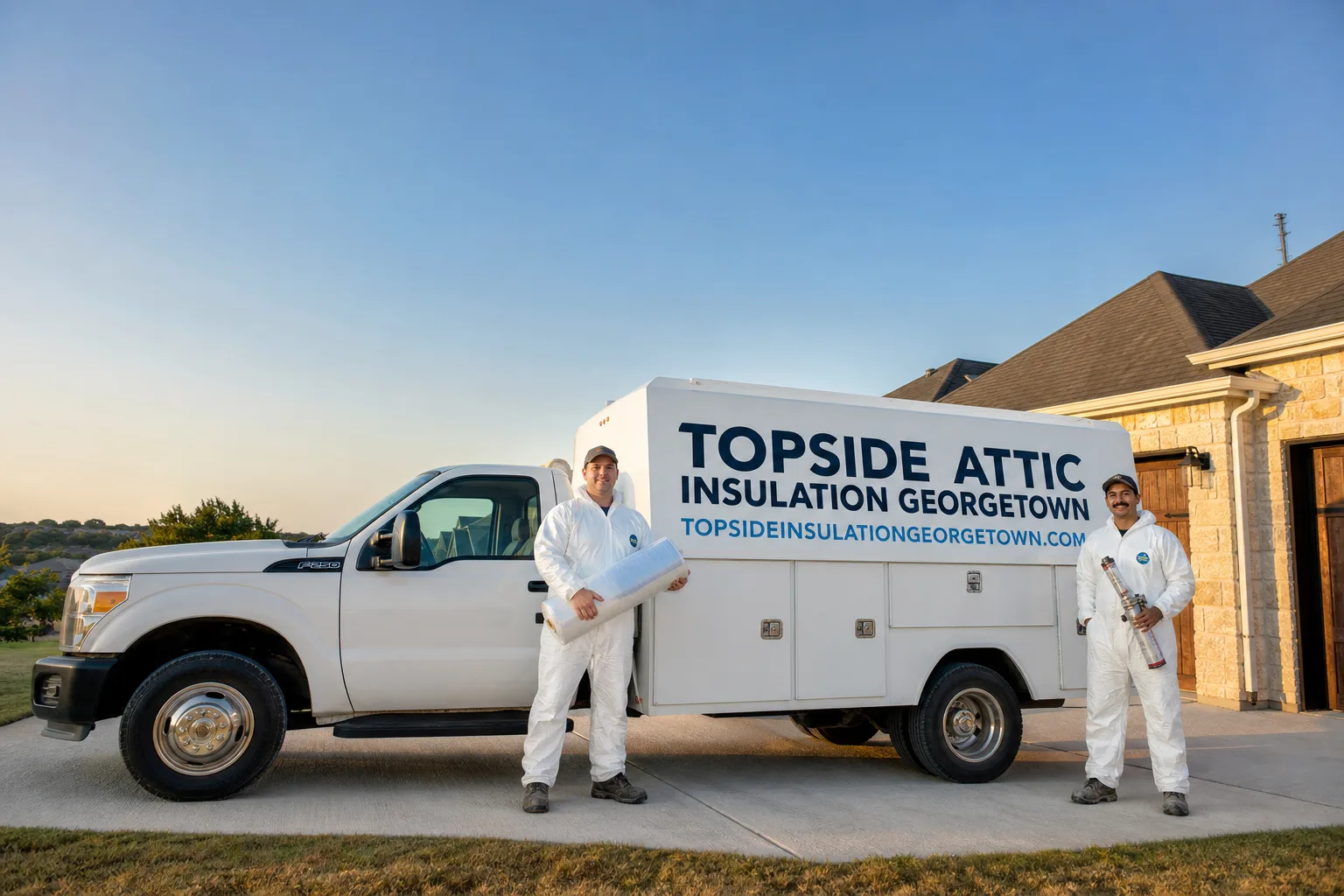
How Much Does Attic Insulation Cost in Georgetown?
Attic Insulation Near Me in Georgetown, TX typically runs between $1,400 and $3,800 for a standard single-story home, with most jobs landing around $1,900 to $2,600 once air sealing is included. The final number depends on your home’s square footage, current insulation condition, the material you choose, and whether old insulation needs to come out first.
That range holds for Georgetown’s market as of 2026 – homes in Sun City, Wolf Ranch, and Berry Creek tend to fall in the middle of that band, while older homes near the Georgetown Square or along Williams Drive can push higher if the attic floor has never been air-sealed and existing insulation is degraded. A free written estimate, delivered before any work starts, is the only honest way to pin down your specific number.
At Attic Insulation in Georgetown, we follow a sealed-first approach – air sealing is completed before any insulation is added, and every job closes with a blower-door test result and a documented photo record so you can verify what changed.
Attic Insulation Cost Breakdown (2026)
Most homeowners want a number before they call anyone. Here is what the Georgetown market actually looks like right now, broken down by job type and material.
| Job Type / Material | Typical Price Range (Georgetown, TX) | Notes |
|---|---|---|
| Blown-in fiberglass (1,000-1,500 sq ft attic floor) | $900 – $1,500 | R-38 to R-60; includes air sealing of top plates and penetrations |
| Blown-in fiberglass (1,500-2,500 sq ft attic floor) | $1,400 – $2,400 | Most common range for Georgetown suburban homes |
| Blown-in cellulose (1,000-2,500 sq ft) | $1,200 – $2,600 | Slightly higher material cost; excellent for older homes with gaps |
| Attic air sealing only (no insulation added) | $500 – $1,100 | Top plates, can lights, plumbing and electrical penetrations |
| Spray foam (closed-cell, unvented/conditioned attic) | $3,200 – $6,500+ | Roof deck application; used for conditioned attic conversions |
| Spray foam (open-cell, roof deck) | $2,400 – $4,800 | Lower R-value per inch; good vapor management in Central TX climate |
| Radiant barrier installation | $600 – $1,400 | Foil stapled to rafters; common pairing with blown-in in Georgetown |
| Old insulation removal (per 1,000 sq ft) | $700 – $1,400 | Required if existing insulation is rodent-contaminated or wet |
| Full attic package: removal + air seal + blown-in + radiant barrier | $3,200 – $5,500 | All-in price for a full reset on a 2,000-2,500 sq ft Georgetown home |
What Drives the Cost Up or Down
The biggest single variable is attic square footage – not your home’s living area, but the actual floor area of the attic itself. A two-story home in Wolf Ranch might have 1,100 square feet of attic floor; a sprawling single-story in Sun City can exceed 2,800. Every additional square foot is more material and more labor.
The second driver is condition. Georgetown’s heat – attic temperatures regularly exceed 140 degrees Fahrenheit in July and August – degrades older fiberglass batts faster than people expect. If we get up there and find settled, compressed, or rodent-contaminated insulation from the 1990s, removal adds cost but it’s not optional. Blowing new material over bad old material produces a worse result than the original installation.
Air sealing complexity is the third variable, and it’s the one most contractors don’t talk about because they skip it. Homes built before 2000 in the Georgetown Square neighborhood and along Southwestern Boulevard often have dozens of unsealed penetrations in the attic floor – old can lights, plumbing chases, HVAC boot gaps. Properly sealing those takes time. But a blower-door test – a pressurization reading that shows, in one number, how much air your building envelope was losing – will confirm that the time was worth spending.
What Affects Attic Insulation Pricing in Georgetown
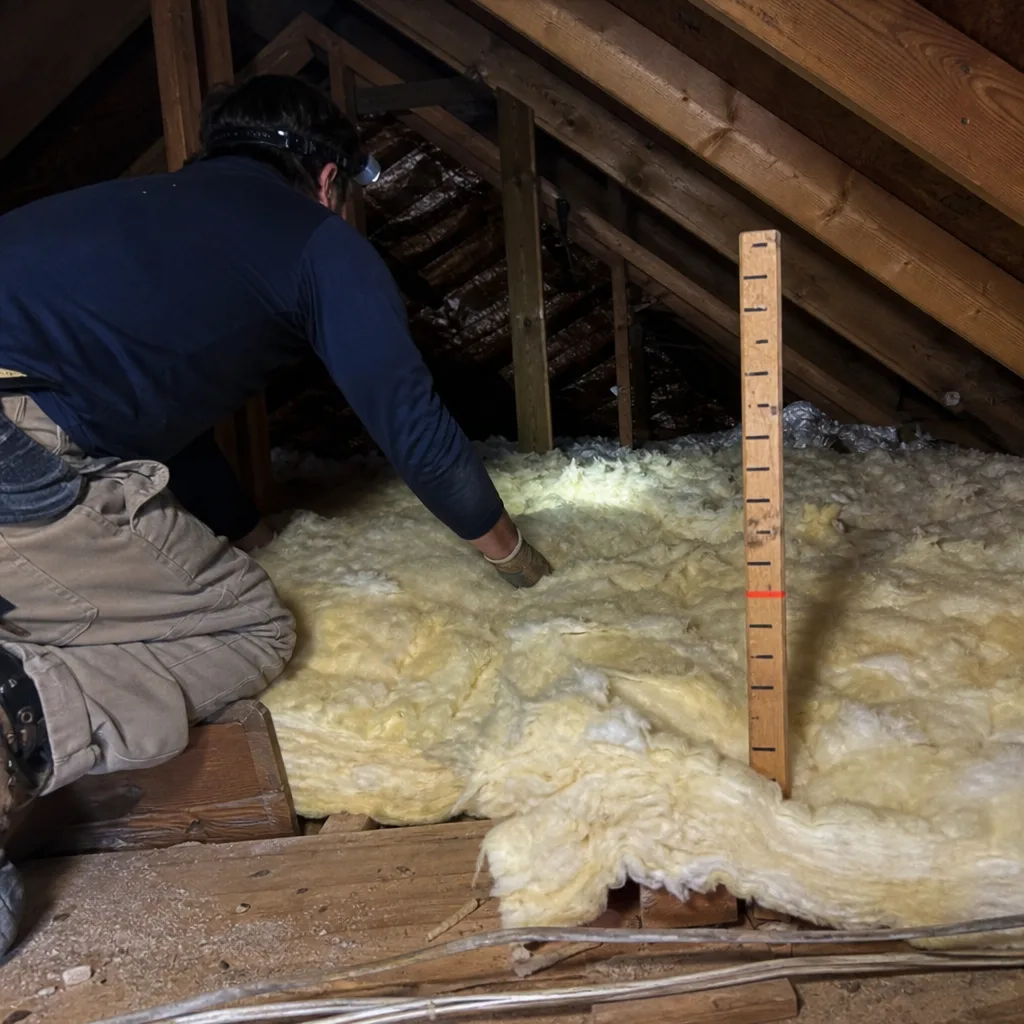
- Attic floor square footage. This is the primary cost driver – more square footage means more material and more labor hours. Georgetown’s newer neighborhoods like Teravista and Parkside on the River tend to have larger footprints than older in-town homes, and pricing reflects that directly.
- Current R-value and insulation condition. R-value is a measure of thermal resistance – higher is better. Texas Energy Code currently requires R-38 minimum in attics, but many Georgetown homes built before 2005 are sitting at R-11 or R-19. The gap between where you are and where you need to be determines how much material goes in. If existing insulation is wet, moldy, or rodent-damaged, full removal is required before anything new is added.
- Air sealing complexity. An attic with 40 recessed can lights, an HVAC plenum that runs through the ceiling, and open top plates around every interior wall is going to take four to five hours of air sealing before a single cubic foot of insulation is blown. Older Georgetown homes – particularly those built in the 1970s and 1980s on and around DB Wood Road – almost always fall into this category.
- Material choice. Blown-in fiberglass (from manufacturers like Owens Corning or Johns Manville) runs lower than blown-in cellulose (GreenFiber is a common brand). Spray foam from Icynene or Demilec costs more per square foot but changes the attic’s thermal boundary entirely, which is a different product performing a different function. The right material depends on your attic configuration, not just your budget.
- Access and attic conditions. A low-pitch attic with a single 22-by-30-inch hatch and no decking costs more in labor than a well-decked attic with a pull-down stair. Georgetown’s Central Texas summer heat also affects scheduling – attic work in July means shorter crew rotations, which affects job time.
- Add-ons: radiant barrier and ventilation. Georgetown’s high solar load makes radiant barrier foil a cost-effective pairing with blown-in insulation. It’s not insulation – it reflects radiant heat from the roof deck rather than slowing conduction – but it reduces the attic temperature the insulation has to manage. Pairing both in a single visit costs less than two separate jobs.
A Note on Georgetown’s Climate and Code
Georgetown sits in IECC Climate Zone 2A, which drives both the minimum insulation requirements and the material choices that perform best here. Zone 2A is hot and humid – humidity intrusion from the Gulf is real, particularly in summer months when attic ventilation draws moist exterior air across poorly sealed insulation. This is one reason closed-cell spray foam has gained traction in Georgetown for conditioned attic conversions: it handles both the thermal and vapor management problems in one material.
Texas doesn’t require a permit for most attic insulation additions, but it does require compliance with the Texas Energy Code on new construction and gut-rehab projects. If you’re doing a full Attic Insulation Replacement in Georgetown, the code minimum is R-38 for attic floors – though R-49 to R-60 is where the payback on energy savings tends to justify the additional material cost at current utility rates.
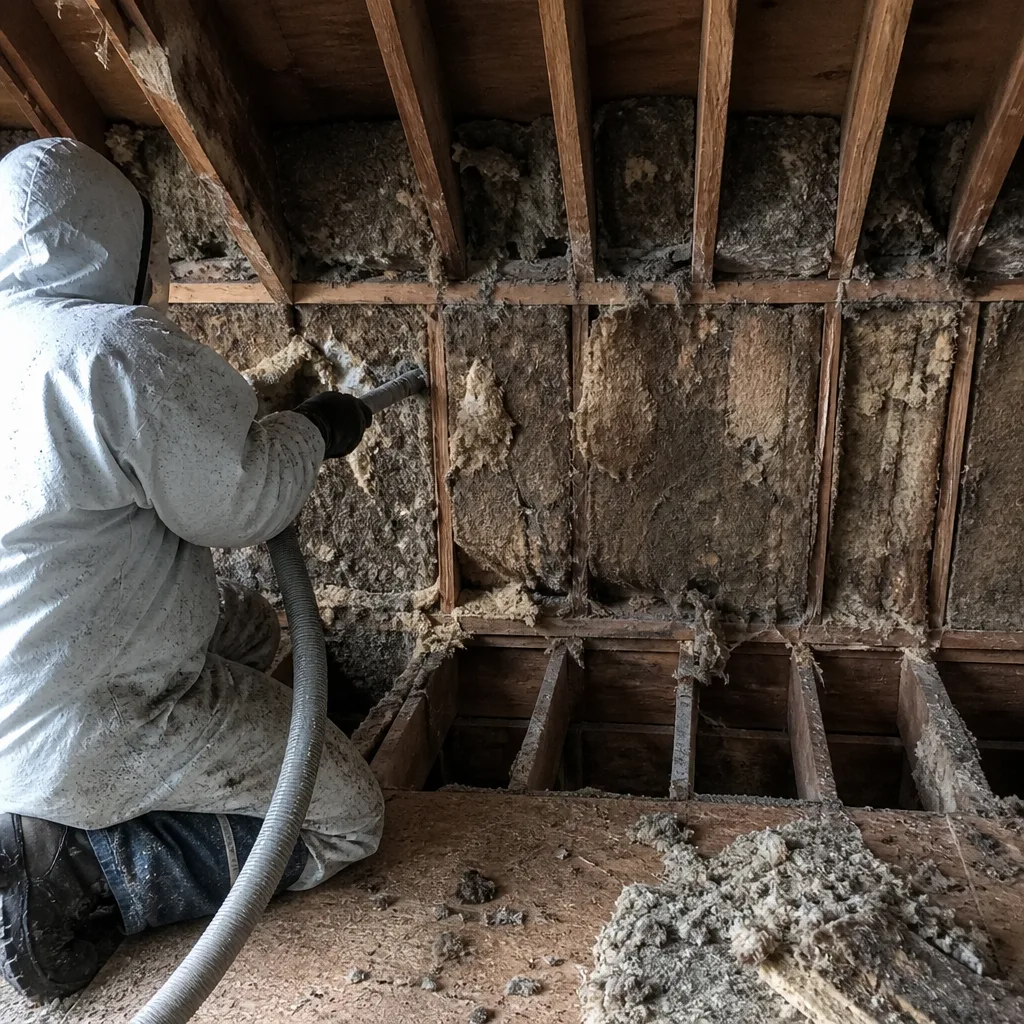 Before
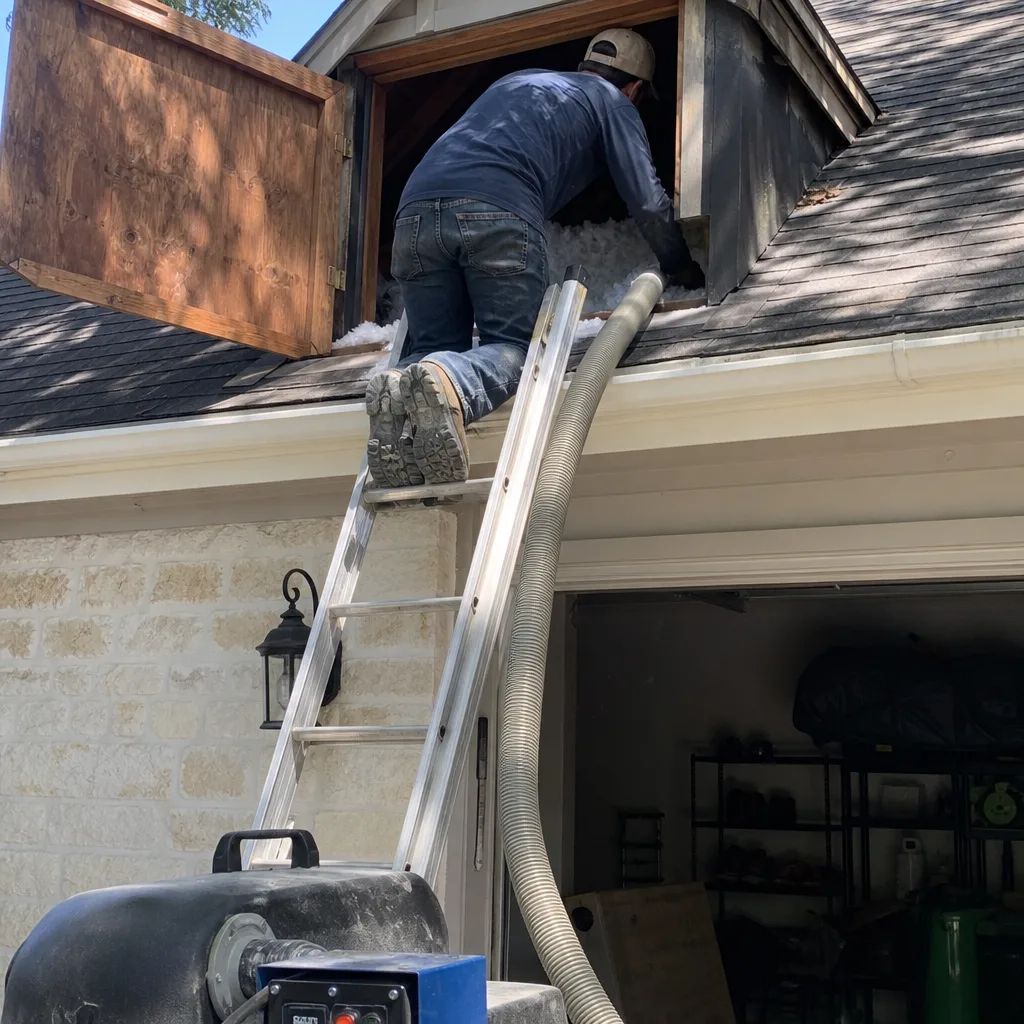 After
AfterHow to Save on Attic Insulation in Georgetown
There are real ways to reduce what you pay without reducing what you get. Here is what actually works in this market.
Get a written, itemized estimate – not a ballpark
A quote that says “insulation job, $2,200” tells you nothing about what’s included. A written scope that lists square footage, target R-value, air sealing locations, and material brand gives you something to compare. Under Haven Standard Clause 1, every estimate from Envelope Insulation Co. is delivered in writing, with a flat price, before anyone starts work. That’s not a policy we debate on a job-by-job basis – it’s how every job runs.
If you have a written estimate from another contractor, bring it. We offer a free second opinion on any written estimate and will read through it with you, line by line, so you understand what you’re being quoted for and what might be missing.
Schedule air sealing and insulation in one visit
In Georgetown, homeowners who separate these two jobs – sealing in one visit, insulating in a second – almost always pay more in combined labor than if both were done together. The air sealing work is completed first (that sequence is non-negotiable for us), but staging it as a single project with one mobilization keeps total cost down.
Pair insulation with radiant barrier if your roof is less than 10 years old
A radiant barrier stapled to the underside of the roof deck is inexpensive to install while a crew is already in the attic. In Georgetown’s summer climate, it measurably reduces attic temperatures – which extends the life of both your insulation and your HVAC equipment. If your roof deck is new (or in good shape), it’s a low-cost addition that pays back faster in this market than almost anywhere in Central Texas.
Check for utility rebates through Oncor or Georgetown Utility Systems
Georgetown Utility Systems (GUS) serves the electric accounts for homes inside city limits, and rebate programs have historically been available for attic insulation upgrades meeting minimum R-value thresholds. Oncor serves homes in surrounding Williamson County. Rebate availability changes year to year, so confirm current programs directly with your utility provider before signing any contract – we can’t guarantee rebate eligibility on your behalf, but we can document the materials and R-values in writing so you have what you need to apply.
Don’t skip removal when it’s needed
This sounds counterintuitive as a cost-saving tip, but blowing new insulation over deteriorated, settled, or contaminated old insulation is the most expensive mistake a homeowner makes – because the performance is poor from day one and the job has to be redone sooner. If removal is on the written scope, it’s there for a documented reason.
For a free written estimate on your Georgetown home, call us at (254) 970-2136. The estimate is itemized, flat-priced, and delivered before any work starts – no pressure, no expiration date.
Attic Insulation Cost FAQs – Georgetown, TX
How much does attic insulation cost for a 2,000-square-foot home in Georgetown?
For a typical 2,000-square-foot single-story home in Georgetown – which usually has an attic floor area of around 1,800 to 2,100 square feet – expect to pay $1,800 to $2,800 for blown-in fiberglass to R-49, including air sealing of top plates and penetrations. If old insulation needs to come out first, add $1,200 to $1,600. A full reset – removal, air seal, blown-in, and radiant barrier – runs $3,500 to $4,800 for a home that size in this market. Call (254) 970-2136 for a written estimate specific to your home’s attic configuration.
Is it cheaper to repair or replace attic insulation in Georgetown?
Attic Insulation Top-Up - adding blown-in material on top of existing insulation that is structurally intact - costs roughly $800 to $1,600 for most Georgetown homes – significantly less than full removal and replacement. But “cheaper” depends on what the existing insulation looks like. If it’s compressed to half its original depth, contaminated by rodents, or waterlogged from a roof leak, adding material on top produces a poor result that you’ll pay to fix again within a few years. A photo assessment of the existing insulation – which we document on every initial visit – tells you which situation you’re in before any money changes hands.
How much does attic air sealing add to the cost of an insulation job in Georgetown?
Air sealing typically adds $500 to $1,100 to an insulation project, depending on how many penetrations the attic floor has. For context: a Georgetown home built in the 1990s with 20 recessed can lights, an open HVAC platform, and unsealed wall-top plates can lose the equivalent of a 4-square-foot hole’s worth of conditioned air. A blower-door test before and after sealing – the pressurization measurement that shows exactly how much air the envelope was losing – puts a number on that reduction. We publish those before-and-after readings on every applicable job. Some contractors skip air sealing to keep the quote low; we don’t insulate until sealing is done, because the sequence affects the result.
How long does attic insulation last in Georgetown’s climate?
Blown-in fiberglass from brands like Owens Corning or Knauf is rated to maintain R-value performance for 20 to 30 years under normal conditions. In Georgetown, “normal conditions” includes attic temperatures that regularly exceed 140 degrees Fahrenheit in summer and occasional humidity spikes during Gulf moisture events. The biggest threats to insulation longevity here are moisture intrusion from air leaks (which is why air sealing matters) and pest activity – mice and squirrels can collapse and contaminate a section of blown-in material in a single nesting season. Our documented photo record on every visit means there’s a baseline on file if something changes years later.
Can I get an exact price before the crew shows up?
Yes – and that is not optional. Under Haven Standard Clause 1, Envelope Insulation Co. delivers a written, flat price and a written scope before any work starts. There are no “we’ll know more when we get up there” adjustments after the crew arrives. The assessment visit is where we determine exactly what the attic requires – square footage, existing R-value, air sealing scope, access conditions – and the written price reflects that. The 365-Day Done Right Promise is also in writing: if the work isn’t right, we make it right. Call (254) 970-2136 to schedule the assessment, and the written estimate follows before any decision is required.
What the Work Looks Like – From Assessment to Close
Understanding the process helps you evaluate any quote you receive, not just ours.
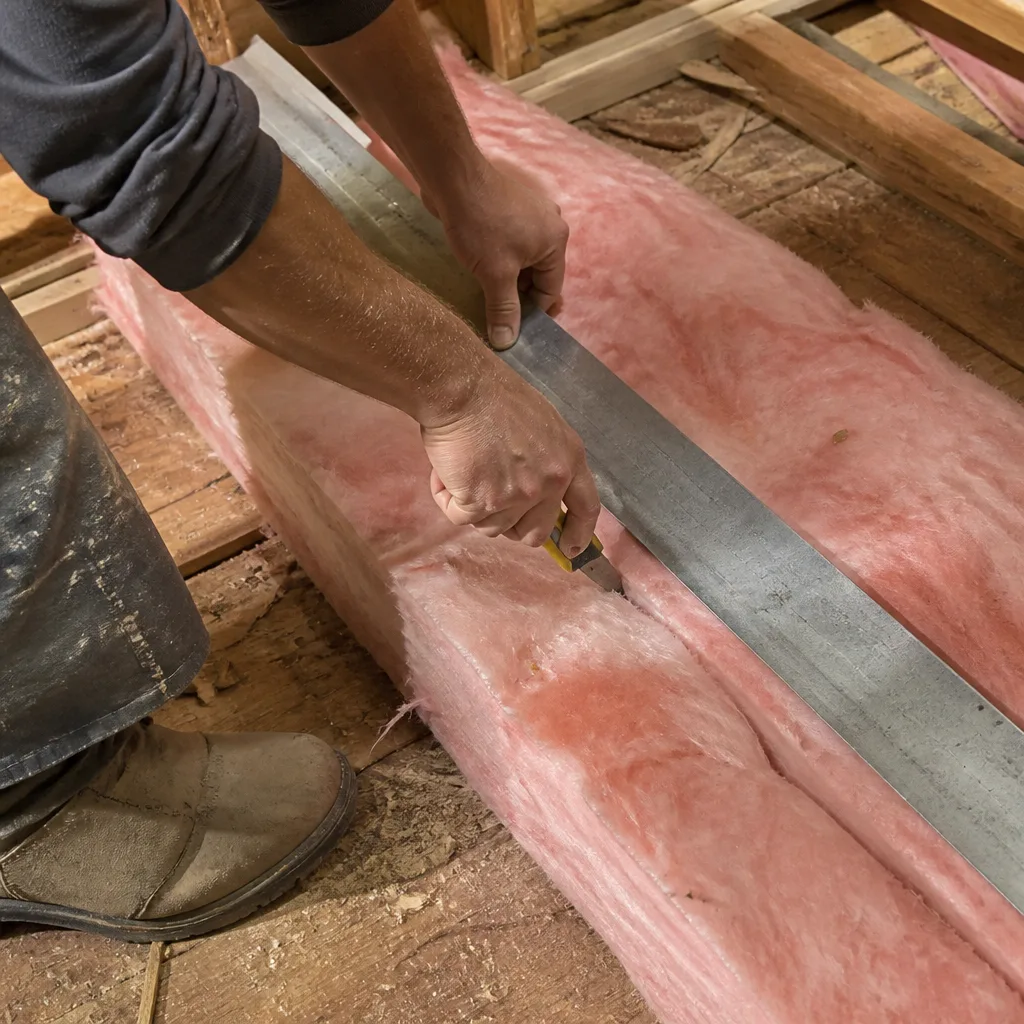
The assessment starts at the attic hatch. We measure the actual attic floor area (not your home’s square footage), document existing insulation depth and condition with photos, check soffit and ridge ventilation, and identify every penetration in the attic floor that needs to be sealed – can lights, plumbing chases, HVAC boots, wall top plates, electrical junction boxes. That photo record is yours regardless of whether you hire us.
If we’re doing the job, air sealing comes first. We use low-expansion spray foam and fire-rated caulk on penetrations, and intumescent caulk around any can lights that aren’t IC-rated. Top plates – the horizontal framing members at the top of interior walls – are sealed with fire-rated foam before a single bag of insulation is blown. In Georgetown homes built before 1995, this step alone can take two to three hours in an average attic.
Insulation goes in after sealing is complete and the foam has cured. We document the final depth at multiple points across the attic floor so the R-value is verifiable, not assumed. The blower-door test runs before we leave on applicable jobs – the before and after readings are in your close-out documentation.
You walk away with: a written scope, a written warranty, a photo record of the work, and (where applicable) before-and-after blower-door numbers. That’s what “leaving looks like” before we arrive.
Georgetown Neighborhoods We Serve
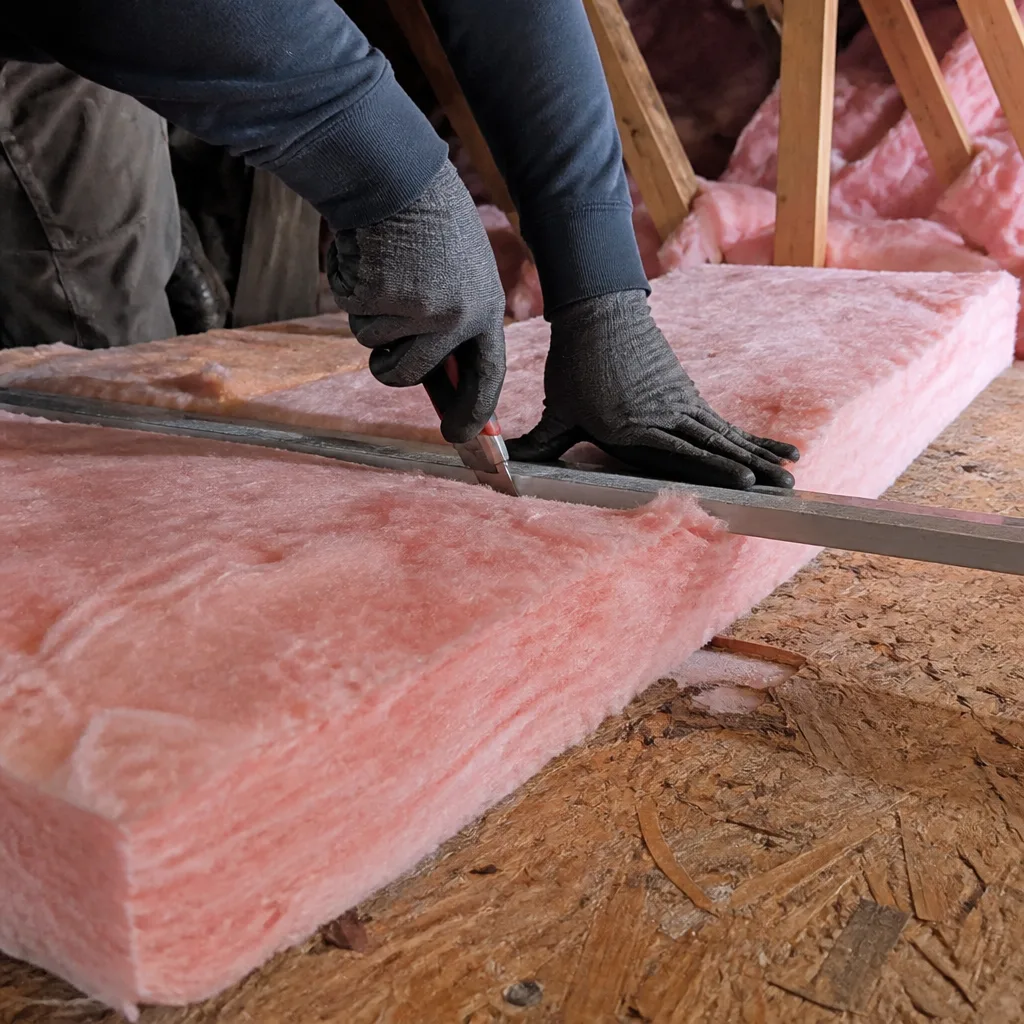
Georgetown’s housing stock varies considerably by neighborhood, and that variation affects both what jobs typically involve and what they cost. Here is what we see most often.
- Sun City Georgetown: Active adult community with homes built primarily from 1995 to 2015. Most have original blown-in fiberglass that has settled and needs topping up or full replacement, plus unsealed can lights from pre-2010 construction standards. Jobs here typically run $1,600 to $2,400.
- Wolf Ranch: Newer construction (2015-present) with builder-grade insulation that often meets minimum code but underperforms relative to the home’s footprint. Air sealing is typically less complex here, which holds costs lower – $1,400 to $2,000 for most homes.
- Berry Creek: Larger custom homes on larger lots; attic floor areas of 2,500 square feet or more are common. Jobs here run $2,400 to $4,500 depending on scope.
- Teravista: Mid-2000s construction with a mix of original fiberglass batts and some blown-in. Pest activity (particularly squirrels) is higher than average in this area. Inspection and possible removal is worth confirming in the assessment.
- Georgetown Square and historic in-town neighborhoods: Pre-1980 homes with the most complex air sealing profiles – open wall cavities, knob-and-tube legacy wiring concerns, and attic configurations that don’t match modern framing. These jobs take longer and cost more, but the performance gap they close is also the largest.
- Serenada and Cimarron Hills: Larger lot communities with 1990s and early 2000s construction. Standard blown-in plus air sealing scopes; most jobs fall between $1,700 and $2,800.
If your neighborhood isn’t listed, that doesn’t change anything about how we quote. The written price reflects your specific attic – not a neighborhood average. Explore our service pages through the home page for the full scope of what we cover across the building envelope.
Why the Sequence Matters – Air Seal Before Insulation, Every Time
This is worth spelling out plainly because most insulation quotes you receive won’t mention air sealing at all.
Attic insulation slows heat transfer by conduction – the movement of heat through a material. It does not stop air movement. If your attic floor has gaps around can lights, plumbing penetrations, or wall top plates, conditioned air from your living space will continue moving through those gaps regardless of how much insulation is above them. In a Georgetown summer, that means your HVAC system is actively pressurizing the attic with cooled air through every gap in the floor – which then bleeds out through soffit vents and is replaced by 140-degree attic air drawn back in through unsealed pathways.
The blower-door test – a calibrated fan mounted in an exterior door that depressurizes the house to 50 pascals and measures airflow in cubic feet per minute (CFM50) – puts a single number on how much air the envelope is losing. We run it before air sealing and after. The difference between those two numbers is what air sealing actually accomplished. We publish both numbers in your close-out documentation because the documentation is the evidence, and evidence is what you paid for.
Envelope Insulation Co. has completed this process on more than 9,000 homes since 2016. Wes Okafor leads the team, and the sealed-first sequence has been the standard on every job we’ve done – not because it’s the easiest sell, but because it’s the only sequence that produces a verifiable result.
Key Takeaways
- Most Georgetown attic insulation jobs run $1,400 to $3,800, with the typical single-story home landing between $1,900 and $2,600 when air sealing is included.
- Attic floor square footage, existing insulation condition, and air sealing complexity are the three biggest cost variables in this market.
- Air sealing is not an upsell – it’s completed before any insulation is added, and a blower-door test documents the result.
- A written, flat-priced estimate with a written scope is delivered before any work starts. No exceptions.
- The 365-Day Done Right Promise applies in writing to every completed job.
- Radiant barrier is a cost-effective pairing with blown-in insulation in Georgetown’s high-solar-load climate.
- Check current rebate availability with Georgetown Utility Systems or Oncor before signing any contract.
Get a Written Estimate for Your Georgetown Home
If you want to know what our Attic Insulation services will cost – in dollars, in writing, before anyone touches anything – call (254) 970-2136. Wes Okafor and the team at Topside Attic Insulation Georgetown will schedule an assessment, document what we find, and deliver a flat-priced written scope before any decision is required. The estimate is free. The price is in writing. The 365-Day Done Right Promise covers the work once it’s done.
There’s no voicemail loop. A live person answers.
Pricing reflects the Georgetown, TX market as of 2026. Topside Attic Insulation Georgetown offers free written estimates – call (254) 970-2136.
Written by Wes Okafor, Owner at Envelope Insulation Co., serving Georgetown, TX since 2016.
What Our Customers Say
"They air-sealed the attic floor before insulating and showed me the blower-door number before and after. The upstairs is finally the same temperature as downstairs."
- Marisol D."They photographed rodent damage in the old insulation that we had no idea about, and priced the exclusion work separately so we could decide."
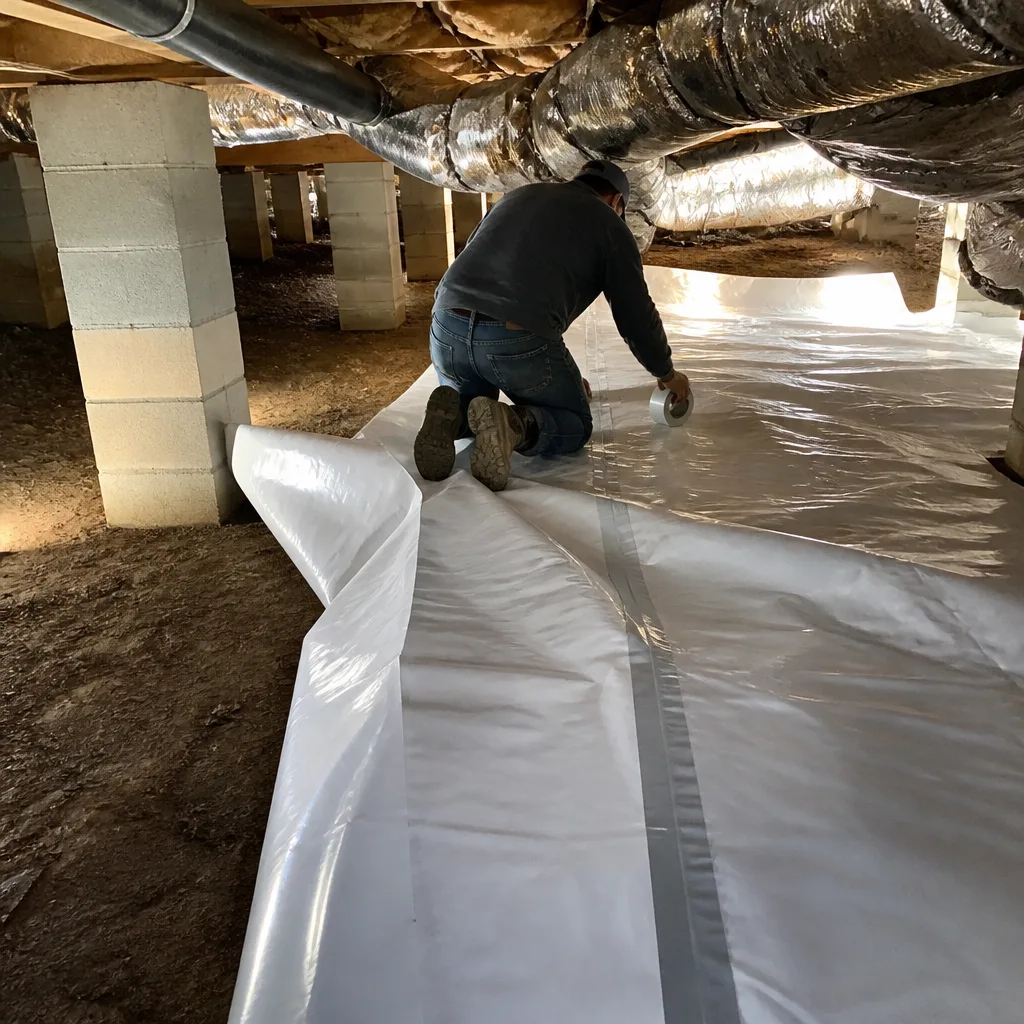
- Harriet N."Crawl space encapsulation done properly. Photographs of the vapour barrier at every seam, and the damp smell in the hallway is gone."
- Ainsley P.