
GreenFiber Attic Insulation: The Georgetown Owner’s Guide
We stock and install GreenFiber-compatible blown-in cellulose attic insulation in Georgetown, with most residential retrofits running between $1.80 and $2.40 per square foot installed, including air sealing and the Documented Photo Record. Same-day installation is available when we have your square footage and access details by 10 a.m. Most Georgetown homeowners discover their GreenFiber insulation has failed when upstairs rooms won’t cool below 78°F in July, or when they find gray cellulose dust settling on ceiling registers, a sign the material has degraded or the attic was never properly sealed underneath it.
Which GreenFiber Models This Applies To
GreenFiber manufactures loose-fill cellulose under two product lines relevant to Georgetown attics: Sanctuary (the stabilized cellulose treated with borate fire retardant, common in builds from 2010-2020) and All Borate (the higher-density option, often spec’d for 2×10 ceiling joist bays in homes near the San Gabriel River corridor where humidity runs higher). The bag label, not the receipt, is what matters. Look for the GreenFiber logo and a density rating: Sanctuary runs roughly 1.6 lbs per cubic foot settled, All Borate closer to 2.3 lbs. We’ve found some Georgetown homeowners with 2015-2018 builds were sold “GreenFiber” but received unstabilized generic cellulose that settles to half its labeled R-value within five Texas summers.
We are an independent insulation contractor, not affiliated with GreenFiber. We source GreenFiber through regional distributors, and we also stock Johns Manville, Owens Corning, and Rockwool equivalents. For most Georgetown retrofits, we recommend staying with cellulose if your existing material is borate-treated and dry; switching to fiberglass or mineral wool only makes sense if you’ve had prior moisture intrusion or rodent activity. One compatibility gotcha: GreenFiber Sanctuary bags manufactured before 2019 used a different fiber length that doesn’t blend cleanly with current stock. If you’re topping off, we match lot dates or remove the old layer entirely to avoid stratification, which creates thermal bridges exactly where you don’t want them.
Signs Your GreenFiber Attic Insulation Is Failing
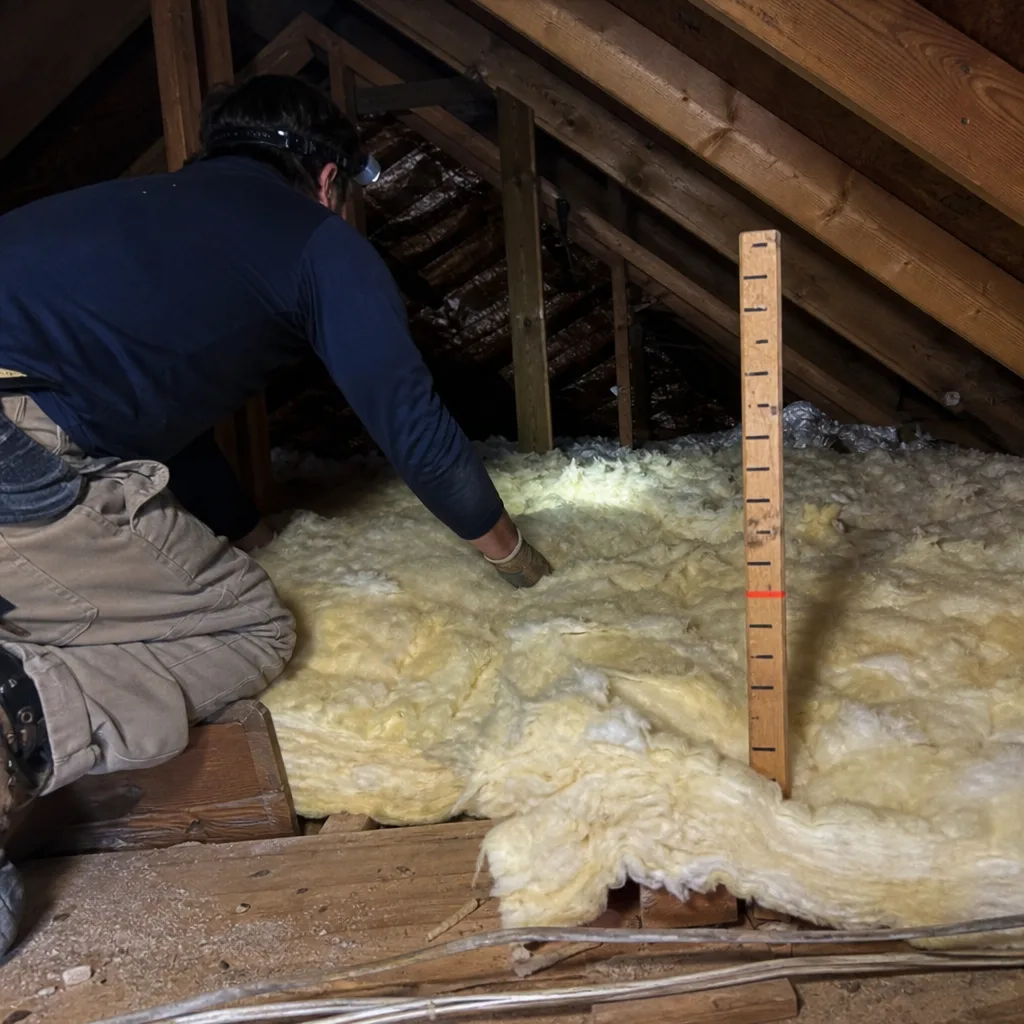
- Uneven temperature distribution. The master bedroom runs 8-12 degrees hotter than the hallway thermostat. This usually means the GreenFiber has settled away from the eaves or was never dammed properly at the soffit vents, creating a thermal bypass we can spot in minutes with a thermal imager.
- Visible dust at ceiling registers. Fine gray particles on vent louvers or furniture below attic duct runs. Cellulose breakdown isn’t normal; it indicates either a roof leak that wetted the material, or disturbed insulation from a cable installer or HVAC tech who walked through it without replacing what they compressed.
- Ice damming or heavy icicles in winter. Even Georgetown’s brief cold snaps can form ice dams if the GreenFiber was blown over unsealed top plates. Warm air leaks through the framing, melts roof snow, and refreezes at the eave. The insulation isn’t the primary failure; the air sealing underneath is, and adding more cellulose without sealing first makes it worse.
- Energy bills climbing year-over-year with no rate change. We see this in Sun City Georgetown homes where the original 2016-2018 GreenFiber install has settled from R-38 to an effective R-22. The material didn’t disappear; it compacted, and the thermal resistance per inch dropped because the fibers lost loft.
- Animal activity or odor from the attic hatch. Cellulose is treated with borate, which deters insects and mold but doesn’t stop rodents from nesting. Once contaminated, partial removal is rarely worth the labor; we pull the affected bays, sanitize, rodent-proof with steel mesh at penetration points, and reinstall.
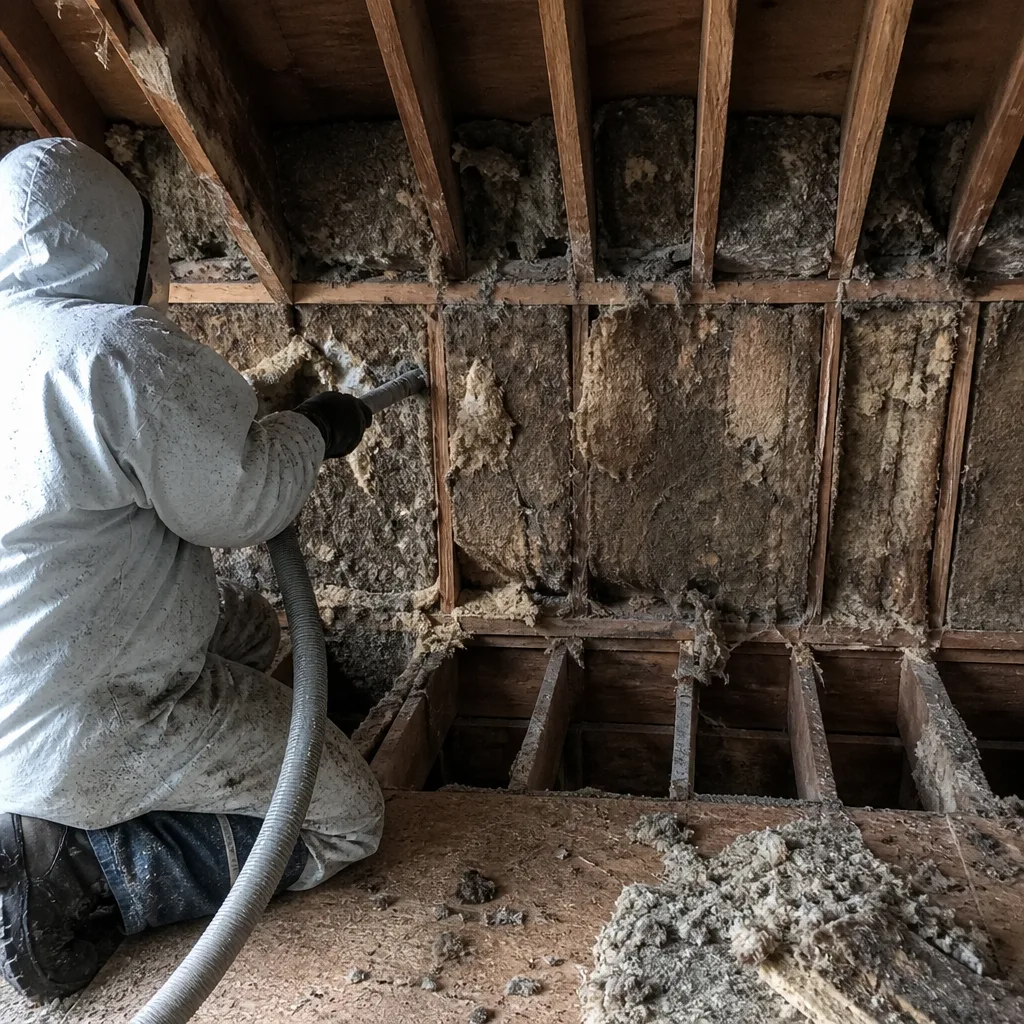 Before
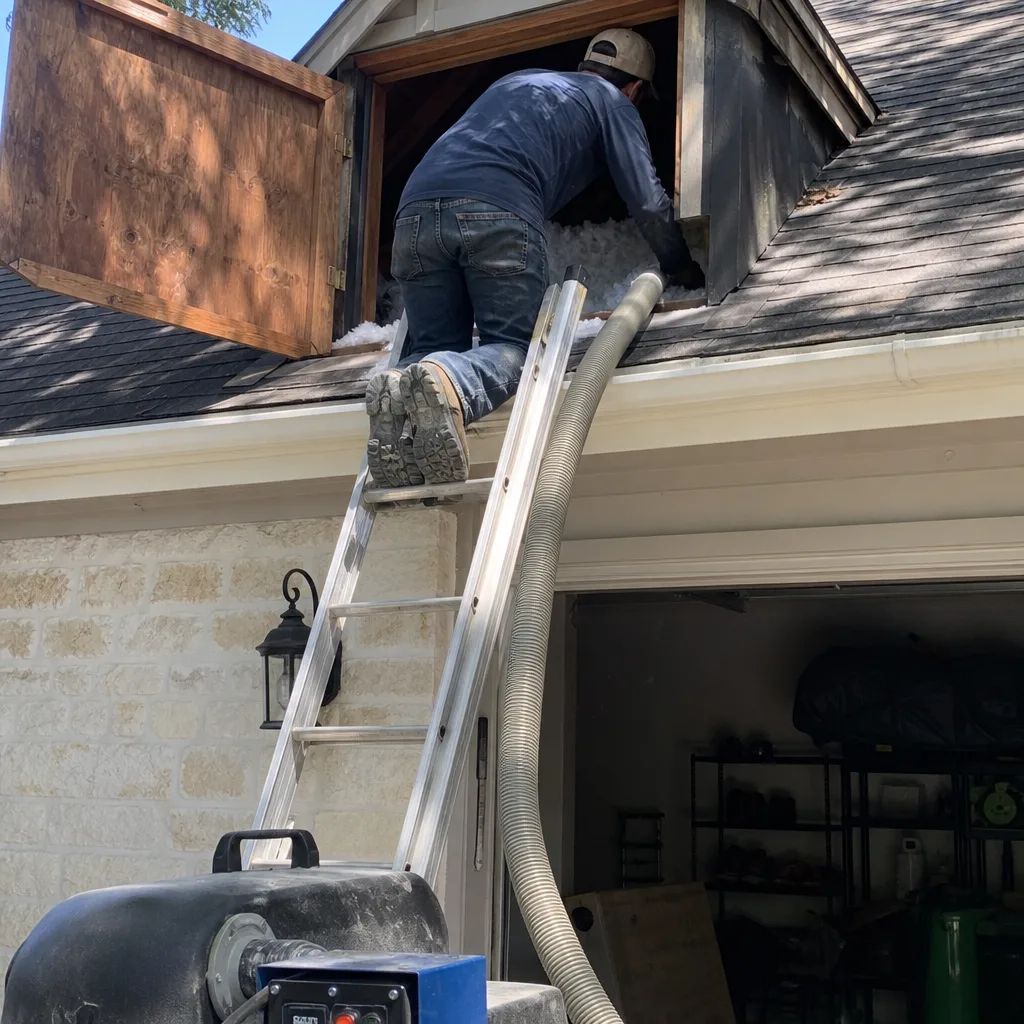 After
AfterReplacement Cost & What’s Included
For a typical Georgetown single-story home of 1,800-2,400 square feet with attic access via a standard hatch, complete GreenFiber removal and replacement with fresh cellulose runs between $3,200 and $5,800. Top-off installations, where existing material is tested for moisture and density and remains in place, range from $1,600 to $3,400. What drives the spread: attic square footage, current R-value depth, whether we need to build storage platforms or light dams, and the extent of air sealing required before any new material goes in.
Every quote includes the written scope, the written warranty, and the Documented Photo Record. On applicable jobs, we run the blower-door test before and after, a pressurization reading that shows, in one number, how much conditioned air your building envelope was losing. Under Haven Standard Clause 1, you get the flat written price before anyone lifts a tool. The 365-Day Done Right Promise covers all completed work. We do not charge separately for the photo record or the second blower-door reading; both are included because without them, neither of us knows what actually changed.
DIY or Call Us?
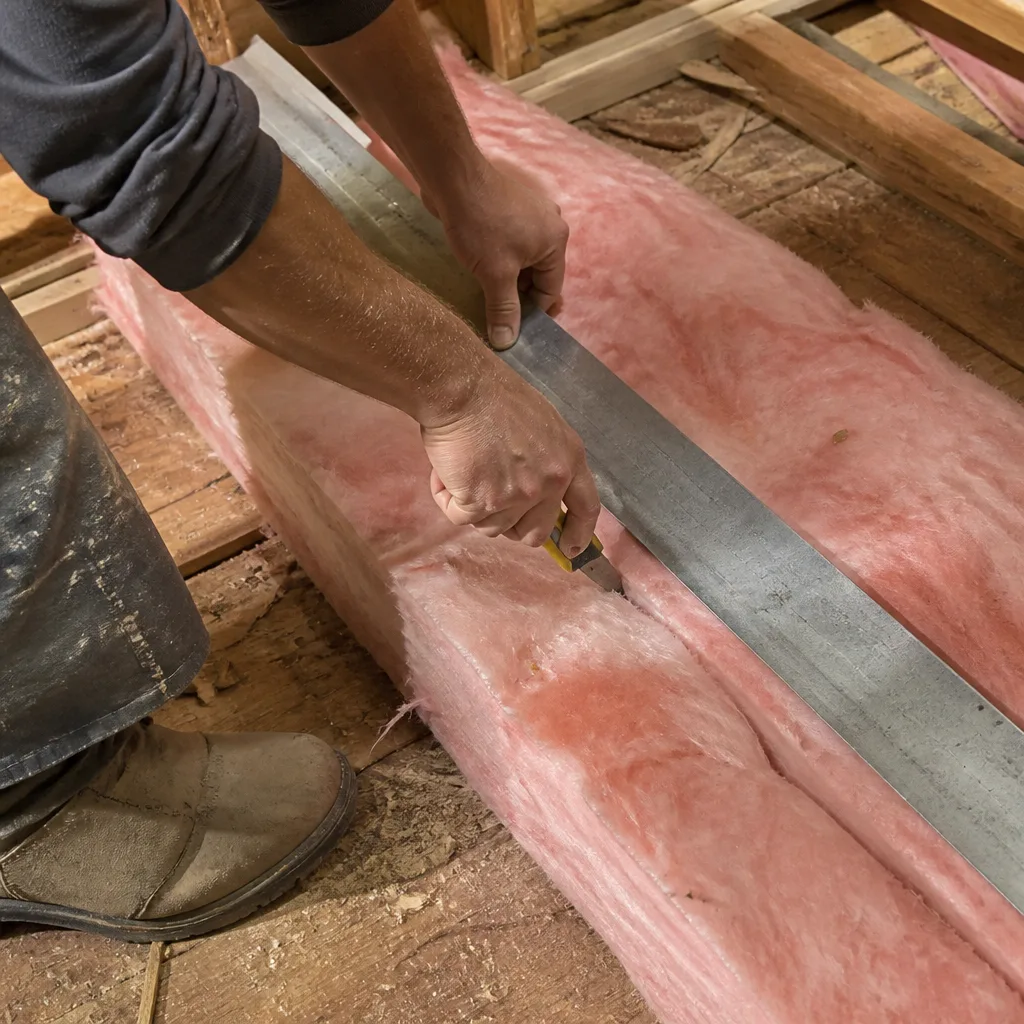
There is no high-tension spring or live electrical component in cellulose insulation itself, but the attic environment creates its own hazards. Georgetown attics in August run 140°F and higher, hot enough to make judgment unreliable. If you want to assess your situation safely, check the attic hatch for visible settling, note any water stains on the rafters or roof deck, and photograph the bag labels if you can find them. Do not disturb the material if you suspect rodent contamination without a respirator rated for fine particulates.
Where DIY goes wrong: most homeowners who rent a blower from a big-box store blow new cellulose over unsealed penetrations, which is like pouring water into a bucket with holes in the bottom. The GreenFiber performs to spec only when the attic floor is a continuous air barrier. We also see compressed insulation around can lights and HVAC platforms where someone walked the joists without a plank, permanently reducing R-value in those spots. If you’re considering the rental route, call us for a Free Second Opinion on your plan. We’ll read it with you, no charge, and if the math works for DIY, we’ll say so. Call (254) 970-2136.
FAQs
Borate-treated cellulose should maintain its labeled R-value for 20-30 years in a dry, sealed attic. In Georgetown’s climate, the bigger threat is roof leaks or unsealed air leaks that allow humid conditioned air to hit cold roof decking in winter, causing condensation that degrades the fibers. We’ve replaced GreenFiber that was installed in 2012 and looked new, and material from 2018 that was compromised by a slow flashing leak near the San Gabriel River corridor. The lifespan depends on the envelope, not the calendar. Call (254) 970-2136 and we’ll test moisture content and density before recommending anything.
Localized repair is possible if the material is dry, uncontaminated, and still tests near its original density. We remove the affected section, seal the underlying air leak that caused the problem, and blend new GreenFiber to match. If more than 30% of the attic area shows settling below 1.2 lbs per cubic foot, or if there’s any moisture or rodent contamination, full replacement is the only cost-effective path. The labor to patch extensively usually exceeds the material savings. We document both options in writing before you decide.
Most Georgetown residential attics are completed in one day: morning prep and air sealing, afternoon blowing and cleanup. Larger homes or those requiring full removal of old material may run into a second day. We schedule the blower-door test and final photo record for the same afternoon so you have the documentation before we leave. Under Haven Standard: Arrive on schedule, you get a named technician and a text when they are on the way.
We maintain GreenFiber Sanctuary and All Borate in our Georgetown warehouse, along with Johns Manville, Owens Corning, and Rockwool alternatives. For same-day installation, we need your confirmed square footage and access details by 10 a.m. Custom orders for specific lot dates or density matching typically arrive within 48 hours. We also stock Reflectix radiant barrier for attics where the roof deck itself needs thermal management before insulation goes in. Call (254) 970-2136 to confirm current stock against your specific application.
Written by Wes Okafor, Owner, Topside Attic Insulation Georgetown at Topside Attic Insulation Georgetown, serving Georgetown and nearby areas.