
Icynene Radiant Barrier Installation: The Georgetown Owner’s Guide
We stock and install Icynene-compatible radiant barrier systems in Georgetown, with most completed attic installations running between $2,400 and $4,800 depending on roof pitch and square footage. Same-day service is available when we have your measurements and attic photos by 10 a.m. Most Georgetown homeowners discover their radiant barrier is failing when second-story rooms won’t cool below 78°F even after the AC runs continuously, or when they notice the original reflective foil has torn away from rafters after a hail season.
Which Icynene Models This Applies To
Icynene’s open-cell and closed-cell spray foam systems, including Classic Plus, LD-C-50, and MD-C-200 series, are frequently paired with radiant barrier substrates in Texas attics where hybrid insulation strategies are specified. The critical match point isn’t the foam itself but the substrate the radiant barrier attaches to, typically OSB or foil-faced sheathing installed during original construction or retrofit.
To identify your exact setup, check the attic for Icynene’s lot-number labels on exposed foam surfaces, usually a 6- to 8-digit code stamped near the application date. Measure the existing radiant barrier thickness, most commonly 1/4-inch foil-foam-foil laminate or 1/8-inch perforated single-foil. The OEM Icynene-specified barrier is a kraft-faced, reinforced product rated to 180°F surface temperature, but we regularly install quality aftermarket equivalents from Reflectix that match the emissivity spec, 0.03 to 0.05, at lower material cost. One compatibility gotcha in Georgetown’s 2015-2020 build wave, concentrated in neighborhoods like Teravista and Rancho Sienna, is that some builders used staple-on radiant barrier without the structural clips Icynene’s later specs require. That staple-only attachment fails faster in our heat and humidity cycle.
Signs Your Icynene Radiant Barrier Installation Is Failing
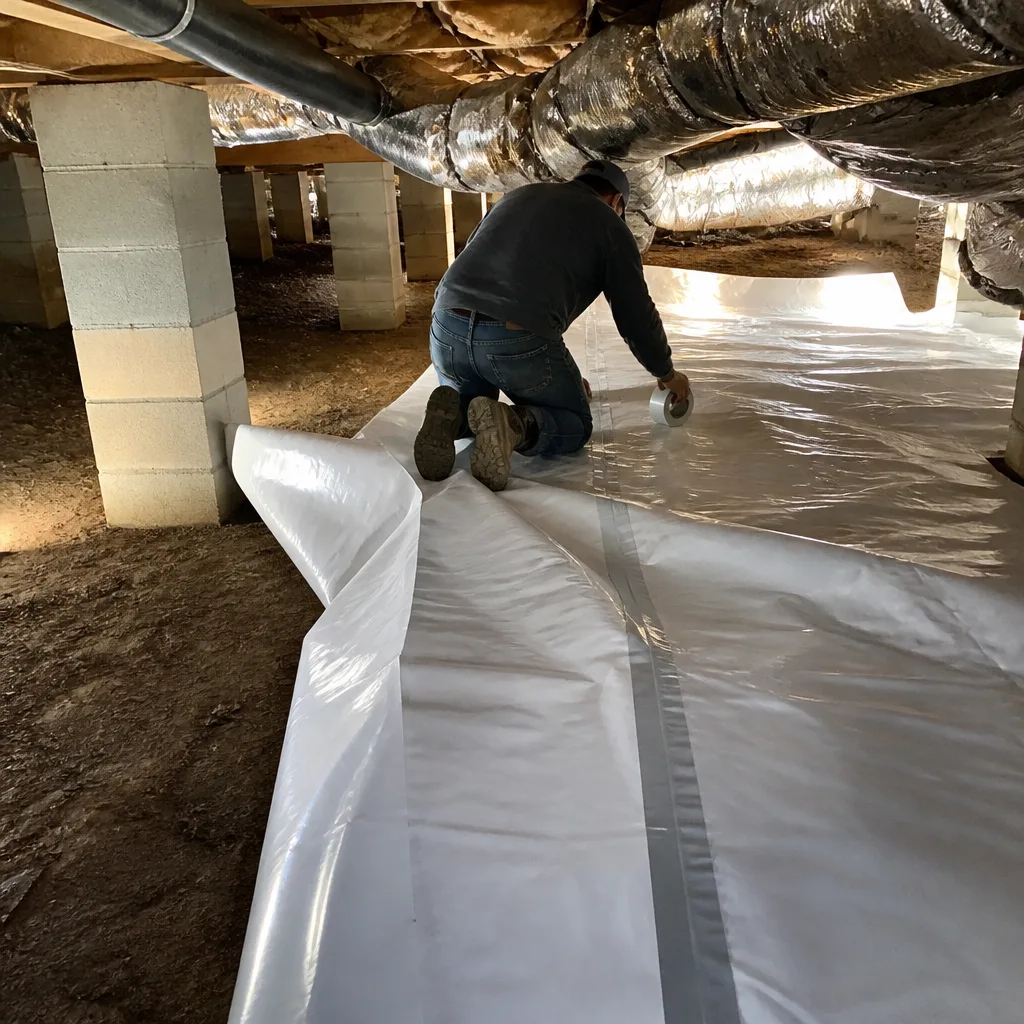
- Hot spots on second-story ceilings. The radiant barrier’s emissivity has degraded above 0.10, meaning it’s re-radiating attic heat downward instead of reflecting it. In Georgetown’s August afternoons, when attic temperatures hit 140°F, a failed barrier makes the ceiling a secondary heat source.
- Tears or sagging foil between rafters. Staple-only installations loosen as roof deck expansion and contraction work the fasteners loose. Once the foil sags, it loses air gap contact and becomes a conductor, not a reflector.
- Discolored or oxidized foil surface. The aluminized coating has corroded, usually from attic moisture intrusion through unsealed can lights or bath fan penetrations. We see this pattern frequently in older Georgetown homes near the San Gabriel River corridor where humidity runs higher.
- HVAC running 20+ minutes longer to reach setpoint. Your cooling load has increased because the radiant barrier is no longer blocking the 75% of attic heat it was designed to stop. The blower-door numbers don’t lie, and neither does your July electric bill.
- Visible gaps where barrier meets top plates or chimney chases. These are installation failures, not material failures, but the result is identical: unblocked radiant heat transfer. We find these most often where insulation contractors skipped air sealing before hanging the barrier.
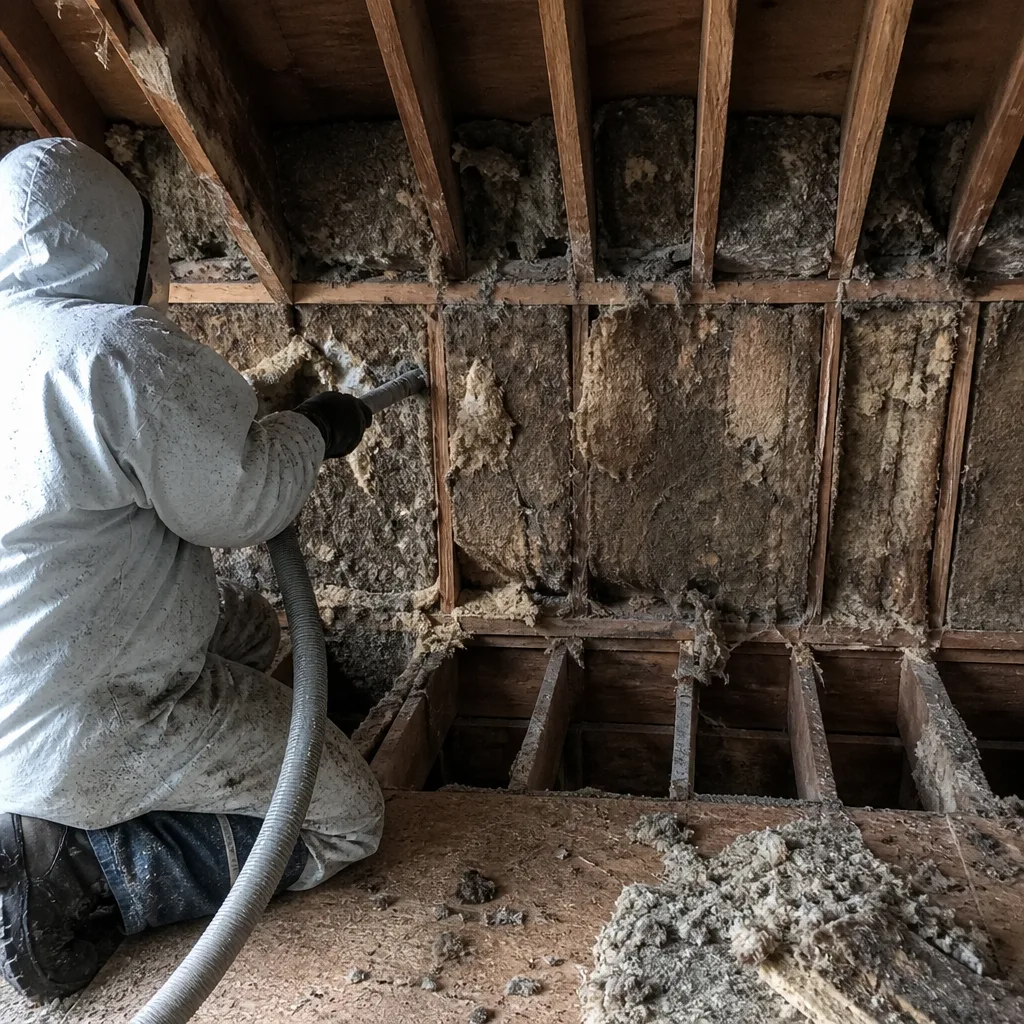 Before
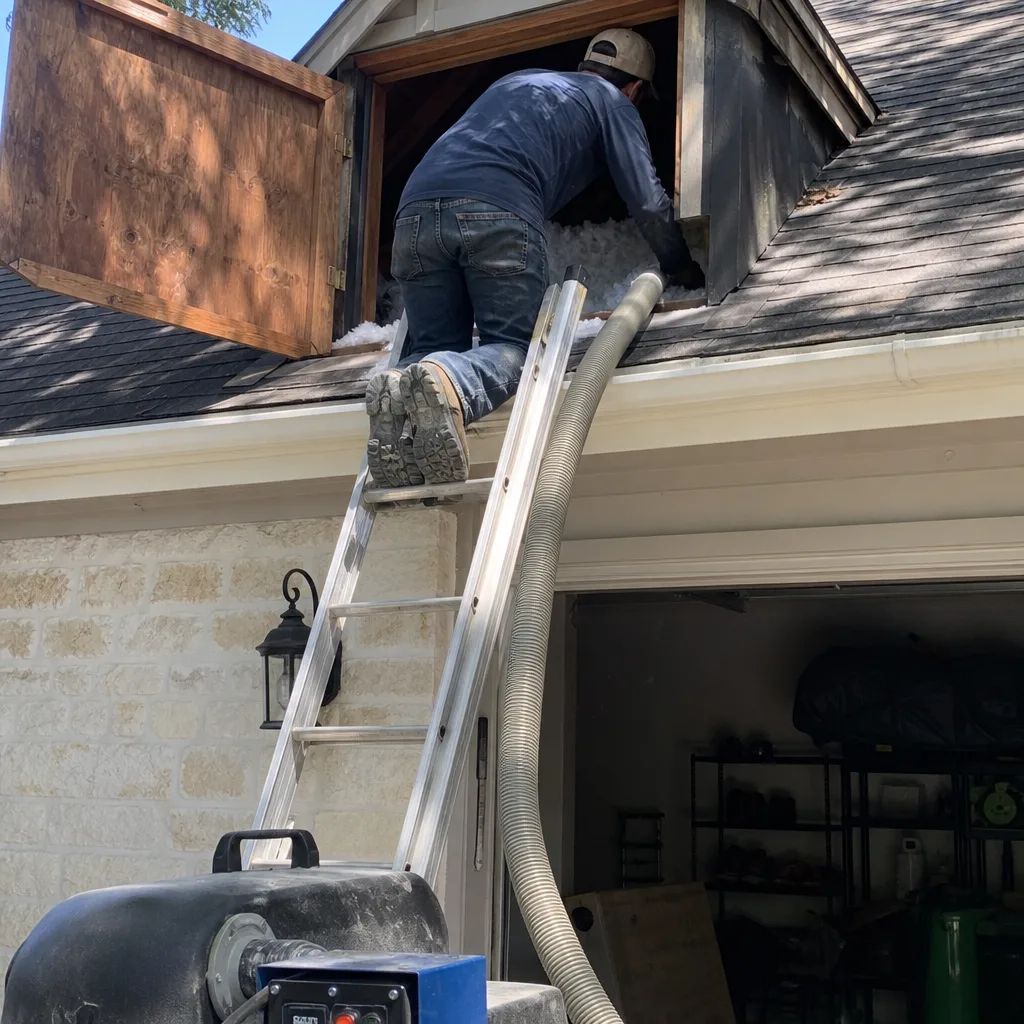 After
AfterReplacement Cost & What’s Included
Most Icynene radiant barrier replacements in Georgetown run $2,400 to $4,800 for attics between 1,800 and 3,500 square feet of floor area. That range covers removal of failed material, air sealing of top plates, can lights, and penetrations with foam, then installation of new perforated radiant barrier with structural clips per manufacturer spec.
What drives the range: roof pitch above 6/12 adds labor time, existing foam overspray that must be trimmed back, and whether the original installation included proper air sealing or we’re doing that prerequisite work for the first time. Every job gets a Written Price Before Any Work Starts, flat and itemized, plus a Documented Photo Record showing before condition, air-sealing completion, and finished barrier installation. Applicable jobs include before-and-after blower-door readings so you can verify the envelope improvement in CFM50, the pressurization measurement that shows how much conditioned air your home was losing. Our 365-Day Done Right Promise covers all completed work.
DIY or Call Us?
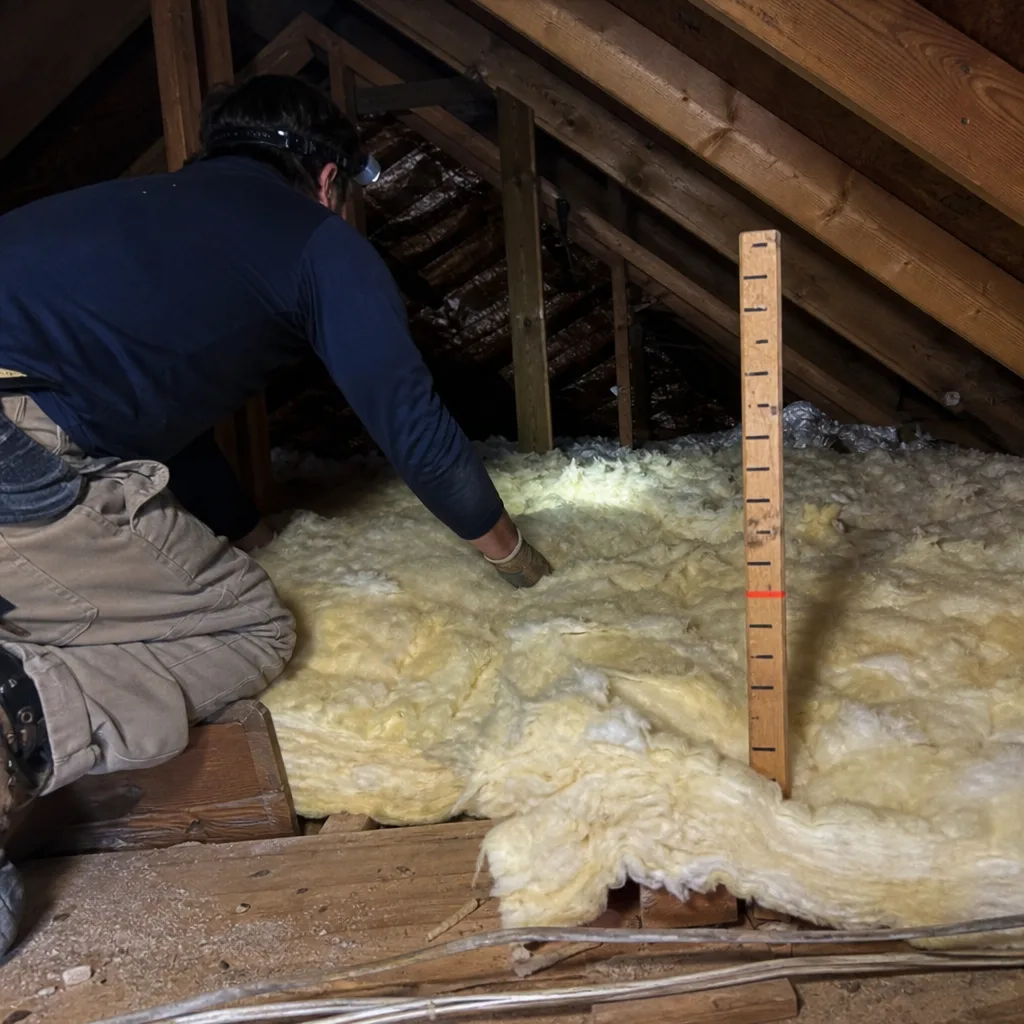
There’s no high-tension danger in radiant barrier replacement, but there is a performance danger: installing new foil over an unsealed attic floor is the most common mistake we correct. Homeowners can safely verify their barrier condition with a flashlight and phone camera, checking for tears, sagging, and oxidation. What goes wrong in DIY is skipping the air sealing, using the wrong clip spacing, or selecting non-perforated barrier that traps moisture against the roof deck.
We carry Icynene-compatible radiant barrier material on every truck, and we won’t hang a square foot until the penetrations are foam-sealed and documented. Call (254) 970-2136 for a free estimate with a written price before any work starts.
FAQs
Properly installed perforated radiant barrier in Georgetown lasts 15 to 25 years, but staple-only installations in our heat-and-humidity cycle often fail in 8 to 12 years. The critical factor is whether the original contractor air-sealed first and used structural clips, not staples alone, to maintain the required 3/4-inch air gap. Call (254) 970-2136 for an attic inspection and exact quote, estimates are free.
Small tears in isolated areas can be patched with matching foil tape, but widespread degradation, oxidation, or sagging means the emissivity spec has failed across the system and patching won’t restore performance. We evaluate this during our initial inspection and will show you the thermal images so you can see the heat transfer yourself. Call (254) 970-2136 to schedule.
Most residential attic replacements take one full day for removal, air sealing, and new barrier installation, or two days if we’re also addressing existing spray foam overspray or access limitations. We arrive with the material on the truck and won’t leave until the Documented Photo Record and blower-door numbers are in your hands. Call (254) 970-2136 to check same-day availability.
Yes, we stock perforated radiant barrier rated to 180°F surface temperature, compatible with Icynene foam systems and suitable for Georgetown’s attic conditions. We are an independent service provider, not affiliated with Icynene, and we also stock Reflectix equivalents when the job spec allows. Call (254) 970-2136 and we’ll confirm the match to your existing system before we arrive.
Written by Wes Okafor, Owner, Topside Attic Insulation Georgetown at Topside Attic Insulation Georgetown, serving Georgetown and nearby areas.