
Icynene Spray Foam Insulation in Georgetown: What to Know First
We provide independent Icynene spray foam insulation service in Georgetown, TX, with most jobs completed in one visit and written pricing delivered before any work starts. Most Icynene open-cell and closed-cell repairs in Georgetown homes run between $1,800 and $4,500 depending on cavity access and the extent of degradation. This page is for homeowners who already have Icynene foam in their walls, attic, or rim joists and need it diagnosed, repaired, or supplemented by a crew that understands the material’s specific chemistry and failure patterns. Call (254) 970-2136 for a free estimate with a written price before we lift a tool.
How Icynene Products Fail - and How We Fix Them
- Icynene Classic Max (open-cell) shrinkage in hot roof decks. In Georgetown attics that hit 140°F for months, Classic Max can pull away from rafter bays, creating convection channels that bypass the insulation entirely. We find this most often in Sun City Georgetown homes built 2016-2019. Our fix: remove the degraded foam, seal the substrate with closed-cell Icynene MD-R-200 at the critical junctions, then reinstall open-cell only where the roof deck geometry allows adequate coverage depth without thermal stress.
- Icynene MD-C-200 (closed-cell) delamination from OSB in high-humidity crawl spaces. The San Gabriel River corridor puts groundwater vapor pressure against rim joists year-round. When MD-C-200 loses adhesion, the gap becomes a capillary wick. We strip to substrate, apply a vapor-barrier primer compatible with Icynene’s isocyanate chemistry, then re-foam with a slower-rise formulation that achieves mechanical lock rather than surface bond.
- Icynene H2Foam Lite (open-cell) water absorption and weight gain. This water-blown formulation can hold moisture if the roof leaks or the HVAC condensate line fails above it. Saturated H2Foam Lite loses R-value and compresses under its own weight. We remove the wet foam in layers, document the moisture source with thermal imaging, repair the leak, then replace with fresh material only after the cavity reads below 18% wood-moisture content.
- Icynene spray foam around can lights and top plates - the detail gaps. Even well-installed Icynene jobs from 2015-2020 often skipped foam-sealing around IC-rated housings or the top plate of partition walls. Conditioned air escapes through these gaps; we see it on every blower-door test. We seal first with Icynene’s compatible single-component foam, then verify the pressure reading dropped before we consider the job closed.
- MD-R-200 (closed-cell) over-application in 2×4 walls. Some crews in the Georgetown market sprayed 3 inches of closed-cell into standard stud bays, leaving no room for drying and trapping sheathing moisture against the exterior. We remove the excess with controlled cutting, assess the sheathing for rot, and reinstall at the correct 2-inch thickness with a vented rainscreen detail where the wall assembly demands it.
Our Icynene Spray Foam Insulation Process
- 1
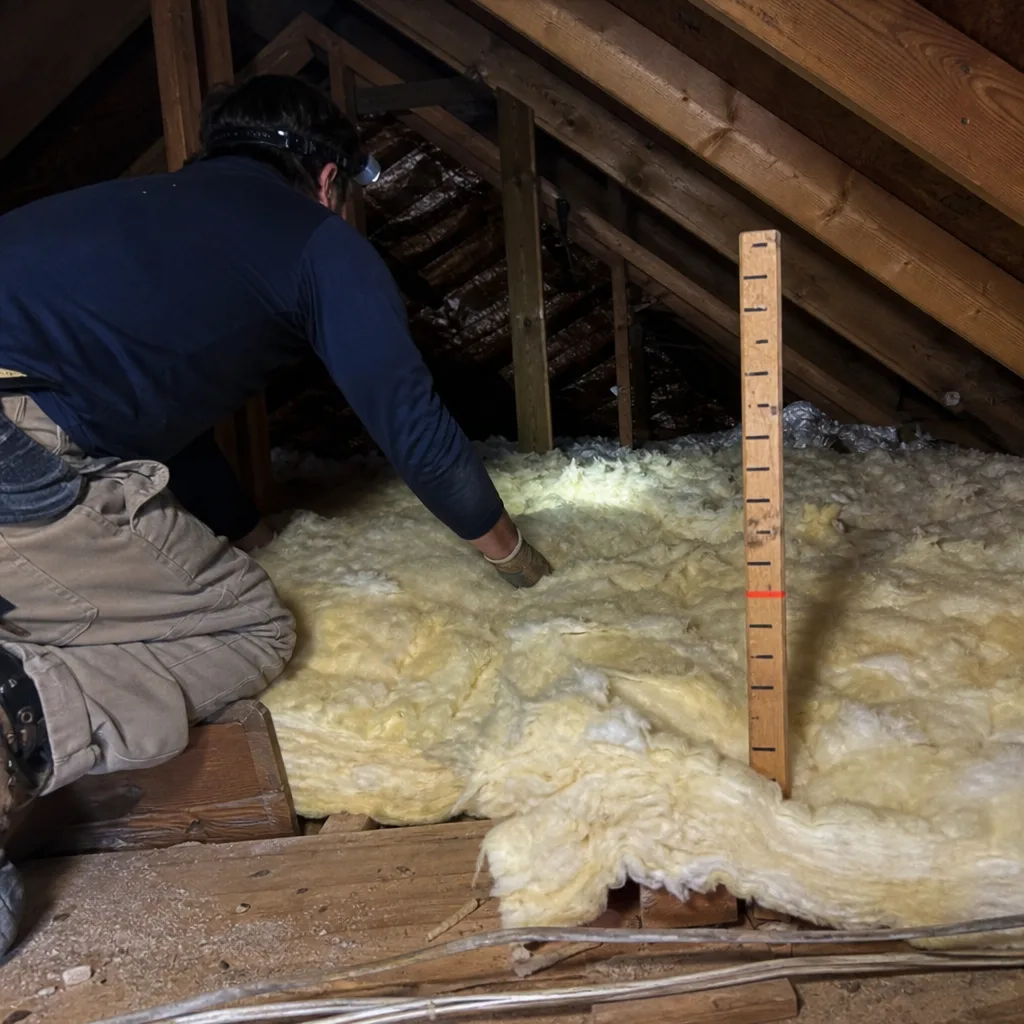
Call and schedule. A live person answers, or you can text. We book a diagnostic window; you get a named technician and a text when they’re en route.
- 2
On-site inspection with documentation. We thermal-scan the Icynene installation, run a blower-door test if air leakage is suspected, and photograph every cavity. You get the images before we leave.
- 3
Written scope and price. Under Haven Standard Clause 1: flat price, written scope, written warranty before anyone lifts a tool. No exceptions. If you have another estimate, we provide a free second opinion and read it with you.
- 4
Air sealing first, then foam. We seal the holes first. Then we talk about R-value. Top plates, penetrations, can lights, and rim joist junctions get foam-sealed before any new Icynene goes in.
- 5
Installation with material-matched chemistry. We specify Icynene-compatible primers and rise profiles based on the existing foam type, cavity depth, and Georgetown’s cooling-dominated climate. OEM Icynene when specified; quality aftermarket with documented compatibility when the job allows.
- 6
Post-job verification and record. Applicable jobs get before-and-after blower-door numbers. Every job gets a Documented Photo Record. The 365-Day Done Right Promise applies in writing.
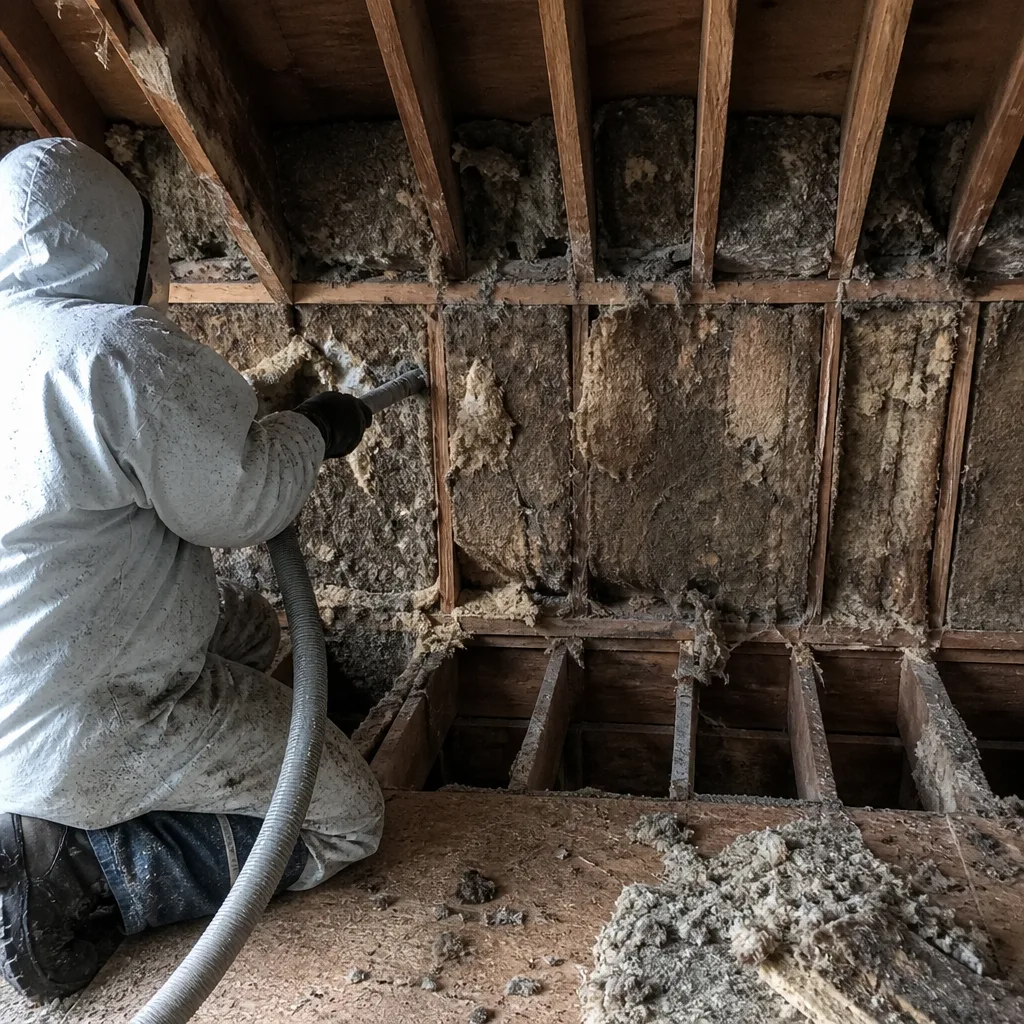 Before
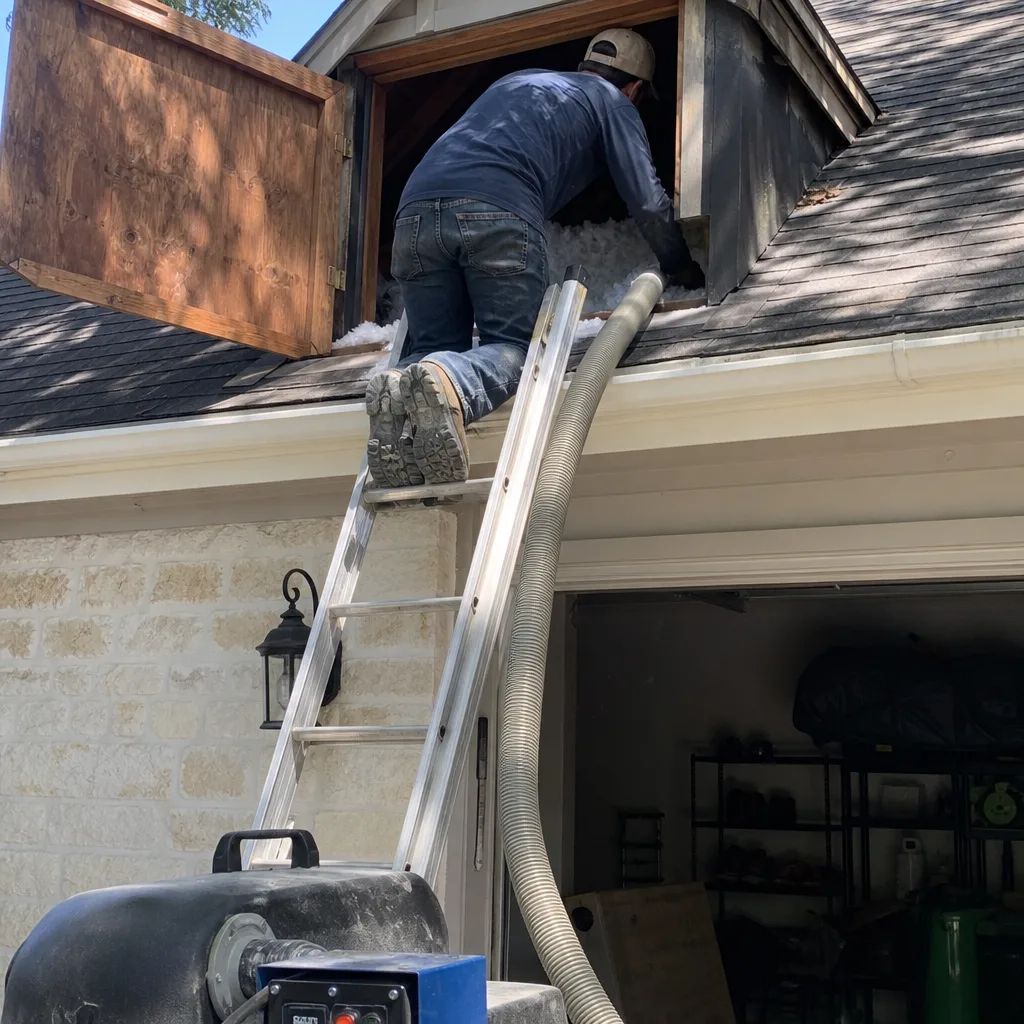 After
AfterWhat Icynene Spray Foam Insulation Costs in Georgetown
| Job Type | Typical Range | What Moves the Price |
|---|---|---|
| Open-cell repair, partial attic (up to 500 sq ft) | $1,800 - $2,800 | Access difficulty, existing foam removal depth |
| Closed-cell rim joist, crawl space or basement | $2,200 - $3,600 | Linear footage, moisture remediation needed first |
| Full roof deck respray, open-cell replacement | $3,200 - $4,500 | Deck area, pitch, whether OSB replacement is required |
| Garage ceiling, closed-cell (car exhaust protection) | $2,400 - $3,400 | Fire-rated coating requirement, duct penetration count |
Georgetown’s 2015-2022 build stock often has Icynene in complex rooflines that take longer to access safely. We price for the actual geometry, not a square-foot guess. Call (254) 970-2136 for an exact quote - estimates are free, and the written price comes before any work starts.
Why Georgetown Homeowners Call Topside Attic Insulation Georgetown for Icynene Work
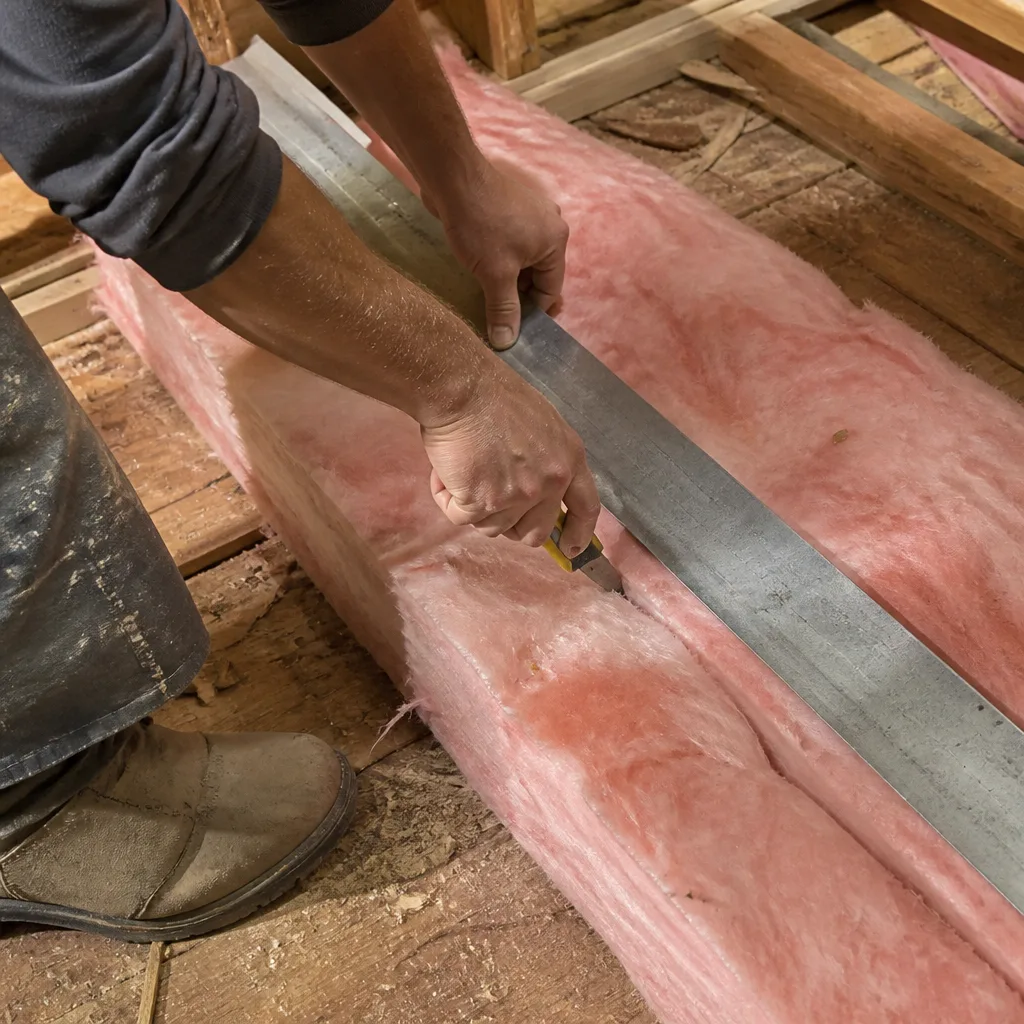
We’ve worked attics from Sun City Georgetown to homes backing up to the San Gabriel River corridor, and we know how this climate stress-tests spray foam. Wes Okafor picked up his first blower-door numbers at Olive-Harvey College and has spent nearly two decades diagnosing exactly how Icynene fails in Central Texas heat and humidity. Our crew carries Icynene-specific repair experience plus multi-brand fluency - we also service Reflectix and other systems - so we’re not locked into one manufacturer’s protocol when your assembly needs something different. The 365-Day Done Right Promise, before-and-after blower-door documentation, and a live person on the phone 24/7 are standard, not upgrades. Background-checked, uniformed technicians. No voicemail loops.
FAQs
The original Icynene installation warranty typically covers workmanship and material defects from the certified applicator who installed it, not subsequent modifications by an independent service provider. As an independent Icynene service provider, we document our repairs with photos and material batch records so any future warranty discussion has a clear chain of evidence. Call (254) 970-2136 if you need help reading your original warranty language.
We can match the chemistry class - open-cell water-blown, open-cell HFC-blown, or closed-cell MD-R-200 - and achieve compatible adhesion and R-value. Exact OEM Icynene is available when specified; we also use quality aftermarket formulations with documented compatibility testing for repairs where the original product line has been revised or discontinued. We tell you which we’re proposing and why before the work starts.
Partial repair is usually 40-60% less than full removal and replacement, but only makes sense if the remaining foam is dry, well-adhered, and thermally continuous. We make that call with a moisture meter, adhesion test, and thermal image - not a guess. If the substrate is compromised, we’ll tell you, and the written scope will show both options priced out. Call (254) 970-2136 for the diagnostic.
Most Icynene diagnostics are scheduled within 48 hours, and repair work starts as soon as the written scope is approved - often same-week. Emergency situations - active roof leaks saturating foam, for example - get priority. A live person answers calls 24/7 to triage urgency.
Because “more efficient” is a feeling, and 2,100 CFM50 is a fact. The blower-door test - a pressurization reading that shows, in one number, how much air your building envelope is losing - gives you documentation you can compare to your next energy audit or home sale inspection. We provide the before-and-after on every applicable job because it’s the only way to prove the air sealing actually worked.
Written by Wes Okafor, Owner, Topside Attic Insulation Georgetown at Topside Attic Insulation Georgetown, serving Georgetown and nearby areas.