
Rockwool Crawl Space Encapsulation: The Georgetown Owner’s Guide
Rockwool crawl space encapsulation in Georgetown typically runs $3,800-$6,200 installed for a standard 1,200-1,800 sq ft crawl space, and we can usually start within 48 hours of your call. Most homeowners discover the system is failing when they notice musty odors rising through floor registers or see condensation beading on ductwork in July - both signs the vapor barrier or insulation layer has compromised. We stock Rockwool Comfortbatt and Comfortboard compatibility components on our trucks, and we match the part to your existing series before we quote.
Which Rockwool Models This Applies To
Rockwool’s crawl space line breaks into two families: the Comfortbatt series - the flexible batts at R-13, R-19, R-21, and R-30 - and the rigid Comfortboard 80 or 110 used for perimeter walls or stem-joint blocking. The label you need is on the foil or kraft facing, printed with a density rating ( Comfortbatt runs 0.7-1.0 pcf, Comfortboard 80 is 8.0 pcf) and a date stamp within the last 15 years. If your crawl space was encapsulated between 2010 and 2019, you likely have pre-2020 Comfortbatt with the older tan kraft facing, not the current white.
Here’s the compatibility gotcha: Comfortboard 80 is 2 inches thick in the common crawl space SKU, but some Georgetown builders in the 2015-2018 wave used 1.5-inch custom cuts for stem walls. Measure the exposed edge with a tape measure before you call. The OEM vapor-barrier pairing from Rockwool is a 6-mil cross-laminated polyethylene, but we also install StegoCrawl or CertainTeed equivalents when the original is discontinued. We don’t lock you into a proprietary product.
Topside Attic Insulation Georgetown is an independent service provider - not affiliated with Rockwool - and we source materials from Owens Corning, Johns Manville, Knauf, Rockwool, CertainTeed, and others. No proprietary lock-in.
Signs Your Rockwool Crawl Space Encapsulation Is Failing
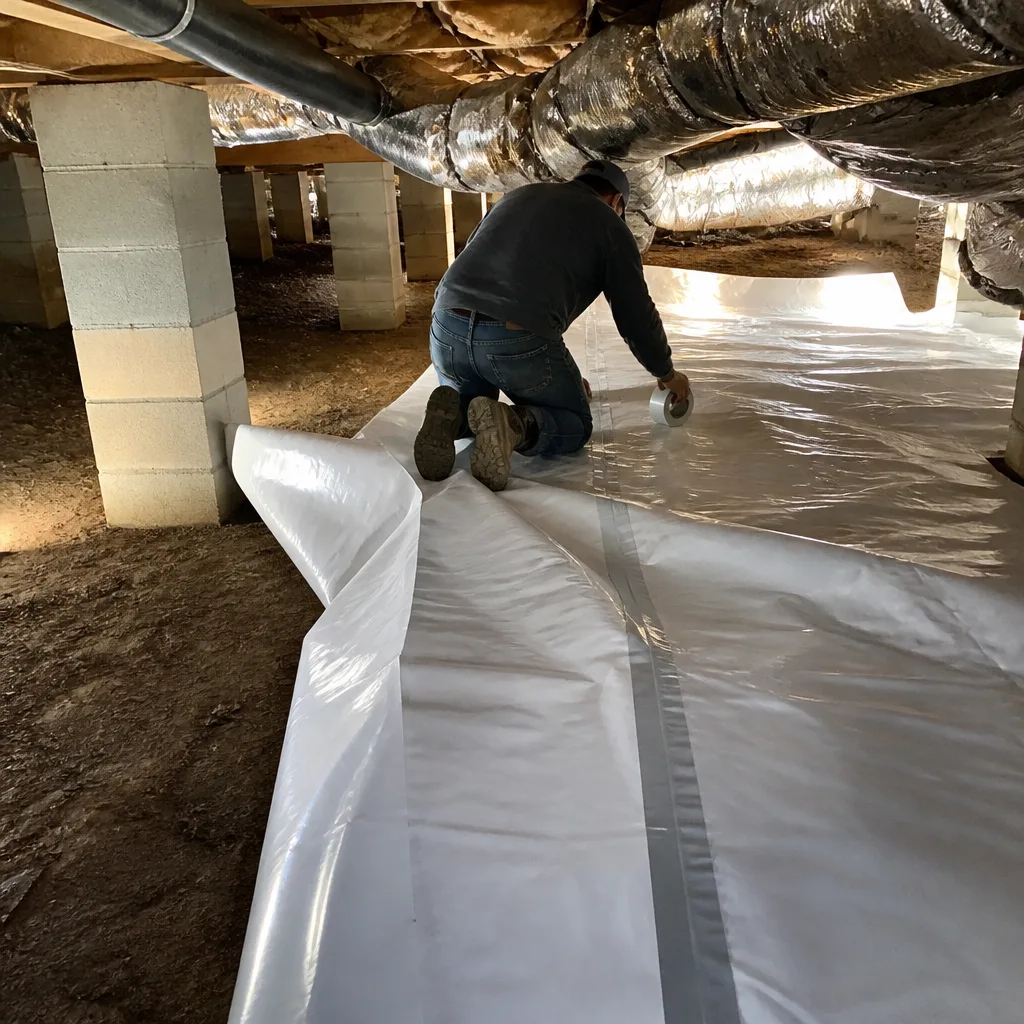
- Musty smell that intensifies after rain. The vapor barrier has torn at a seam or the tape has delaminated, letting Georgetown’s clay-heavy soil moisture rise into the floor system. In the neighborhoods near the San Gabriel River, we see this where seasonal water tables lift groundwater against the foundation.
- Floor feels cold in winter despite the heat running. The Comfortbatt has settled or been displaced by rodents, creating gaps at the rim joist. R-value is only as good as continuous contact - a 2-inch gap drops the effective insulation by half.
- White or gray fuzz on floor joists. That’s mold feeding on wood moisture, usually from a failed vapor barrier combined with summer humidity above 70%. Rockwool itself is hydrophobic and won’t mold, but it can’t stop vapor that bypasses the barrier.
- Increased energy bills with no other explanation. When the encapsulation fails, your crawl space reverts to outside temperature. In Georgetown, that means 95°F air in August pushing against cooled ducts - your HVAC works harder without delivering more comfort.
- Pest activity in the crawl space. Gaps in the barrier or deteriorated seal tape create entry points. We find this most often where the original installer used non-pest-resistant tape at the foundation wall transition.
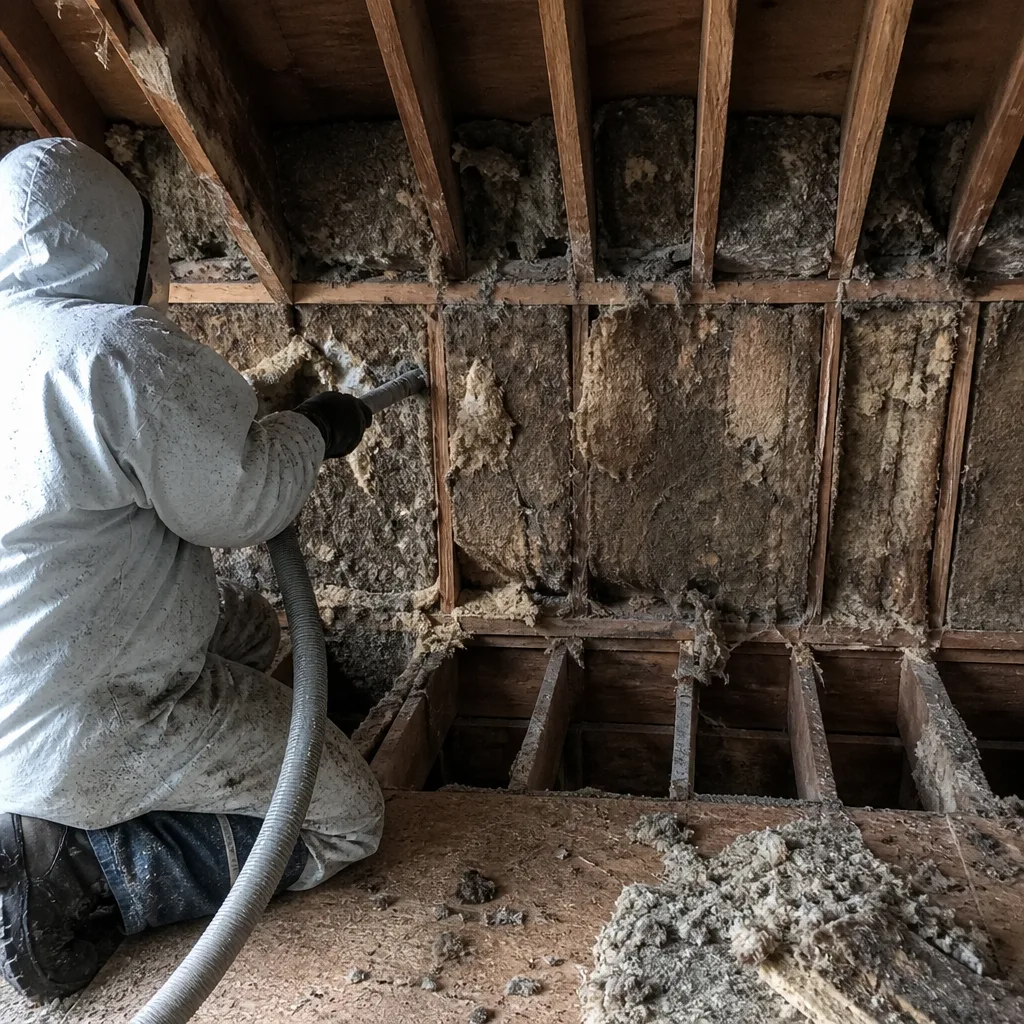 Before
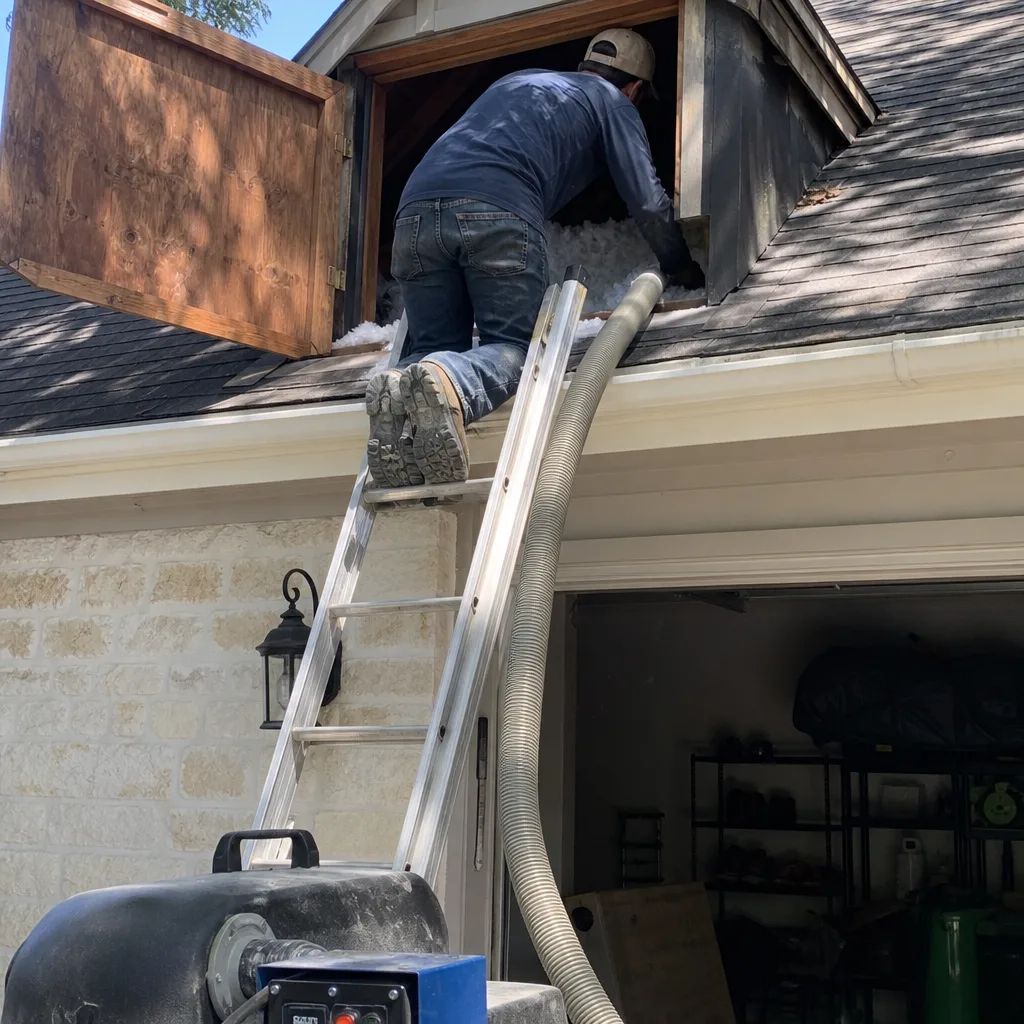 After
AfterReplacement Cost & What’s Included
Most full Rockwool crawl space encapsulation replacements in Georgetown run $3,800-$6,200 for a typical single-family footprint. The low end covers a clean re-wrap with new 10-mil vapor barrier, re-taped seams, and replacement of settled Comfortbatt at the rim joist. The high end includes full Comfortboard removal on stem walls, new mechanical fasteners, and blower-door-directed air sealing of the crawl-to-house interface.
What drives the range: accessibility (crawl spaces under 18 inches cost more in labor), existing mold remediation needs, and whether the original installation used adhesive-only attachment versus mechanical fasteners we can reuse. Every quote is flat - Written Price Before Any Work Starts, per Haven Standard Clause 1. The 365-Day Done Right Promise covers all completed work, and you receive a Documented Photo Record plus before-and-after blower-door numbers when air sealing is part of the scope.
We also stock Reflectix and other brands if your system is mixed-manufacturer.
DIY or Call Us?
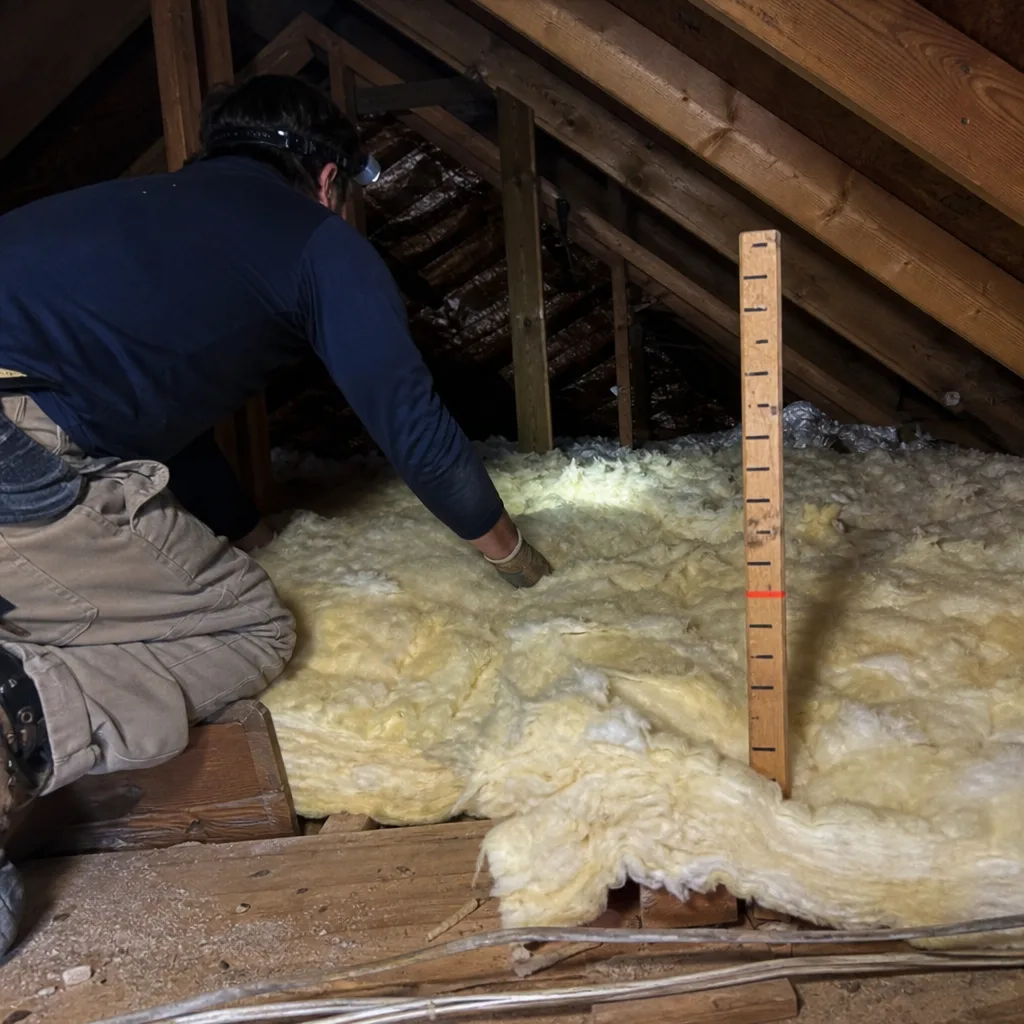
There’s a safe middle ground. You can verify the model from the facing label, measure the thickness, and photograph any tears or tape failure. What you shouldn’t do: enter a crawl space with visible mold without respiratory protection, or attempt to remove Comfortboard that’s been adhesive-bonded to concrete - the prying motion damages the stem wall surface and voids any remaining warranty.
The real risk is sequencing. Rockwool is hydrophobic, not waterproof. If you install new batts over an unsealed vapor leak, you’re trapping moisture against wood. We see this in Georgetown’s older homes near the historic square - well-meaning owners add insulation before they fix the air leak, and three years later the joist ends are punky. Seal the holes first. Then we talk about R-value.
Call (254) 970-2136 for a written price before anyone lifts a tool. Estimates are free, and we offer a Free Second Opinion on any written estimate you’ve already received.
FAQs
In Central Texas conditions, a properly installed Rockwool encapsulation with quality vapor barrier lasts 15-25 years. The limiting factor is almost always the vapor-barrier tape and seam integrity, not the mineral wool itself, which doesn’t degrade from heat or moisture. Georgetown’s freeze-thaw cycle is mild, but summer UV exposure through foundation vents can embrittle barrier edges if they’re not fully covered. Call (254) 970-2136 and we’ll inspect the seam condition - estimates are free.
Partial repair is viable when the failure is localized - a single torn barrier section, settled batts at one rim joist, or failed tape at a perimeter wall. We patch with matching materials and document the repair scope in writing. Full replacement makes sense when the system is past 12 years, multiple failure points exist, or the original installation skipped air sealing. We’ll tell you which category you’re in after inspection, not before. Call (254) 970-2136 for a written assessment.
Most residential crawl spaces in Georgetown take one to two working days. Day one is removal, cleaning, and air sealing; day two is installation of new barrier and insulation, plus final blower-door verification if the scope includes sealing the crawl-to-house envelope. We text you the technician’s name and ETA the morning of arrival, and you get the Documented Photo Record before we leave.
We stock Comfortbatt R-19 and R-30, Comfortboard 80 in 2-inch thickness, compatible 10-mil vapor barrier, and seam tape rated for below-grade use. If your system uses a discontinued Rockwool SKU or a custom thickness, we source it within 24-48 hours - we don’t substitute without your written approval. Call (254) 970-2136 to confirm match.
Written by Wes Okafor, Owner, Topside Attic Insulation Georgetown at Topside Attic Insulation Georgetown, serving Georgetown and nearby areas.