
Johns Manville Radiant Barrier Installation: The Georgetown Owner’s Guide
Most Johns Manville radiant barrier installations in Georgetown run between $1,800 and $3,400 for a typical 2,000-square-foot attic, and we stock the full JM AP Foil-Faced line on our trucks for same-day starts when you call before noon. We also carry Reflectix if your existing system is a hybrid install or you’re matching a previous contractor’s work. Homeowners usually figure out something’s wrong when their summer electric bills spike $80 to $150 over the previous year, or when they pop the attic hatch and the foil facing is hanging in strips like tinsel, which happens after enough Georgetown 140°F attic days degrade the adhesive.
Which Johns Manville Models This Applies To
We install and replace across the Johns Manville AP Foil-Faced series, specifically the AP Foil-Faced 162, AP Foil-Faced 226, and the heavier-duty AP Foil-Faced 259 used in commercial and high-temperature residential applications. The model number is printed on the scrim edge every 24 inches; if your existing barrier is still partially intact, you’ll find it there. If the foil is gone entirely, measure the scrim thickness with a caliper or ruler: 162 runs roughly 1/16 inch, 226 is closer to 3/32 inch, and 259 measures just under 1/8 inch.
Johns Manville specifies that AP Foil-Faced products are designed for staple-up or furr-down installation, not direct-contact applications with roof decking in vented attics, which is a compatibility gotcha we see in Georgetown’s older Sun City builds where roofers sometimes laid it flat against OSB. For OEM replacement, we source direct from JM distribution out of Austin; for budget-sensitive jobs, we use a quality aftermarket equivalent that meets ASTM C1313 reflectivity standards, though we disclose the switch in writing before any work starts. Topside Attic Insulation Georgetown is an independent service provider with no affiliation to Johns Manville.
Signs Your Johns Manville Radiant Barrier Installation Is Failing
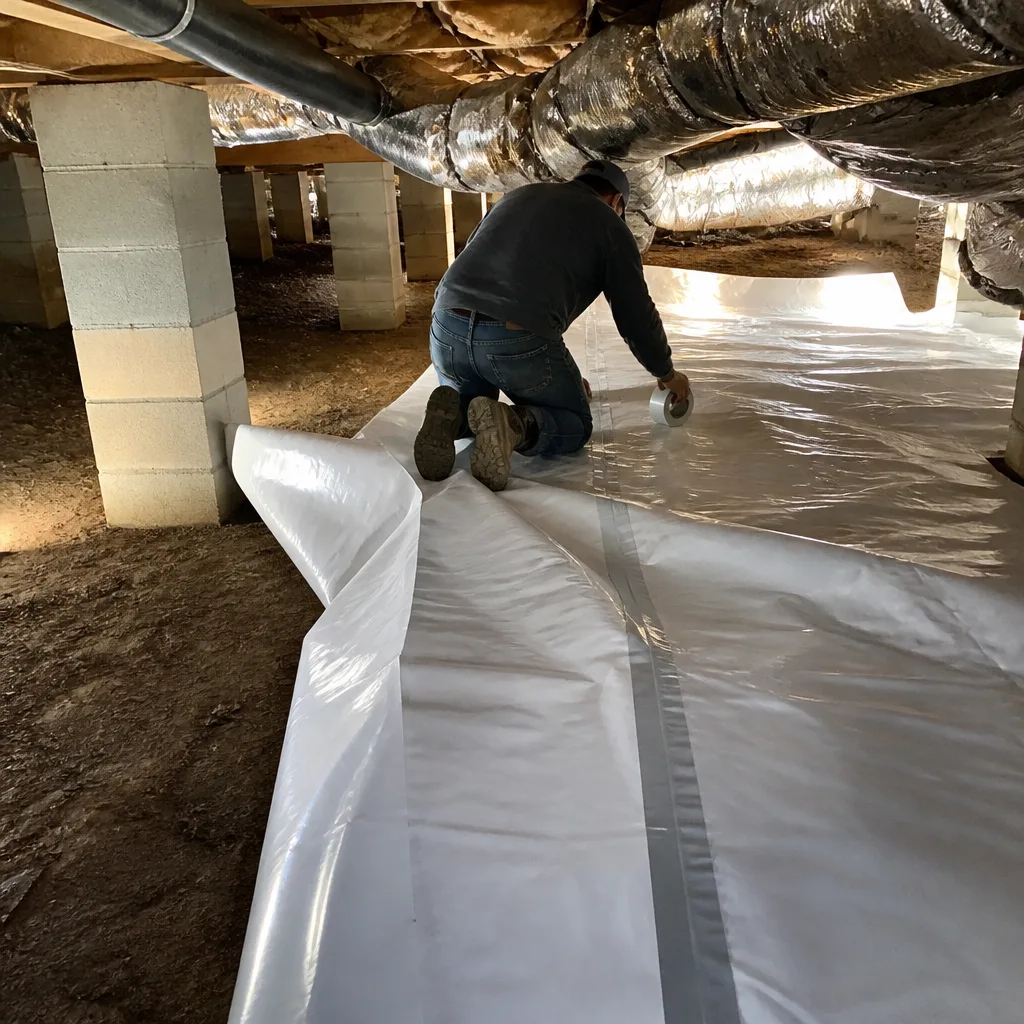
- Foil facing delaminating or flaking off the scrim. The polyester adhesive breaks down after sustained exposure above 180°F, which Georgetown attics hit regularly from June through September when roof deck temperatures peak. Once the reflective surface separates, you’re left with translucent scrim that blocks almost no radiant heat.
- Hot spots on your ceiling during afternoon hours. A functioning radiant barrier drops radiant heat transfer by roughly 95 percent; when it fails, you’ll feel warmth directly beneath roof valleys and west-facing pitches where the barrier has torn or blown down.
- Sudden increase in HVAC runtime with no equipment change. Your air conditioner is compensating for heat gain that the barrier used to reject. We verify this with a thermal camera: failed sections show ceiling surface temperatures 15°F to 25°F higher than protected areas.
- Visible sagging or billowing between rafters. This means the staple pattern failed or the furr strips pulled loose, often from humidity cycling in Georgetown’s spring storm season followed by rapid drying. Once the barrier loses tension, it traps air pockets and stops working as designed.
- Rodent damage along the attic perimeter. Squirrels and roof rats in the San Gabriel River corridor neighborhoods shred foil-faced scrim for nesting material. The damage is usually concentrated near eave vents and is unmistakable: torn strips with nesting debris underneath.
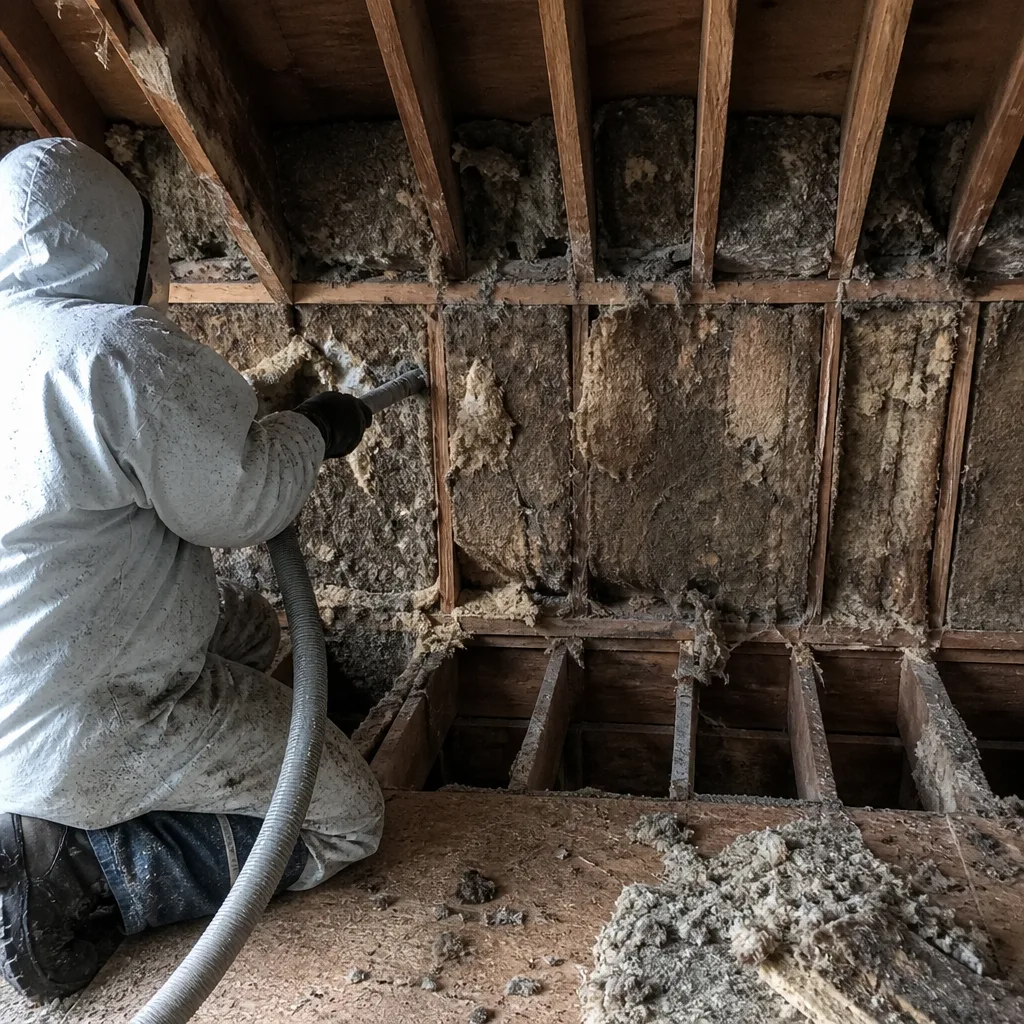 Before
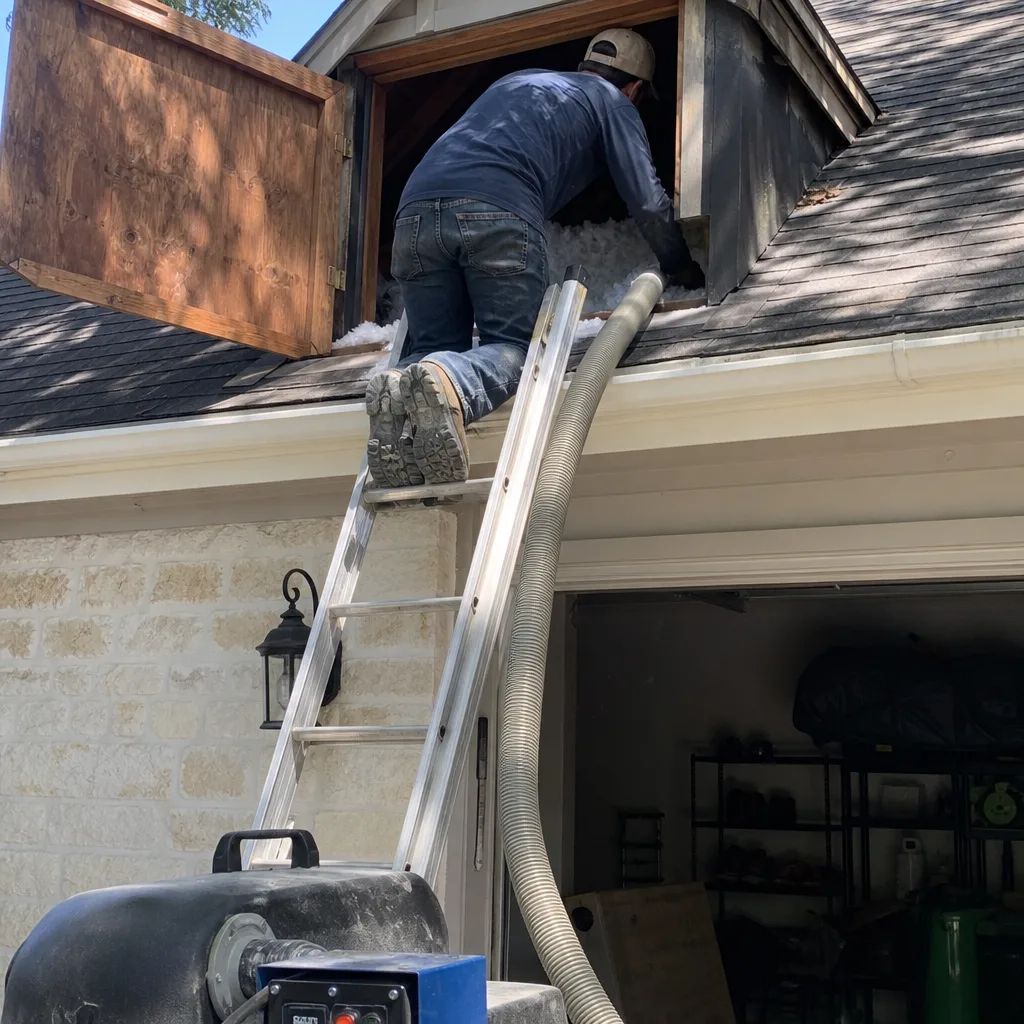 After
AfterReplacement Cost & What’s Included
For a typical Georgetown single-story home, 1,800 to 2,500 square feet of attic floor:
| Scope | Price Range |
|---|---|
| Partial replacement (damaged sections, under 40% of attic) | $1,100 - $1,800 |
| Full replacement, standard residential (AP 162 or 226) | $1,800 - $2,800 |
| Full replacement, high-temp or commercial grade (AP 259) | $2,400 - $3,400 |
| Add attic air sealing (top plates, can lights, penetrations) | $400 - $900 additional |
What drives the range: attic height (steep pitches add labor), existing debris removal, whether we need to remove failed blown-in first, and whether your home needs the air sealing we require before any new barrier goes up. Every job gets a Written Price Before Any Work Starts under Haven Standard Clause 1, and we deliver a Documented Photo Record plus before-and-after blower-door numbers on every air-sealing package. The 365-Day Done Right Promise covers all completed work.
DIY or Call Us?
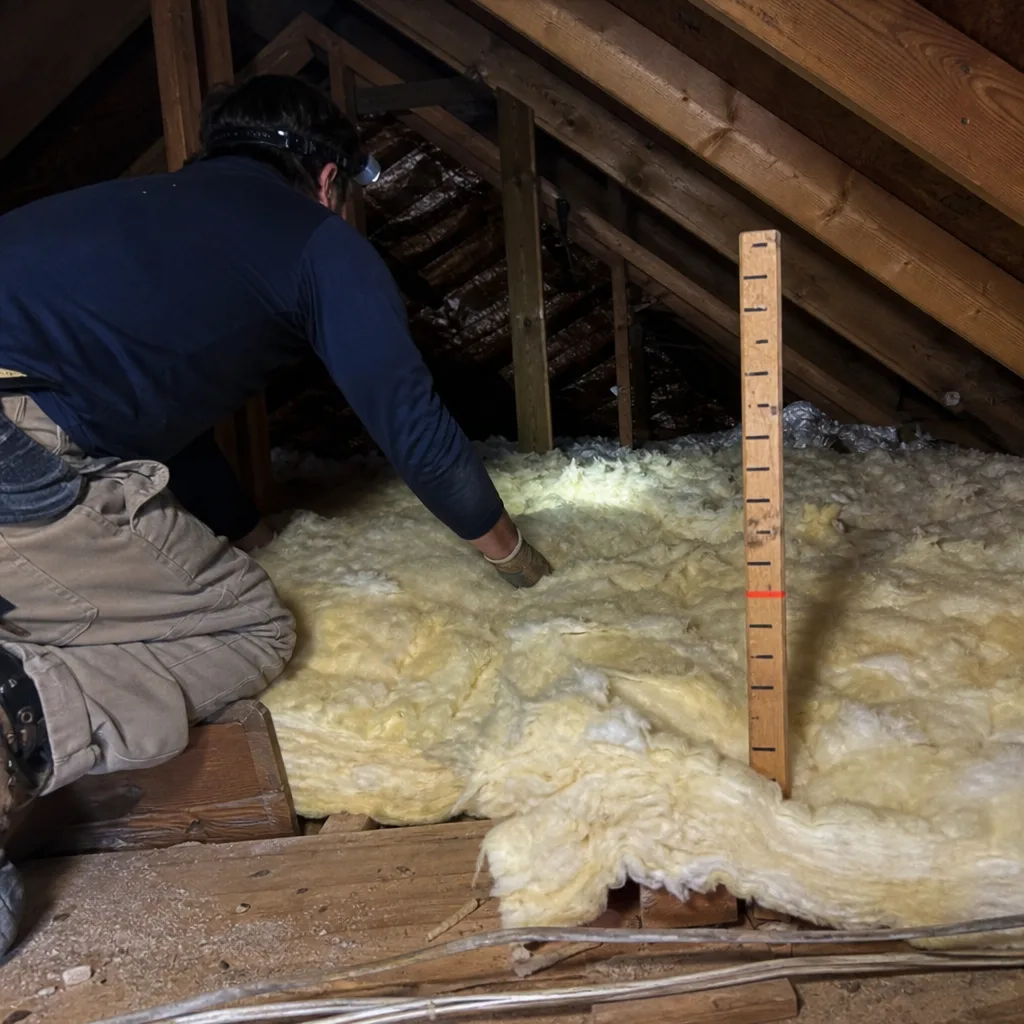
There’s no high-tension danger in radiant barrier replacement, but there’s a performance trap: most DIY installs we see in Georgetown attics skip the air sealing, blow insulation over the barrier, or staple it directly to roof decking in violation of JM’s vented-attic spec. You can safely check your attic hatch for the model number, photograph damage for our review, and verify whether your existing barrier is sagging or intact. What you cannot do from the ground is run a blower-door test to find the penetrations that will undermine any new barrier’s effectiveness, or properly tension a staple-up install across a 140°F attic span.
We seal the holes first. Then we talk about R-value. Call (254) 970-2136 for a free estimate and we’ll bring the right JM spec sheet to your door.
FAQs
In Central Texas conditions, a properly installed AP Foil-Faced barrier lasts 15 to 25 years before adhesive degradation becomes significant. Attics that exceed 180°F regularly, or installs with poor ventilation, see failure closer to 10 years. Call (254) 970-2136 and we’ll assess your attic’s temperature history.
Spot repairs work for isolated staple failures or small rodent damage under 10% of surface area. Once delamination or widespread sagging begins, patching creates seams that trap moisture and reduce reflectivity unevenly. We document both options with photos so you can see the difference.
Most residential jobs in Georgetown finish in one day, assuming we don’t find hidden air-leakage issues that require sealing first. Crews arrive at 8 a.m., remove failed material, seal penetrations if included in scope, and hang new barrier by late afternoon.
Yes. We carry full rolls of AP 162, 226, and 259 on every radiant barrier truck, along with Reflectix for hybrid matches. If your job requires an unusual width or custom-ordered commercial spec, we can have it next business day from Austin distribution.
Written by Wes Okafor, Owner, Topside Attic Insulation Georgetown at Topside Attic Insulation Georgetown, serving Georgetown and nearby areas.