
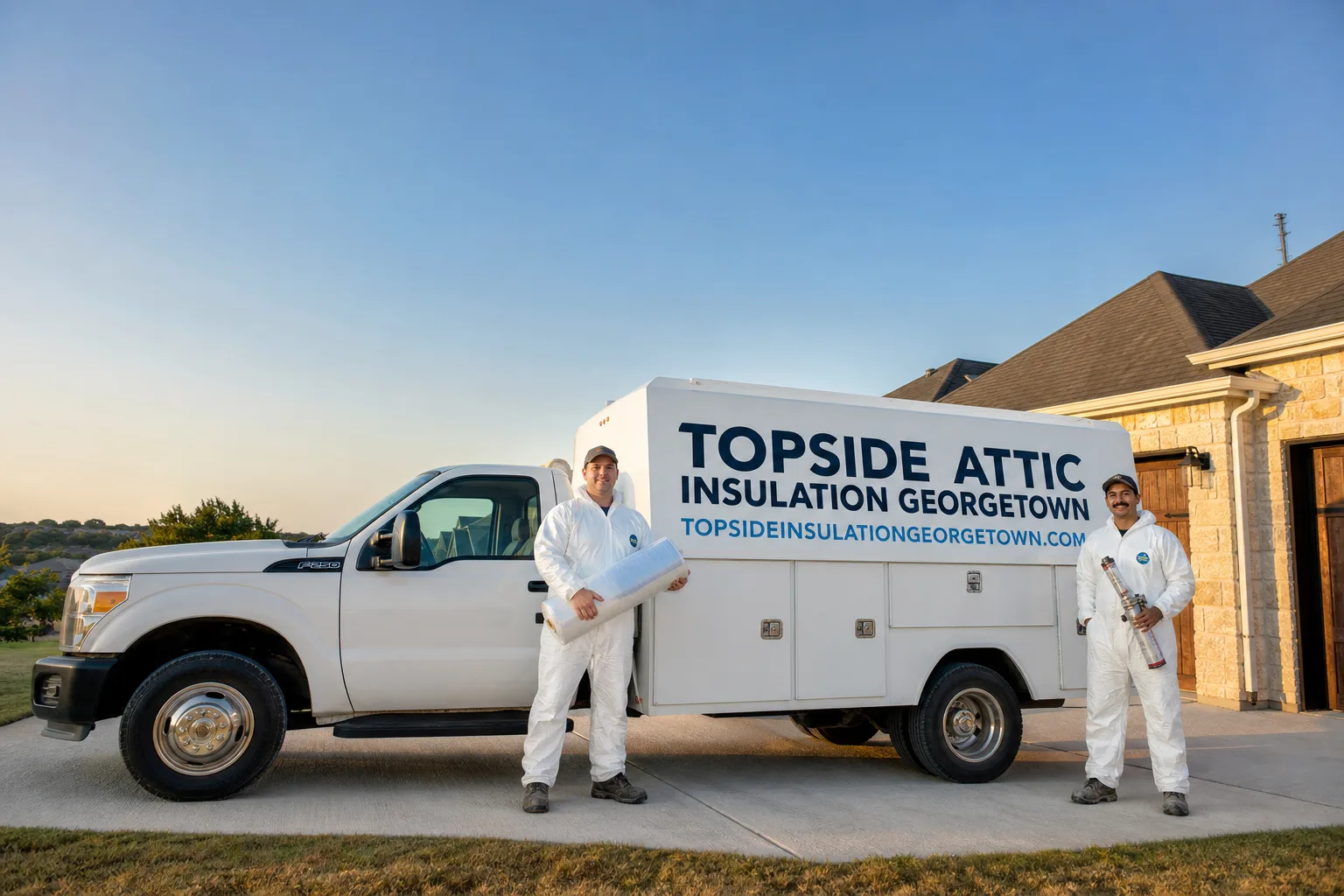
Fast, Reliable Attic Insulation Across Camp Swift
Most attic insulation jobs in Camp Swift run between $1,800 and $4,200 depending on attic square footage, existing material condition, and whether air sealing is needed first. Our crews are dispatched from the Austin office and typically reach Camp Swift properties within 45-60 minutes, including the acreage spreads off Old Highway 71 West and the winding Lost Pines roads where longer driveways slow down other contractors. We carry blown-in machines, batt stock, baffles, and full air-sealing kits on every truck so we don’t burn a trip.
Camp Swift’s housing stock is split in a way you won’t find in Georgetown or Round Rock. You’ve got pre-2011 survivors with original fiberglass batts or nothing at all, and you’ve got the post-fire rebuild wave from 2012-2015 that was thrown up fast under insurance pressure. That second group is where we spend most of our time. The volume builders who dominated that reconstruction push installed blown fiberglass at R-19 or less in attics that needed R-38 or higher for this climate, and they skipped baffles and soffit prep because it wasn’t visible on the walkthrough. Ten years later, those shortcuts are showing up as 108°F attic air, moisture-stained OSB decking, and cooling bills that never dropped after move-in. We’re familiar with every one of those builder names because their work patterns are consistent across Bastrop County.
Why Topside Attic Insulation Georgetown Is Camp Swift’s Preferred Attic Insulation Company
We’ve sealed and insulated over 9,000 homes since 2016, and a growing share of that work is in the Camp Swift corridor and surrounding Lost Pines communities. Homeowners here find us through referrals from neighbors who’ve already had the post-fire rebuild conversation, or they bring us a competing estimate for our Free Second Opinion and we walk them through what the scope actually covers.
Our Camp Swift customers leave three-star reviews when we find something unexpected in their attic, and five-star reviews when we document it with photos, explain it on site, and fix it in the same visit. We read both carefully. The documented record matters here because many of these homes were built under insurance timelines with no final inspection of the thermal envelope.
Response time to Camp Swift averages under an hour from dispatch. That’s not a marketing claim; it’s a function of carrying complete material loads and not needing to return to a warehouse. For acreage properties with detached shops and long dirt-drive access, this matters more than it would in a standard suburban grid.
Local knowledge that builds trust: we know which post-fire rebuild clusters used stapled kraft batts under blown fiberglass on the same plane, which skipped baffles entirely, and which volume builders ran the reconstruction push. That pattern recognition saves diagnostic time and prevents us from quoting a top-up when what you actually need is removal, air sealing, and proper installation.
Our Attic Insulation Services in Camp Swift
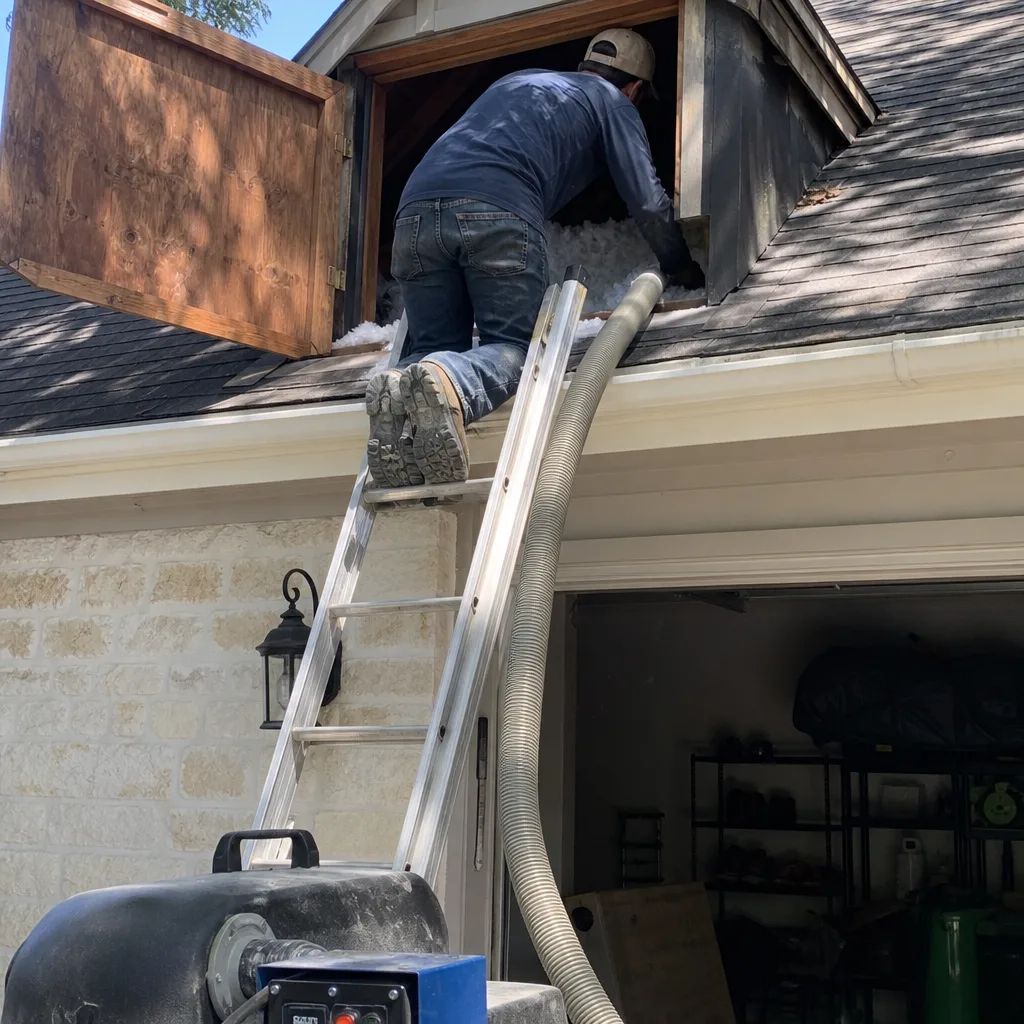
Blown-In Attic Insulation
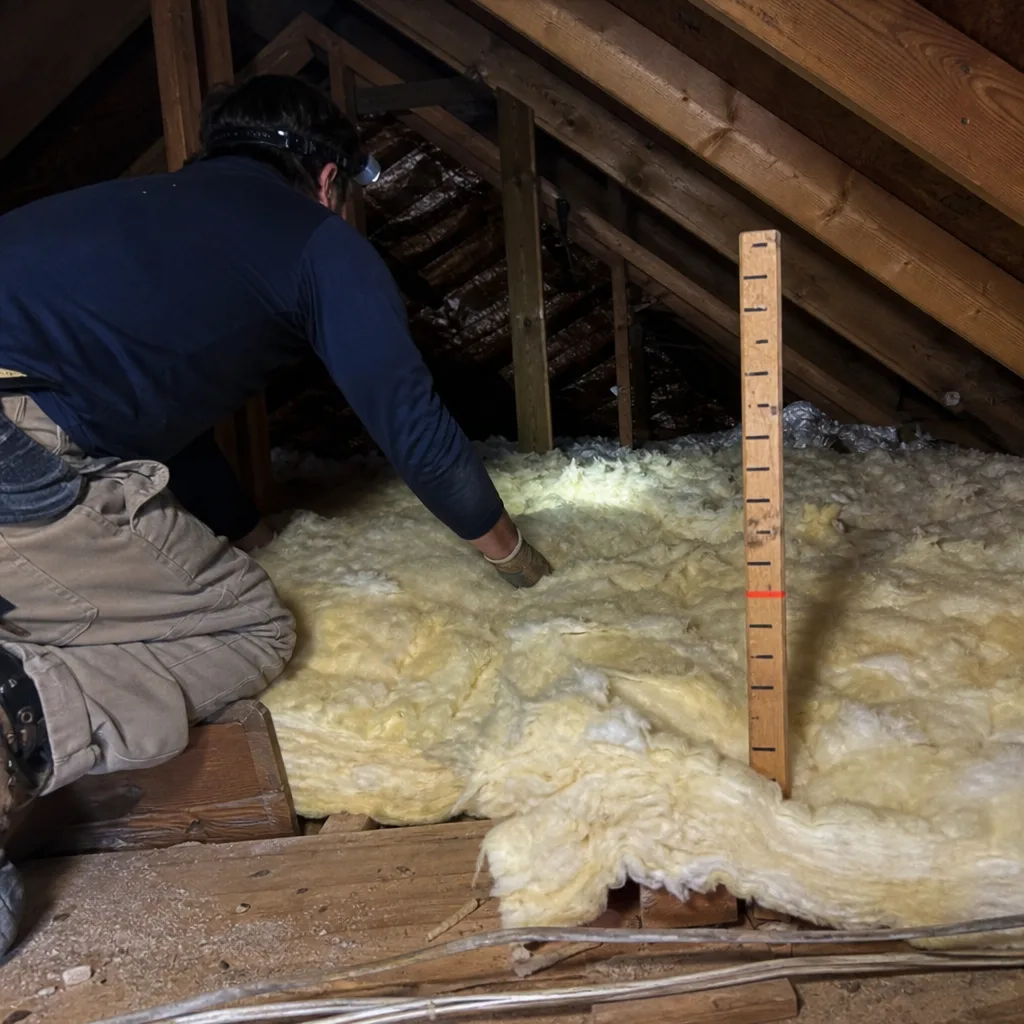
Blown-in fiberglass or cellulose is our standard for Camp Swift attics that have been properly air-sealed first. We source Owens Corning and GreenFiber products, and we install to R-38 or higher per the IECC climate zone requirements that apply to Bastrop County. The blown-in method fills irregular joist bays and covers top plates completely, which matters in the post-fire rebuilds where framing shortcuts left gaps the original crew never addressed. We never blow insulation over an unsealed attic floor. Under The Haven Standard, air sealing of top plates, can lights, and penetrations is completed before any insulation is added, and we verify with a blower-door test on applicable jobs.
Attic Batt Insulation
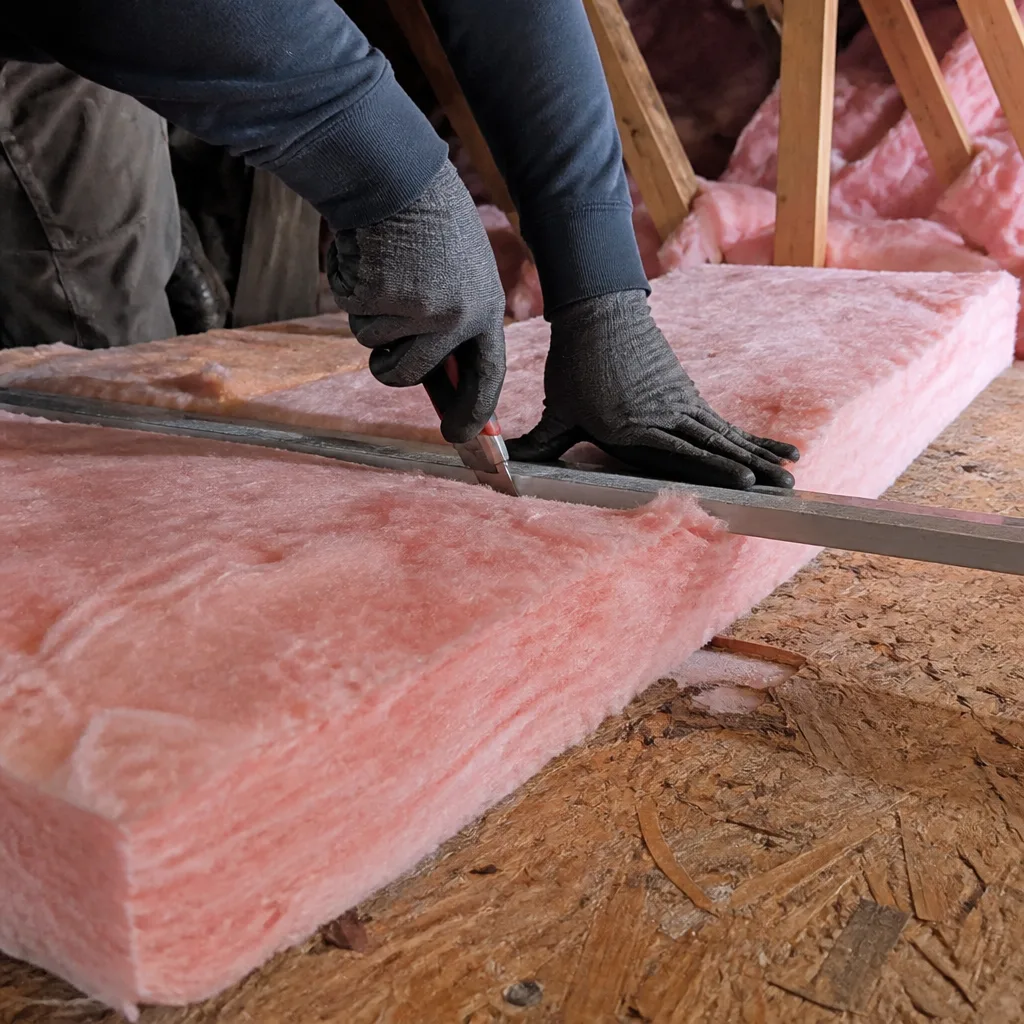
Batt insulation has a place in Camp Swift, particularly in detached workshops with standard joist spacing and in certain cathedral ceiling assemblies where blown material won’t hold position. We use Owens Corning batts cut to fit, not stuffed or compressed, because compressed fiberglass loses R-value fast. For the pre-2011 ranch and farmhouse stock with original batts that have settled or been disturbed by rodents, we typically recommend removal and replacement rather than layering. The documentation you receive includes photos of the old material condition, the installed batts, and any air sealing completed at the perimeter.
Attic Insulation Top-Up
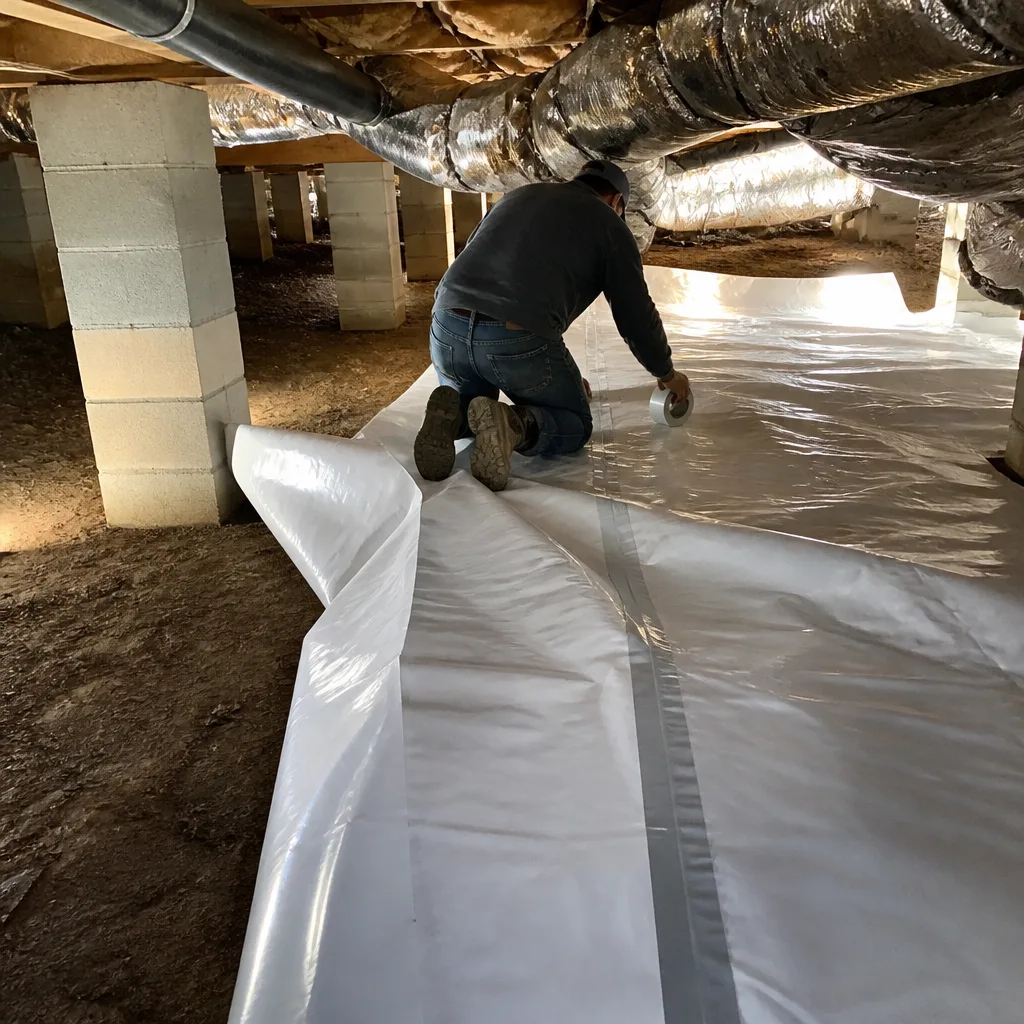
This is our most common Camp Swift service, and it’s where we have to be honest about what we’re topping up. If your post-fire rebuild attic has six inches of blown fiberglass - roughly R-19 - on top of stapled kraft batts with no baffles, adding more material traps moisture against the decking and makes the condensation problem worse. We inspect first. If the existing layer is dry, uncontaminated, and properly installed, we’ll top up to R-38 with blown fiberglass and install baffles at every eave to maintain soffit airflow. If it’s the shortcut assembly we commonly find from the 2012-2014 volume builders, we’ll quote removal, air sealing, and full replacement. Either way, you get a Written Price Before Any Work Starts with the scope spelled out.
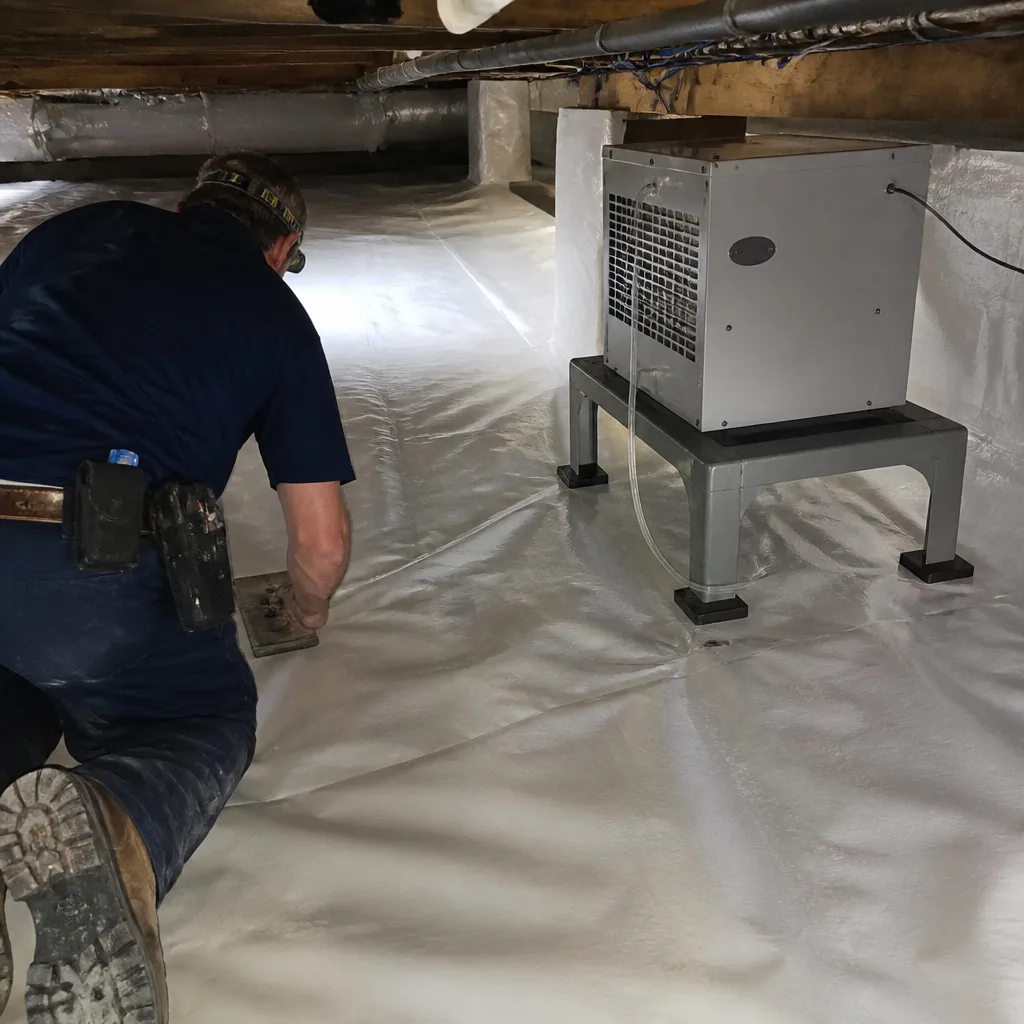
Attic Insulation Replacement
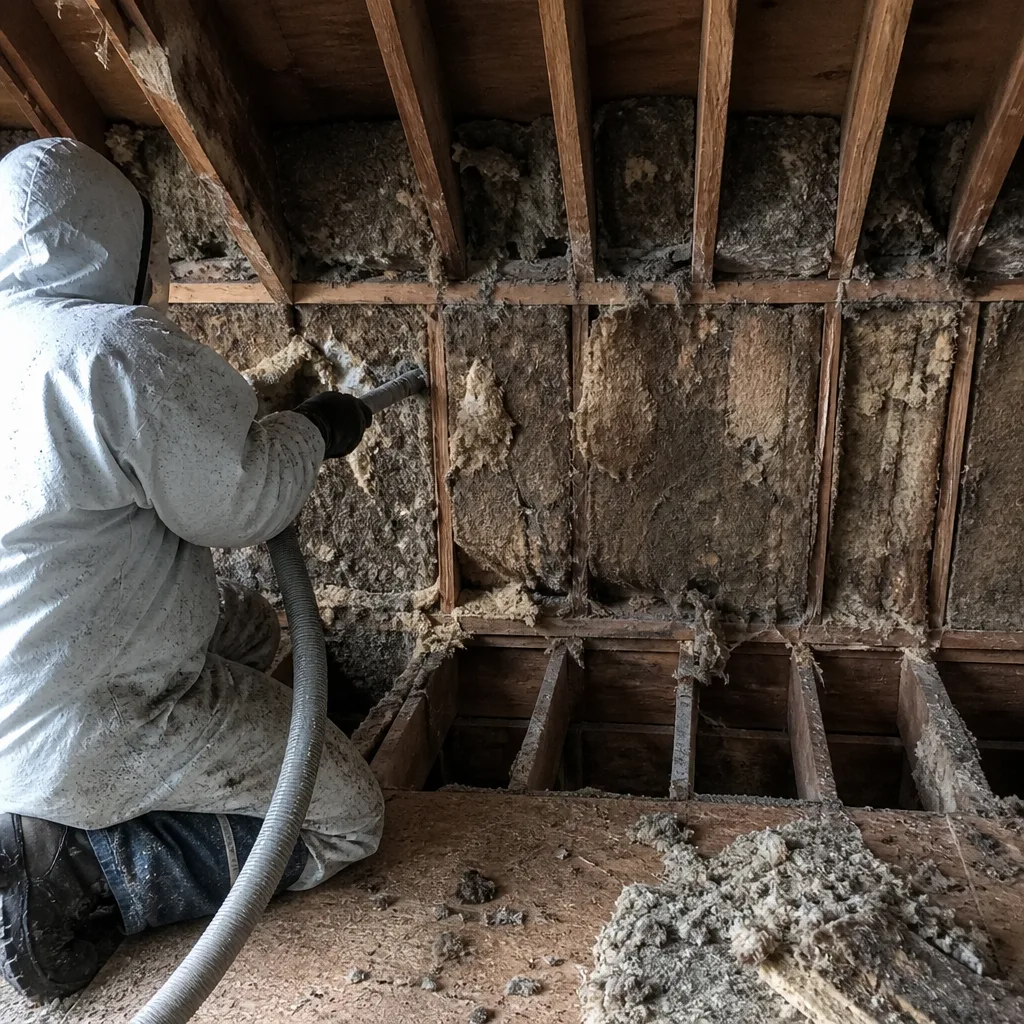
Full replacement is the right call for many Camp Swift attics, particularly the post-fire rebuilds where R-19 blown fiberglass was installed over stapled kraft batts on the same plane. That assembly fails on two counts: it’s well under the thermal target for 100°F+ summers, and the trapped kraft paper acts as a vapor retarder in the wrong location, collecting moisture from the Lost Pines humidity that drier-corridor contractors don’t account for. We remove the failing material, air-seal the envelope, install proper baffles, and blow new insulation to R-38 or higher. Every replacement job includes a Documented Photo Record and, on applicable work, before-and-after blower-door numbers so you can verify the air-sealing result in a single figure.
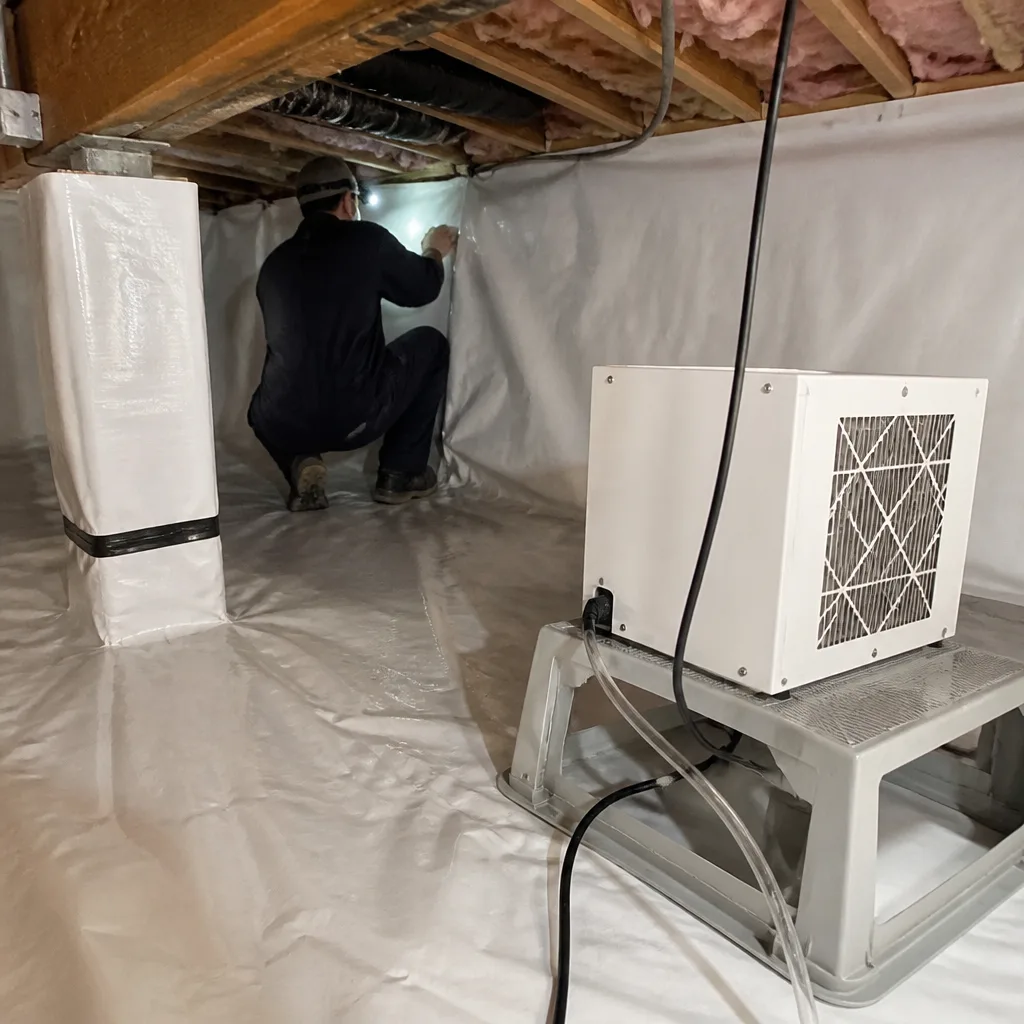
Attic Baffles & Ventilation Prep
Camp Swift’s Lost Pines humidity makes baffles non-negotiable. Without them, wind washing across the insulation face strips R-value, and blocked soffit airflow drives attic dew points high enough to condense on OSB decking. We install rigid baffles at every eave, verify soffit vent clearance, and check ridge vent continuity before any insulation goes in. For acreage properties with detached shops and low-slope or cathedral attic sections, we assess whether the original crew ever completed this prep or simply closed it in. The answer is usually no.
What happens when you call
- 1
A real person answersNo phone trees - you reach a local pro.
- 2
You get an upfront price rangeHonest numbers before anyone is dispatched.
- 3
A background-checked tech heads outLicensed & insured, dispatched right away.
- 4
You approve before work beginsNothing starts until you say go.
 Before
 After
AfterTrusted Brands We Service in Camp Swift
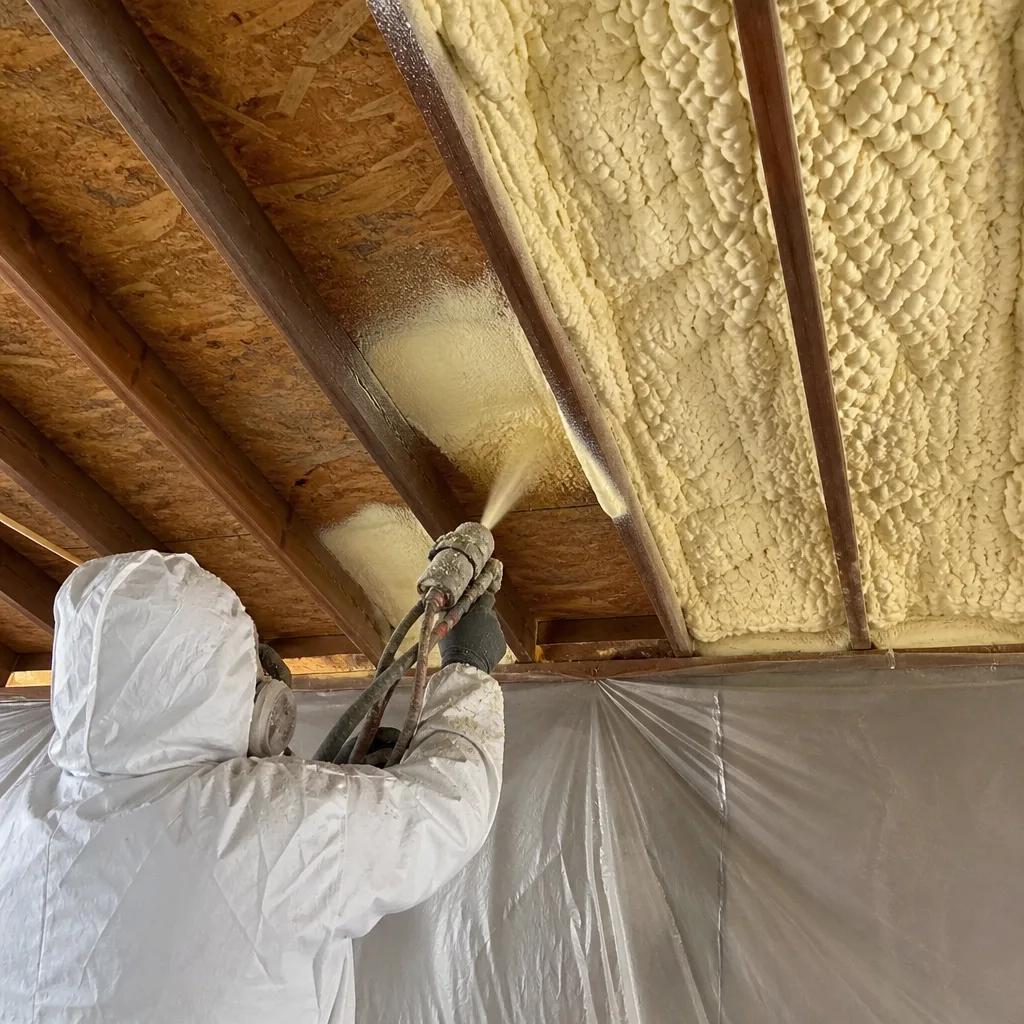
We source insulation materials from Owens Corning, GreenFiber, and Icynene among others, with no proprietary product lock-in. For Camp Swift customers, this means we select the right material for the specific condition of your attic rather than pushing whatever we have in regional distribution. Owens Corning blown fiberglass is our default for standard attic fills; GreenFiber cellulose for customers who prefer a recycled-content option; Icynene open-cell spray foam for specialized air-sealing and rim-joist applications. We stock local inventory for fast turnaround, and our trucks carry enough material for most residential attics without a return trip.
Common Attic Insulation Problems We See in Camp Swift Homes
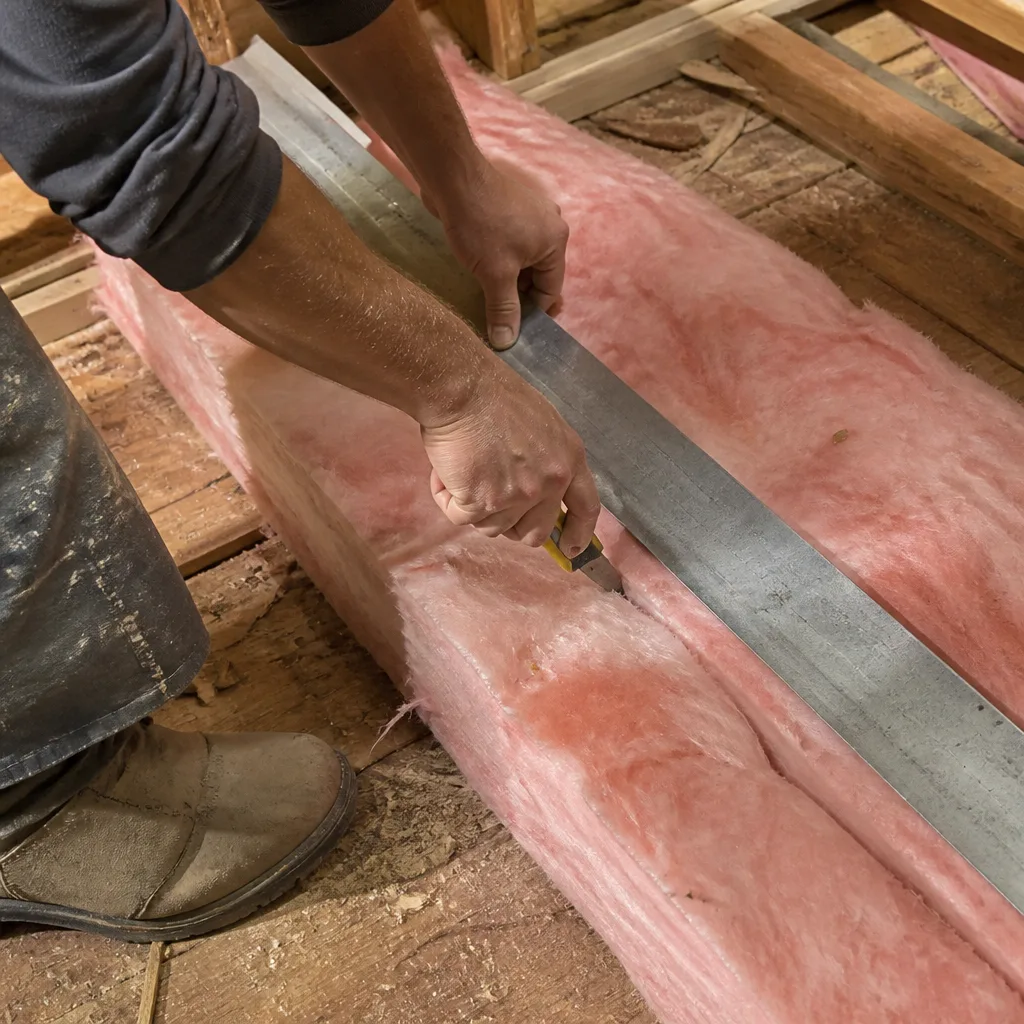
- Post-fire rebuilds with R-19 blown fiberglass over stapled kraft batts. The volume builders who dominated 2012-2014 reconstruction installed this shortcut assembly across dozens of Camp Swift homes. It’s thermally inadequate and traps moisture. We find it predictably.
- Attic condensation staining OSB decking. The Lost Pines canopy and reservoir-adjacent humidity push attic dew points higher than in Elgin or Smithville. Without proper baffles and soffit airflow, that moisture condenses on the underside of decking. The stain pattern is unmistakable once you’ve seen it.
- Detached shops and outbuildings with zero insulation. Acreage properties around Camp Swift often have uninsulated workshop structures that the original build crew never returned to after the main house insurance draw. These spaces become unusable in summer and expensive to heat in winter.
- Pre-2011 survivors with original fiberglass batts or no insulation at all. The older Bastrop County wood-frame ranch and farmhouse styles near Camp Swift frequently have batts that have settled, been disturbed by wildlife, or were never installed in non-conditioned spaces added later.
Pricing for Attic Insulation in Camp Swift, TX
A typical attic insulation top-up in Camp Swift runs $1,800-$2,800 for attics under 1,500 square feet with accessible conditions and dry existing material. Full removal and replacement for the post-fire rebuild shortcut assembly runs $3,200-$4,200 depending on attic square footage, material volume to remove, and the extent of air sealing required. Attic baffles and ventilation prep adds $400-$800 depending on linear feet of eave and soffit condition. Detached shop insulation is priced by structure size and access, typically $1,200-$2,500.
What moves the number: attic square footage, existing material condition and volume to remove, accessibility (steep roof pitch, limited hatch size, long carry distances), air sealing extent, and whether baffles are needed. We don’t guess. Every job begins with inspection, and you receive a Written Price Before Any Work Starts with the scope itemized. No work starts without it. That’s Haven Standard Clause 1.
Call (254) 970-2136 for a free estimate. We’ll inspect your attic, name your price in writing, and you decide.
We Also Serve Cities Near Camp Swift
Our crews work the full corridor from the Austin office, including Camp Swift and surrounding communities. We also serve Georgetown, Round Rock, Brushy Creek, and Leander with the same material loads, same documentation standards, and same Written Price Before Any Work Starts. If you’re between these points, call and we’ll confirm coverage.
Serving Camp Swift, TX - Our Local Coverage Area
We’re based in the Camp Swift area and know this community well. Use the map below to see our service coverage - if you’re nearby, we can almost certainly help.
FAQs - Attic Insulation in Camp Swift
No. Six inches of blown fiberglass is roughly R-19, well below the R-38 or higher needed for Bastrop County’s climate zone and your 100°F+ summer attic temperatures. Many 2012-2014 post-fire rebuilds in Camp Swift were insulated to this level by volume builders working under insurance timelines. We inspect the full assembly - what’s under that blown layer, whether baffles exist, whether moisture is collecting - and quote either a top-up with proper ventilation prep or full replacement. Call (254) 970-2136 for a free estimate; we’ll name your exact price in writing.
Camp Swift sits inside the Lost Pines ecosystem, which traps significantly more humidity than the open Central Texas landscape 20-30 miles west. That higher ambient moisture, combined with attic temperatures that regularly exceed 140°F in summer, pushes dew points to where condensation forms on OSB decking if soffit airflow is blocked or baffles are missing. Elgin’s drier corridor doesn’t produce the same condensation pressure. We fix this by installing baffles at every eave, verifying ridge vent continuity, and ensuring insulation doesn’t block the airflow path. Call (254) 970-2136 and we’ll inspect your ventilation geometry.
Sometimes, but only if the existing material is dry, uncontaminated, and not part of the failed shortcut assembly we commonly find in Camp Swift post-fire rebuilds. If your attic has R-19 blown fiberglass over stapled kraft batts with no baffles, adding more material traps moisture and worsens the condensation problem. We test for this during inspection. When conditions permit, we’ll top up to R-38 with new blown fiberglass and install baffles at every eave. When they don’t, we’ll quote removal and proper replacement with the scope spelled out in writing before any work starts. Call (254) 970-2136 for a free estimate.
Yes. Acreage properties around Camp Swift often have detached shop structures that the original build crew never insulated after the main house insurance draw. We size the insulation assembly to the structure’s intended use - blown fiberglass for standard joist bays, batts for exposed ceiling applications, spray foam for metal buildings or conditioned workshops - and we carry materials for most configurations without a return trip. The same Written Price Before Any Work Starts and Documented Photo Record apply. Call (254) 970-2136 to schedule inspection.
Most post-fire rebuilds from the 2012-2015 wave need at least partial replacement, not just a top-up. The volume builders who dominated that period installed R-19 blown fiberglass over stapled kraft batts on the same plane, skipped baffles, and never air-sealed top plates or penetrations. That assembly is thermally inadequate and moisture-trapping. We inspect the full stack, test for condensation and air leakage, and quote either targeted removal with top-up or full replacement depending on what we find. You’ll get the documented photos, the blower-door numbers on applicable jobs, and the written scope before anyone lifts a tool. Call (254) 970-2136 for a free estimate.
Ready to fix your attic? Call (254) 970-2136 for a free estimate. We’ll inspect your Camp Swift property, name your price in writing under Haven Standard Clause 1, and deliver a Documented Photo Record when the crew leaves. Our Attic Insulation team carries full material loads and typically reaches Camp Swift within 45-60 minutes. Live person answers 24/7.
Written by Wes Okafor, Owner at Envelope Insulation Co., serving Camp Swift under The Haven Standard since 2016.