

Fast, Reliable Spray Foam Insulation Across Austin
Spray foam insulation in Austin typically costs $2.80-$6.50 per board foot installed, with most whole-attic jobs running $3,200-$7,800 depending on thickness and access. Our crews dispatch from the Austin office and can usually reach homes in Travis Heights, Steiner Ranch, or Circle C Ranch within 45 minutes of a scheduled call. You can reach us at (254) 970-2136 - a live person answers, 24/7.
We’ve sealed and insulated more than 9,000 homes since 2016, and a growing share of that work has been right here in Austin. The housing stock here presents specific problems - pier-and-beam bungalows with uninsulated crawl-space floors, 1990s slab-on-grade tract homes with settled blown fiberglass, and roof decks baking under 150°F attic temperatures half the year - that make spray foam placement and thickness decisions especially consequential. Our Spray Foam Insulation team treats air sealing as a hard prerequisite, not an upsell, and we publish before-and-after blower-door numbers on every job so you can verify the performance change.
Why Topside Attic Insulation Georgetown Is Austin’s Preferred Spray Foam Insulation Company
Our reputation in Austin was built on documented results, not marketing claims. Homeowners here read the three-star reviews as carefully as the five-star ones, so we publish blower-door readings - a pressurization measurement that shows, in one number, how much conditioned air your building envelope was losing before and after our work - on every applicable job. The numbers speak plainly: a typical pre-seal reading of 4,200 CFM50 dropping to 2,100 after our crew finishes is common in the 1985-2005 tract homes along Slaughter Lane and Parmer Lane.
Response time matters in Austin’s summer heat. When an attic hits 160°F in August, a failed insulation system isn’t a future energy issue - it’s an air conditioner running continuously, right now. We coordinate dispatch from our Austin office and carry materials from Owens Corning, Icynene, and Demilec so we’re not waiting on supply-house delivery.
Local knowledge shapes every scope we write. We know which Hyde Park and Cherrywood bungalows sit on pier-and-beam foundations with completely uninsulated floor decks, because we’ve crawled them. We know which Circle C Ranch and Steiner Ranch slab homes were built to minimum 1990s code and have since settled well below current R-38 targets. That specificity means our written prices - delivered before any work starts, per Haven Standard Clause 1 - reflect actual conditions, not guesswork.
Our Spray Foam Insulation Services in Austin
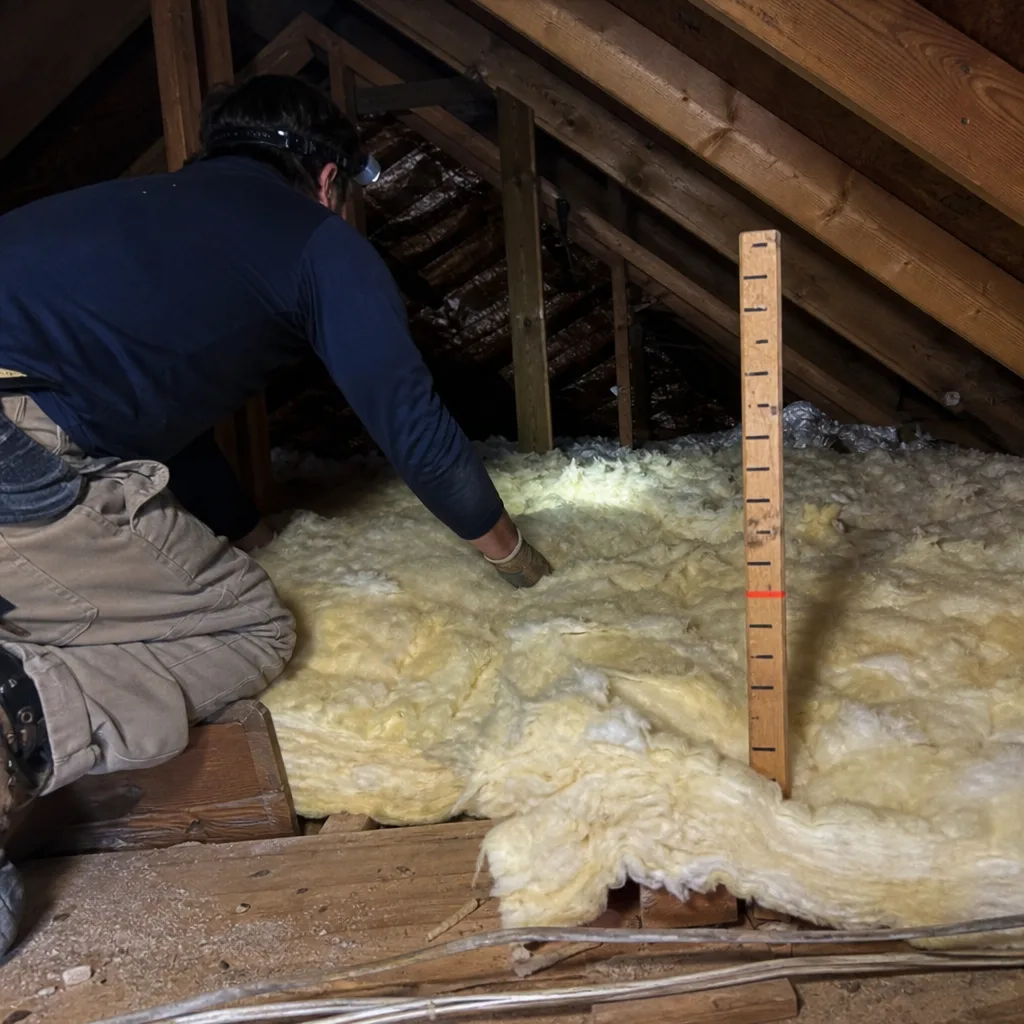
Closed-Cell Spray Foam
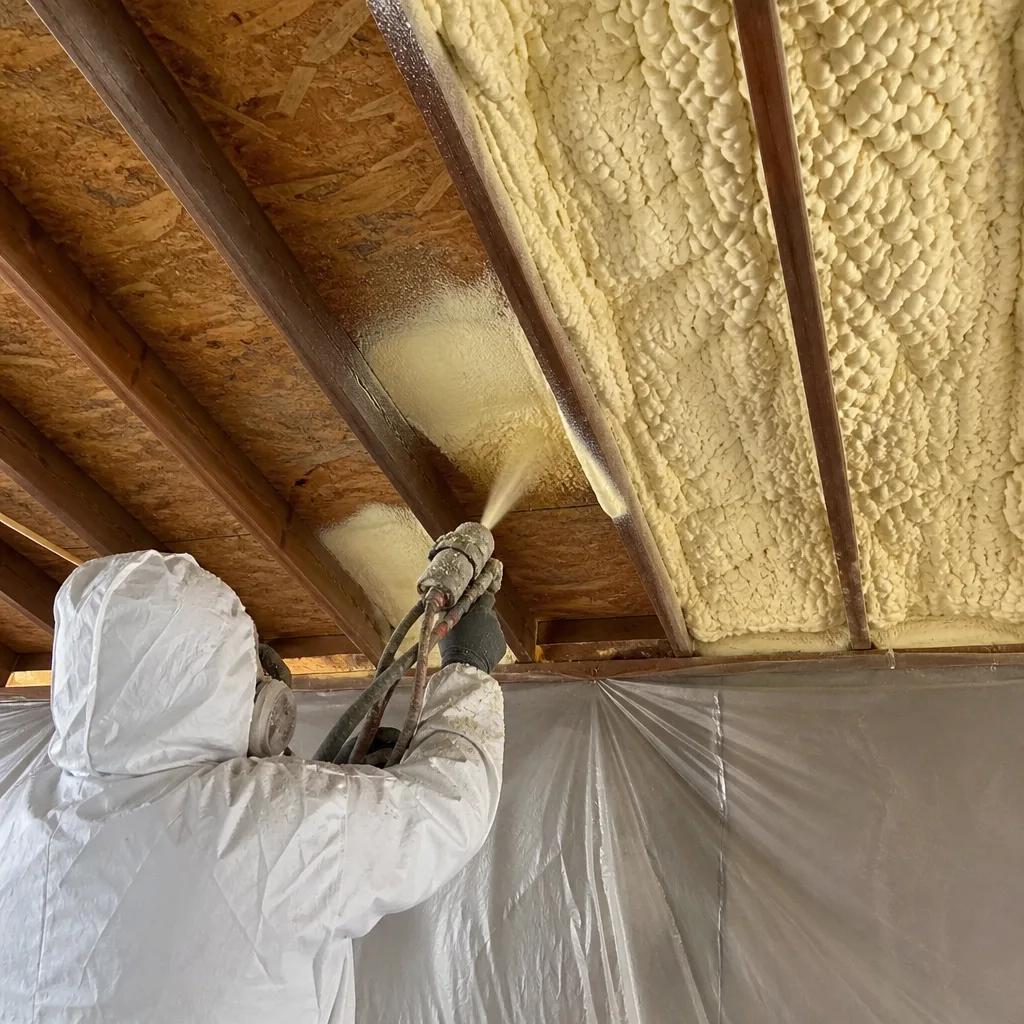
Closed-cell spray foam - a rigid, high-density foam that delivers R-6.5 per inch and acts as its own vapor barrier - is our default recommendation for Austin’s rim joists, crawl-space bands, and any application where the foam must also block moisture. In the pier-and-beam bungalows throughout Travis Heights, Hyde Park, and Cherrywood, closed-cell at the rim joist is often the difference between pipes that freeze and pipes that don’t. We specify thickness to hit R-19 or better at the band joist, and we document the application with photos for your record. A typical closed-cell job in Austin runs $4.20-$6.50 per board foot.
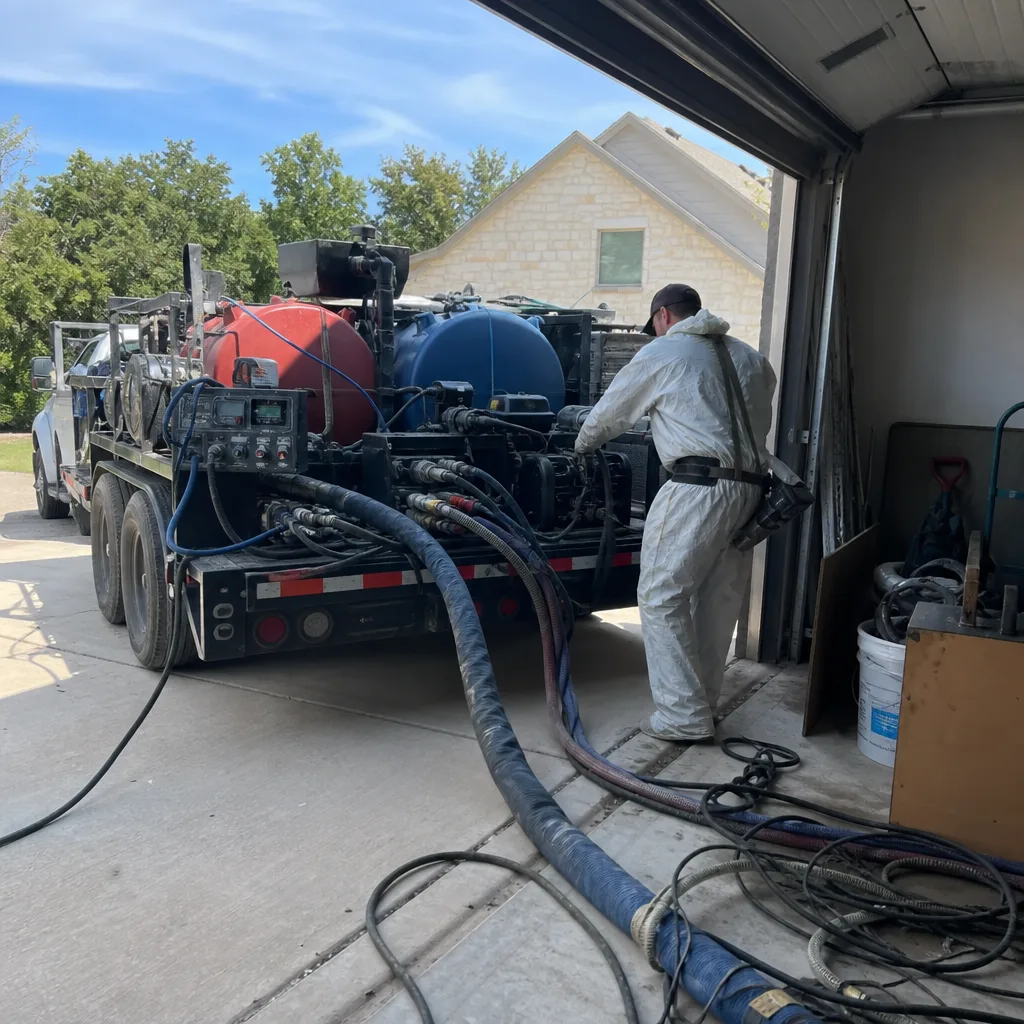
Open-Cell Spray Foam
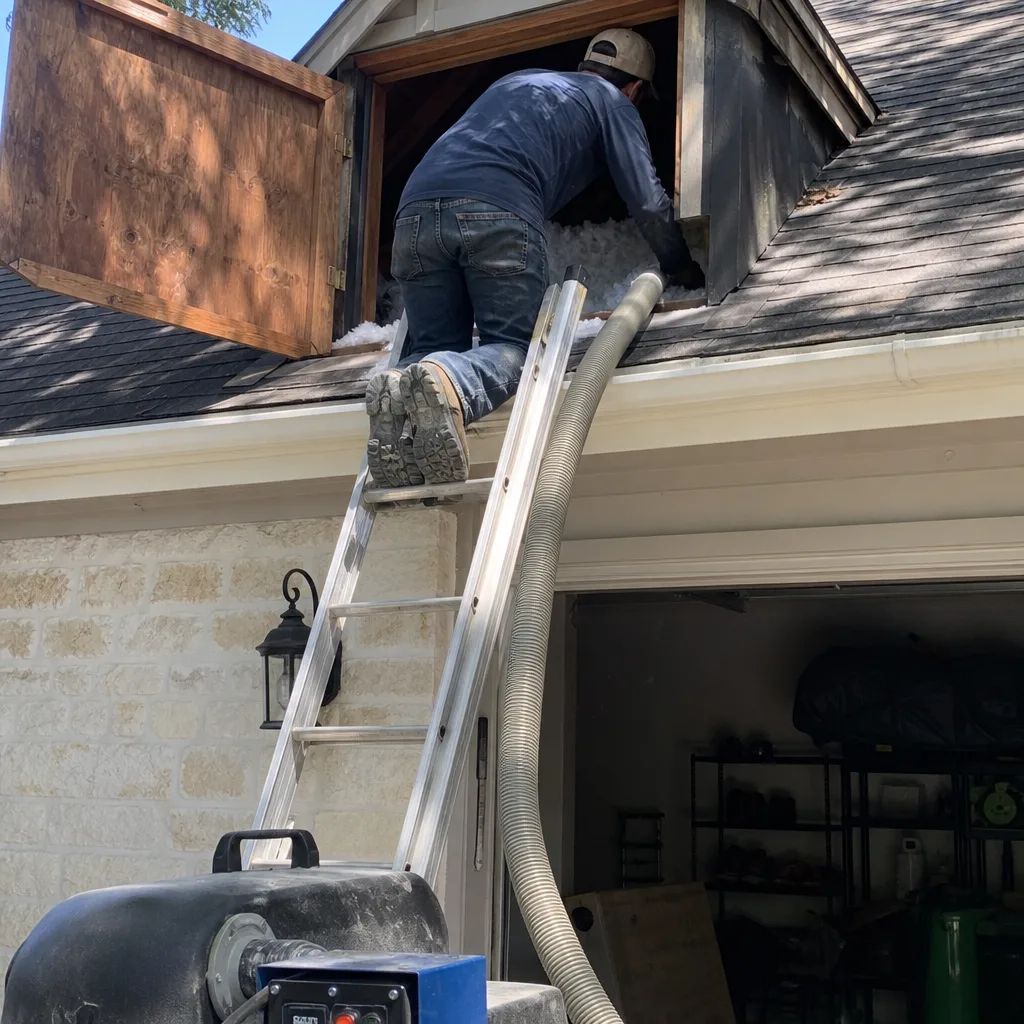
Open-cell spray foam - lighter, softer, and more permeable to moisture vapor at R-3.6 per inch - works well for attic flat floors and roof decks where assembly drying is a priority. In Austin’s climate, we use open-cell primarily at roof decks where the existing ventilation strategy needs to remain functional, and in conditioned attics where the assembly won’t see bulk water. It’s not a vapor barrier, so we don’t specify it below grade or at rim joists. Open-cell in Austin typically costs $2.80-$4.10 per board foot.
Rim Joist Spray Foam
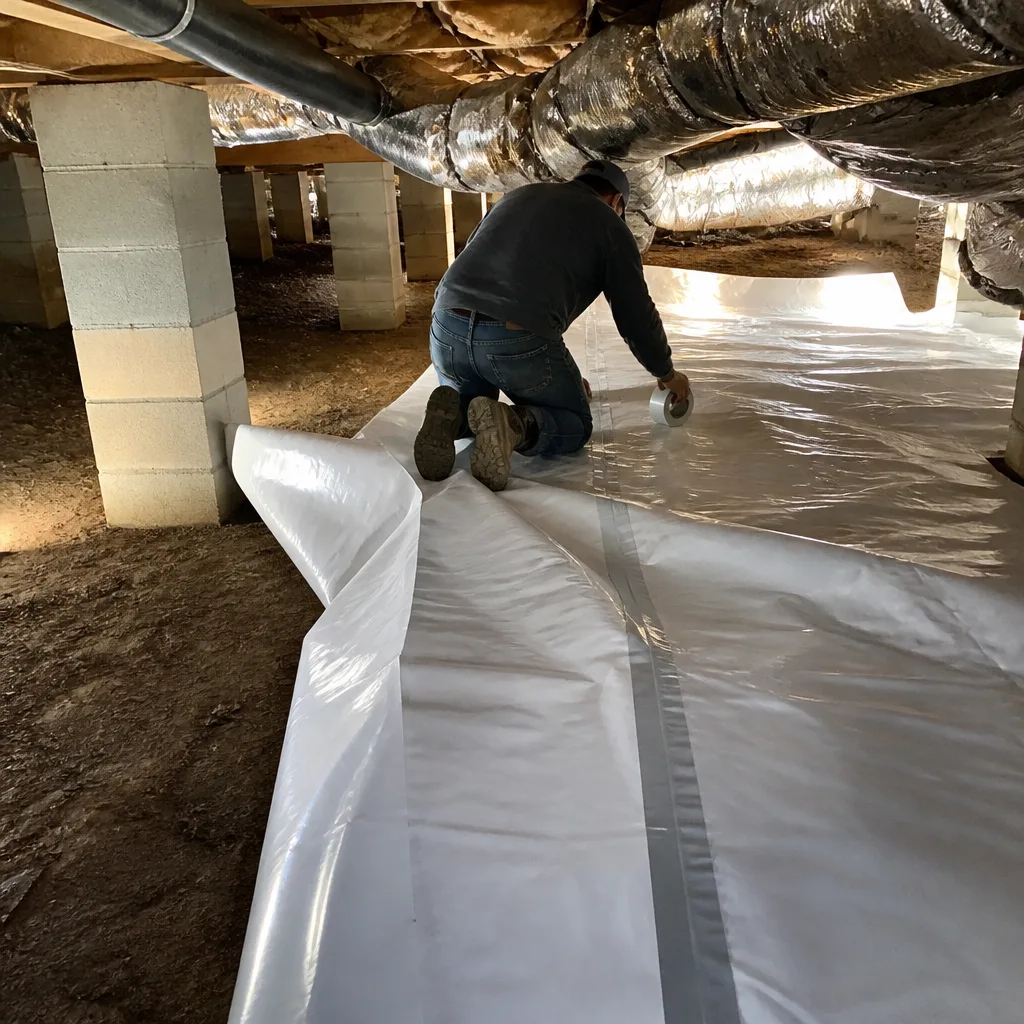
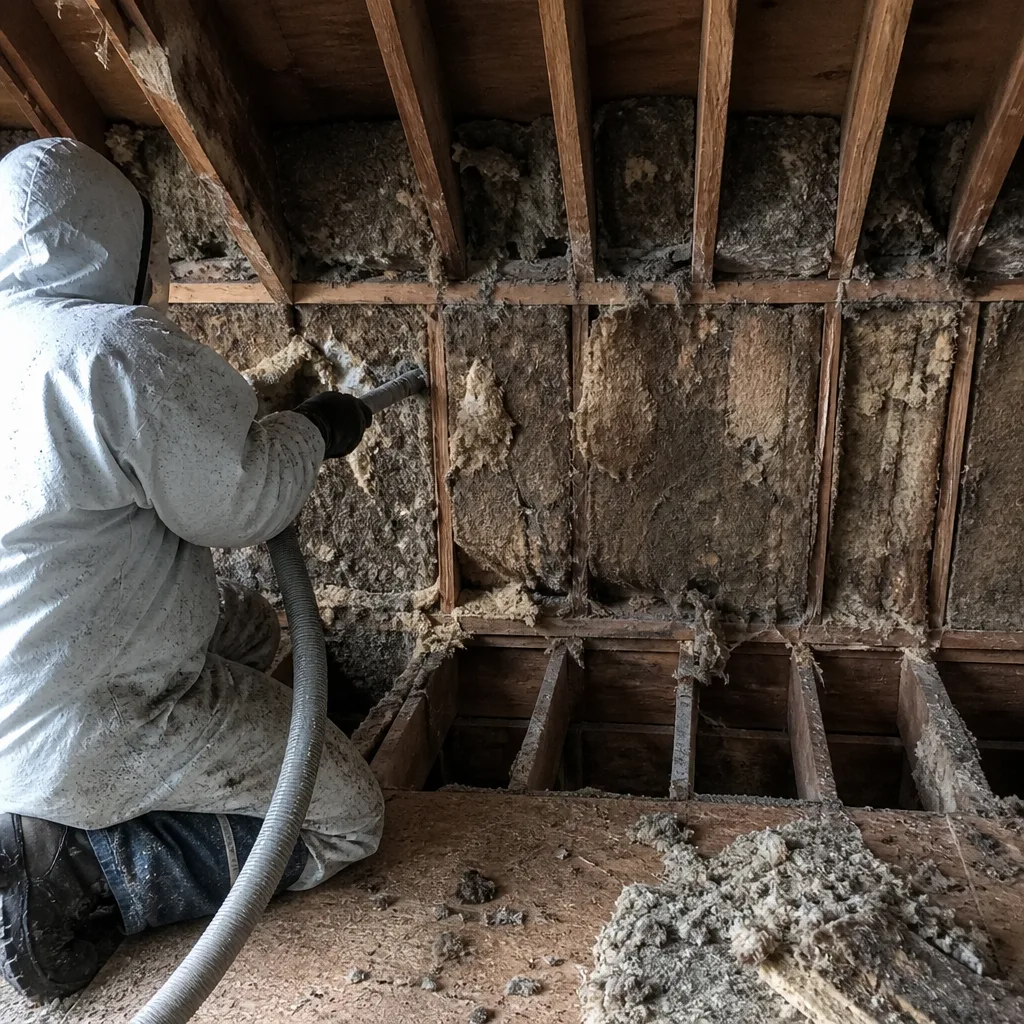
The rim joist - the perimeter band where your floor framing meets the foundation - is the most under-addressed thermal bridge in Austin’s older housing stock. In pier-and-beam homes, this band is often completely exposed to outside air, and in slab-on-grade construction, it’s frequently the only above-grade concrete edge that sees interior conditions. Our crew was called to a pier-and-beam bungalow in Travis Heights after the owner’s AC ran nonstop through July and her pipes froze during Uri. We pulled the original fiberglass batts from the attic - compressed and dust-streaked with age - and found the floor deck over the open crawl space had no insulation at all, which explained both the summer heat gain and the winter freeze loss. We sealed the rim joists and attic penetrations with closed-cell spray foam, capped the attic at R-49 to meet Austin Energy’s rebate documentation, then foamed the exposed crawl-space floor joists, giving the house its first real thermal boundary in decades. Rim joist work in Austin typically ranges $1,800-$3,400 for a full perimeter treatment.
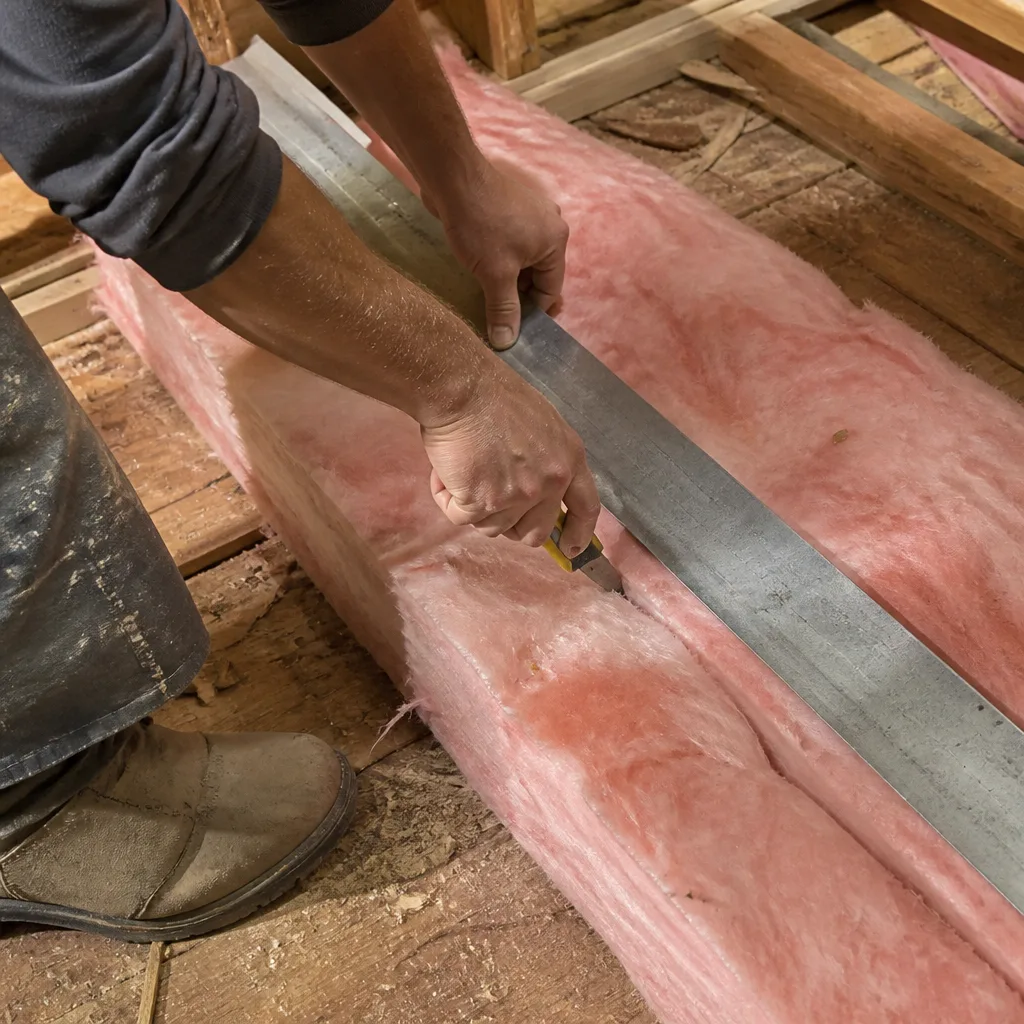
Garage Ceiling Spray Foam
Garage ceilings beneath conditioned bedrooms are a common heat-gain vector in Austin’s 1990s-2000s subdivisions, particularly in neighborhoods like Circle C Ranch where bonus rooms sit over attached garages. We treat these as part of the thermal boundary, not an afterthought, sealing penetrations and applying foam to create a continuous air barrier. Most garage ceiling jobs in Austin run $2,400-$4,600.
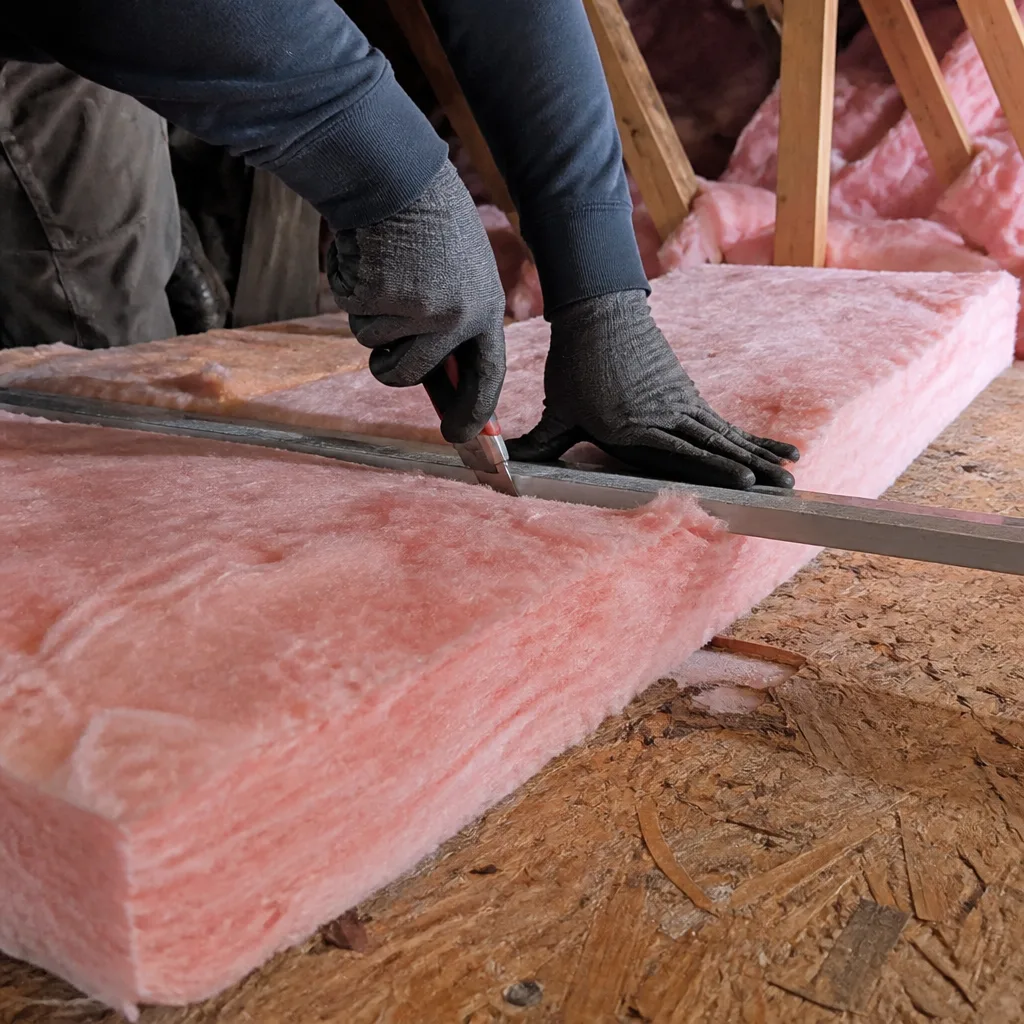
Spray Foam Roof Deck
Spray foam applied directly to the roof deck - converting the attic from vented to conditioned space - is increasingly common in Austin, but it requires careful attention to shingle temperature and warranty implications. In Austin’s 100-plus-day 90°F summers, an unvented roof assembly with dark shingles can drive sheathing temperatures high enough to accelerate asphalt degradation. We specify light-colored or reflective roofing whenever a roof-deck foam job is planned, and we coordinate with roofing manufacturers to document that the assembly meets their warranty terms. A typical roof-deck application in Austin costs $4,800-$9,200 depending on pitch, access, and square footage.
What happens when you call
- 1
A real person answersNo phone trees - you reach a local pro.
- 2
You get an upfront price rangeHonest numbers before anyone is dispatched.
- 3
A background-checked tech heads outLicensed & insured, dispatched right away.
- 4
You approve before work beginsNothing starts until you say go.
 Before
 After
AfterTrusted Brands We Service in Austin
We source spray foam materials from Icynene, Demilec, and CertainTeed - no proprietary lock-in, no single-source dependency. That means if a specific formulation works better for your assembly (Demilec’s heat-resistant closed-cell for a south-facing roof deck, for example, or Icynene’s open-cell for a conditioned attic in a Hyde Park bungalow), we specify it based on performance, not brand exclusivity. We stock common set sizes at our Austin office for fast turnaround on standard jobs, and we order specialty formulations with a 48-hour lead time when the scope calls for it.
Common Spray Foam Insulation Problems We See in Austin Homes
- Spray foam applied over legacy compressed attic batts on 1985-2005 slab-on-grade tract homes without removing the old material. The new foam traps dust and reduces adhesion while masking that the R-value still falls short of Austin Energy’s R-49 target. We remove old material, verify the deck condition, and start from a clean substrate.
- Rim joists and sill plates in pier-and-beam bungalows skipped during the spray-foam scope because the crew never entered the crawl space. This leaves the same uninsulated band that froze pipes during Winter Storm Uri. Our scopes include crawl-space access as standard, not optional, in pier-and-beam homes.
- Spray foam applied to roof decks in Austin’s 100-plus-day 90°F summers without accounting for attic ventilation changes. The resulting shingle temperature climb can void roofing warranties on older homes. We model the assembly and coordinate with roofing manufacturers before application.
- Rebate documentation filed without the blower-door verification that Austin Energy requires for R-49 claims. We provide the pressurization readings and photo documentation as part of every job, so your rebate submission is complete the first time.
Pricing for Spray Foam Insulation in Austin, TX
Most spray foam insulation jobs in Austin fall within these ranges:
| Open-cell attic floor (R-38, typical 1,800 sq ft) | $3,200-$4,800 |
| Closed-cell rim joist (full perimeter, typical home) | $1,800-$3,400 |
| Closed-cell crawl-space floor joists (pier-and-beam) | $2,600-$5,200 |
| Open-cell roof deck (conditioned attic) | $4,800-$7,400 |
| Closed-cell roof deck (high-temperature assembly) | $6,200-$9,200 |
| Garage ceiling (bonus room over garage) | $2,400-$4,600 |
What moves the number: access difficulty (steep pitches, tight crawl spaces), existing material removal, and whether the job is structured to qualify for the Austin Energy rebate (which requires specific R-value documentation). We deliver a written price before any work starts - Haven Standard Clause 1 - and we offer a Free Second Opinion on any competing written estimate. Call (254) 970-2136 for your exact scope and price; estimates are free.
We Also Serve Cities Near Austin
Our Spray Foam Insulation in Austin crews also work in Pflugerville, Cedar Park, Manor, and Round Rock. Dispatch and scheduling are coordinated from our Austin office, and we carry the same material stock and documentation standards to every job in the metro.
Serving Austin, TX - Our Local Coverage Area
We’re based in the Austin area and know this community well. Use the map below to see our service coverage - if you’re nearby, we can almost certainly help.
FAQs - Spray Foam Insulation in Austin
Yes - spray foam qualifies for Austin Energy’s residential insulation rebate when it meets the program’s verified R-value targets, which for attics means R-38 to R-49 depending on your starting point. The utility’s program rules make spray foam one of the few upgrade paths that can hit R-49 in a single visit, because closed-cell at R-6.5 per inch reaches target thickness faster than blown fiberglass. We structure our scopes to meet Austin Energy’s documentation requirements - including blower-door verification for R-49 claims - and we provide the paperwork you need for submission. Call (254) 970-2136 and we’ll walk through whether your specific assembly qualifies.
In a pier-and-beam bungalow, spray foam belongs at three locations: the rim joist (the perimeter band where floor meets foundation), the floor joists above the open crawl space, and the attic floor or roof deck. The rim joist is usually the most critical - it’s the thermal bridge that caused pipe freezes during Uri - followed by the crawl-space floor joists, which are often completely bare in Hyde Park, Cherrywood, and Travis Heights homes built before 1950. We inspect all three locations before writing the scope, and we photo-document what we find so you can see the conditions we started from.
No - we don’t apply spray foam over existing blown fiberglass. The old material traps dust, reduces foam adhesion, and masks that the settled fiberglass is no longer performing at its labeled R-value. In Circle C Ranch and similar 1985-2005 tract homes along Slaughter Lane and Parmer Lane, we remove the old material, verify the deck condition, air-seal penetrations and top plates, then apply spray foam to a clean substrate. The result hits Austin Energy’s R-49 target with a documented blower-door reading, not a guess. Most homeowners see the investment back in utility reduction and rebate capture within 4-7 years.
It can - if the assembly isn’t modeled for shingle temperature and ventilation changes. In Austin’s climate, an unvented roof deck with dark shingles and no reflective surface can drive sheathing temperatures high enough to accelerate asphalt degradation and void roofing warranties. We coordinate with roofing manufacturers before application, specify light-colored or reflective roofing when a roof-deck foam job is planned, and document that the assembly meets warranty terms. The foam itself performs fine; the question is whether the roof covering above it can handle the changed thermal profile.
Closed-cell is our default for rim joists, crawl-space bands, and any location where moisture blocking matters - which in Austin means most below-grade and perimeter applications. Open-cell works for attic floors and roof decks where vapor permeability aids assembly drying. The decision also depends on your rebate target: Austin Energy’s R-49 ceiling often requires closed-cell’s higher per-inch R-value if framing depth is limited. We specify based on what we find during inspection, not a one-size-fits-all menu. Call (254) 970-2136 for a free estimate and we’ll show you the photos and the written scope before anyone lifts a tool.
Ready to see what spray foam can do for your Austin home? Call (254) 970-2136 for a free estimate. We’ll deliver a written price before any work starts, seal your air leaks before we insulate, and leave you with a Documented Photo Record and - on applicable jobs - before-and-after blower-door numbers that prove the performance change.
Written by Wes Okafor, Owner at Envelope Insulation Co., serving Austin since 2016 under The Haven Standard.