
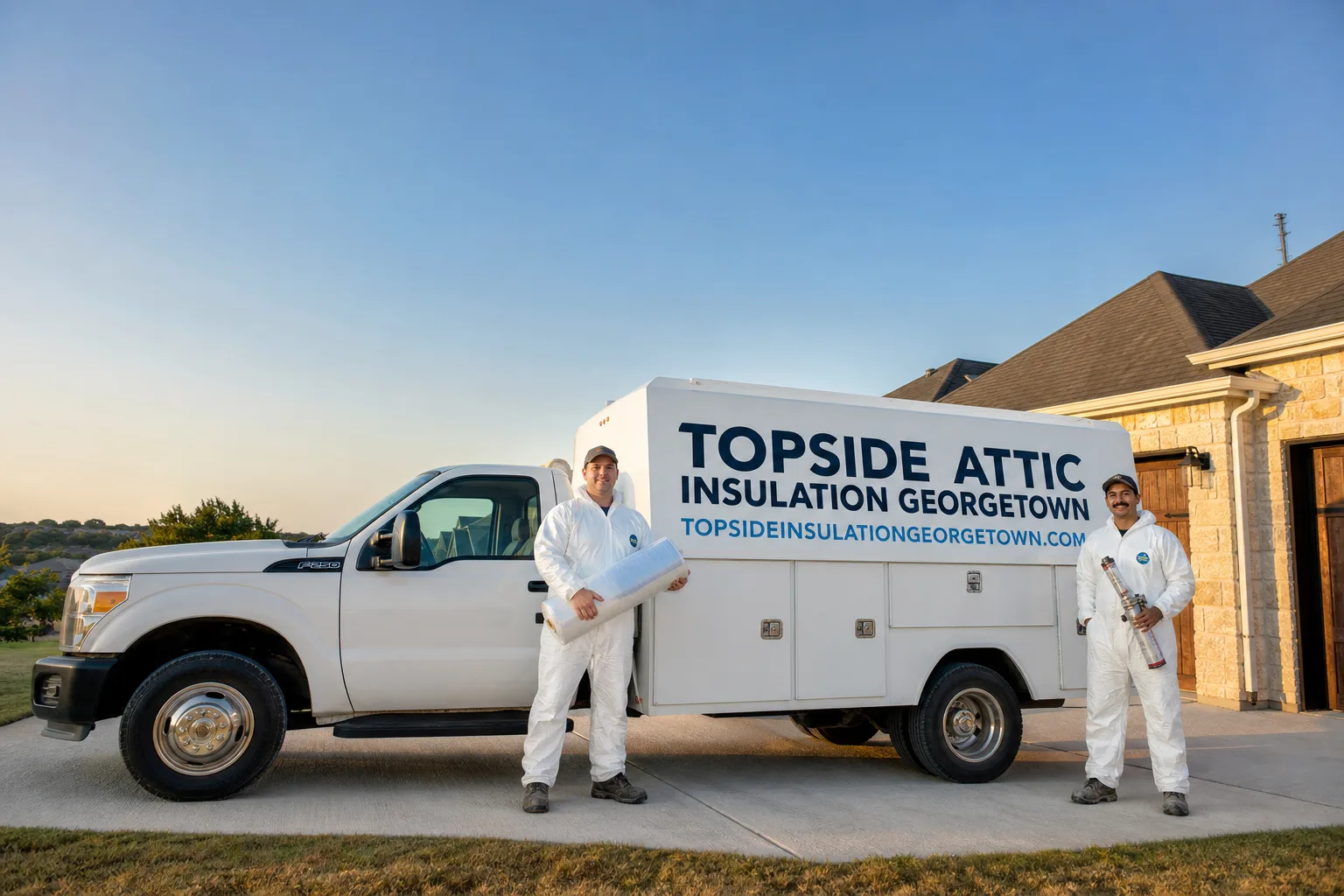
Fast, Reliable Blown-In Insulation Across Round Rock
Most blown-in insulation retrofits in Round Rock run $1,800-$4,200 for a typical single-story attic and can be completed in a single morning, with same-day scheduling available when you call (254) 970-2136. We’re the crew that knows what waits above the attic hatch in a Dell-era subdivision - settled fiberglass, unsealed top plates, and electric bills that climb every summer. Dispatch and scheduling run from our Austin office, but our trucks are in Round Rock daily, and we carry the full material stock so we’re not waiting on a delivery to finish your job.
Round Rock’s building stock is unlike anywhere else in Central Texas. The production-build boom from 1995 to 2005 - driven by Dell’s headquarters expansion - dropped thousands of nearly identical homes across Forest Creek, Teravista, and the east-side corridors in an 18-month sprint per phase. Same builder. Same subs. Same attic spec. That uniformity is our advantage: a technician who completes one blown-in retrofit on your block already knows the exact settled depth, the unsealed can-light pattern, and the top-plate gap spacing of the next four houses. We don’t guess. We measure, document, and fix what that original builder skipped.
Why Topside Attic Insulation Georgetown Is Round Rock’s Preferred Blown-In Insulation Company
We’ve sealed and insulated more than 9,000 homes since 2016, and a growing share of that work is concentrated in Round Rock’s 1990-2010 subdivisions. Our reviews from Round Rock customers consistently cite two things: the written price they received before anyone touched a tool, and the blower-door reading on the invoice that proved the air sealing worked. We don’t ask for trust. We document.
Response time to Round Rock is typically same-day or next-morning, depending on when you call. A live person answers (254) 970-2136 24/7 - no voicemail queue, no callback window measured in business days. Our crews are background-checked, uniformed, and text when they’re en route.
The local knowledge matters. We know that a Forest Creek attic hatch from 1998 sits in a hallway with a specific framing header that cracks if you don’t support it. We know Teravista’s two-story plans from 2002 have scuttle holes too small for standard baffles, so we cut custom pieces on site. These aren’t marketing claims. They’re the details that separate a finished job from a job that actually performs.
Our Blown-In Insulation Services in Round Rock
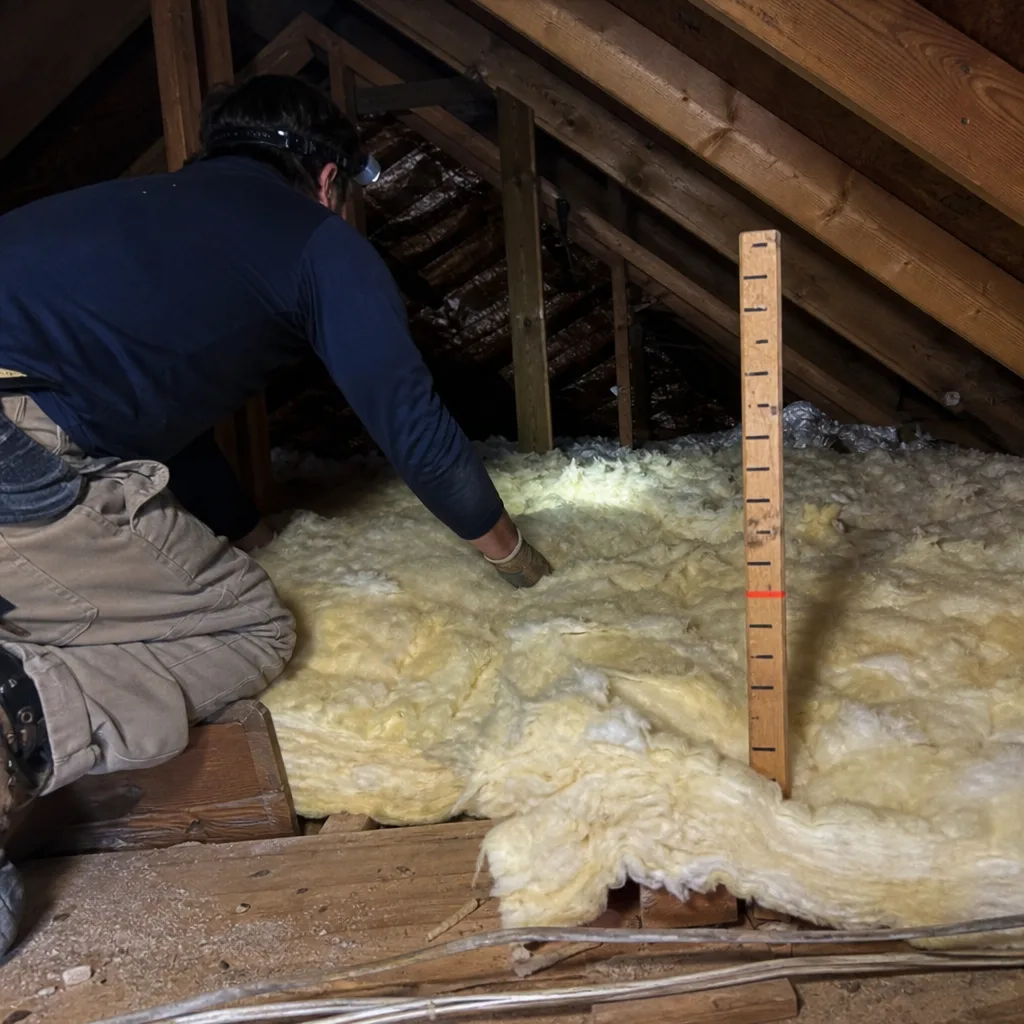
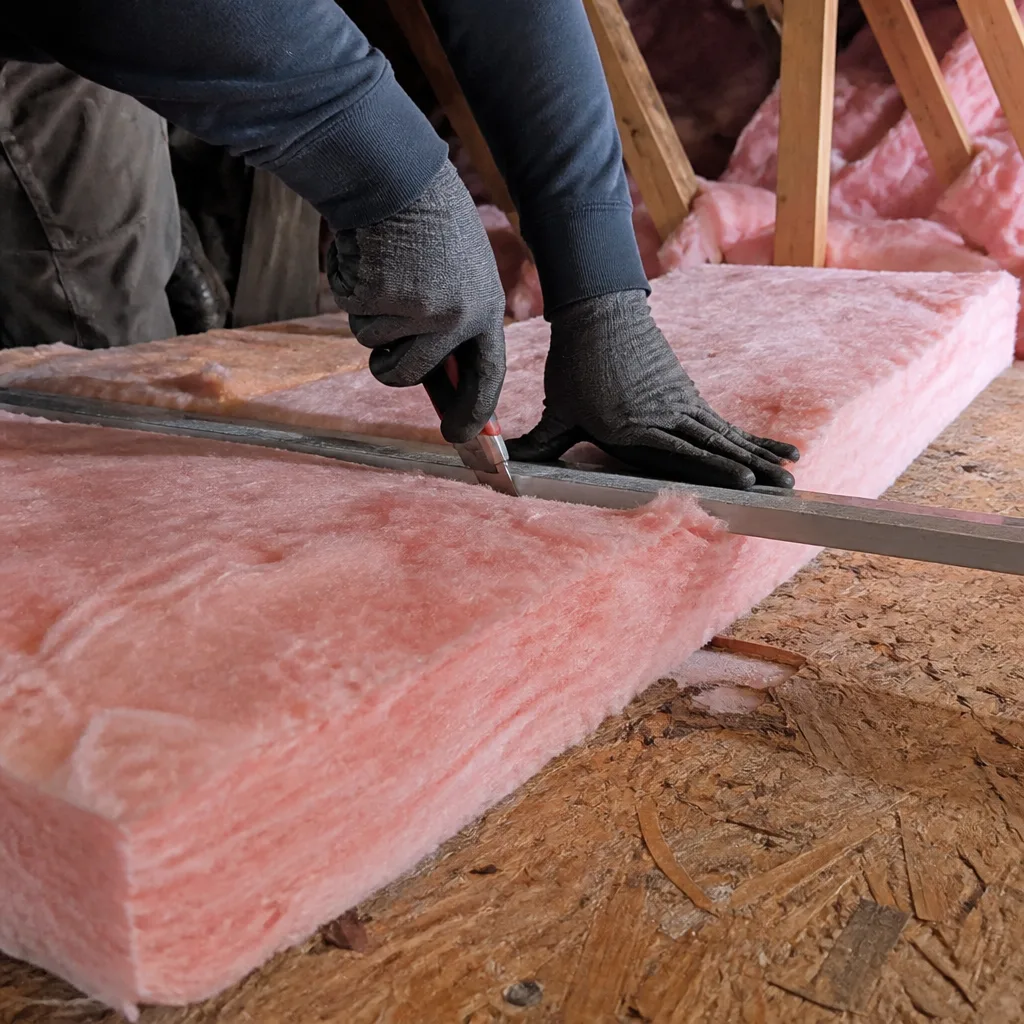
Blown-In Cellulose
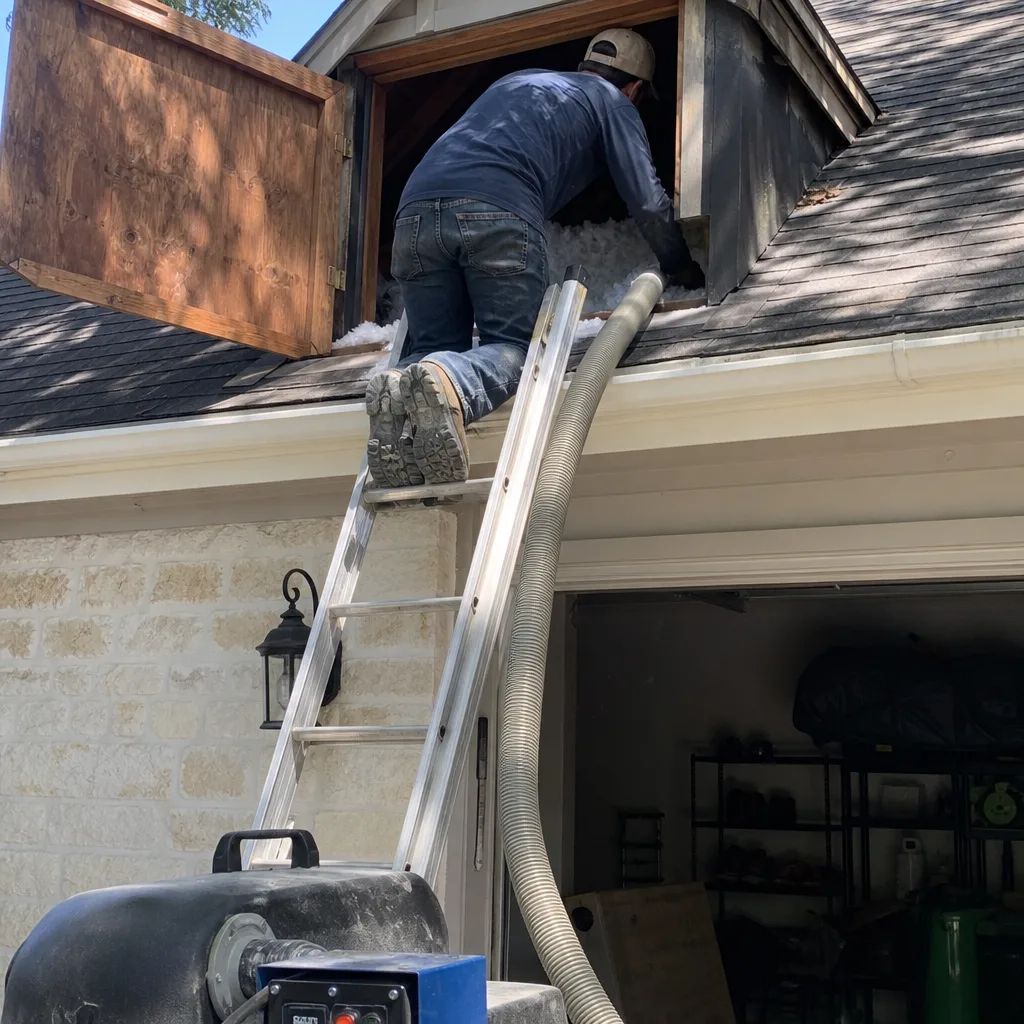
Cellulose - treated ground paper with borate fire retardant - is our default recommendation for most Round Rock attics. It settles less than fiberglass, blocks air movement better at the same R-value, and performs well in the 150°F attic conditions we see from June through September. For a typical 1,800-square-foot Round Rock single-story, blowing cellulose to R-44 runs $2,400-$3,600 including air sealing of top plates and penetrations. We source from GreenFiber and other national mills - no proprietary lock-in, so you get the material that fits your budget and performance target.
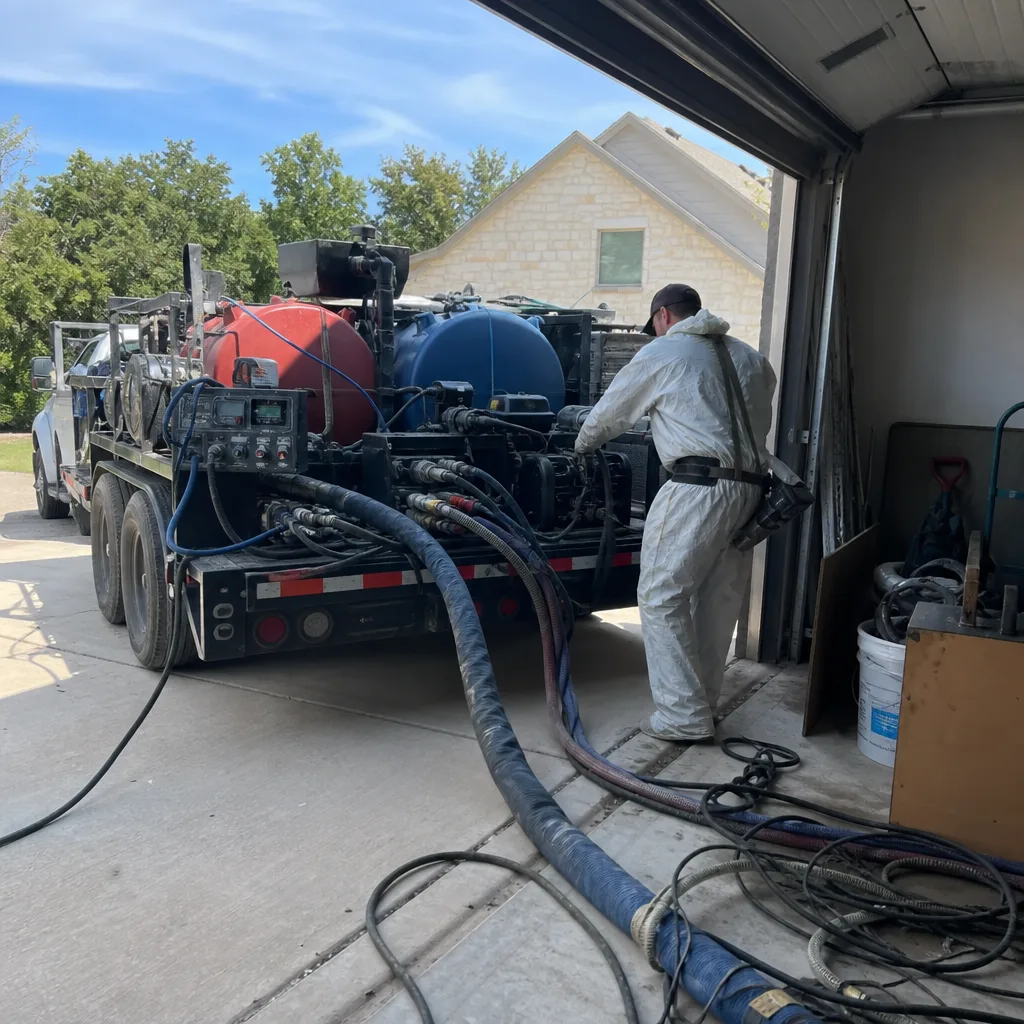
Blown-In Fiberglass
Fiberglass remains the right choice for some Round Rock homes, especially when we’re matching an existing layer or when moisture management is the primary concern. Owens Corning loose-fill fiberglass installs at higher coverage rates per bag, which can reduce labor cost on open-attic jobs. A full fiberglass retrofit to R-38 in a standard Round Rock tract home runs $1,800-$2,800. We never blow new fiberglass over old without first testing what we’re covering - too many Round Rock attics hide rodent damage, recessed cans without IC-rating, or exhaust fans vented into the insulation rather than through the roof.
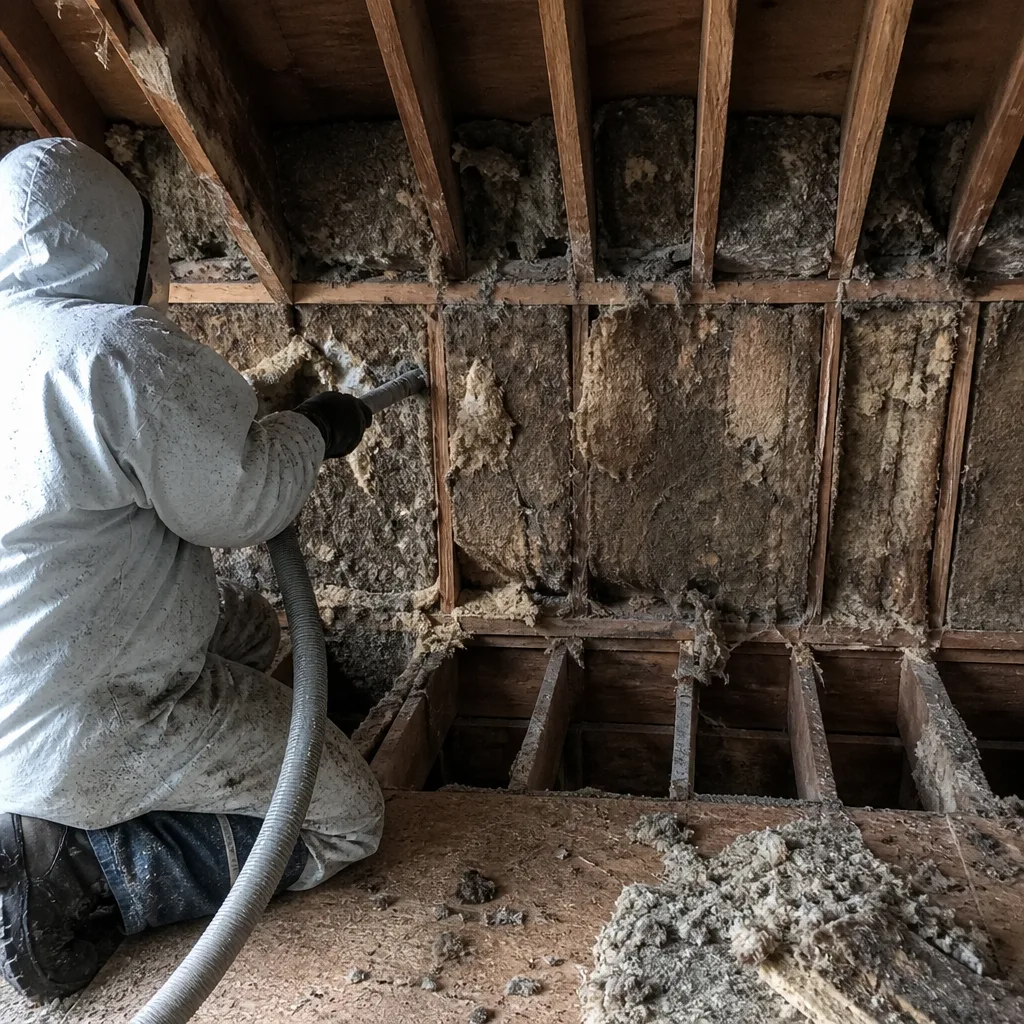
Dense-Pack Wall Insulation
Round Rock’s 1990s and 2000s tract homes were built with 2×4 exterior walls and R-13 batts that have shifted, compressed, or fallen inside the cavity. Dense-pack cellulose - blown at 3.5 pounds per cubic foot to resist settling - fills the void without removing drywall. We drill access holes at stud-bay spacing, pack the cavity, and patch with matched texture. Most Round Rock wall jobs run $2,200-$4,000 for a full single-story envelope, depending on wall area and interior finish type. This is slower work than attic blowing, but it’s the only way to fix the thermal bypasses that make west-facing bedrooms uninhabitable in July.
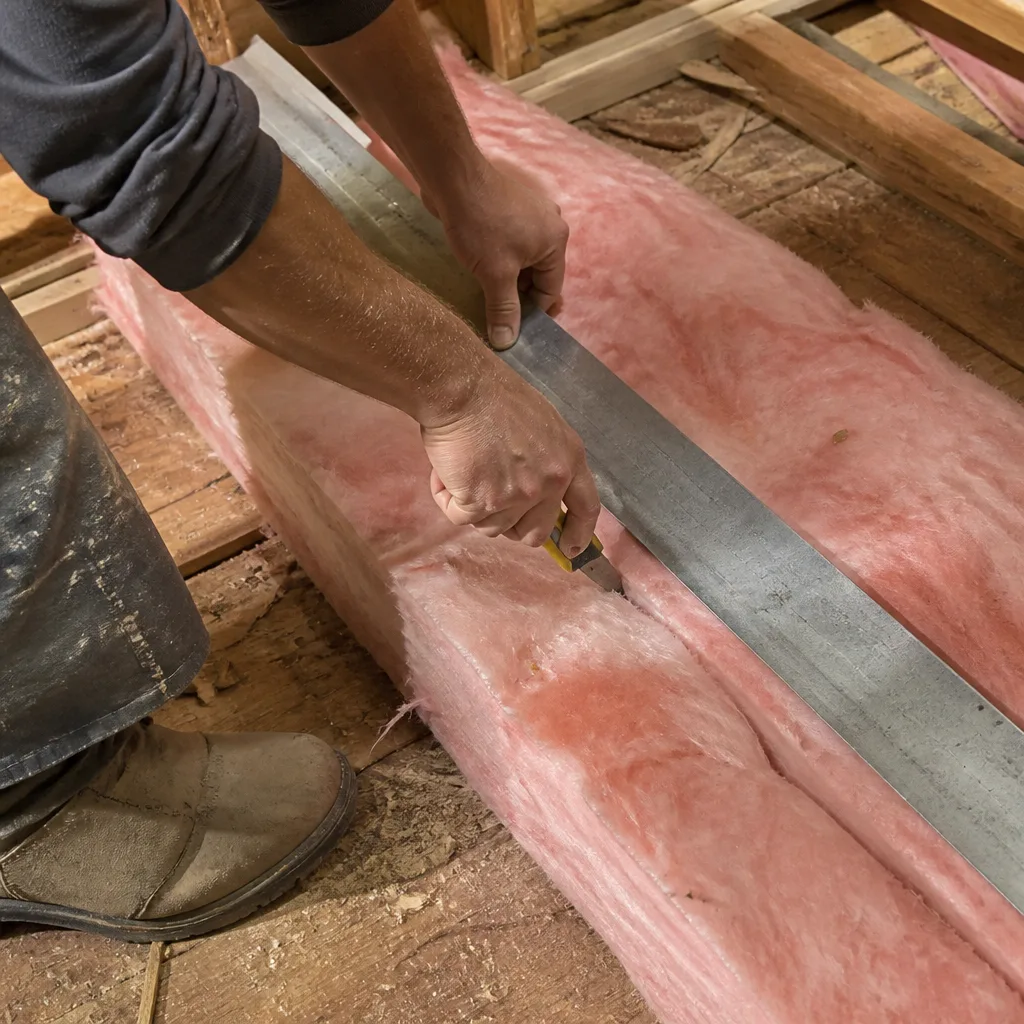
Blown-In Top-Up
Not every Round Rock attic needs a full removal and restart. If your existing blown-in layer is in reasonable condition - no pest damage, no mold, no exhaust-fan moisture saturation - we can air-seal the penetrations and blow additional material to bring you to current code or beyond. A top-up from R-22 to R-44 in a typical Round Rock attic runs $1,200-$2,000 and takes half a day. We mark the new depth with measurement stakes so you can verify the coverage yourself. Under Haven Standard Clause 1, you get the written scope, the written price, and the written warranty before the blower starts.
What happens when you call
- 1
A real person answersNo phone trees - you reach a local pro.
- 2
You get an upfront price rangeHonest numbers before anyone is dispatched.
- 3
A background-checked tech heads outLicensed & insured, dispatched right away.
- 4
You approve before work beginsNothing starts until you say go.
 Before
 After
AfterTrusted Brands We Service in Round Rock
We stock and install blown-in materials from Owens Corning, GreenFiber, Johns Manville, and Knauf - sourced through regional distributors with next-day replenishment to our Round Rock job trailers. No proprietary product lock-in means we specify what performs for your attic condition, not what moves our margin. If your home was originally insulated with a specific manufacturer’s fiberglass, we can match the thermal characteristics for a seamless top-up layer. Every bag is documented on your invoice with lot number and coverage rate, part of the Documented Photo Record you receive at job close.
Common Blown-In Insulation Problems We See in Round Rock Homes
- Settled fiberglass below R-22 in Dell-era tract homes. The blown fiberglass installed in Round Rock’s 1990-2005 production builds was specified at R-30 but rarely achieved full design depth, and twenty years of settling has dropped many attics to R-19 or less. In a climate where attic temperatures exceed 150°F, that thin layer becomes the hottest surface in your ceiling plane, radiating heat downward until your upstairs bedrooms won’t cool below 78°F even at 10 PM.
- Zero air-sealing at top plates and recessed-light penetrations. Round Rock’s production builders blew insulation directly over unsealed framing gaps and non-IC-rated can lights. The blown-in layer sits on top of a sieve. Conditioned air escapes year-round, and in summer the stack effect pulls 140°F attic air down through those same gaps. We seal first, then insulate - in that order. Always.
- Winter Storm Uri exposed the dual-season failure. The same under-insulated, unsealed attics that cook bedrooms in July provided almost no thermal buffer when temperatures dropped below 10°F in February 2021. Ceiling-plane pipes froze in homes across Forest Creek and Teravista because the attic temperature tracked outdoor conditions within a few degrees. Blown-in insulation without air sealing is half a fix at best.
- Block-level uniformity means block-level predictable failure. Because entire Round Rock streets were built in the same 18-month window by the same crews, we find identical conditions house after house. One completed job on your block means we already know the exact scope your neighbor needs. This isn’t copy-paste work - it’s measured, documented, and adjusted for each home - but the pattern recognition lets us quote accurately and work efficiently.
Pricing for Blown-In Insulation in Round Rock, TX
| Service | Typical Range (Round Rock) | Notes |
|---|---|---|
| Blown-in cellulose, full attic to R-44 | $2,400-$3,600 | Includes air sealing; single-story, 1,800 sq ft |
| Blown-in fiberglass, full attic to R-38 | $1,800-$2,800 | Includes air sealing; open attic, standard access |
| Blown-in top-up (R-22 to R-44) | $1,200-$2,000 | Half-day job; existing layer must be viable |
| Dense-pack wall insulation | $2,200-$4,000 | Single-story full envelope; drywall patch included |
| Air sealing only (before insulation) | $800-$1,500 | Top plates, penetrations, can lights, soffit baffles |
What moves you within these ranges: attic square footage, current insulation condition, access difficulty (steep roof pitch, tight scuttle), and whether we need to install baffles for soffit ventilation. Every Round Rock job begins with a written price - flat, itemized, no open-ended allowances. Haven Standard Clause 1: no work starts without it. We also offer a Free Second Opinion on any written estimate from another contractor; bring us their scope and we’ll read it with you, line by line. Call (254) 970-2136 to schedule.
We Also Serve Cities Near Round Rock
Our crews run daily to Round Rock from our Austin dispatch office, with regular routes through Pflugerville, Hutto, Georgetown, and Cedar Park. Each city’s building stock differs - Georgetown’s older downtown core and historic district need different approaches than Round Rock’s uniform subdivisions - and we scope accordingly. If you’re in a nearby city and found this page searching for Blown-In Insulation expertise, we cover your area with the same written-price, documented-record standard.
Serving Round Rock, TX - Our Local Coverage Area
We’re based in the Round Rock area and know this community well. Use the map below to see our service coverage - if you’re nearby, we can almost certainly help.
FAQs - Blown-In Insulation in Round Rock
A 2004 Round Rock build almost certainly has blown fiberglass that has settled below R-22, and the original installer skipped air sealing. We start with a visual assessment and blower-door test - a pressurization reading that shows, in one number, how much air your building envelope is losing. If the existing layer is clean and uncompressed, a top-up plus air sealing typically runs $1,200-$2,000 and solves the performance problem. If we find rodent damage, moisture saturation, or exhaust fans vented into the insulation, removal and replacement is the only honest recommendation. Call (254) 970-2136 and we’ll give you a written price for either scope - estimates are free.
The blown-in layer in Forest Creek homes from the late 1990s and early 2000s has settled to inconsistent depths, and more critically, the original installer blew it over unsealed top plates and open recessed-light cans. Your conditioned air is escaping into the attic through gaps the insulation is sitting on top of, while summer attic heat radiates down through the thin spots. We see this exact pattern on entire streets in Forest Creek. Air sealing plus targeted blowing to restore uniform R-44 typically fixes the temperature swing in a single morning. The before-and-after blower-door numbers on your invoice will show the exact reduction in air leakage.
Yes, same-day service is available for most Round Rock locations when you call (254) 970-2136 by early afternoon. Our crews are already in the city daily, and because we stock materials on the trailer, we’re not waiting on a warehouse pull. For full attic retrofits, we typically schedule a next-morning start to allow prep time - covering floors, setting containment, staging the blower. Emergency situations - post-storm water intrusion into insulation, for example - get priority dispatch.
For most Round Rock homes, we recommend cellulose. It settles less than fiberglass, provides better resistance to air movement at the same R-value, and performs well in the extreme attic temperatures we see from June through September. Fiberglass makes sense when we’re matching an existing viable layer, or when specific moisture conditions favor its hydrophobic properties. We don’t guess - we assess your attic’s current condition, your performance goals, and your budget, then specify the material in the written scope. Both options are stocked on our Round Rock trailers.
Uri exposed that Round Rock’s standard blown-in attics - settled to R-22 or less with no air sealing - provide almost no protection when outdoor temperatures drop below 10°F. The fix isn’t a different material; it’s proper depth plus comprehensive air sealing. A well-sealed attic at R-44, whether cellulose or fiberglass, maintains a ceiling plane temperature that protects pipes and living space in hard freeze conditions. We now include freeze-protection performance in our written scope for every Round Rock job, with the before-and-after blower-door reading as verification. Call (254) 970-2136 for a written estimate - no charge, no obligation.
Written by Wes Okafor, Owner at Topside Attic Insulation Georgetown, serving Round Rock since 2016.