

Fast, Reliable Spray Foam Insulation Across Taylor
Spray foam insulation in Taylor, TX typically runs $1.80-$3.20 per board foot for open-cell and $3.50-$5.50 per board foot for closed-cell, with most whole-home jobs landing between $3,800 and $8,500 depending on whether we’re sealing a post-2000 subdivision attic or a cotton-era pier-and-beam crawl space. Our crews dispatch from the Austin office and usually reach Taylor properties within 45 minutes to an hour, which means we can walk a job on a Tuesday and have the foam curing by Thursday. Call (254) 970-2136 for a written price before any work starts - that’s Haven Standard Clause 1, no exceptions.
We’ve sprayed foam in Taylor homes along Main Street’s historic corridor, in the newer subdivisions edging toward the Samsung fab site, and everywhere between. The Blackland Prairie clay under this city moves differently than the sandier soils in Hutto or Georgetown, and that movement changes where spray foam fails and how we seal it. Our Spray Foam Insulation team knows the difference between a builder-grade attic that needs air-sealing before foam goes in and a 1920s bungalow whose rim joists have been rattled open by decades of wet-dry cycles.
Why Topside Attic Insulation Georgetown Is Taylor’s Preferred Spray Foam Insulation Company
We’ve completed spray foam jobs in Taylor’s Murphy Park historic district, in the post-2000 subdivisions near Howard L. Giles Park, and on renovation projects throughout the downtown corridor. Our reviews from Taylor customers consistently mention two things: the blower-door numbers we leave behind and the fact that we air-seal first, insulate second - never the reverse.
Response time matters here because Taylor’s housing stock is splitting in two directions. The Samsung semiconductor fab has drawn new construction crews and renovation contractors who need spray foam scheduled around framers and roofers. We answer calls with a live person 24/7, and we don’t give callback windows measured in business days. If you’re trying to hit a closing date on a new build or get a historic renovation buttoned up before the next heat wave, that responsiveness matters.
Our local knowledge shows up in the details we catch before quoting. We know which Taylor subdivisions used the minimum builder-grade package that barely meets code, and we know which pre-1960 homes have pier-and-beam foundations that have shifted enough to crack previous insulation attempts. That context changes the scope, the price, and the result.
Our Spray Foam Insulation Services in Taylor
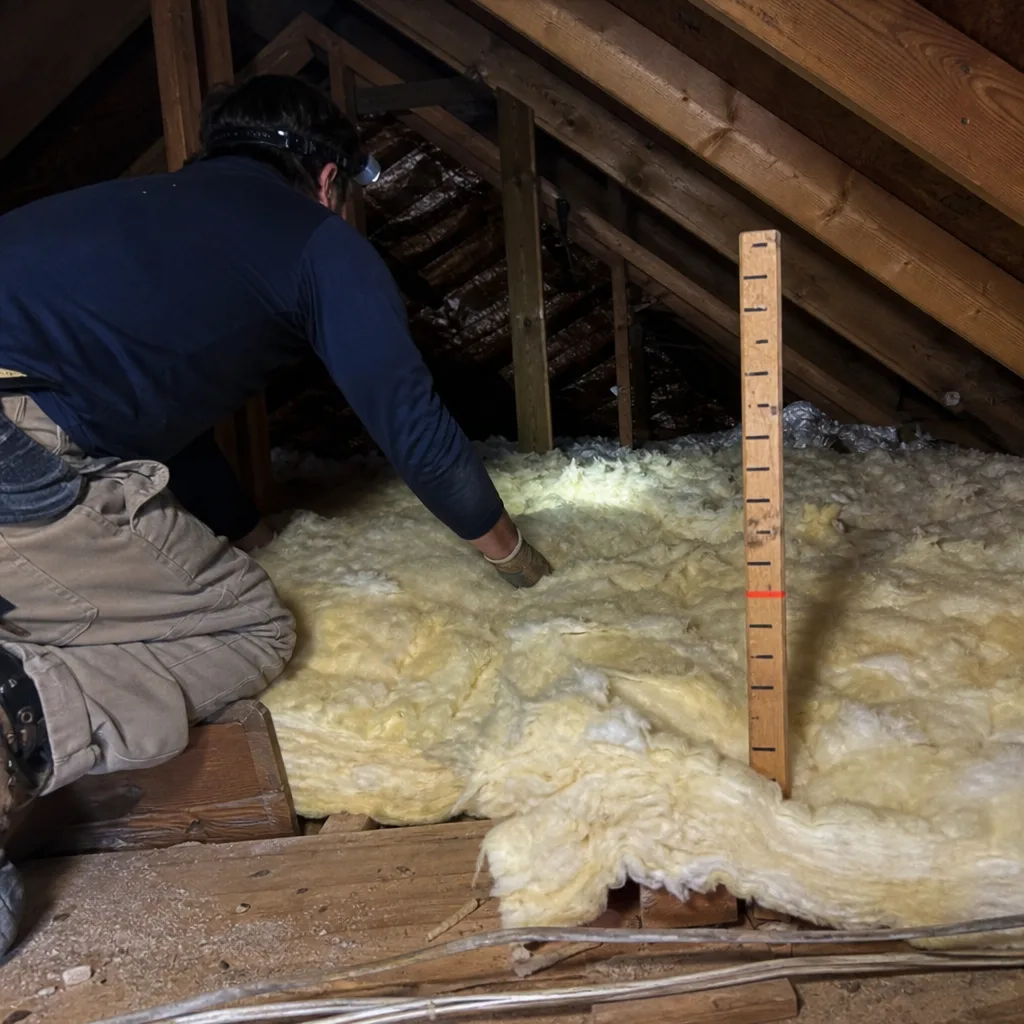
Closed-Cell Spray Foam
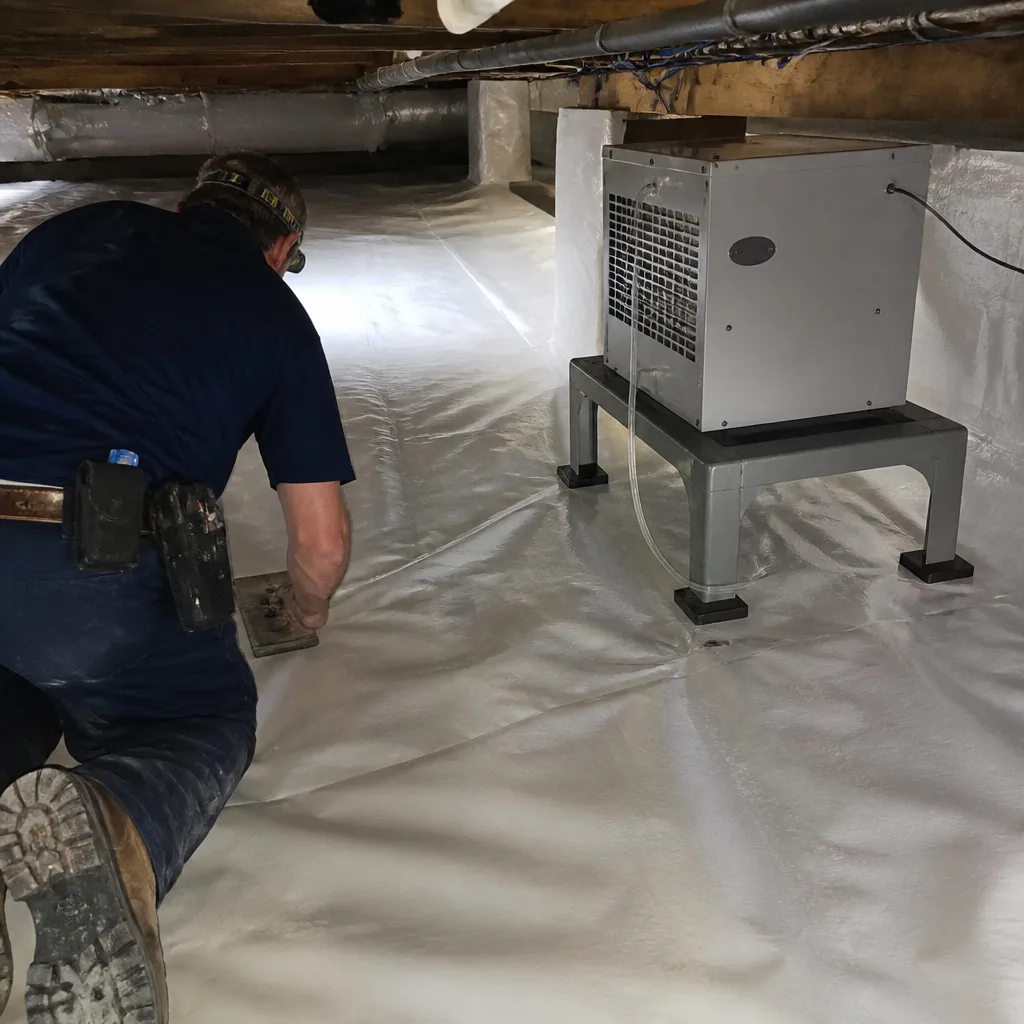
Closed-cell spray foam in Taylor runs $3.50-$5.50 per board foot and delivers R-6.5 per inch with a rigid structure that resists both air and moisture. In Taylor’s climate, we use closed-cell almost exclusively for rim joists, crawl space walls, and any application where the Blackland Prairie clay’s seasonal swelling might compress or separate a softer material. After Winter Storm Uri, we saw dozens of Taylor pier-and-beam homes where closed-cell on the rim joist was the difference between a 28°F crawl space and one that held above 45°F. The foam’s density also adds structural rigidity to floor systems that have been working against clay movement for 80-plus years.
Open-Cell Spray Foam
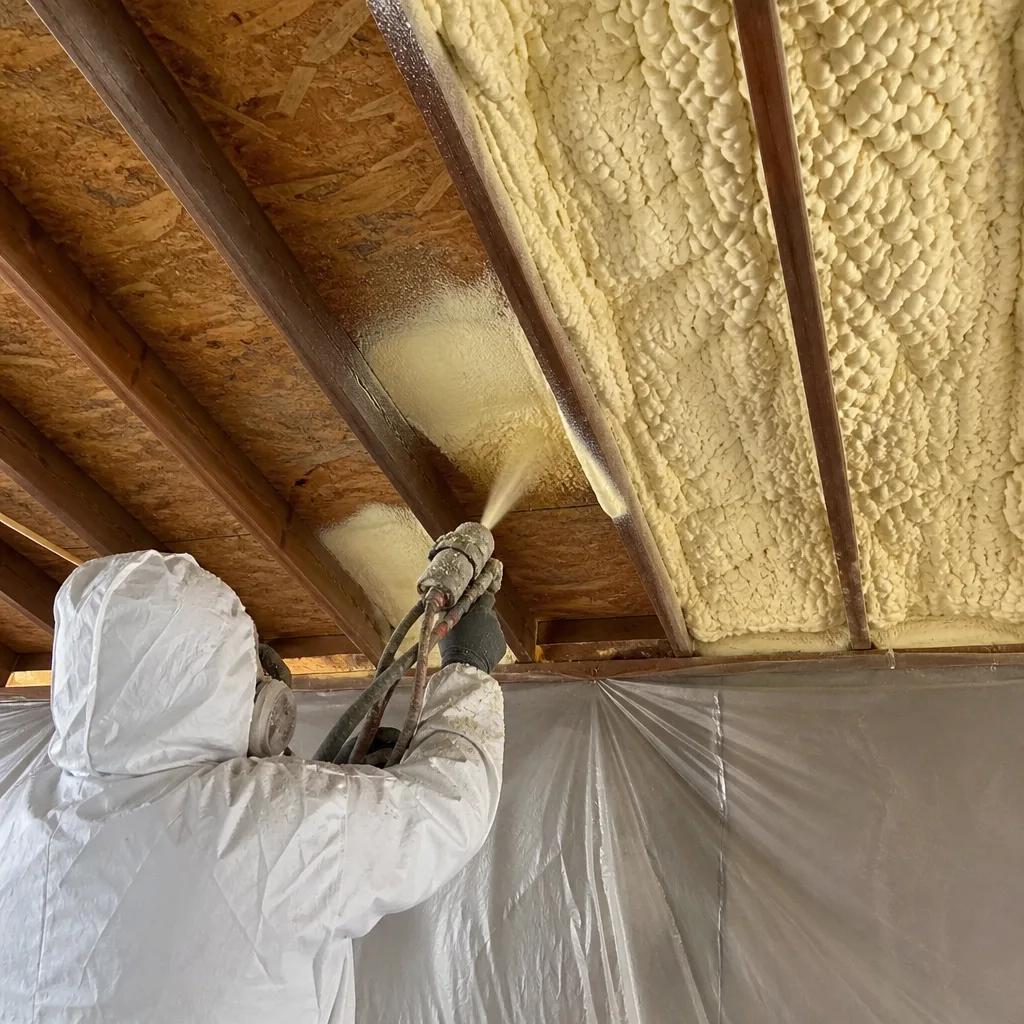
Open-cell spray foam in Taylor costs $1.80-$3.20 per board foot and provides R-3.6 per inch with a softer, vapor-permeable structure. We use it for attic roof decks and wall cavities in conditioned spaces where moisture needs to dry toward the interior. In Taylor’s unshaded older homes, roof deck temperatures regularly breach 150°F in August, and open-cell’s expansion characteristics let it fill irregular rafter bays completely without the weight or rigidity that might stress aging framing. It’s the right choice for sealing a sun-baked attic where the goal is stopping convective heat transfer, not structural reinforcement.
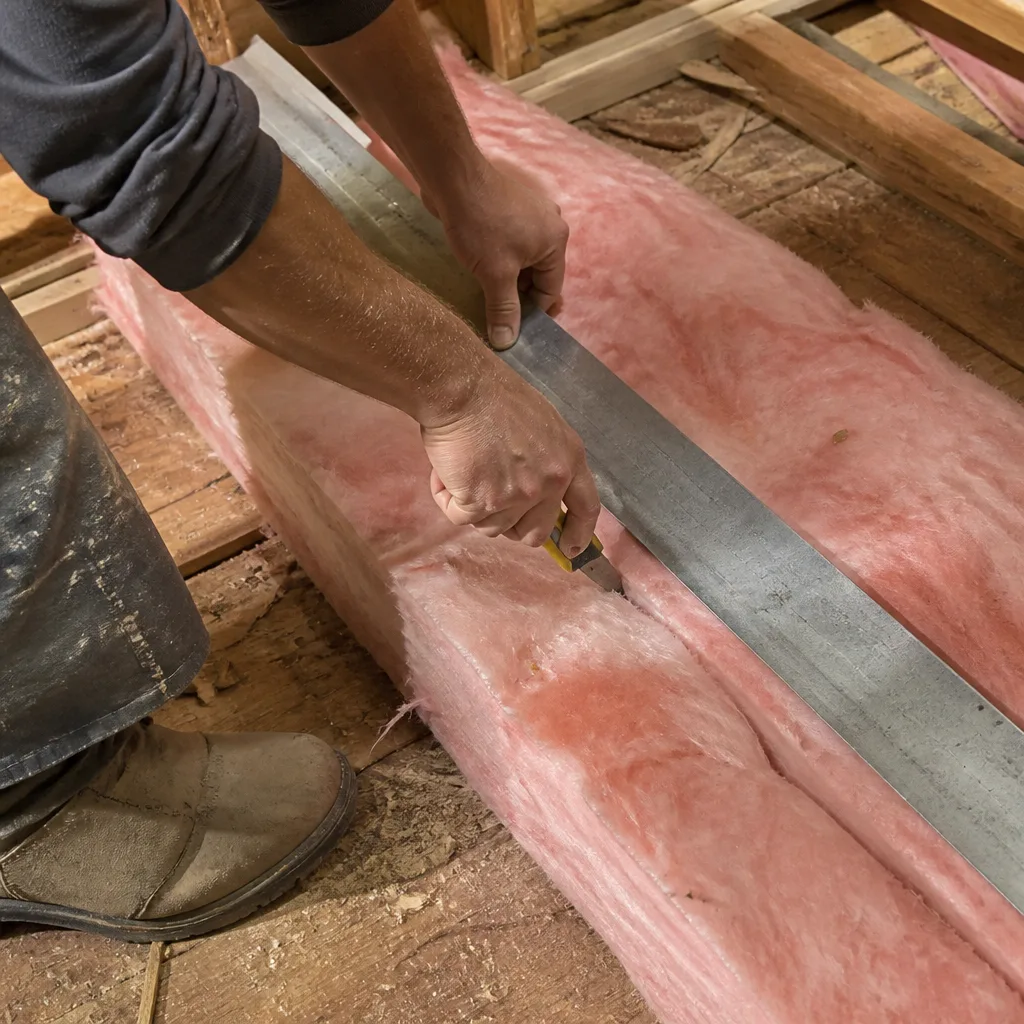
Rim Joist Spray Foam
Rim joist spray foam in Taylor is typically $800-$1,800 for a complete crawl space treatment, and it’s where we see the most repeated failures in this specific market. The heavy clay beneath Taylor’s pier-and-beam homes swells in wet seasons and shrinks in dry ones, ratcheting open gaps between the sill plate, rim joist, and foundation blocks. Fiberglass batts stuffed in these cavities fall out within a season. We remove the failed material, air-seal every penetration with caulk and foam, then apply closed-cell spray foam that bonds directly to the wood and masonry. In Taylor’s Murphy Park area, we’ve revisited homes where previous contractors had sprayed foam directly over dirty, damp wood - it delaminated within a year. Our prep protocol includes cleaning, drying, and priming the substrate before the first pass.
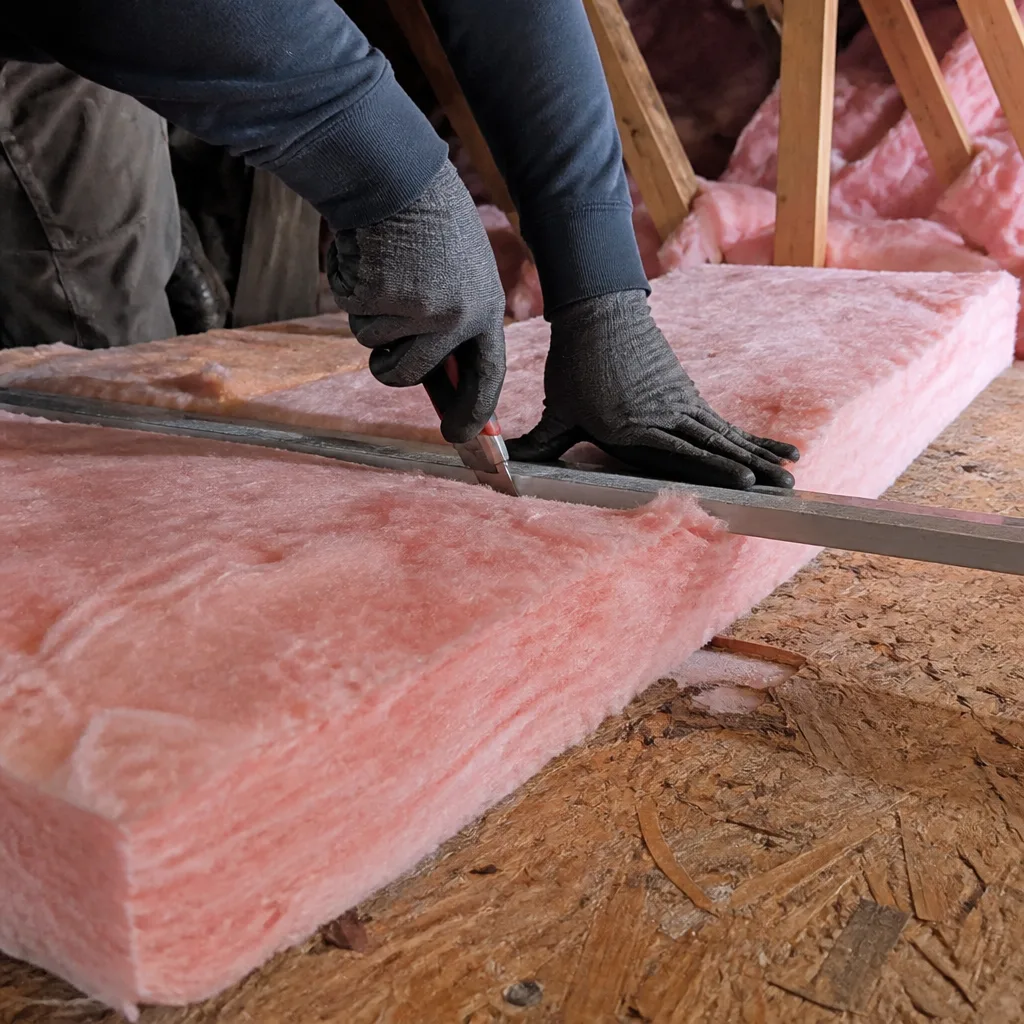
Garage Ceiling Spray Foam
Garage ceiling spray foam in Taylor runs $1,200-$2,800 depending on whether the garage is attached and whether the ceiling is currently open or finished. In Taylor’s newer subdivisions, we find a constant pattern: the builder insulated the garage ceiling to minimum code with fiberglass batts, but left the attic hatch, the pull-down stair perimeter, and the wall-to-ceiling junctions completely unsealed. Conditioned air from the house escapes into the garage attic, and the insulation looks like it’s doing nothing because the real problem is air leakage, not R-value. We air-seal every junction, every penetration, every gap in the top plates, then spray open-cell foam across the ceiling plane. The homeowner gets before-and-after blower-door numbers that show exactly how much air we stopped.
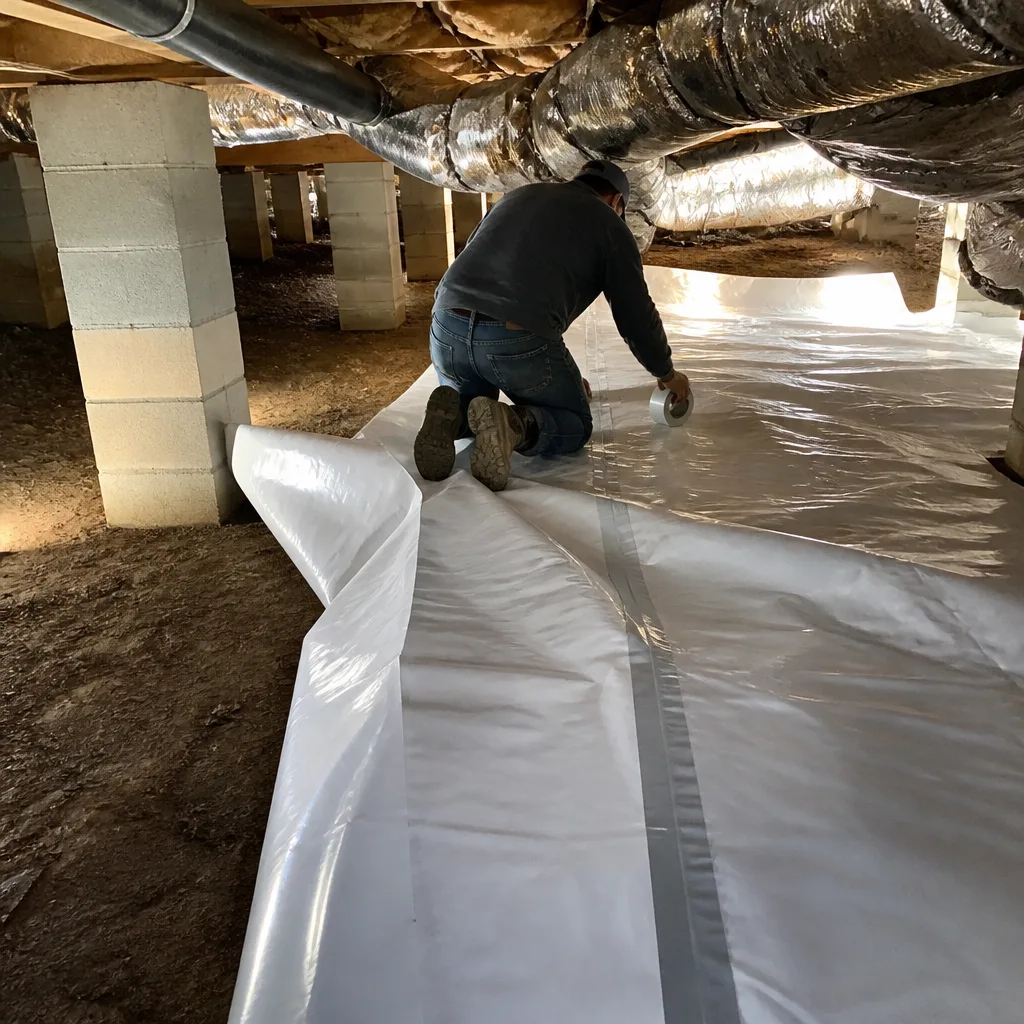
Spray Foam Roof Deck
Spray foam roof deck application in Taylor costs $2.50-$4.50 per board foot and converts a vented attic into a conditioned, semi-conditioned space. In Central Texas, this matters because a vented attic in July is essentially a 150°F oven sitting on top of your ceiling. By spraying the roof deck, we move the thermal boundary to the roofline and drop the attic temperature to within 10-15 degrees of the living space. In Taylor’s older homes with complex rooflines and limited attic access, this approach avoids the impossible task of trying to air-seal a thousand individual penetrations in a plaster ceiling. We use open-cell for most roof deck applications in Taylor, with closed-cell only where roof deck deflection or moisture risk requires the denser material.
What happens when you call
- 1
A real person answersNo phone trees - you reach a local pro.
- 2
You get an upfront price rangeHonest numbers before anyone is dispatched.
- 3
A background-checked tech heads outLicensed & insured, dispatched right away.
- 4
You approve before work beginsNothing starts until you say go.
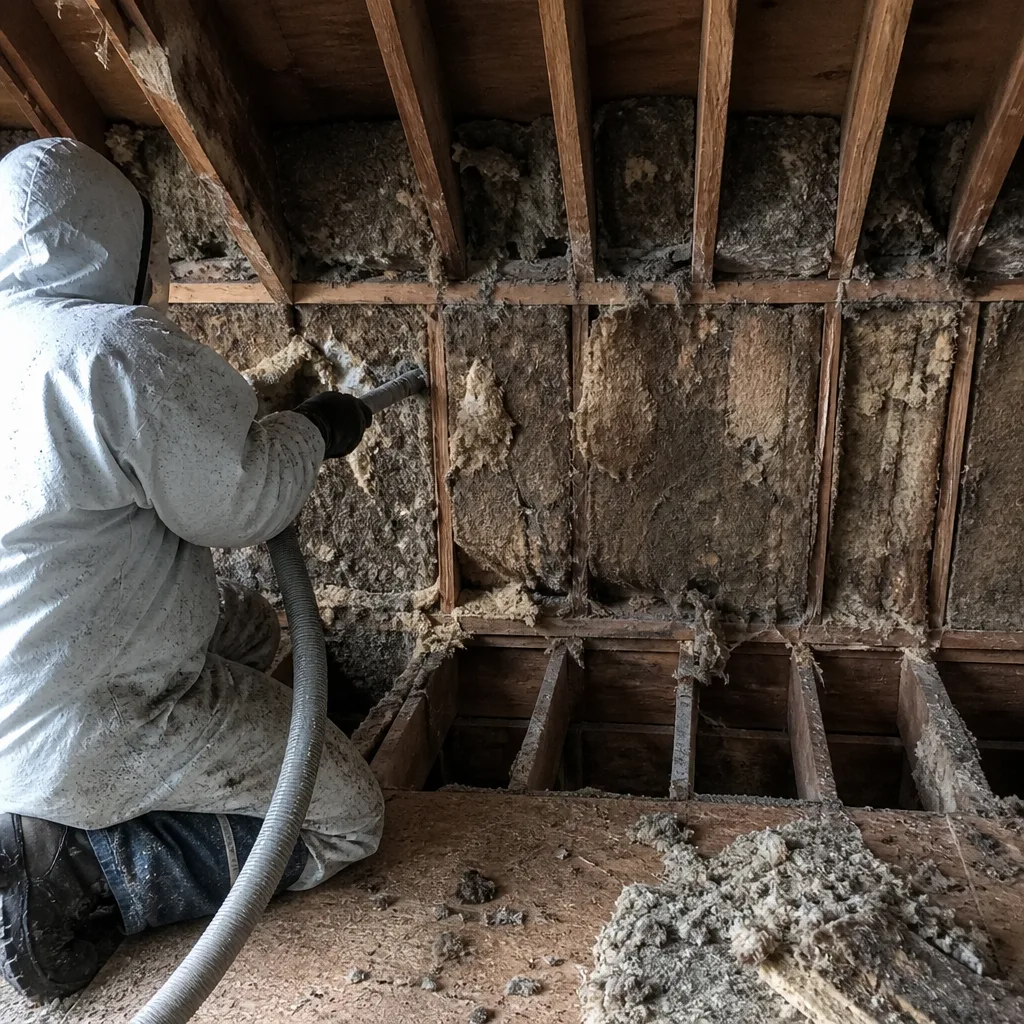 Before
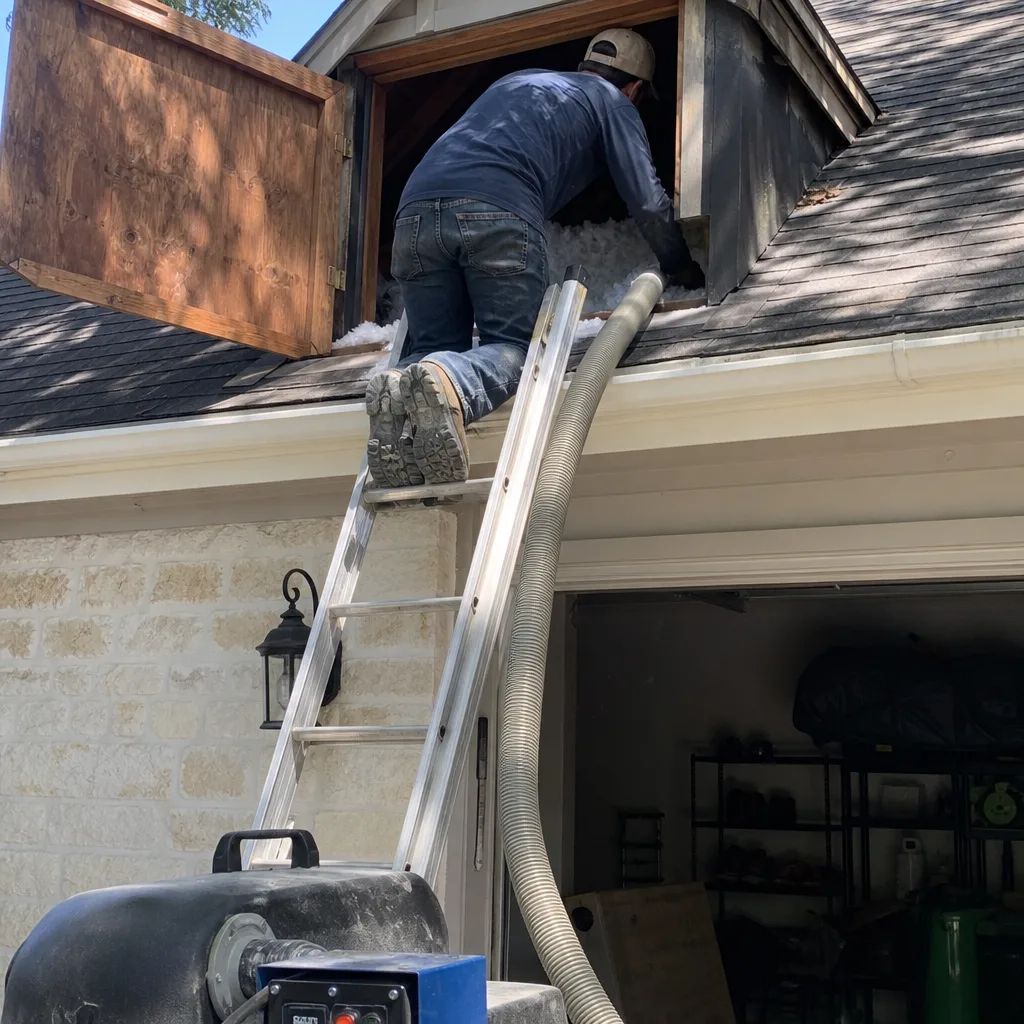 After
AfterTrusted Brands We Service in Taylor
We source spray foam materials from Icynene, Demilec, and CertainTeed, among others, and we don’t lock homeowners into proprietary products that limit their options. For Taylor customers, this means we can match the foam to the application - closed-cell Demilec for a rim joist that’s fighting Blackland Prairie clay movement, open-cell Icynene for a roof deck that needs to breathe, CertainTeed formulations where specific fire ratings or VOC requirements apply. We stock common densities and chemistries locally, so a Taylor job doesn’t wait on a freight shipment from Dallas. Every batch is documented with manufacturer data sheets and applied according to the published specs, not guesswork.
Common Spray Foam Insulation Problems We See in Taylor Homes
- Builder-grade door and attic hatch gaps in post-2000 subdivisions. Taylor’s newer homes often have spray foam or blown-in insulation in the attic, but the access hatch, pull-down stairs, and interior wall top plates were never sealed. Conditioned air escapes straight into the attic, and the homeowner blames the insulation when the real leak is the builder’s trim-out. We fix this before we add a single inch of foam.
- Seasonal rim-joist and floor-plate separation on pre-1960 pier-and-beam homes. The clay beneath Taylor swells in spring rains and shrinks by late summer, working gaps open between the sill plate and foundation, and between the rim joist and subfloor. Foam that looked perfect in October has a visible crack by March. Our closed-cell application includes full substrate prep and a bond primer formulated for high-moisture, high-movement environments.
- New-construction foam applied over dusty, high-moisture framing. In Taylor’s fast-track builder schedules, especially near the Samsung fab development, spray foam sometimes goes in before the structure is fully dried in. Dust on the studs, green lumber moisture, and summer humidity prevent proper adhesion. The foam sags on vertical surfaces and delaminates within the first year. We won’t spray until the substrate passes a moisture meter check - it’s in our written scope or we don’t start.
- Attic air leaks making spray foam appear ineffective. In Taylor’s unshaded homes with dark shingle roofs, radiant heat drives attic temperatures to 150°F-plus. If the ceiling plane isn’t airtight, that heat radiates down through recessed lights, electrical boxes, and top-plate gaps. Spray foam on the roof deck solves this, but only if the ceiling penetrations are sealed first. We blower-door test before and after to prove the difference.
Pricing for Spray Foam Insulation in Taylor, TX
Here’s what spray foam insulation costs in Taylor’s market right now:
| Application | Price Range |
|---|---|
| Open-cell spray foam (attic, walls) | $1.80 - $3.20 / board foot |
| Closed-cell spray foam (rim joists, crawl spaces) | $3.50 - $5.50 / board foot |
| Rim joist treatment (typical crawl space) | $800 - $1,800 |
| Garage ceiling spray foam | $1,200 - $2,800 |
| Whole-home attic (open-cell, typical 1,800 sq ft) | $3,800 - $6,200 |
| Whole-home attic (closed-cell, same footprint) | $5,500 - $8,500 |
What moves the number: accessibility (can we get a rig to the house?), substrate condition (does old insulation need removal?), and whether air-sealing is required before foam application. In Taylor’s historic districts, tight lot lines and pier-and-beam crawl spaces with 18-inch clearance add labor hours that slab-on-grade homes don’t face. Every job gets a written price before any work starts - Haven Standard Clause 1 - and we provide a Free Second Opinion on any competing written estimate. Call (254) 970-2136 for a written quote; estimates are free and include a Documented Photo Record of what we find.
We Also Serve Cities Near Taylor
Our crews work throughout the northern Austin metro, including Taylor and nearby Hutto, Pflugerville, Round Rock, and Georgetown. Each market has different soil conditions, housing stock, and building codes, and our scopes reflect that. A rim-joist treatment in sandy-soil Hutto doesn’t face the same clay-movement risk as one in Taylor, and we don’t pretend otherwise.
Serving Taylor, TX - Our Local Coverage Area
We’re based in the Taylor area and know this community well. Use the map below to see our service coverage - if you’re nearby, we can almost certainly help.
FAQs - Spray Foam Insulation in Taylor
It fails because the Blackland Prairie clay beneath Taylor swells and shrinks dramatically with seasonal rainfall, working gaps open between the sill plate, rim joist, and foundation blocks. Foam applied without proper substrate prep, bond primer, and allowance for this movement separates within one wet-dry cycle. Our closed-cell rim-joist protocol includes cleaning the wood to bare grain, drying the substrate below 19% moisture content, and applying a primer formulated for high-movement environments. Call (254) 970-2136 and we’ll show you photos from Taylor jobs where previous foam failed and ours held - the difference is in the prep.
Most Taylor builders installed the minimum code-required insulation package, which typically means fiberglass batts in the attic and nothing in the rim joists, garage ceiling, or wall cavities. The bigger issue is air sealing: we regularly find post-2000 Taylor homes where the attic hatch, recessed light housings, and top plates were never sealed, so conditioned air escapes as fast as the HVAC produces it. Spray foam replaces the insulation and seals the air leaks in one step, but only if the scope includes both. Bring us your builder’s documentation and we’ll read it with you - Free Second Opinion, no obligation.
The Samsung semiconductor fab has created a two-speed market unique to Taylor: new construction crews need spray foam scheduled in tight windows between framers and drywallers, while renovation contractors are upgrading 1890s-1950s cotton-era homes for incoming workers. Demand for experienced spray foam crews has tightened scheduling, especially for new construction, but we haven’t raised our per-board-foot rates. What has changed is lead time: new-construction jobs near the fab site book 2-3 weeks out in peak season, while renovation and retrofit work in established Taylor neighborhoods still moves faster. Call (254) 970-2136 for current availability - we answer live, 24/7.
Yes, significantly, but only if it’s applied to the right surface. In Taylor’s unshaded homes with dark shingles, roof deck temperatures reach 150°F-plus. Spray foam on the attic floor (above the ceiling drywall) doesn’t stop radiant heat transfer from the roof deck - it just adds R-value to a surface that’s already leaking air. Spray foam on the roof deck, creating a conditioned attic, drops the attic temperature to within 10-15 degrees of the living space and eliminates the convective loop that drives heat downward. We blower-door test before and after to document the air-sealing improvement, and we publish those numbers on every applicable job.
Use closed-cell spray foam for rim joists and open-cell for garage ceilings, with one exception. Rim joists in Taylor’s pier-and-beam homes need closed-cell’s R-6.5 per inch, moisture resistance, and structural rigidity to withstand clay movement. Garage ceilings in attached garages typically get open-cell, which provides sufficient R-value for the application and allows the ceiling assembly to dry if moisture accumulates. The exception: if the garage is below a conditioned bonus room or bedroom, we may specify closed-cell for the ceiling to meet fire-separation requirements or to add structural stiffness to a long-span ceiling. Every recommendation includes a written scope and the reason for the choice.
Written by Wes Okafor, Owner at Topside Attic Insulation Georgetown, serving Taylor since 2016 under The Haven Standard.