
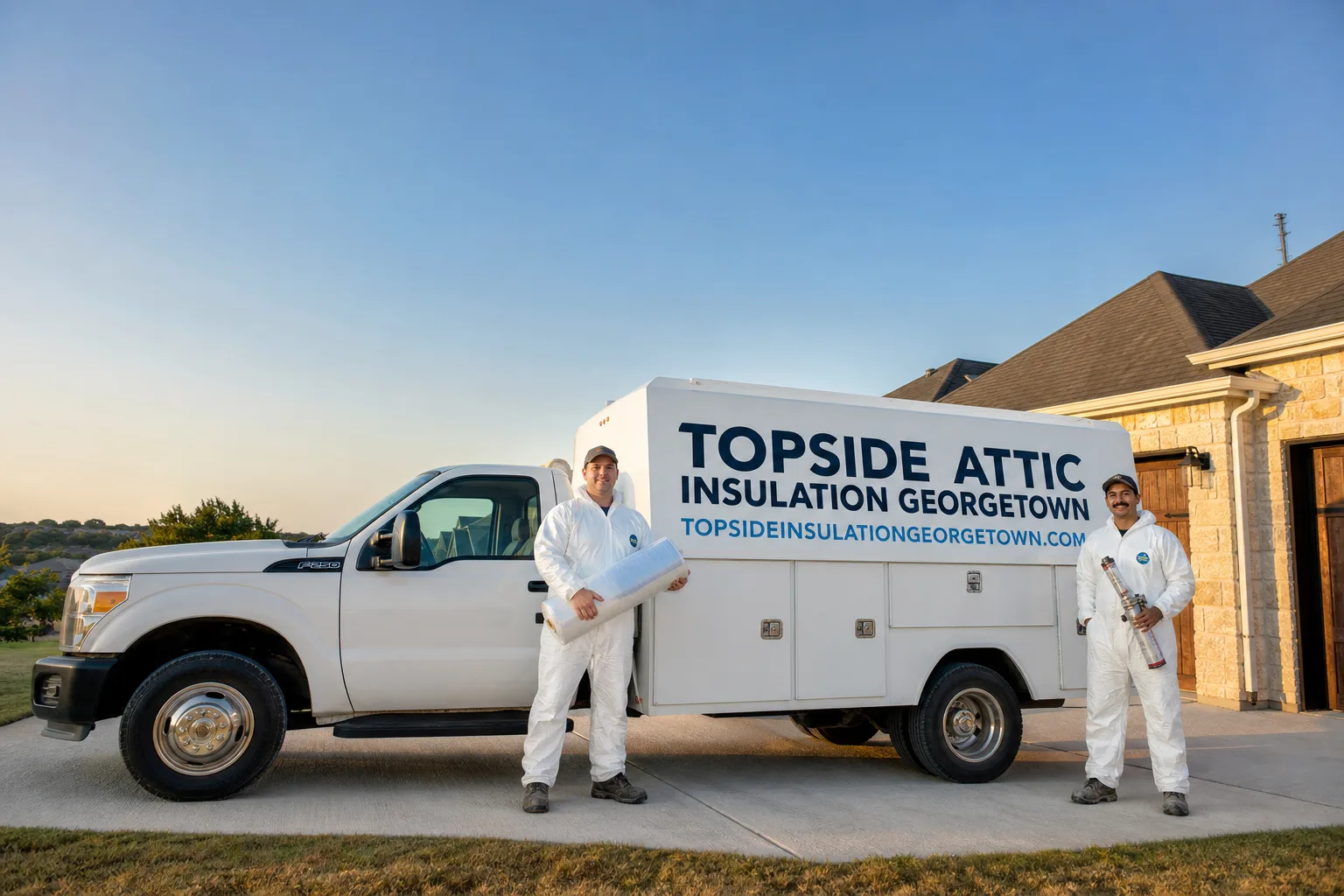
Fast, Reliable Spray Foam Insulation Across Cedar Park
Spray foam insulation in Cedar Park typically runs $2.80-$5.40 per board foot for open-cell and $4.50-$7.80 for closed-cell, with most whole-attic retrofits falling between $4,200 and $8,900 depending on whether the old fiberglass comes out first. We’re usually on-site in Cedar Park within 24-48 hours of your call, and scheduling is coordinated from our Austin office with crews that work Cedar Park neighborhoods daily. Call (254) 970-2136 for a written price before any work starts - that’s Haven Standard Clause 1, no exceptions.
We’ve sealed and insulated more than 9,000 homes since 2016, and Cedar Park’s uniform post-2000 production housing stock makes it one of the most predictable markets we serve. The same DR Horton, KB Home, and Meritage floor plans repeat across entire subdivisions, which means we can template the spray foam specification precisely - and you get the benefit of that efficiency in your written price.
Why Topside Attic Insulation Georgetown Is Cedar Park’s Preferred Spray Foam Insulation Company
Cedar Park homeowners research thoroughly before they call. They read the three-star reviews as carefully as the five-star ones, and they want documentation, not promises. We publish before-and-after blower-door numbers on every applicable job - a pressurization reading that shows, in one figure, how much conditioned air your home was losing before and after the work. You walk away with the photos, the readings, and the written scope. That’s the Haven Standard.
Our crews know Cedar Park’s specific building patterns: the vented gable and hip-roof attics in Twin Creeks, the slab-on-grade construction throughout Ranch at Brushy Creek, the water lines routed through 150°F attic spaces in Forest Oaks. This isn’t generic suburban experience. It’s repeated exposure to the exact same construction defects across thousands of locally built homes.
Calls are answered by a live person, 24/7. No voicemail loops. No callback windows measured in business days. When you need a free second opinion on a competing estimate, bring us the written quote and we’ll read it with you line by line.
Our Spray Foam Insulation Services in Cedar Park
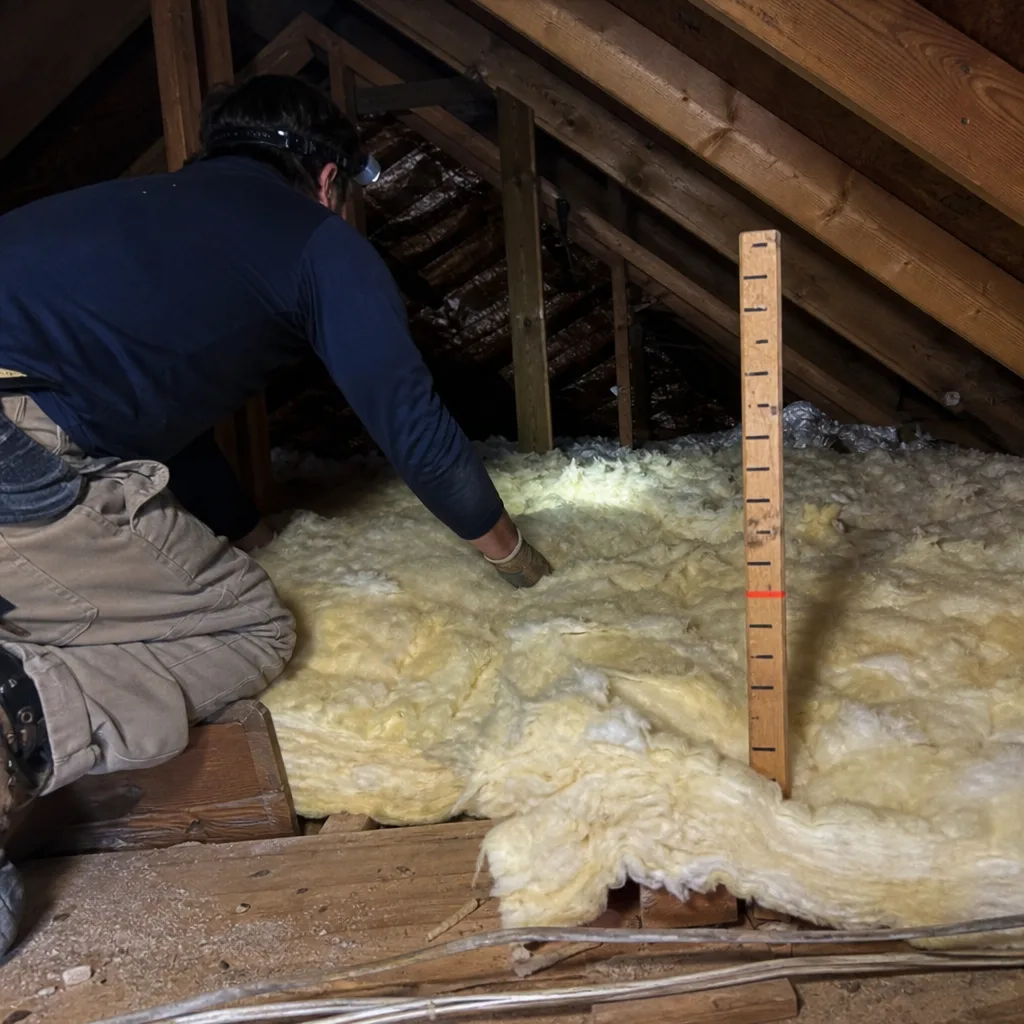
Open-Cell Spray Foam
Open-cell spray foam in Cedar Park attics runs roughly $2.80-$4.20 per board foot installed. We use it primarily for gable end walls and semi-conditioned attic conversions where vapor permeability is an advantage - the foam allows incidental moisture to dry to the interior rather than trapping it against sheathing. In Cedar Park’s hot-humid Climate Zone 2, this matters. The 2005 Meritage homes off Lakeline Boulevard we see regularly have oriented strand board roof decking that can degrade if moisture gets trapped against it. Open-cell’s permeability profile, combined with proper attic ventilation strategy, prevents that scenario.
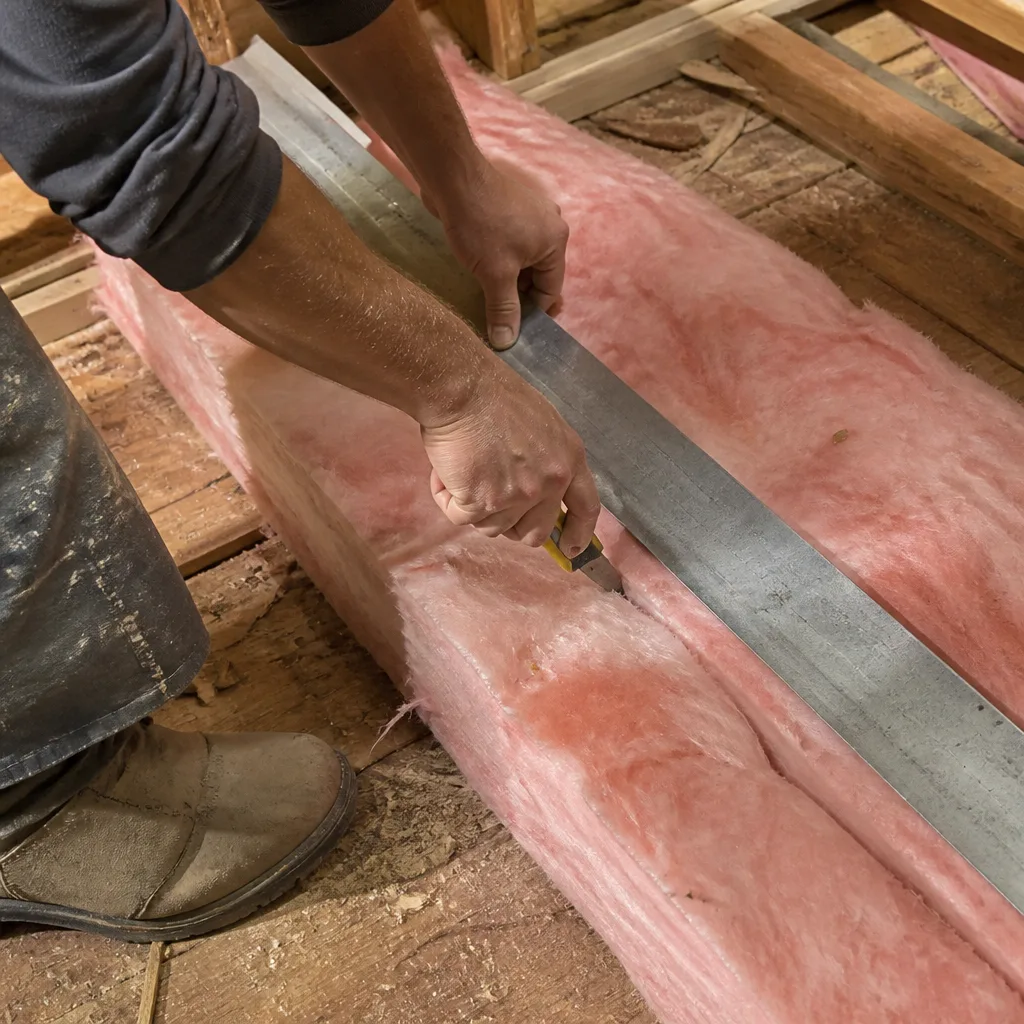
Closed-Cell Spray Foam
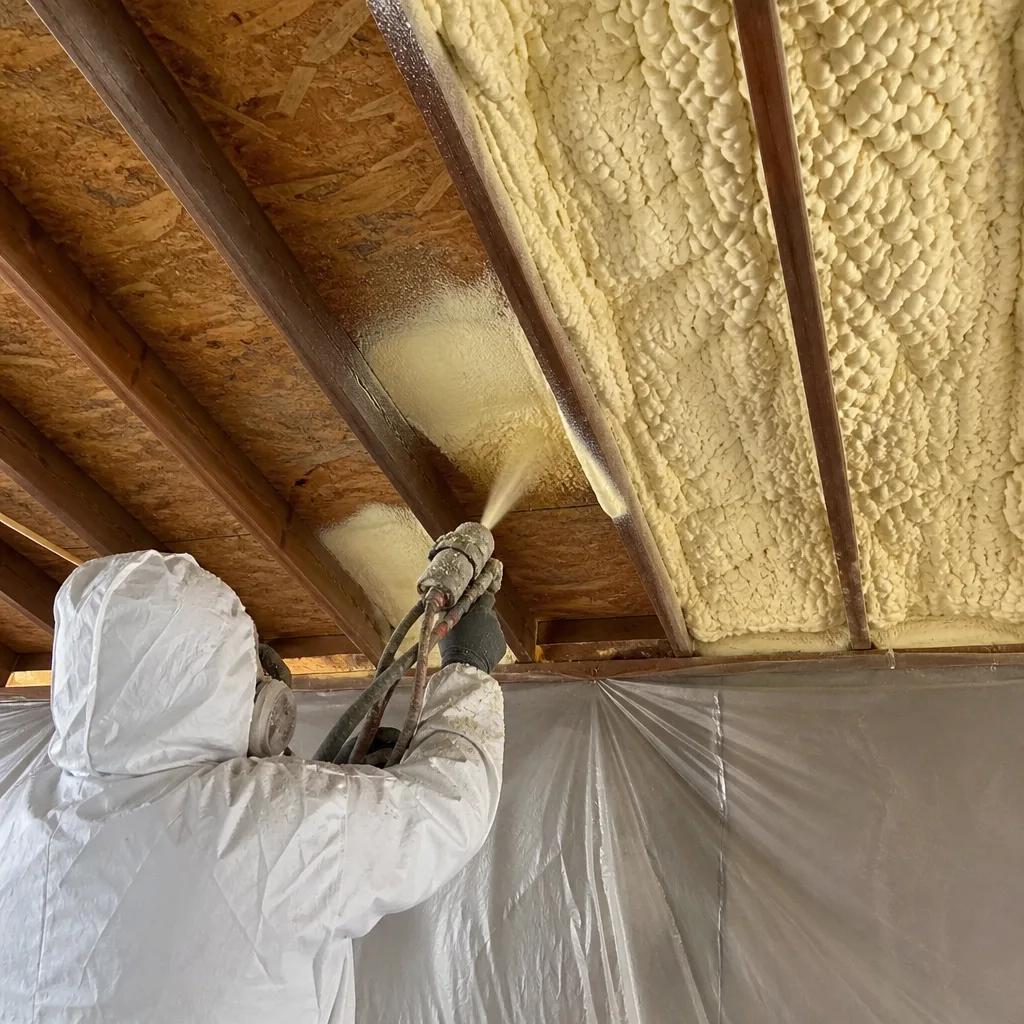
Closed-cell spray foam is our primary specification for Cedar Park roof deck applications, at $4.50-$7.80 per board foot. At roughly R-6.5 per inch and a Class II vapor retarder at 1.5 inches thickness, it creates a fully conditioned attic space that protects water lines and HVAC equipment from Cedar Park’s 150°F+ summer attic peaks. After Winter Storm Uri, this has become the dominant request we field from Cedar Park homeowners - converting a vented, hostile attic into a semi-conditioned buffer zone. The February 2021 freeze event was a stark reminder that builder-grade R-30 blown fiberglass offers nearly zero protection for lines routed through unconditioned space.
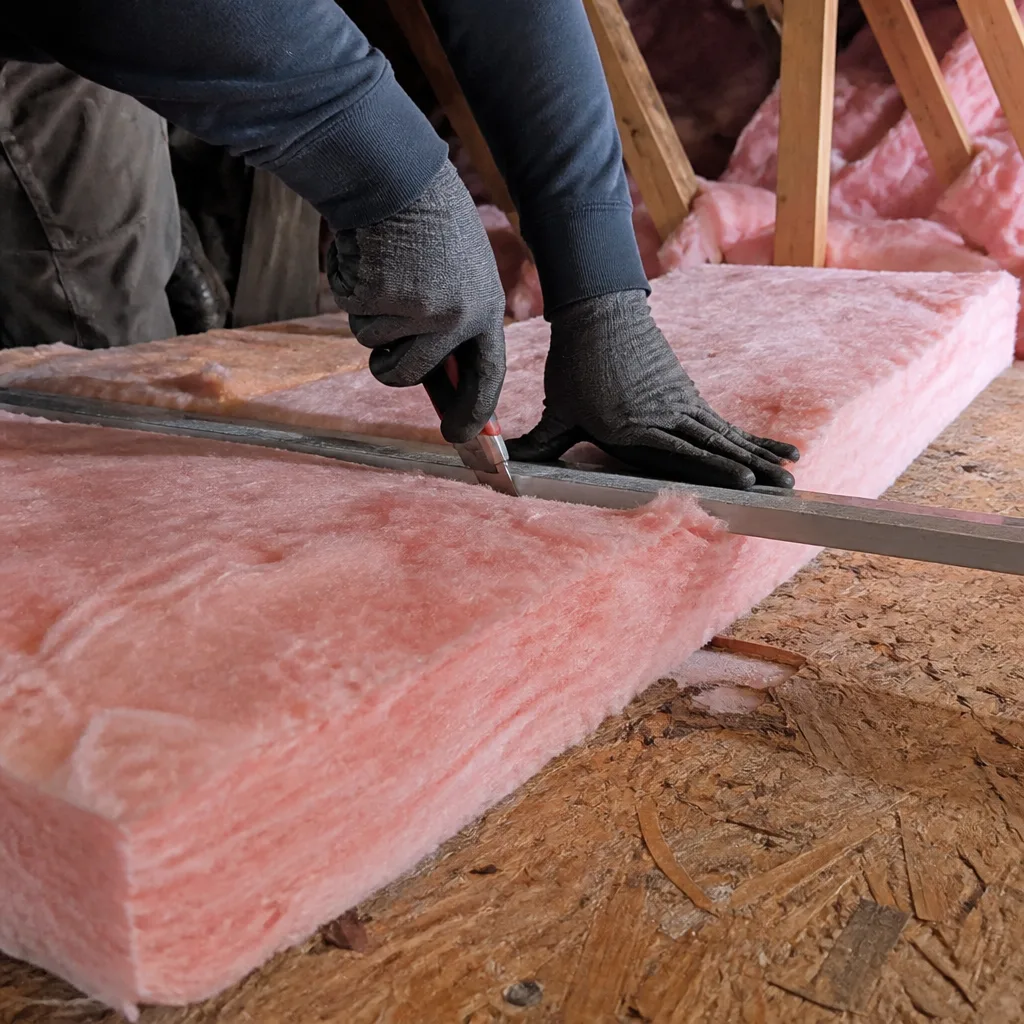
Rim Joist Spray Foam
Rim joist spray foam in Cedar Park runs $1,800-$3,400 for a typical 2,000-square-foot slab-on-grade home. Cedar Park’s production builders largely omitted rim joist insulation or stuffed fiberglass batts that sag and allow convective air looping between conditioned space and the exterior. Closed-cell at the rim joist is critical here - it’s the only accessible edge of the building envelope in a slab home, and air sealing at this junction reduces the stack effect that pulls 150°F attic air downward through wall cavities in summer.
Garage Ceiling Spray Foam
Garage ceiling spray foam in Cedar Park typically costs $2,400-$4,800, depending on whether the space above is a bonus room or master bedroom - common in DR Horton and Meritage plans with “flex” spaces. These rooms are notoriously uncomfortable because the garage ceiling is often uninsulated or minimally insulated, with unsealed penetrations for ductwork and wiring. We treat garage ceiling spray foam as an air-sealing project first: seal the penetrations, then insulate. The temperature delta between a 120°F garage ceiling cavity and conditioned space above can exceed 40°F in July.
What happens when you call
- 1
A real person answersNo phone trees - you reach a local pro.
- 2
You get an upfront price rangeHonest numbers before anyone is dispatched.
- 3
A background-checked tech heads outLicensed & insured, dispatched right away.
- 4
You approve before work beginsNothing starts until you say go.
 Before
 After
AfterTrusted Brands We Service in Cedar Park
We source spray foam materials from Icynene, Demilec, and CertainTeed - no proprietary product lock-in, so we specify based on your home’s needs rather than a distributor agreement. For Cedar Park’s hot-humid climate, we typically favor CertainTeed’s closed-cell formulations for roof deck applications and Icynene’s open-cell products for gable end walls where vapor permeability matters. We stock common kit sizes locally, so most Cedar Park jobs aren’t waiting on material delivery. If your home has existing spray foam that needs repair or extension, we match the original chemistry where possible to prevent compatibility issues.
Common Spray Foam Insulation Problems We See in Cedar Park Homes
- Compacted builder-grade fiberglass masquerading as insulation. The original R-30 blown fiberglass in Cedar Park’s post-2000 tract homes has compacted to as low as R-15 after 10-20 years of 150°F+ attic cycling. Convective loops form within the degraded material, pulling hot attic air directly into living spaces and making your HVAC system fight a battle it can’t win.
- Unsealed top plates and penetrations bypassing whatever insulation remains. Production builders in subdivisions like Twin Creeks and Ranch at Brushy Creek left top plates, recessed light housings, and ceiling fan electrical boxes unsealed. Stack-effect infiltration moves air through these gaps year-round, worsening summer heat gain and creating the pipe-freeze conditions that devastated Cedar Park during February 2021.
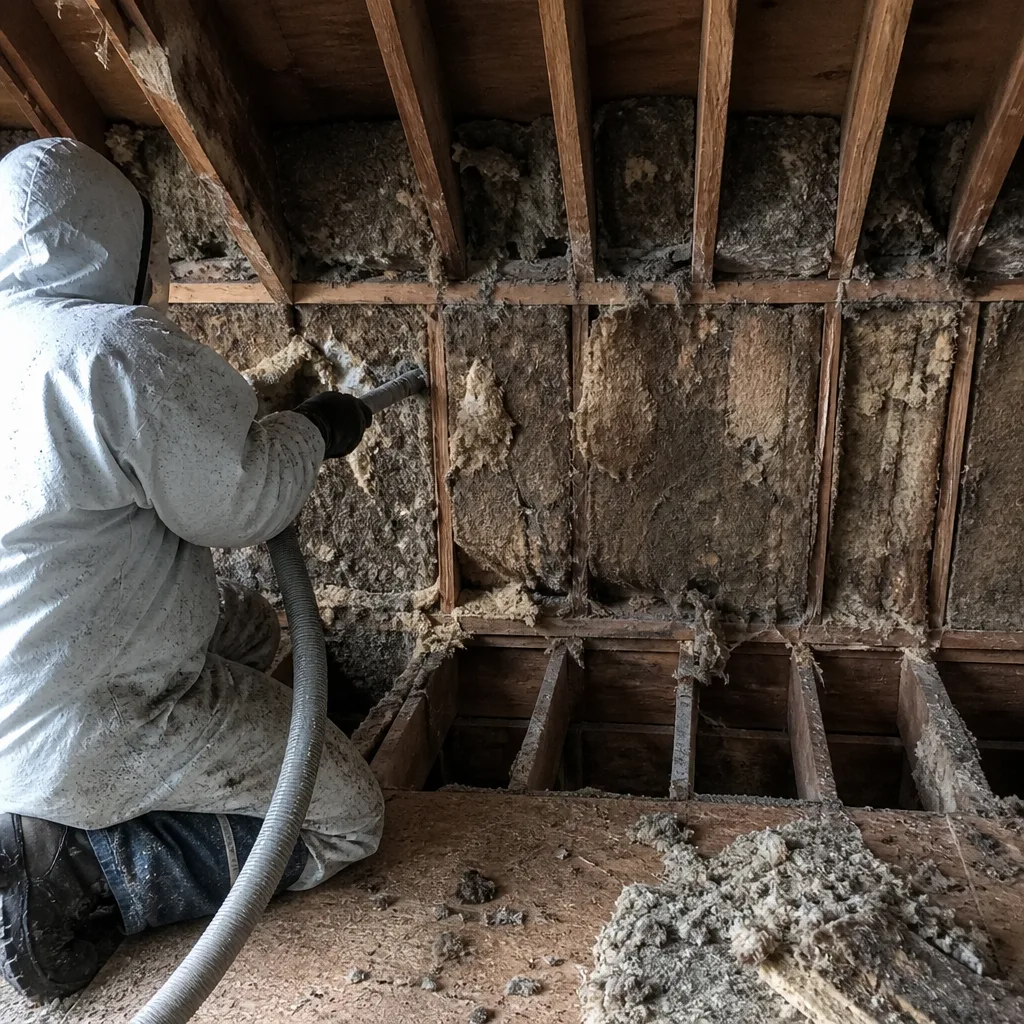
- Spray foam applied over dirty, degraded substrate. When homeowners or less careful contractors spray foam directly over old, dusty fiberglass without removal or proper prep, the foam delaminates or forms voids - especially at Cedar Park’s roof decks, where thermal expansion and radiant heat loads stress the adhesion. We remove the old material, HEPA-vacuum the deck, and apply primer where substrate conditions require it.
- Wrong foam type for the application. Open-cell on a Cedar Park roof deck without adequate vapor management traps moisture against OSB sheathing. Closed-cell in a wall cavity without expansion accommodation cracks the studs. We specify based on assembly, not habit.
Pricing for Spray Foam Insulation in Cedar Park, TX
Here’s what spray foam insulation costs in Cedar Park’s market, based on jobs we’ve written prices for in the last 18 months:
| Application | Typical Range | Notes |
|---|---|---|
| Open-cell spray foam, attic gable walls | $2.80-$4.20 / board ft | Requires vapor-permeable assembly design |
| Closed-cell spray foam, roof deck | $4.50-$7.80 / board ft | Includes removal of old fiberglass; substrate prep extra if degraded |
| Rim joist, closed-cell, typical slab home | $1,800-$3,400 | Varies with linear footage and accessibility |
| Garage ceiling, closed-cell | $2,400-$4,800 | Higher if bonus room above with duct penetrations |
| Whole-attic retrofit, removal + spray | $4,200-$8,900 | Most common Cedar Park job; includes air sealing, photo record, blower-door test |
What moves you within these ranges: attic square footage, whether old insulation requires removal, roof deck accessibility (steep pitches cost more), and whether we need to relocate HVAC equipment or ductwork to spray properly. Every Cedar Park job gets a written price before any work starts - Haven Standard Clause 1 - and a free second opinion on any competing written estimate. Call (254) 970-2136 for your specific number.
We Also Serve Cities Near Cedar Park
Our crews work daily across the northern Austin metro, including Cedar Park, Leander, Round Rock, Pflugerville, and Georgetown. Dispatch and scheduling are coordinated from our Austin office, with dedicated Cedar Park routes that keep response times tight. If you’re in one of these neighboring cities and found this page, the same pricing structures and Haven Standard documentation apply - though the housing stock specifics differ, and we’ll assess your home on its own conditions.
Serving Cedar Park, TX - Our Local Coverage Area
We’re based in the Cedar Park area and know this community well. Use the map below to see our service coverage - if you’re nearby, we can almost certainly help.
FAQs - Spray Foam Insulation in Cedar Park
Yes, and the payback period is often shorter in Cedar Park than in older, better-insulated housing markets. Your 2005 home’s original fiberglass has likely compacted to R-15 or below, and the unsealed top plates common to that production era mean you’re losing conditioned air continuously. A whole-attic spray foam retrofit with air sealing typically reduces cooling runtime by 25-40% in Cedar Park’s summer conditions, with the added benefit of pipe protection during freeze events. Call (254) 970-2136 for a written price and blower-door assessment - estimates are free.
Closed-cell spray foam on the roof deck, combined with proper air sealing, converts your vented attic to a semi-conditioned buffer zone that stays well above freezing even during extended sub-20°F outdoor conditions. In the 2005 Meritage home off Lakeline Boulevard in Twin Creeks that our crew retrofitted after Uri, the homeowner reported no pipe issues through the following winter despite similar cold snaps. The key is full roof deck coverage plus sealing at all penetrations - partial spray foam leaves vulnerable zones. We document the coverage with photos and provide before-and-after blower-door numbers so you can verify the air-sealing result.
It makes the assessment and specification faster, which reduces your cost. In Cedar Park’s large subdivisions like Twin Creeks and Ranch at Brushy Creek, identical truss layouts, top-plate configurations, and original R-30 specs mean our Spray Foam Insulation team can template the scope precisely after surveying one or two homes. The physical installation still requires the same careful prep - old fiberglass removal, HEPA vacuuming, substrate priming where needed - but the planning efficiency translates directly to a tighter written price. We’ve done entire streets in these neighborhoods where each subsequent job benefits from the pattern recognition.
For Cedar Park roof deck applications, we specify closed-cell in nearly all cases. The hot-humid Climate Zone 2 conditions, 150°F+ summer attic peaks, and the need for vapor control at the roof sheathing make closed-cell’s R-6.5 per inch and Class II vapor retarder properties the correct choice. Open-cell has valid applications in Cedar Park - gable end walls where vapor permeability aids drying, certain wall cavities with specific assembly designs - but we rarely recommend it for roof decks here. Your written scope will specify the chemistry, thickness, and R-value target before anyone lifts a tool.
In most Cedar Park attics we assess, yes. The 10-20-year-old builder-grade fiberglass is compacted, dusty, and often contaminated with rodent activity or construction debris from the original build. Spray foam applied over this substrate delaminates, forms voids, and fails to achieve its rated R-value. Our standard scope includes removal, HEPA vacuuming of the roof deck, and visual substrate inspection before primer or foam application. The photo record we deliver documents each stage. Skipping this step to save money produces a failed assembly that costs more to remediate later.
Written by Wes Okafor, Owner at Envelope Insulation Co., independently owned and operated under The Haven Standard since 2016.